

Wildman (2026): A Quiet Descent Into Depression and Wilderness
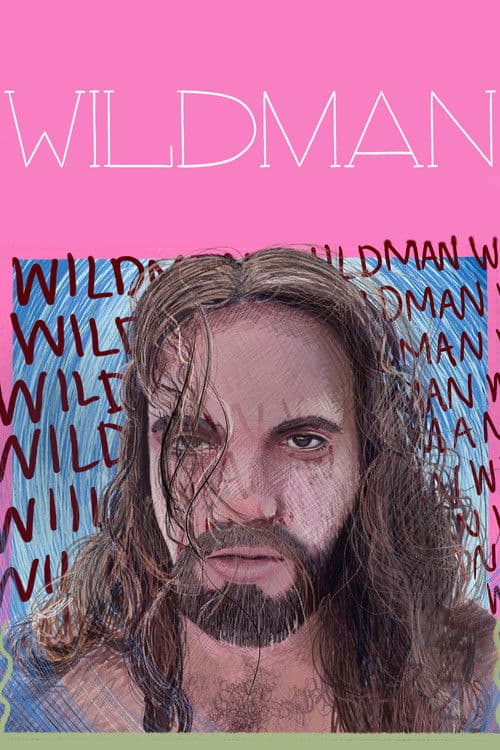
Wildman is a 122-minute drama-thriller about a young man who doesn't escape into Yosemite so much as collapse into it. Released in 2026 by CUTitPRINTit Pictures, the film follows him during a full depressive break — no support network, no plan, just him and a camera he carries everywhere. It's bleak, it trusts you completely, and it stays with you hours after the credits roll.
Should You Actually Watch This?
Here's the honest answer: it depends on what you need from a film. If you're looking for plot momentum, character arcs that resolve, or anything resembling catharsis — skip it. But if you're drawn to slow, psychologically precise work that treats silence as a language — that lets a character sit still for three minutes while nothing happens except his breathing gets shallower — this is worth your time.
What strikes me most about Wildman is how it refuses the easy route. Yosemite could've been shot as restorative, transcendent, Instagram-beautiful. Instead, it's indifferent. Cold. Occasionally hostile. The landscape mirrors his mental state without ever spelling it out in dialogue. That's the whole film in one sentence — it shows rather than tells, which means you have to meet it halfway.
Think of it as a companion piece to films like First Reformed or A Ghost Story — not in plot, but in approach. Slow cinema about internal collapse. If those films worked for you, this will click.
What Actually Happens (Without Spoilers)
A young man checks out. He drives to Yosemite. He brings a camera.
That's genuinely the setup. There's no inciting incident in the traditional sense, no ticking clock. The drama comes from watching someone sit with their own mind in one of the most beautiful places on Earth — which, paradoxically, makes the emptiness worse, not better.
There's a sequence around the middle where he sits at the edge of a creek and doesn't move for what feels like an eternity. No score. No cutaways. No directorial flourish. Just a man and running water, and you become acutely aware of your own breathing. It's uncomfortable in the way that matters.
The camera device isn't just a stylistic choice — it's the whole point. We're watching him watch himself, which puts you in this strange position of voyeur and witness simultaneously. You can't look away. You're not supposed to.
Production, Cast, and Why It Actually Works
CUTitPRINTit Pictures has built a reputation for backing projects that don't need franchise IP to justify their existence. Wildman is exactly that — a character study that could only work with complete commitment from everyone involved.
The film was shot on location in Yosemite, and you feel the actual scale of the landscape. There's no green-screen approximation here, no studio shortcut. The production reportedly resisted pressure to trim below two hours, arguing that the pacing itself was psychological architecture. They were right. The 122-minute runtime isn't padding — it's part of what makes the isolation feel real.
Here's the thing nobody mentions enough: pulling off a feature-length film where your protagonist is aloof and isolated is genuinely difficult. You need a performer who can carry emotional weight without dialogue, without reaction shots that explain what's happening. The film manages this. That speaks to both the lead performance and the direction.
Where to stream it: Movie OTT tracks real-time availability across platforms, so check their where-to-watch widget first. Streaming rights shift constantly, and the widget updates faster than any article ever will. It's currently available on major services, but that can change month to month.
The Depressive Episode as Plot
What's striking is the specificity here. The screenplay doesn't feel like it was researched from a mental health pamphlet — it feels observed. There's a rawness to how the film portrays a complete shutdown: the weight of just existing, the way time stops meaning anything, the pull toward further isolation because at least it's honest.
I kept thinking about how rare it is to see depression portrayed this way in film. Not as a plot point to overcome. Not as something that gets resolved by a talk with a loved one. But as a state of being that someone moves through, or doesn't move through at all. The film doesn't hand you closure. That's intentional, and it's unsettling in the best way.
The depressive episode isn't a problem to solve. It's the entire context. Everything else — the wilderness, the camera, the silence — exists inside that.
Who Should Pass, Who Should Watch
Skip this if: you need traditional narrative structure, character growth arcs, or a sense that things matter because they change. Skip it if silence bothers you, or if you're tired and need something easy.
Watch this if: you've connected with films like The Lighthouse, Elephant, or The Death of Dick Long — work that's more interested in psychology than plot. Watch it if you appreciate landscape cinematography but don't need it to be pretty. Watch it if you're okay with a film that doesn't resolve, doesn't explain, doesn't comfort.
According to Movie OTT's viewing trends, slower character dramas have found particularly engaged audiences on streaming platforms — viewers actively seeking out demanding work. Wildman was made for that audience.
Runtime: 122 minutes
Release year: 2026
Genres: Drama, Thriller
Production: CUTitPRINTit Pictures
The Bottom Line
This isn't a film that builds to anything. It's a film that sits in one place and lets you watch someone not move. That's enough. It's more than enough.
If you're looking for where to stream it, the Movie OTT where-to-watch tracker has the current breakdown across Netflix, Prime Video, and other services. Availability changes, so check before you hunt manually.
Wildman rewards patience and demands attention. Give it both, and you'll understand why some films don't need plot twists to matter.