


The Story of With Drawn Arms
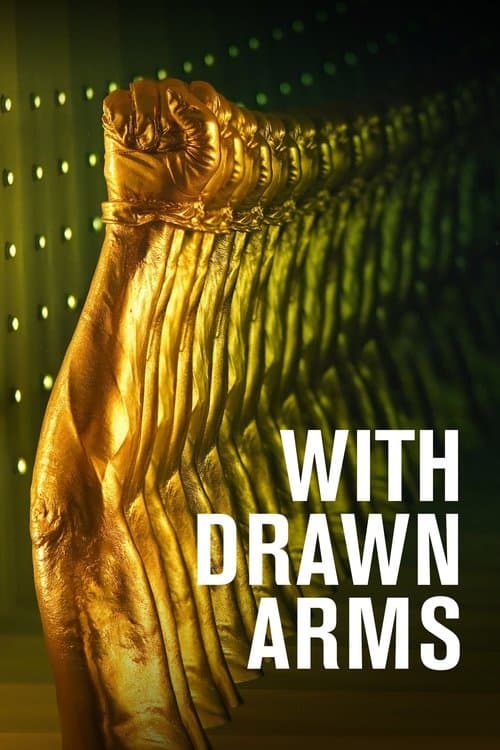
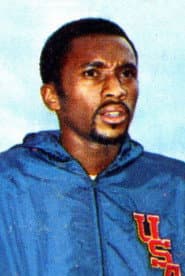
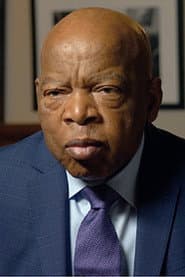
With Drawn Arms tells the story of one of the most consequential gestures in modern American history. On the podium at the 1968 Summer Olympics in Mexico City, as the U.S. national anthem played, two runners—Tommie Smith and John Carlos—raised their fists in a salute that would echo across decades. The film doesn't just document what happened that night. It captures the weight of that moment, the courage it took, and the fallout that followed. You're watching history, but you're also watching two men decide to sacrifice their careers for something they believed in.
The documentary unfolds like a conversation between past and present. It pulls you back to the late 1960s—a time when the Civil Rights Movement was fracturing, when Vietnam was tearing the country apart, and when Black athletes were beginning to ask themselves whether winning medals was enough when their communities were suffering. The film sits with these tensions rather than rushing past them. It's the kind of storytelling that makes you understand not just what happened, but why these men felt they had no choice.
Awards and Recognition for With Drawn Arms
With Drawn Arms arrived in 2020 with real credentials behind it. The documentary earned 1 win and 2 nominations across major awards bodies, establishing itself as a serious, well-regarded piece of cinema rather than a quick streaming curiosity. It carries a TV-14 rating, making it accessible to younger audiences who deserve to know this history. The film's 7.6 IMDb rating (from 94 voters) suggests it's found an audience that respects what it's trying to do—though it hasn't become a massive phenomenon, which says something about how documentaries about protest get distributed and discovered. Movie OTT tracks these kinds of prestige documentaries across multiple platforms, and With Drawn Arms has landed on major OTT services where serious viewers go looking for work like this.
The 83-minute runtime is deceptively lean. Directors could've padded this with talking heads and archival filler—and yes, there's archival footage, plenty of it—but instead they've made something focused and urgent. That brevity matters. It respects your time while refusing to trivialize the subject. The production quality and attention to pacing suggest filmmakers who understood they were handling something sacred: not just history, but the lived experience of two men who paid a price for their conscience.
What Makes With Drawn Arms Stand Out
What's striking is how the film refuses to let this moment feel distant or settled. You might think you know the story—fists up, anthem playing, controversy erupting. But the documentary gets at something deeper: the isolation these men experienced afterward. Smith and Carlos didn't become instant heroes. They became pariahs. They couldn't get jobs. Coaches who'd celebrated them turned away. The Olympic establishment moved to punish them, and much of America—including many white Americans who considered themselves progressive—decided they'd crossed a line.
The film doesn't shy away from the personal cost. It shows how this moment fractured relationships, how it haunted careers, how it took decades for the world to recognize what these athletes had actually done. And that's where the real power lives—not in the gesture itself, which is powerful enough, but in the aftermath, in the silence and rejection that followed. The thing nobody mentions is how lonely protest can be in the moment it happens. You're not a hero yet. You're just someone who did something that made everyone uncomfortable.
There's also a crafted quality to how the film moves through time. It doesn't feel like a Wikipedia entry animated with photos. Instead, it builds momentum, layering voices and perspectives in ways that feel organic rather than constructed. The cinematography of archival material—the way it's color-corrected, the way it breathes on screen—makes 1968 feel immediate and real, not like something locked in a museum.
How to Stream With Drawn Arms Online
You can find With Drawn Arms on major OTT services right now. The exact platforms vary by region and subscription, but the "Where to Watch" widget at the top of this page will show you exactly where it's available in your area—whether that's Netflix, Prime Video, or other major streaming platforms. Documentary films like this one don't always stick around forever, so if you're interested, it's worth checking sooner rather than later. Movie OTT keeps those streaming listings updated in real time, so you'll know instantly if it's available on your current subscriptions.
Frequently asked questions
Q: Is With Drawn Arms based on a true story?
Yes. The film documents the actual 1968 Mexico City Olympics protest by American runners Tommie Smith and John Carlos, one of the most iconic moments in civil rights and sports history. Everything depicted—the medal ceremony, the national anthem, the raised fists—actually happened on October 16, 1968.
Q: Who were Tommie Smith and John Carlos?
Tommie Smith and John Carlos were American sprinters who won medals at the 1968 Summer Olympics. Smith took gold in the 200 meters, and Carlos won bronze. During the medal ceremony, they raised their fists in a Black Power salute to protest racial injustice and inequality in the United States, an act that became one of the most powerful protest images ever captured.
Q: How long is With Drawn Arms?
The documentary runs 83 minutes, a focused runtime that captures the story without excess. It's substantial enough to do justice to the subject while remaining accessible for viewers who want to understand this pivotal moment.
Q: What rating is With Drawn Arms?
With Drawn Arms carries a TV-14 rating, making it appropriate for teenage viewers and up. It's a film that schools and families can watch together, which feels fitting given that understanding this history matters for younger generations.
Q: Did With Drawn Arms win any awards?
Yes. The documentary earned 1 win and 2 nominations at major awards bodies. While it didn't become a mainstream awards juggernaut, the recognition reflects the film's quality and its serious treatment of an important historical subject.
Final Thoughts on With Drawn Arms
This is the kind of documentary that stays with you. Not because it's flashy or manipulative, but because it respects both its subject and its audience. It tells a story about courage and consequence, about the gap between being right and being rewarded for it. In 2024, with ongoing debates about protest, patriotism, and what athletes owe their country, With Drawn Arms feels less like history and more like a mirror. Watch it. You'll understand why those two men raised their fists, and you'll understand what it cost them. That understanding matters.