





The story of Youngju: Survival and the search for answers
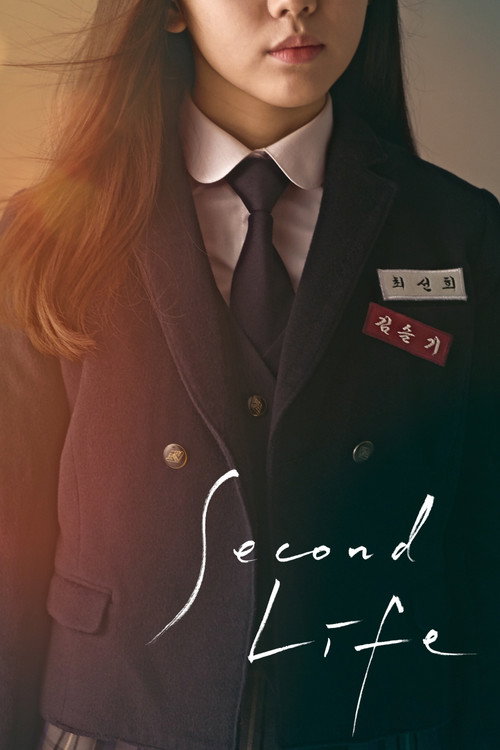
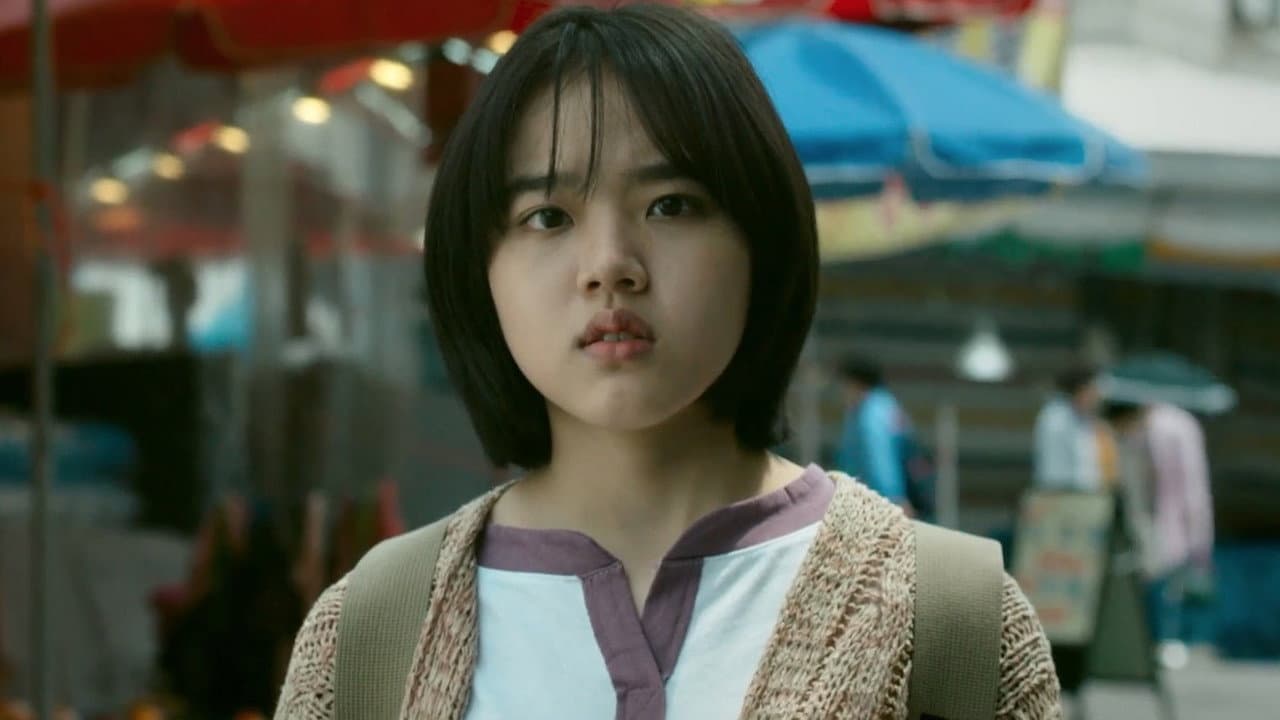
Youngju tells the story of a young woman navigating the aftermath of catastrophic loss. After her parents are killed in a traffic accident, she becomes the sole caregiver for her younger brother—a responsibility that forces her to grow up faster than any teenager should have to. School, friendships, the normal rhythms of adolescence: all of it falls away. What remains is the daily grind of keeping her brother fed, safe, and loved while grief sits in every room of their apartment. But as financial pressures mount and the weight of her situation becomes unbearable, Youngju makes a decision that will define the film: she sets out to visit the person whose actions caused the accident that took her parents from her.
Behind the making of Youngju: Production and the South Korean film landscape
Youngju arrived in 2018 as a production from CGV Arthouse, the art-house division of South Korea's major cinema chain. The film runs 100 minutes, a lean runtime that forces every scene to earn its place. At the time of release, the independent drama landscape in South Korea was thriving—filmmakers were increasingly willing to sit with quiet, character-driven stories rather than chase commercial spectacle. Youngju fits squarely into that tradition. The film carries an IMDb rating of 5.9/10, a score that reflects a divided audience: some viewers found the emotional restraint powerful, while others wanted more dramatic payoff or clearer narrative momentum. That split is telling. This isn't a film designed to please everyone. It's designed to unsettle those willing to sit with it. CGV Arthouse's backing gave the production access to festival circuits and arthouse cinemas across Asia, though Youngju didn't break through to mainstream international recognition. Still, the film's modest budget and focused scope allowed the filmmakers to prioritize performance and atmosphere over production design—a choice that pays dividends.
What makes Youngju stand out: Restraint as a narrative tool
What's striking about Youngju is how little it actually shows you. The opening tragedy—the accident itself—happens offscreen. We don't see the collision, the chaos, the moment everything changed. We only see Youngju afterward, living in its shadow. That choice matters because it forces the audience into her perspective: the accident isn't a spectacle to witness, it's a fact to live with. The film's power doesn't come from melodrama or cathartic outbursts (though there are moments of genuine pain), but from the accumulation of small, unbearable details—the way Youngju checks her brother's homework, the way she counts money she doesn't have, the way she moves through her day with a kind of mechanical exhaustion. I keep coming back to how the film refuses easy sentiment. When Youngju finally meets the perpetrator, the scene doesn't unfold the way revenge narratives usually do. There's no confrontation, no tears, no moral reckoning delivered in a single conversation. Instead, there's something messier and more human: two people sitting across from each other, trying to figure out what forgiveness—or at least coexistence—might look like. The performances ground all of this. The cast carries the weight without showing strain, which is harder than it sounds. Honestly, that restraint is what separates Youngju from dozens of other grief dramas that try to wring maximum emotion from minimum material.
Where to stream Youngju online
Youngju is available on major OTT services, and you can check the where-to-watch widget at the top of this page to see which platform currently has it in your region. Streaming availability shifts regularly, so Movie OTT tracks real-time updates across services to help you find exactly where to watch it. If you're hunting for thoughtful, character-driven cinema that doesn't announce itself loudly, checking your available platforms is worth the effort. The film's quiet power tends to reveal itself best on a smaller screen where you can control the environment—no distractions, just you and Youngju's world.
Frequently asked questions
Q: Is Youngju based on a true story?
The film isn't an adaptation of a specific real event, though its themes of grief, parental loss, and confrontation are universal enough to feel grounded in lived experience. The emotional truth of the story matters more than literal autobiography.
Q: What's the runtime of Youngju?
At 100 minutes, the film is deliberately compact. There's no wasted space—every scene exists to deepen your understanding of Youngju's emotional state or her relationship with her brother.
Q: Who made Youngju?
The film was produced by CGV Arthouse, South Korea's art-house distribution arm, which has championed independent and experimental cinema for years. Movie OTT's database tracks production credits for films like this if you want to explore the director's other work.
Q: Does Youngju have a happy ending?
The film doesn't resolve its central conflict the way conventional drama does. Instead, it offers something more ambiguous—a moment of connection or understanding rather than closure. Whether that feels satisfying depends entirely on what you're looking for.
Q: Why is Youngju's IMDb rating relatively low?
The 5.9/10 score reflects the film's refusal to give audiences conventional dramatic beats. Some viewers find that restraint brilliant; others find it frustrating. It's genuinely divisive cinema.
Final thoughts on Youngju
Youngju isn't the kind of film you'll finish and immediately want to discuss—at least not in the excited, breathless way you might with a thriller or a crowd-pleaser. Instead, it's the kind of film that sits with you. Days later, you'll think about that scene in the apartment, or the look on someone's face, or the question the film leaves unanswered. It demands something from its audience: patience, empathy, a willingness to sit with discomfort. If you're drawn to character studies that trust you to read between the lines, this one's worth tracking down.