Actor
Alec Guinness
8 films on Movie OTT · Active 1948–1984
Alec Guinness was born on April 2, 1914, in Marylebone, London, and spent more than five decades building one of the most technically precise and emotionally varied careers in British cinema. He trained on the stage, working under the influence of John Gielgud in the 1930s, and brought that theatrical discipline into film work that consistently refused easy categorization. He's probably best known to general audiences in two completely different registers — the Ealing comedies of the late 1940s and early 1950s on one hand, and Obi-Wan Kenobi in Star Wars on the other — which tells you something about the range he actually commanded.
About Alec Guinness
Alec Guinness was born on April 2, 1914, in Marylebone, London, and spent more than five decades building one of the most technically precise and emotionally varied careers in British cinema. He trained on the stage, working under the influence of John Gielgud in the 1930s, and brought that theatrical discipline into film work that consistently refused easy categorization. He's probably best known to general audiences in two completely different registers — the Ealing comedies of the late 1940s and early 1950s on one hand, and Obi-Wan Kenobi in Star Wars on the other — which tells you something about the range he actually commanded.
The film that defined his early screen reputation was Kind Hearts and Coronets (1949), where he played eight members of the same aristocratic family, each one dispatched by the scheming Dennis Price. What's striking is how little he repeats himself across those eight performances — the military uncle, the suffragette aunt, the pompous admiral — each drawn with enough specificity that you don't feel you're watching a showreel. It's a film built around a technical stunt, and he makes it feel like character work. His Academy Award win came later, for The Bridge on the River Kwai (1957), where David Lean directed him as Colonel Nicholson, a British officer whose rigid sense of duty curdles, slowly and almost imperceptibly, into something that looks uncomfortably like collaboration. That performance earned him the Oscar for Best Actor at the 1958 ceremony, and it remains the kind of work that rewards a second viewing more than a first.
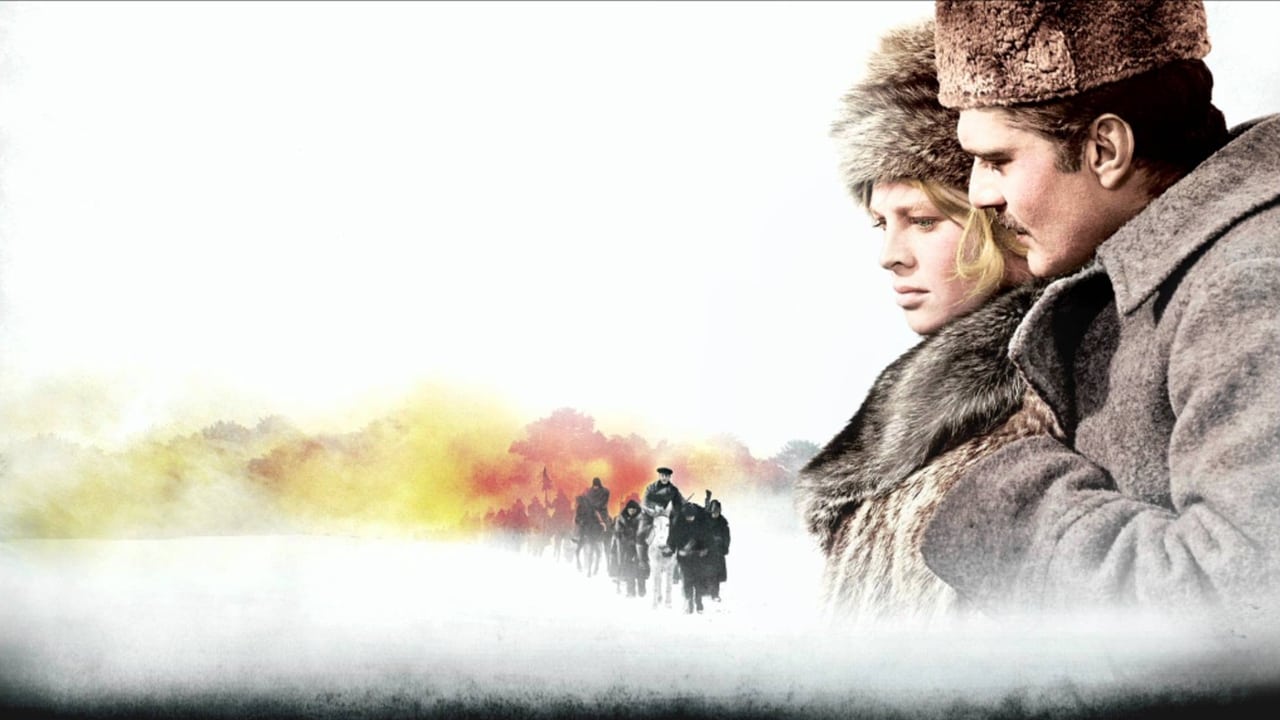
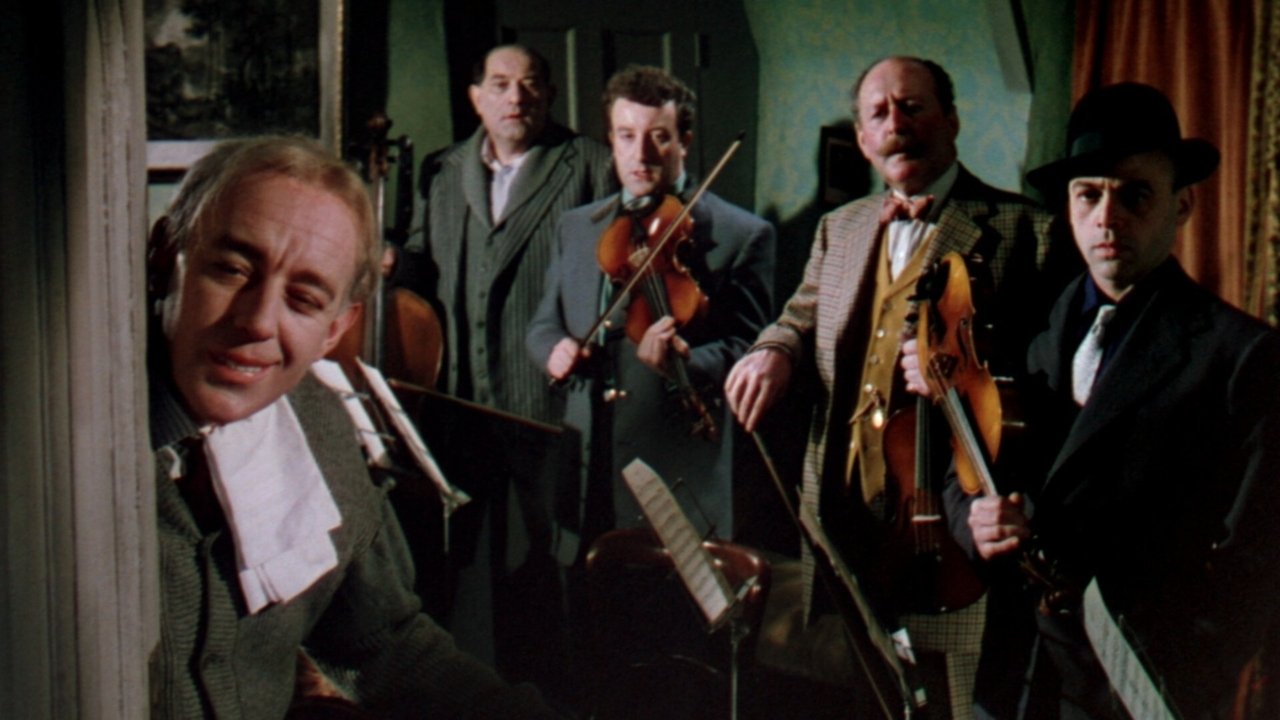
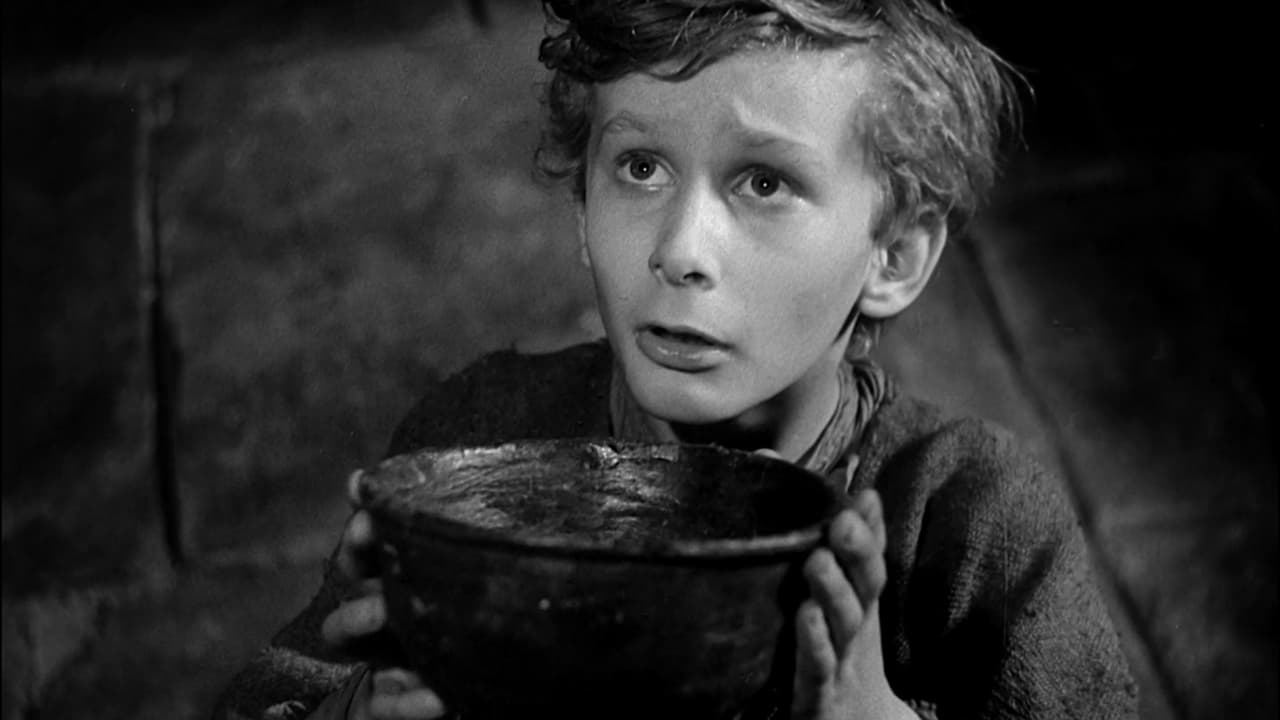
His collaborations with David Lean shaped a significant stretch of his career — Lawrence of Arabia (1962) and Doctor Zhivago (1965) both featured him in supporting roles that he inhabited with a quietness that kept them from being overshadowed by the films' scale. He didn't need the foreground. That's a discipline most screen actors don't develop, or can't. He moved between comedy and drama without treating either as a lesser form, and the Ealing years — The Lavender Hill Mob (1951), The Man in the White Suit (1951) — showed a gift for deadpan that the more serious work sometimes obscured. Hard to say if audiences ever fully reconciled the two versions of him, or whether that ambiguity was part of the point.
By the 1980s, Guinness was taking on work that suited a different kind of gravity. His appearance in A Passage to India (1984) — again directed by David Lean, their final collaboration — placed him in the role of Professor Godbole, the enigmatic Brahmin whose detachment from the central crisis of the film functions almost as a philosophical counterweight to the colonial anxieties driving the plot. It's a small role in terms of screen time, but Godbole has a presence that lingers (the scene where he sings, apparently oblivious to the chaos unfolding around him, is one of the film's stranger and more memorable passages). Lean trusted him with that kind of restraint, and Guinness delivered it without making the character feel like an affectation.
He received a knighthood in 1959, and the British film industry treated him, by the later decades of his career, with the kind of institutional respect that can sometimes calcify into mere reverence. But the actual work doesn't calcify — it holds up. The performances in the Lean films, the Ealing comedies, and the quieter television work he took on in his later years all share a quality that's genuinely hard to name. Not warmth, exactly. More like precision in the service of something human. He died in August 2000, having left behind a filmography that spans enough genres and tones that no single role quite contains him.
Currently streaming
2 of 8 on platforms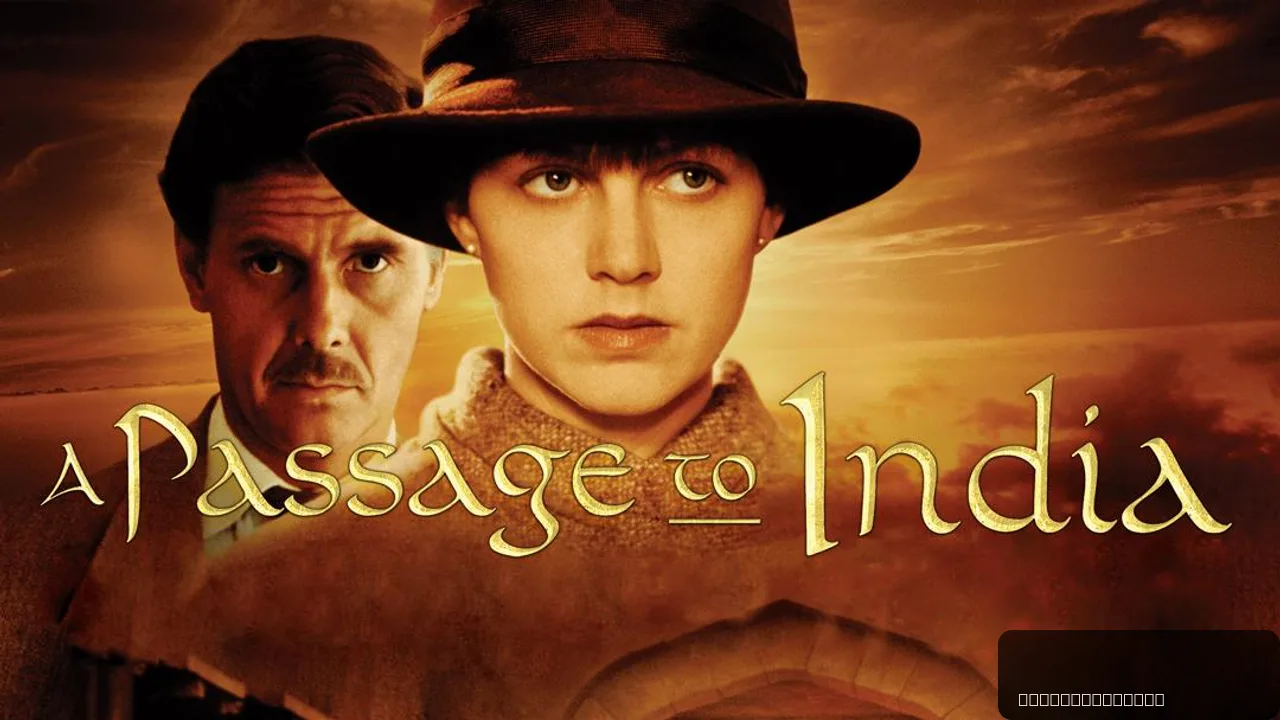

Filmography

Frequently asked questions
When and where was Alec Guinness born?
Alec Guinness was born 1914-04-02 in Marylebone, London, England, UK.
What films is Alec Guinness known for?
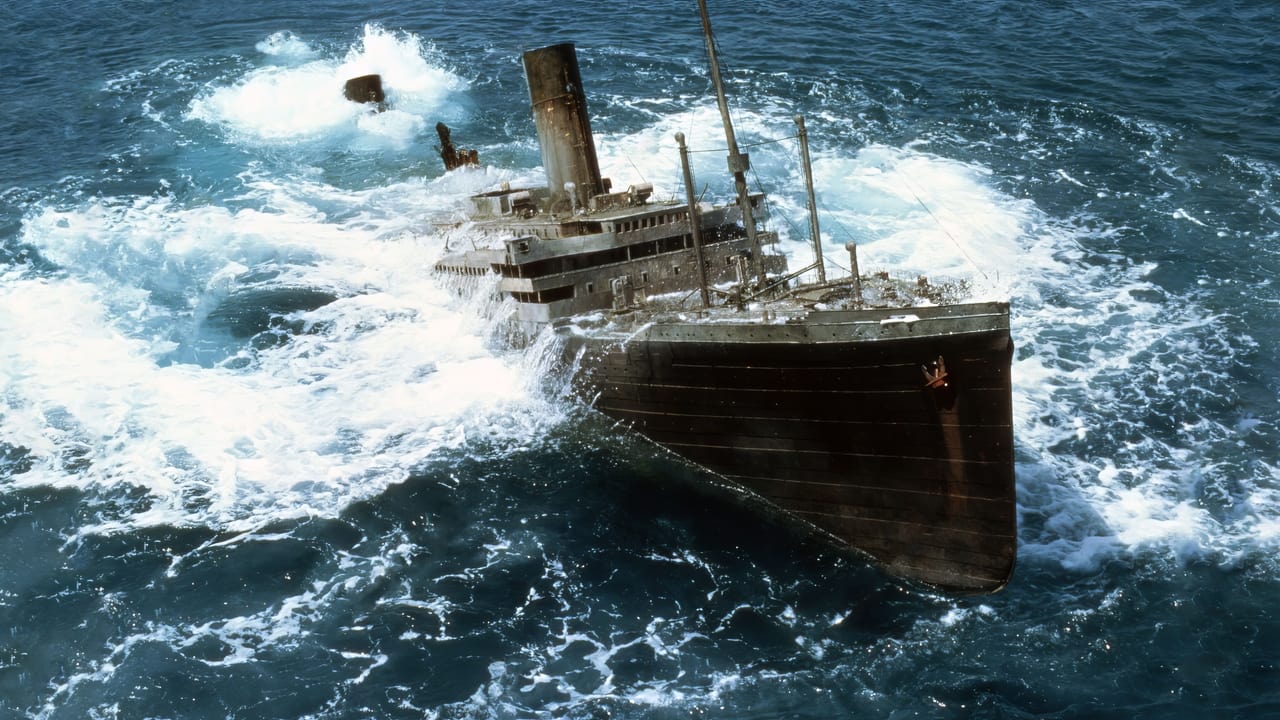
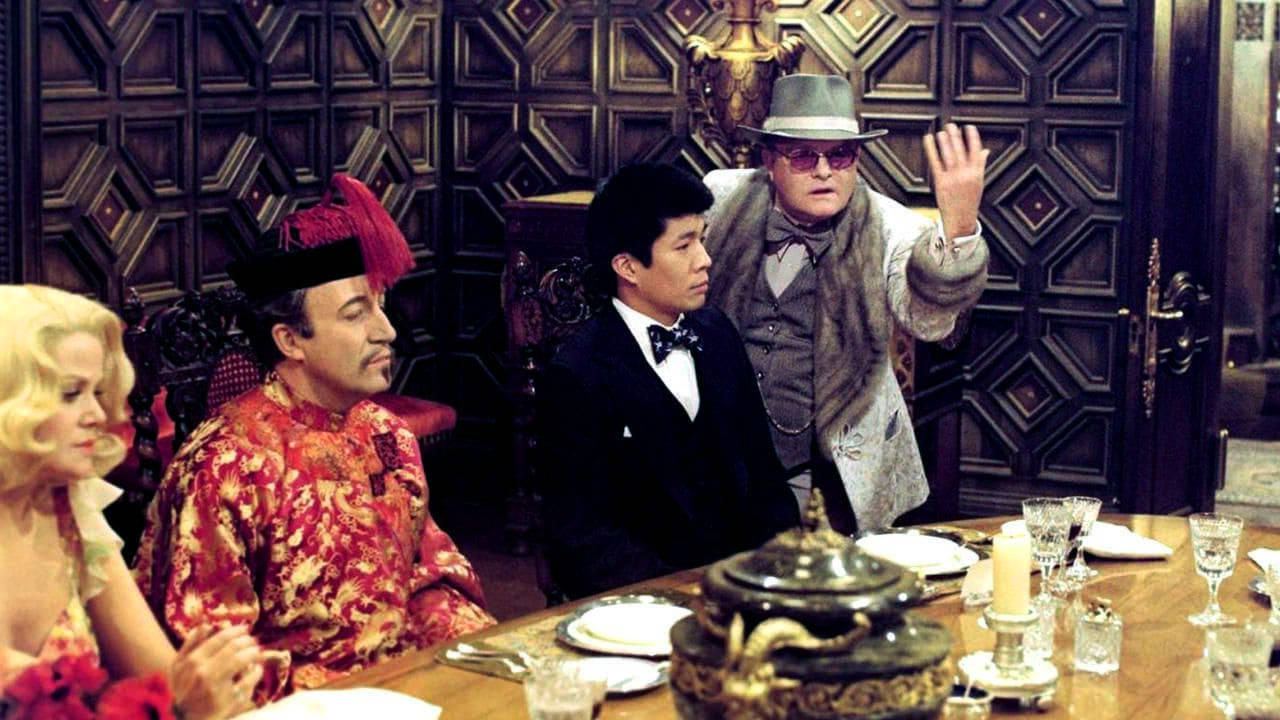
Alec Guinness has 8 titles indexed on Movie OTT, including A Passage to India, Raise the Titanic, Murder by Death.
Where can I watch Alec Guinness's films?
2 of Alec Guinness's films are currently streaming, available on Prime Video, BATTLEZONE Amazon Channel, Molotov TV, Moviedome Plus Amazon Channel.
How long has Alec Guinness been active?
Alec Guinness's film career on Movie OTT spans from 1948 to 1984 — 36 years of work.