




The story of The Fall of the Roman Empire
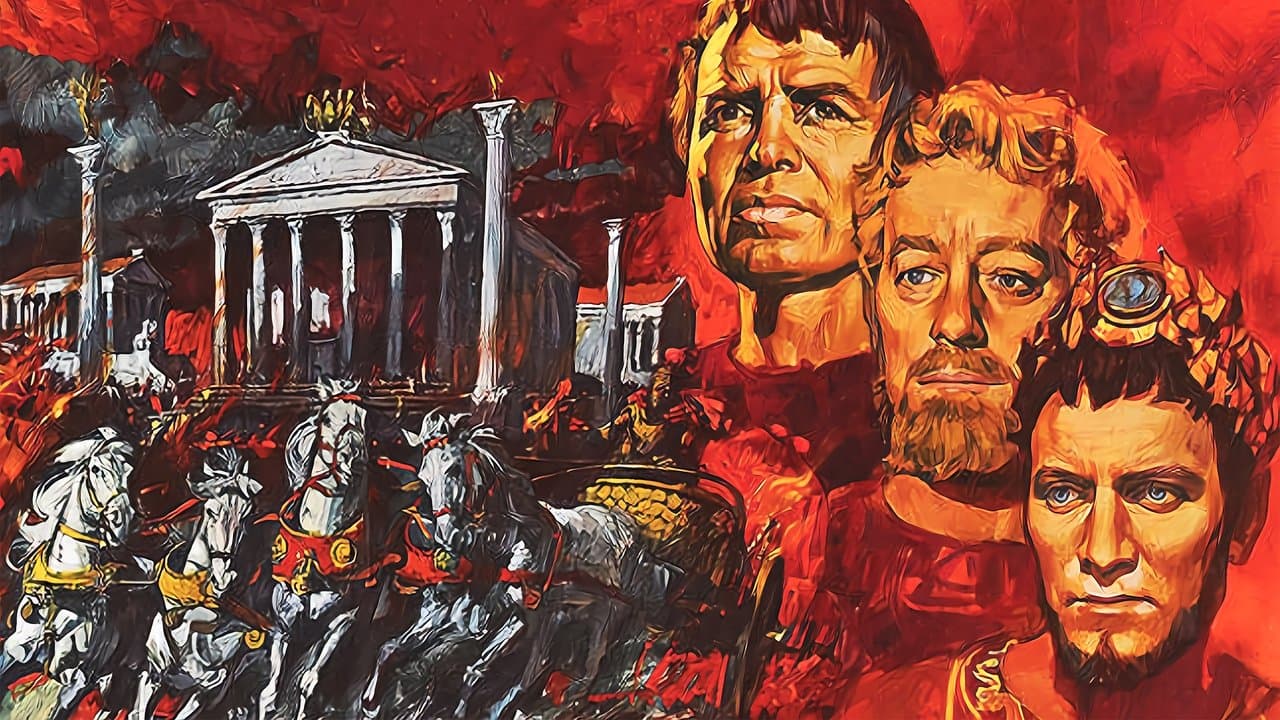
The Fall of the Roman Empire opens in 180 A.D. at the frozen frontiers of the Germanic territories, where Emperor Marcus Aurelius (Alec Guinness) confronts a crisis that'll define his final days. Barbarian tribes mass at Rome's borders—a genuine existential threat—but the emperor's real dilemma is far more intimate. He's dying, and he knows it. His son Commodus (Christopher Plummer) burns with an almost pathological hunger for power, the kind that makes you worry what he'll do once he wears the purple. Meanwhile, there's Gaius Livius (Stephen Boyd), the emperor's childhood friend and most trusted military commander, a man of genuine principle and restraint. Marcus Aurelius faces an impossible choice: hand the empire to his blood heir, or entrust it to the man he trusts most. That central tension—duty to family versus duty to Rome itself—drives the entire narrative, and it's never resolved cleanly.
What makes this conflict burn is that nobody's simply evil. Commodus isn't a cartoon villain; he's a man corrupted by proximity to absolute power, shaped by a father who's always been distant, always been elsewhere. Livius doesn't scheme for the throne; he's reluctant, almost trapped by his own integrity. The film asks: Can an empire survive when its best people refuse to lead it? That's the question that'll haunt every frame.
Behind the making of The Fall of the Roman Empire
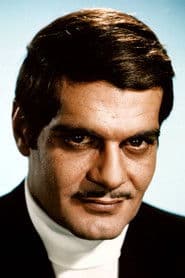
The Fall of the Roman Empire arrived in 1964 as a Samuel Bronston production distributed by Paramount Pictures—and Bronston was Hollywood's go-to producer for historical epics that didn't skimp on scale. Director Anthony Mann, fresh from his success with El Cid, commanded a cast that reads like a who's-who of 1960s cinema: Sophia Loren as Lucilla (the emperor's daughter), James Mason as a scheming senator, Omar Sharif in a supporting role, and the incomparable Christopher Plummer. The screenplay came from Ben Barzman, Basilio Franchina, and Philip Yordan—three writers wrestling with how to make ancient political philosophy feel urgent to modern audiences.
The production was ambitious in every measurable way. At 188 minutes, it's not a film you watch casually; it demands real time and attention. The runtime reflects Mann's belief that you can't rush the collapse of civilization. Bronston's team built massive sets, coordinated thousands of extras, and shot across multiple locations to capture both the grandeur and decay of Rome. The film premiered to respectable box-office numbers, though it didn't become the blockbuster phenomenon that some of Bronston's other epics achieved. Critics and audiences on Movie OTT and other streaming platforms have since reassessed it—what once seemed slow now reads as deliberately paced, almost meditative. The IMDb rating of 6.5/10 reflects a film that divides viewers: some find it tedious, others see it as tragically underrated. That split tells you something important: The Fall of the Roman Empire isn't trying to please everyone.
What makes The Fall of the Roman Empire stand out
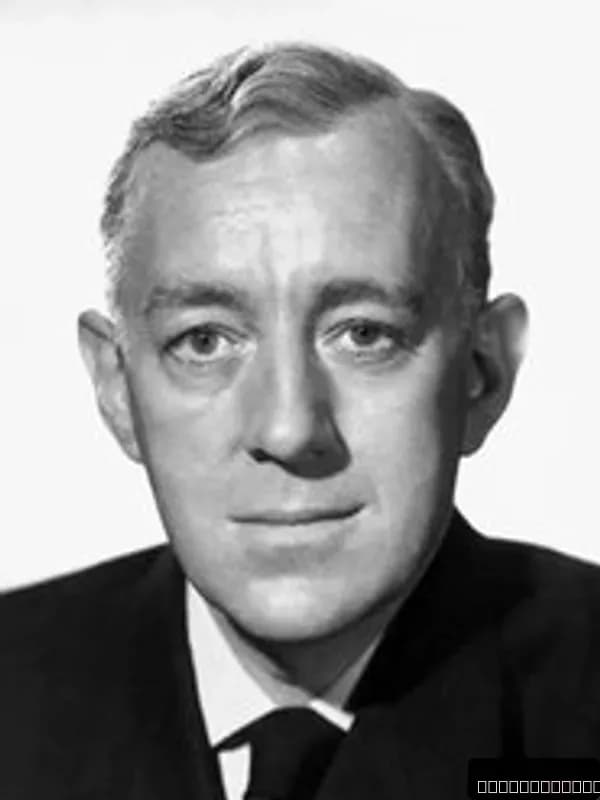
Here's what's striking about this film: it's genuinely interested in ideas. Not just spectacle, not just battles (though there are those). It's wrestling with how empires rot from the inside, how good intentions can pave roads to tyranny, how the people best suited to lead are often the ones least willing to do it. Alec Guinness brings a weathered melancholy to Marcus Aurelius—he's not a warrior-king barking orders, he's a philosopher-emperor exhausted by the weight of history. You see it in his face during those crucial scenes where he realizes his son is beyond reach, beyond redemption. That's restraint as a performance choice.
Christopher Plummer, meanwhile, makes Commodus fascinatingly unstable. He's not ranting; he's wheedling, manipulating, swinging between charm and cruelty in ways that feel uncomfortably human. The thing nobody mentions is how much the film trusts its audience to sit with moral ambiguity. Livius isn't a white-hat hero—he's complicit in ways that'll become clear only if you're paying attention. Sophia Loren holds her own against the male-dominated cast, though the script gives her less to do than she deserves. The cinematography captures Rome as both magnificent and doomed, all marble and shadow. Mann understood that empires look most beautiful just before they crack.
What's striking is that the film doesn't shy away from showing how corruption spreads. It's not one bad emperor; it's a system that rewards the ruthless and punishes the virtuous. That's a bleak thesis for a 1964 blockbuster, which might explain why audiences weren't always ready for it. Movie OTT's streaming availability has introduced this film to a new generation who can watch it without the expectations that weighed on 1960s viewers—and that context shift matters.
Where to stream The Fall of the Roman Empire online
The Fall of the Roman Empire is currently available on major OTT services, and the where-to-watch widget at the top of this page will show you exactly which platforms are carrying it in your region right now. Streaming rights shift constantly, so it's worth checking that widget before you start watching—nothing's worse than settling in for a 188-minute epic only to hit a paywall. Since the film demands real attention and a solid block of time, you'll want to make sure you're watching on a platform where you can pick it up and put it down without losing access. Movie OTT tracks current streaming availability across all major services, so you'll know where to find it whenever you're ready to commit to this particular journey through the dying days of Rome.
Frequently asked questions
Q: Who directed The Fall of the Roman Empire?
Anthony Mann directed the film. Mann was known for his ambitious historical epics, and The Fall of the Roman Empire showcases his ability to balance grand spectacle with intimate character drama. He brings a philosophical depth to what could've been a purely action-driven narrative.
Q: What year was The Fall of the Roman Empire released?
The film came out in 1964. It was produced by Samuel Bronston Productions and distributed by Paramount Pictures, arriving during a golden age of historical epics in Hollywood.
Q: How long is The Fall of the Roman Empire?
The film runs 188 minutes—just over three hours. That substantial runtime allows Mann to develop his characters and themes without rushing, though it's definitely not a casual watch.
Q: Is The Fall of the Roman Empire based on a true story?
The film is inspired by real historical events and figures, particularly the reign of Marcus Aurelius and the succession crisis involving his son Commodus. However, it's a dramatized interpretation that takes creative liberties for narrative purposes rather than a strict historical account.
Q: Who stars in The Fall of the Roman Empire?
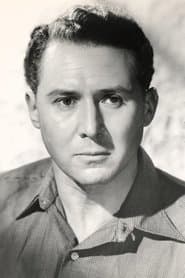
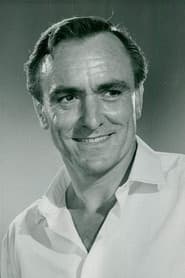
The cast includes Alec Guinness as Marcus Aurelius, Christopher Plummer as Commodus, Stephen Boyd as Gaius Livius, Sophia Loren, James Mason, Omar Sharif, and Mel Ferrer. It's an ensemble of major 1960s talent.
Final thoughts on The Fall of the Roman Empire
The Fall of the Roman Empire won't work for everyone—it's too slow for some, too talky for others, and it doesn't deliver the clear moral victories that audiences often crave. But if you're willing to sit with a film that's genuinely interested in how power corrupts, how dynasties collapse, and how the best intentions can lead to catastrophe, there's something here that'll stay with you long after the credits roll. It's a film that trusts its viewers, and that's increasingly rare. Don't skip it just because the runtime intimidates you. Give it the time it asks for, and you might find yourself thinking about Marcus Aurelius's impossible choice for weeks afterward.