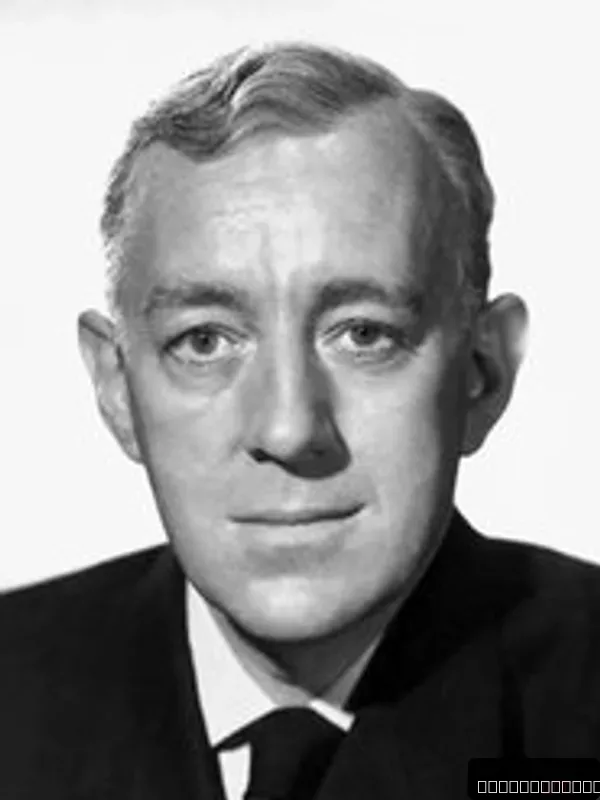
Filmmaker
David Lean
4 films on Movie OTT · 4 as director · Active 1948–1984
David Lean was a British film director born on 25 March 1908 in Croydon, Surrey, who spent roughly four decades reshaping what English-language cinema could look like at scale. He started in the industry as a tea boy at Gaumont Studios in the late 1920s, worked his way up through editing — and it's that editing background that never quite left his sensibility, even when he was directing sprawling epics across three continents. He's best known for a run of large-format films in the 1950s and 1960s that still set the standard for what people mean when they say a movie looks "cinematic."
About David Lean
David Lean was a British film director born on 25 March 1908 in Croydon, Surrey, who spent roughly four decades reshaping what English-language cinema could look like at scale. He started in the industry as a tea boy at Gaumont Studios in the late 1920s, worked his way up through editing — and it's that editing background that never quite left his sensibility, even when he was directing sprawling epics across three continents. He's best known for a run of large-format films in the 1950s and 1960s that still set the standard for what people mean when they say a movie looks "cinematic."
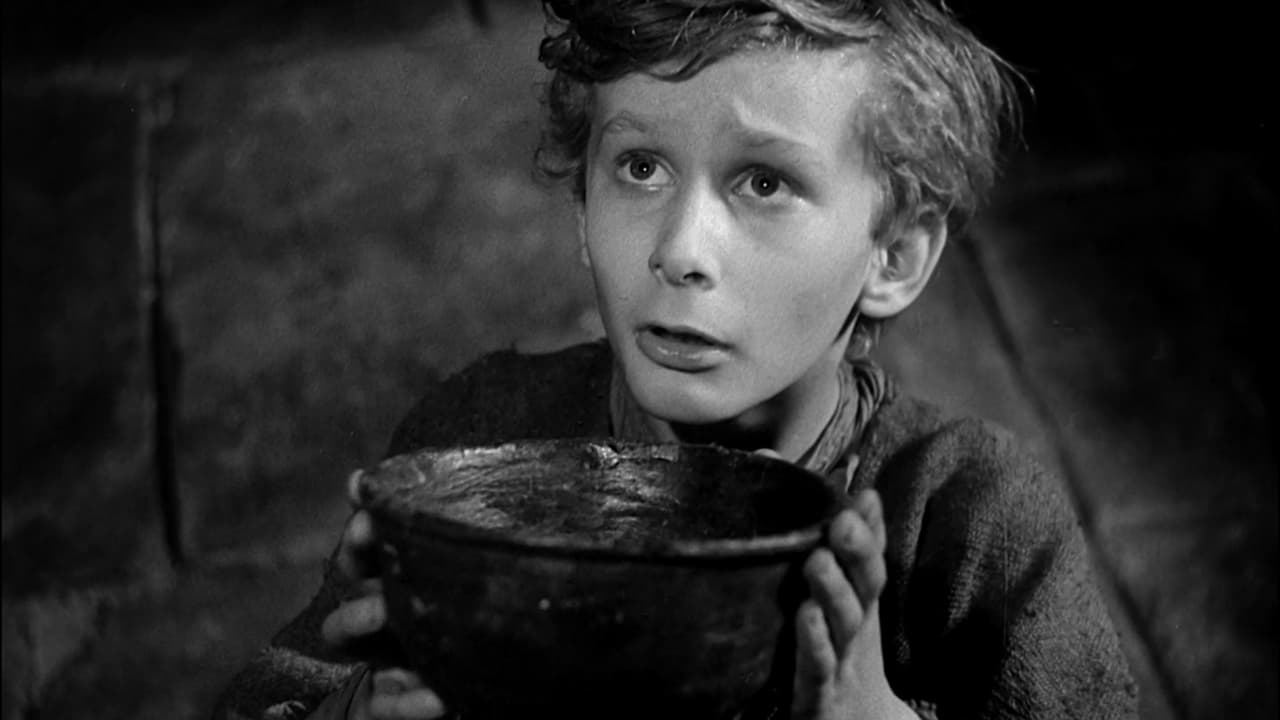
The defining stretch came fast and hard. Brief Encounter in 1945 — intimate, restrained, shot mostly in a railway station — showed he could work in close emotional register. Then came the Oliver Twist and Great Expectations adaptations, both precise and visually inventive in ways that owed everything to his editing instincts. But the real pivot was The Bridge on the River Kwai in 1957, which won seven Academy Awards including Best Picture and Best Director, and announced that Lean could hold a massive production together without losing the human thread. Lawrence of Arabia followed in 1962 — 216 minutes, shot largely in Jordan and Spain, and the film that most people think of first when his name comes up. The desert sequences alone (that heat-shimmer shot of Omar Sharif approaching on camelback is one of the most discussed single shots in film history) demonstrated a patience with landscape that nobody else in commercial cinema was attempting at that scale.
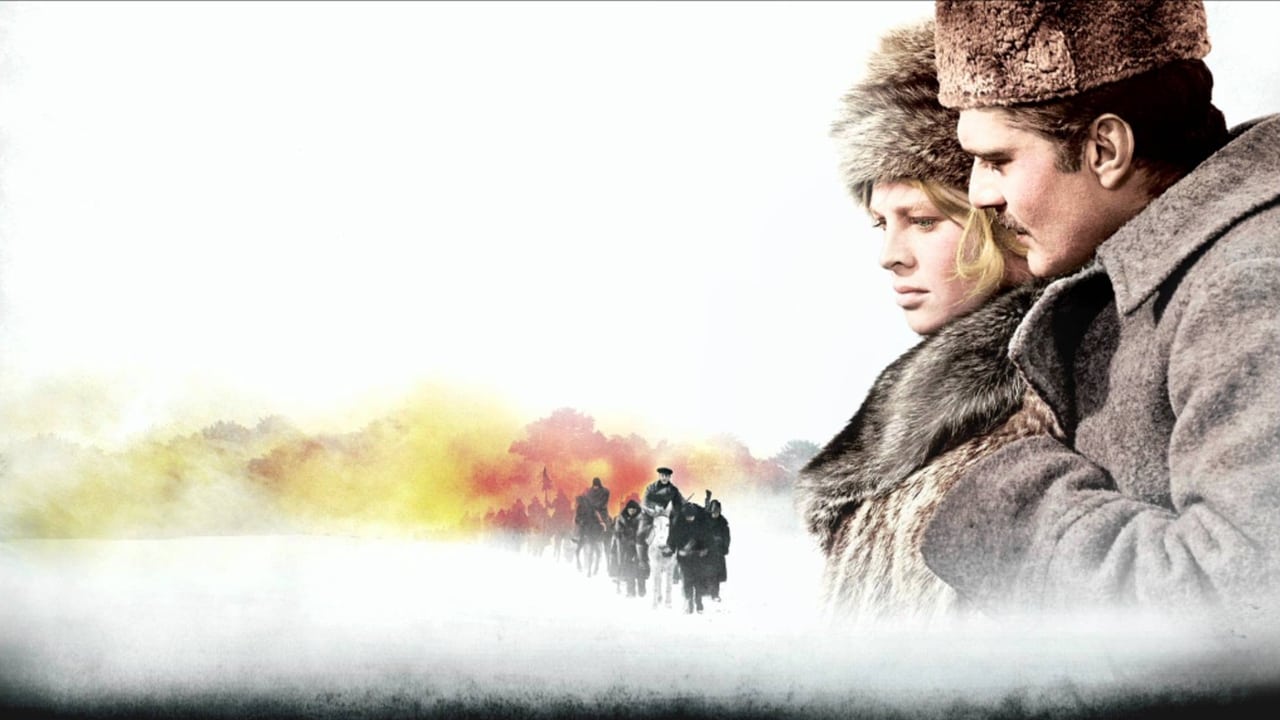
What's striking is how consistently Lean worked with the same small circle of collaborators across very different material. Robert Bolt wrote the screenplays for Lawrence of Arabia, Doctor Zhivago, and Ryan's Daughter, and that partnership shaped the literary ambition of Lean's middle period in ways that are hard to separate from the films themselves. Cinematographer Freddie Young shot all three of those Bolt collaborations, and the visual grammar they developed together — wide, still frames, natural light pushed to its limit — became something like Lean's signature. The themes don't vary much either: isolated individuals caught between duty and desire, landscapes that don't care what the characters want, the cost of romantic idealism. Doctor Zhivago in 1965 made an enormous amount of money (it's still one of the highest-grossing films of all time when adjusted for inflation) even as critics were divided on whether it matched Lawrence's discipline.
After Ryan's Daughter in 1970 received a punishing critical reception — some of it personal enough that Lean didn't direct another feature for fourteen years — he returned with A Passage to India in 1984. The film, adapted from E.M. Forster's novel, follows the trial of an Indian doctor accused of assaulting a British woman during a visit to the Marabar Caves, and it carries the full weight of Lean's late style: unhurried, visually meticulous, more interested in what isn't said than in plot mechanics. Hard to say if the long gap between films sharpened his attention to performance or simply gave him distance from the commercial pressures that had inflated some of his earlier work, but A Passage to India feels leaner (the word is unavoidable) than Doctor Zhivago. It earned fourteen BAFTA nominations and won two Academy Awards, and it remains the last completed film in his career.
Lean was working on an adaptation of Joseph Conrad's Nostromo when he died in April 1991, a project that had occupied him through most of the 1980s alongside A Passage to India. He didn't finish it. That gap — between the ambition he still clearly had and the films that didn't get made — is probably the most interesting thing about his final decade. A director who could take Forster's most structurally resistant novel and turn it into a coherent, emotionally grounded film at age 75 wasn't running out of capability. He just ran out of time.
Currently streaming
2 of 4 on platforms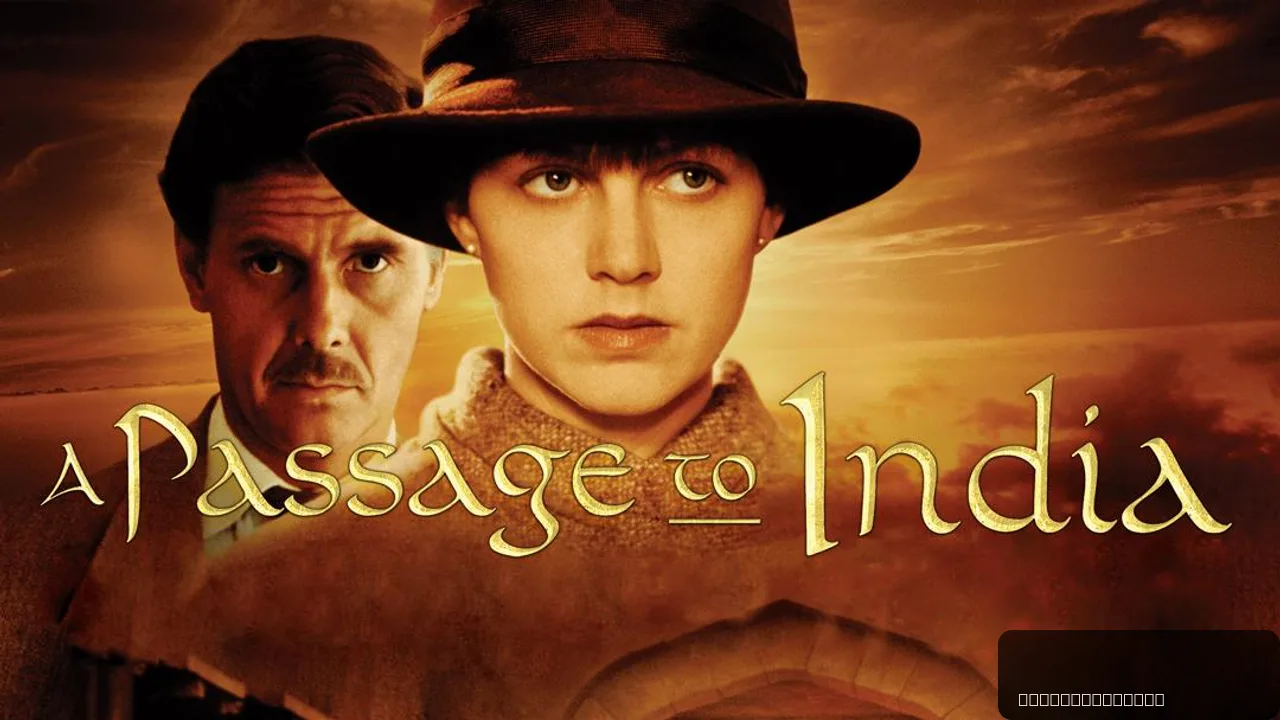

Filmography
Frequently asked questions
When and where was David Lean born?
David Lean was born 1908-03-25 in Croydon, Surrey, England, UK.
What films is David Lean known for?
David Lean has 4 titles indexed on Movie OTT, including A Passage to India, Doctor Zhivago, Lawrence of Arabia.
Where can I watch David Lean's films?
2 of David Lean's films are currently streaming, available on Prime Video, BATTLEZONE Amazon Channel, Molotov TV, Moviedome Plus Amazon Channel.
Has David Lean directed any films?
Yes — David Lean has 4 directorial credits indexed on Movie OTT.
How long has David Lean been active?
David Lean's film career on Movie OTT spans from 1948 to 1984 — 36 years of work.