Actor
George Segal
13 films on Movie OTT · Active 1965–2014
George Segal spent roughly five decades working in Hollywood as one of the more reliably watchable actors of his generation — not a star in the blockbuster sense, but the kind of performer directors kept calling because he made difficult material feel effortless. Born on February 13, 1934, in Great Neck, Long Island, he came up through the New York theater world before landing in film during the early 1960s, a period when American cinema was hungry for actors who could carry psychological weight without telegraphing it. He's best known for the stretch of work he did from the mid-1960s through the late 1970s, when he occupied a particular niche — the smart, slightly neurotic everyman who doesn't quite fit the world he's been handed.
About George Segal
George Segal spent roughly five decades working in Hollywood as one of the more reliably watchable actors of his generation — not a star in the blockbuster sense, but the kind of performer directors kept calling because he made difficult material feel effortless. Born on February 13, 1934, in Great Neck, Long Island, he came up through the New York theater world before landing in film during the early 1960s, a period when American cinema was hungry for actors who could carry psychological weight without telegraphing it. He's best known for the stretch of work he did from the mid-1960s through the late 1970s, when he occupied a particular niche — the smart, slightly neurotic everyman who doesn't quite fit the world he's been handed.
What set Segal apart in his breakthrough years was a kind of comic unease that didn't read as comedy until you were already laughing. His Oscar-nominated turn in Who's Afraid of Virginia Woolf? (1966) — opposite Elizabeth Taylor and Richard Burton, which is not exactly a low-pressure environment — showed that he could hold the screen against two of the most forceful performers of that era without disappearing. That performance put him in a different category. The years that followed brought films like The Owl and the Pussycat (1970), where his chemistry with Barbra Streisand generated the sort of friction that actually works on screen, and Blume in Love (1973), Paul Mazursky's underrated examination of a man who can't stop wanting what he's already lost. That film, honestly, might be the one I keep coming back to when I think about what Segal was capable of — there's a scene where his character shows up at his ex-wife's apartment with no real plan and no real excuse, and it lands because Segal plays it without judgment or self-pity.
He worked across genres without any obvious grand strategy — thrillers, comedies, character studies — and collaborated with directors who valued actors willing to stay in the mess of a scene rather than clean it up for the audience. Paul Mazursky used him more than once, which makes sense. Mazursky's films tend to need actors who can play failure with a straight face. Segal also had a real feel for material that sat at the edge of genre without fully committing to one mode, which made him suited to the morally complicated films of the 1970s in a way that not every actor of his generation managed.
Born to Win (1971) sits in that territory — a film about a junkie hustler in New York City that doesn't really glamorize its subject but doesn't moralize either, and Segal's performance holds that tension. It's not a comfortable film. Carbon Copy (1981) came a decade later and moved in a different direction, a social comedy about a businessman whose life gets upended by the unexpected arrival of a son he didn't know he had. The film has a sharp premise and Segal handles the tonal shifts without making it feel like two different movies stitched together. Hard to say if Carbon Copy got the attention it deserved on release — it was the kind of film that found its audience gradually.
The thing nobody mentions is how consistent Segal's work rate was across decades that saw plenty of his contemporaries fade out or narrow into self-parody. He moved into television later in his career, most visibly with The Goldbergs, where he played the grandfather Albert "Pops" Solomon from 2013 until his death in March 2021. It's a different register from Who's Afraid of Virginia Woolf? — sitcom warmth rather than psychological pressure — but he brought something real to it, and the show ran long enough that a whole generation knows him from that role first. A career that spans both of those things. Not everyone manages it.
Currently streaming
4 of 13 on platformsFilmography
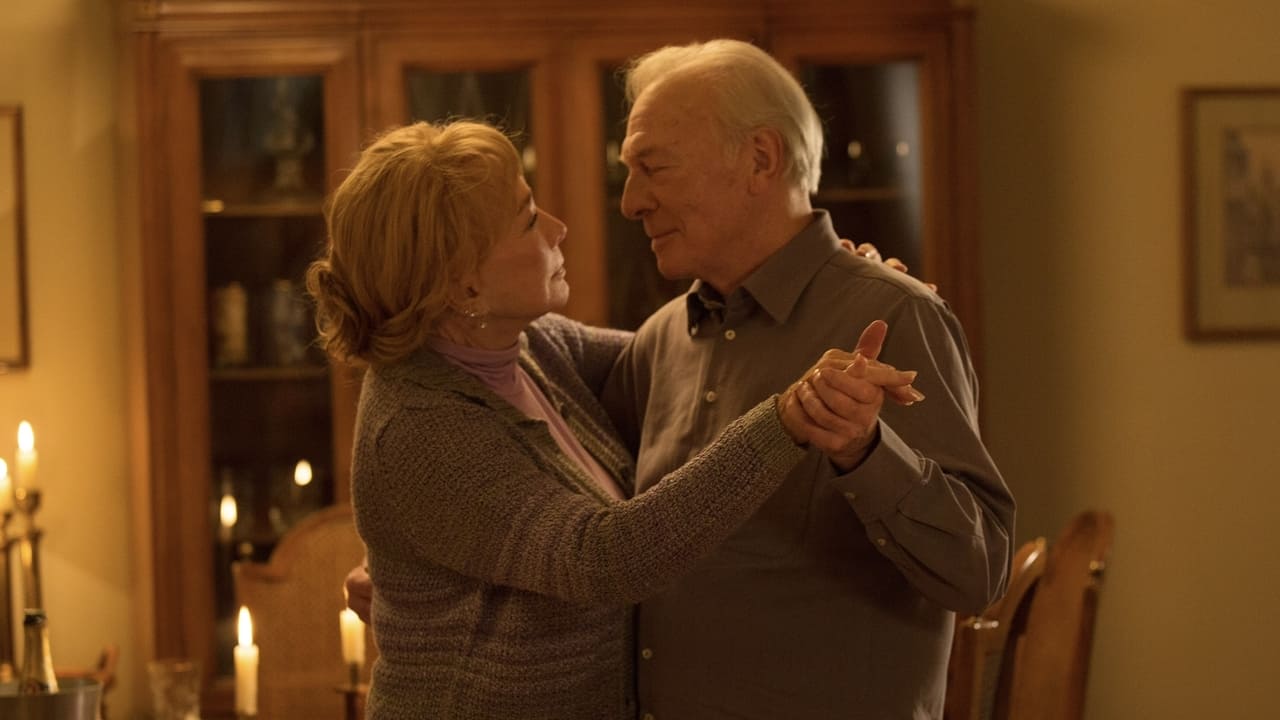
Elsa & Fred
2014 · John
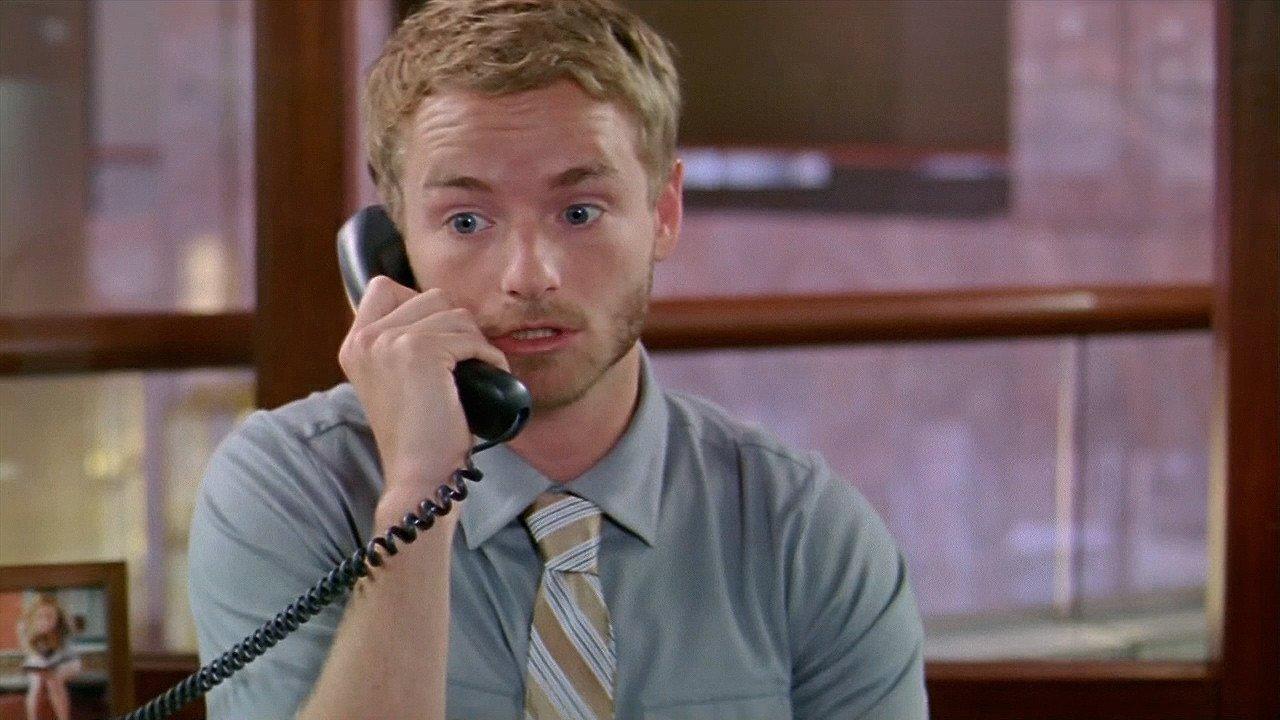
Made for Each Other
2009 · Mr. Jacobs
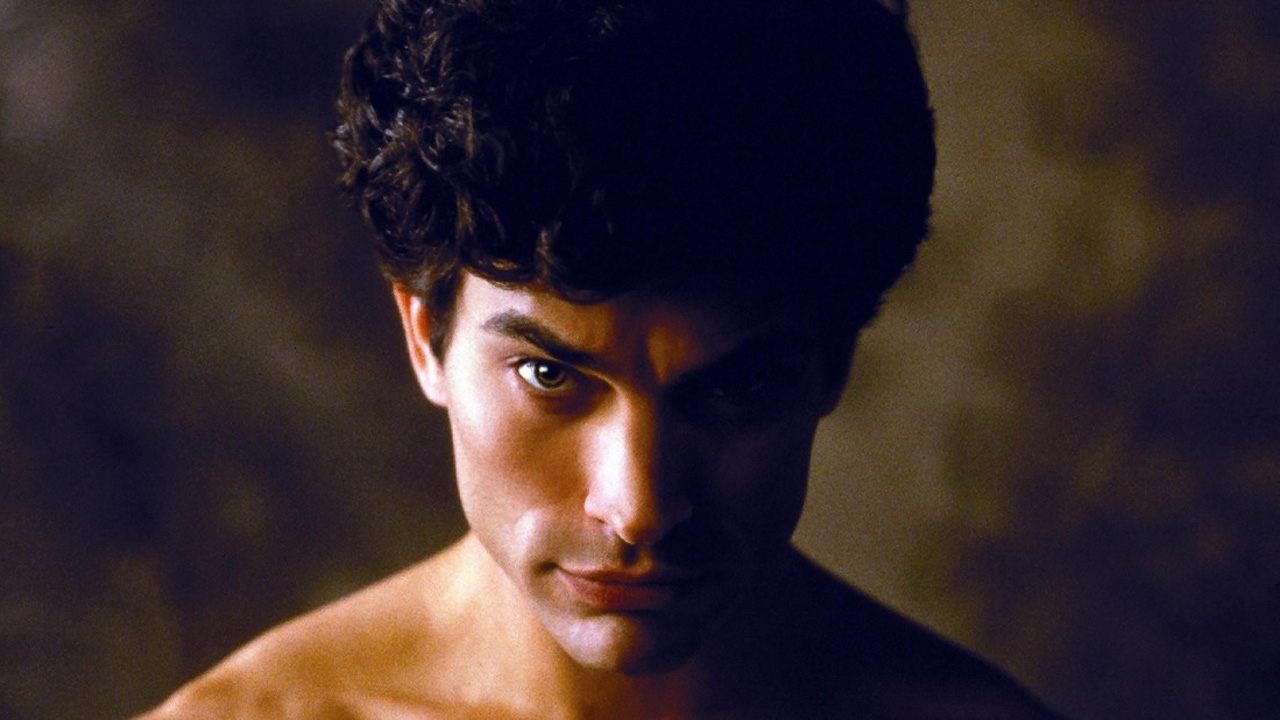
Houdini
1998 · Beck

The Babysitter
1995 · Cast
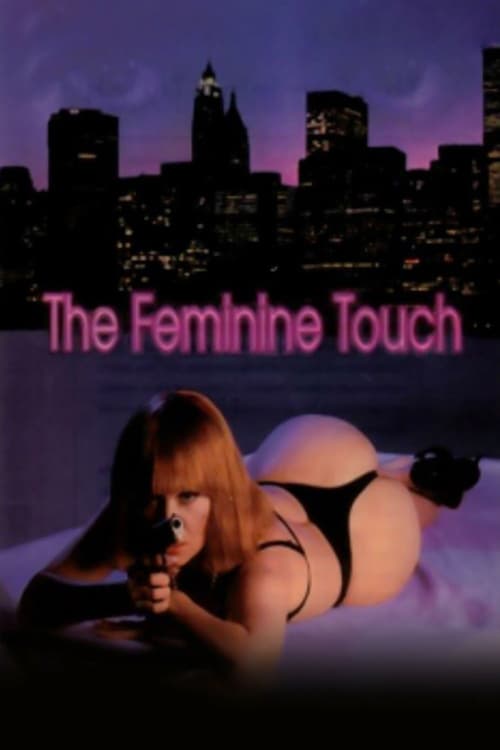
The Feminine Touch
1995 · Sen. Beau Ashton
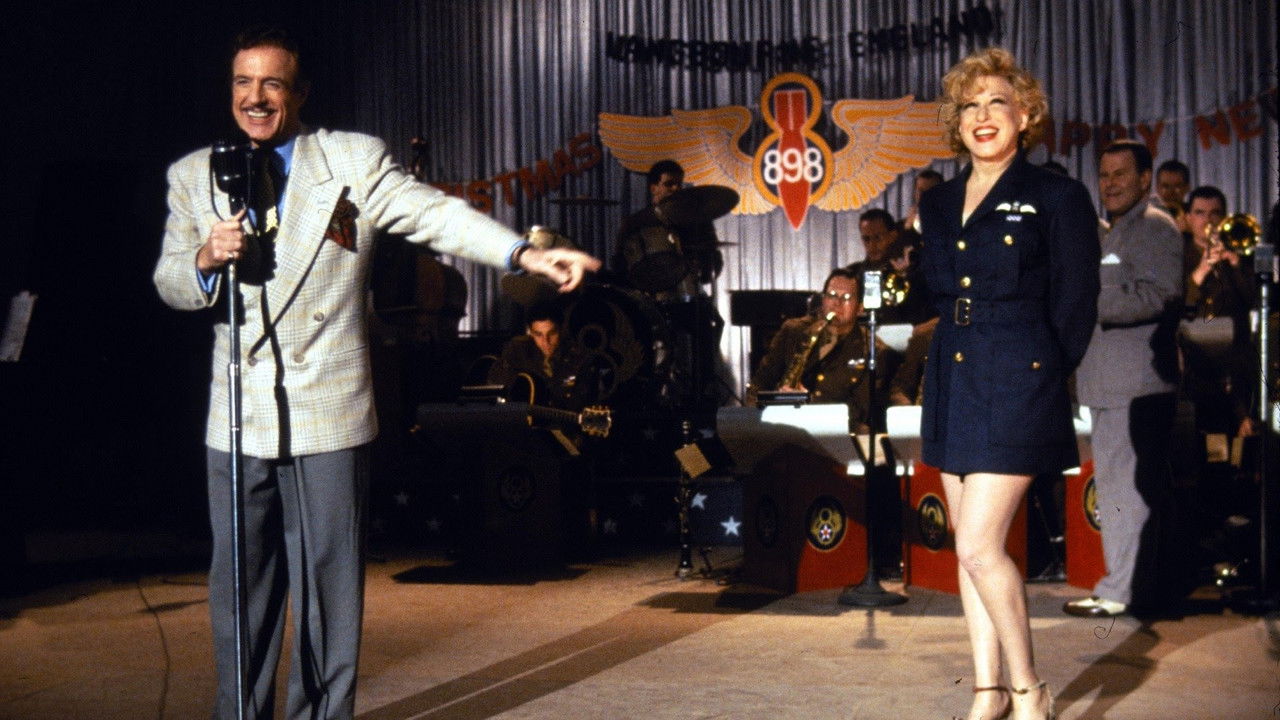
For the Boys
1991 · Art Silver
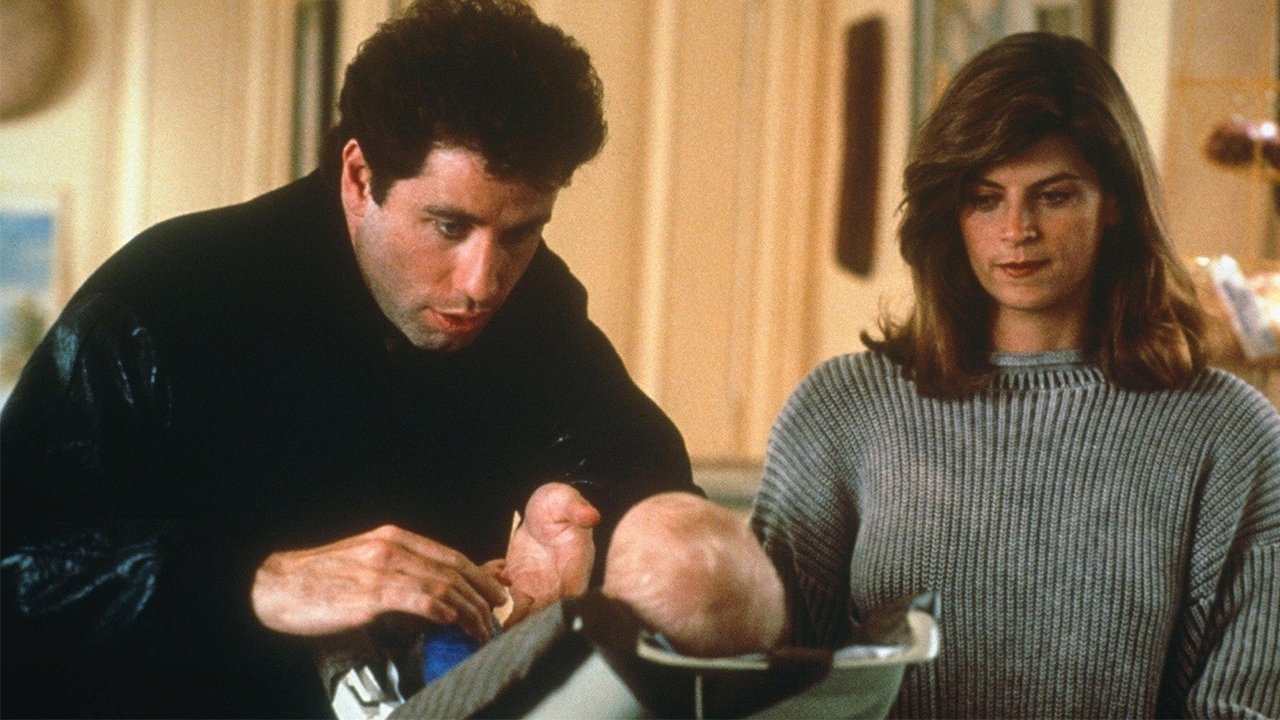
Look Who's Talking
1989 · Albert
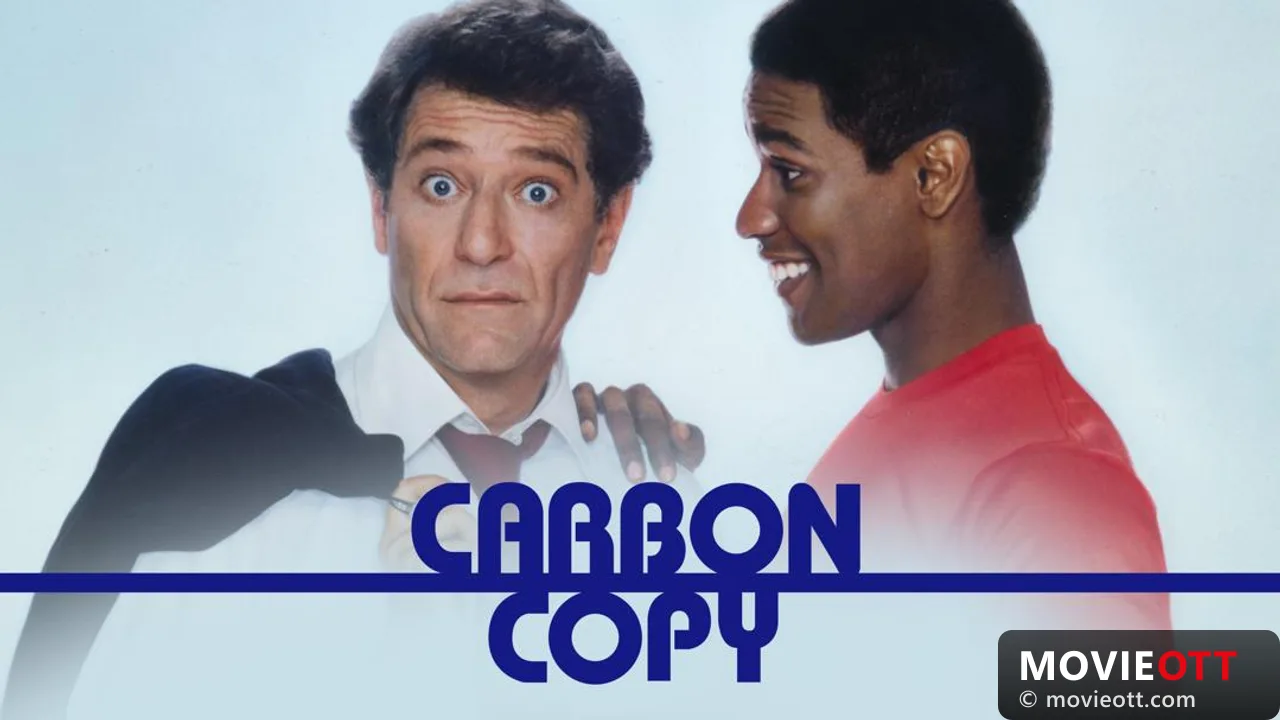
Carbon Copy
1981 · Cast
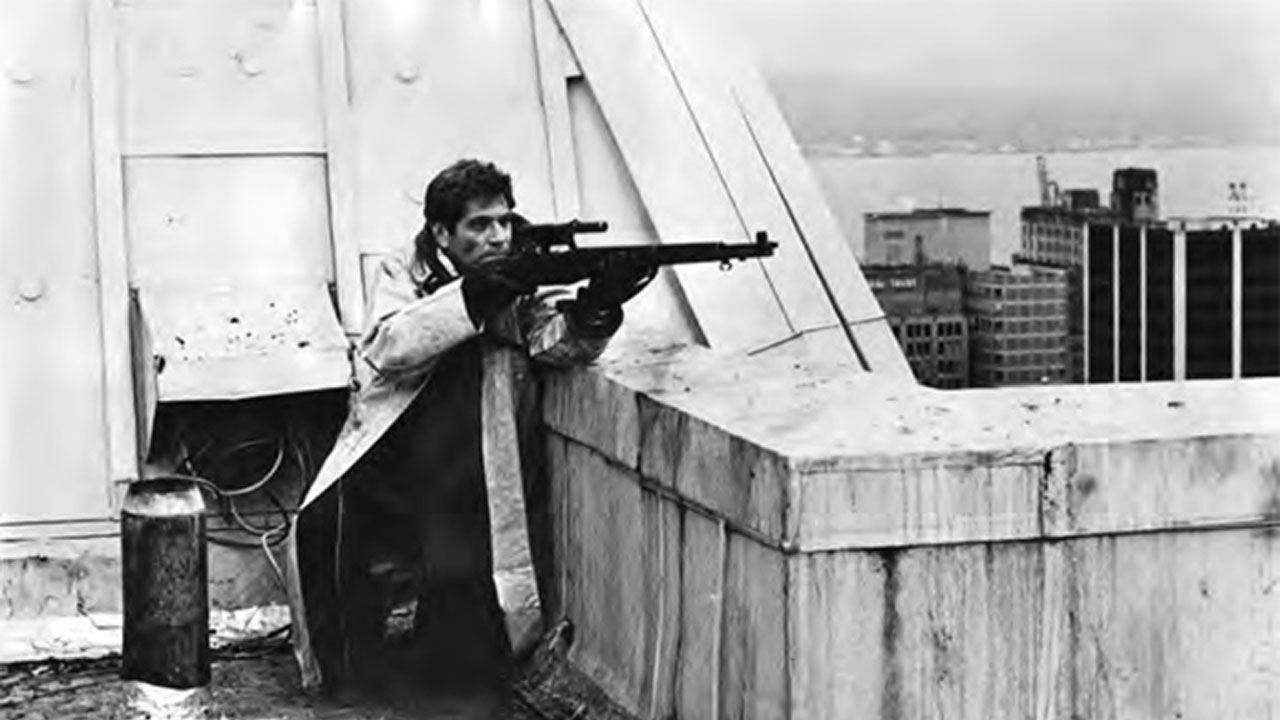
Russian Roulette
1975 · Tim Shaver
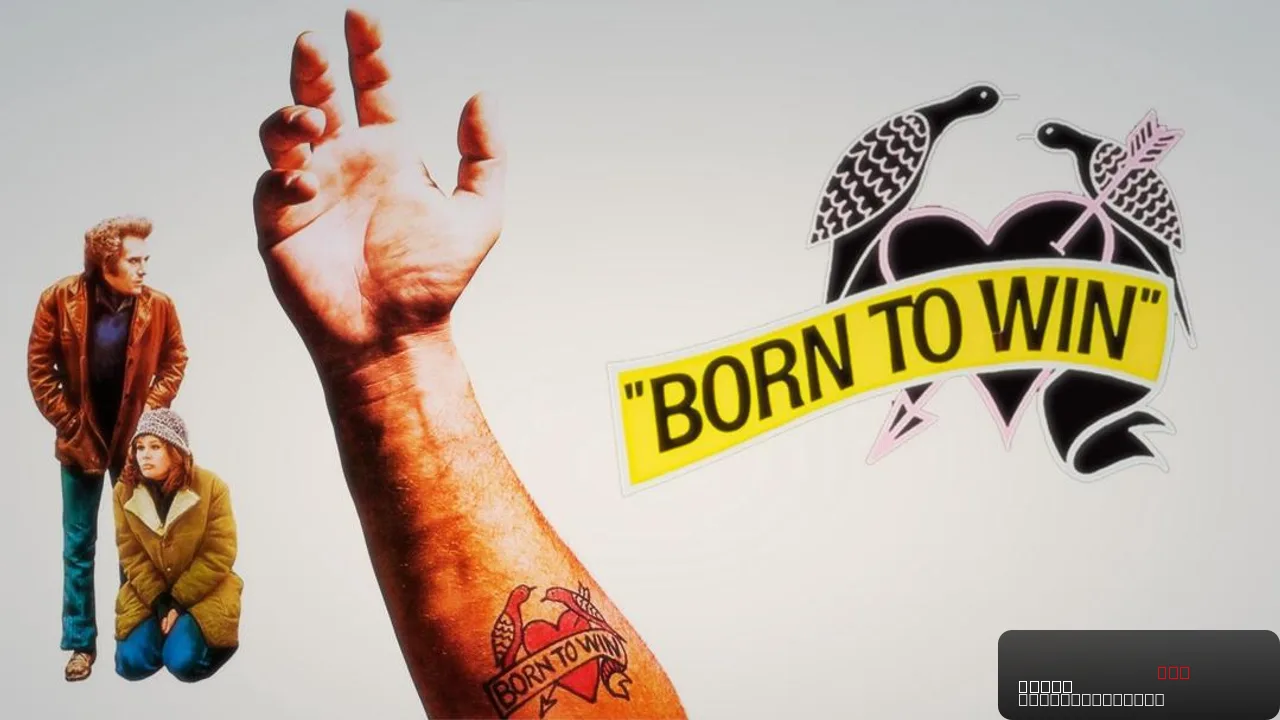
Born to Win
1971 · Cast
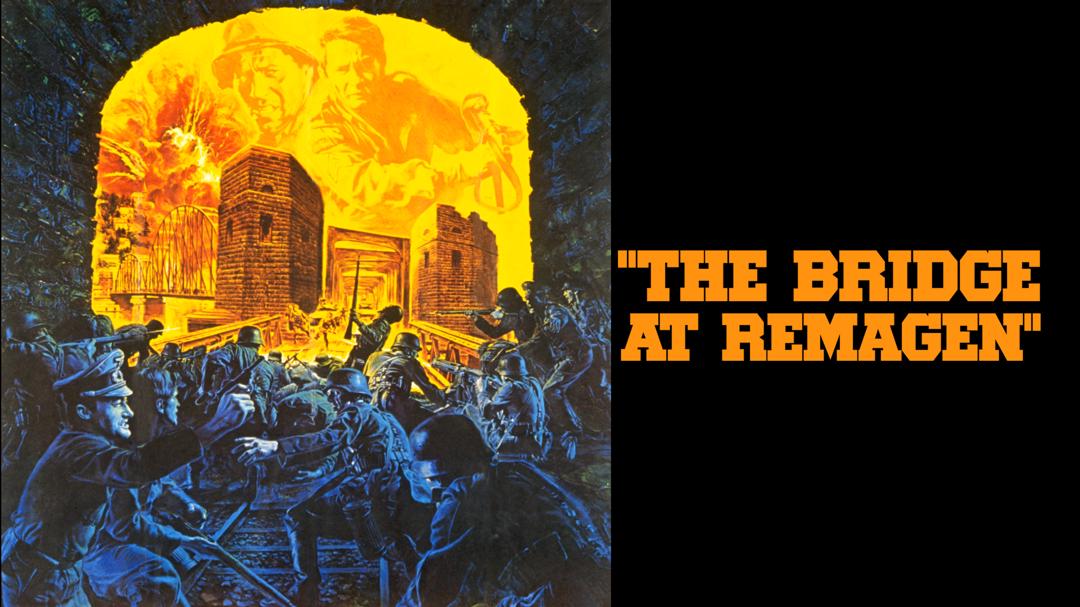
The Bridge at Remagen
1969 · Cast
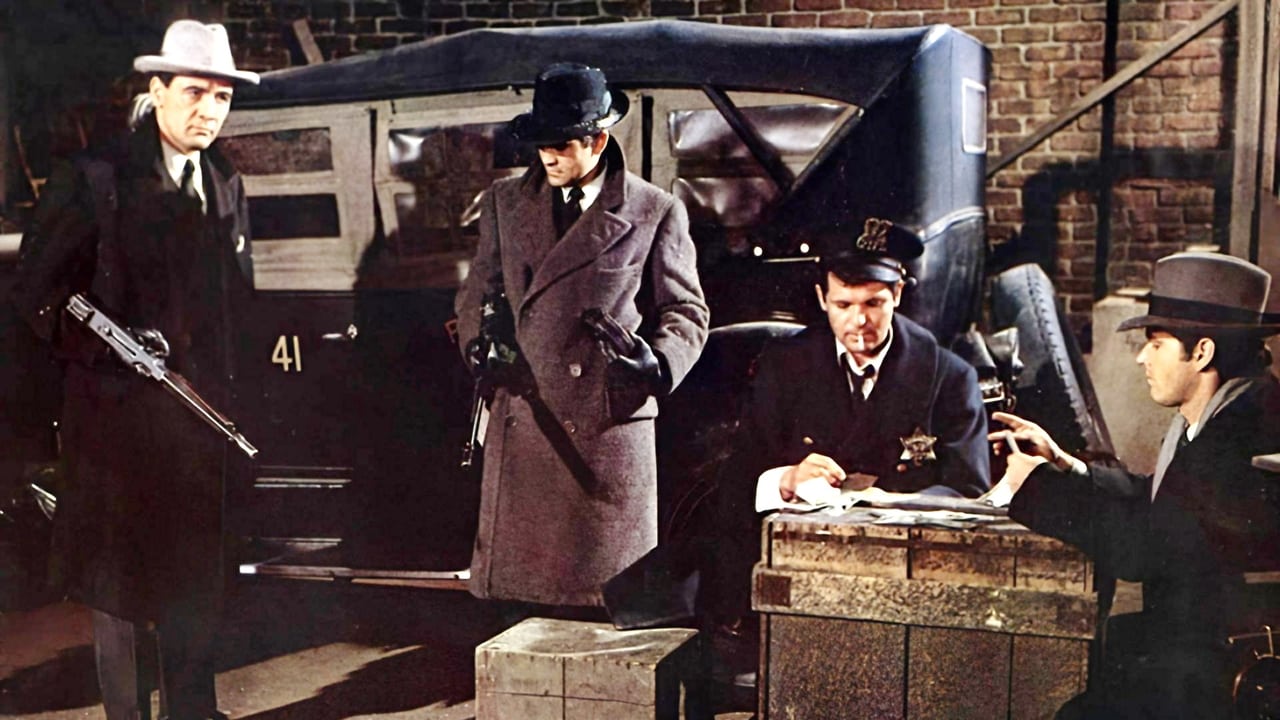
The St. Valentine's Day Massacre
1967 · Peter Gusenberg
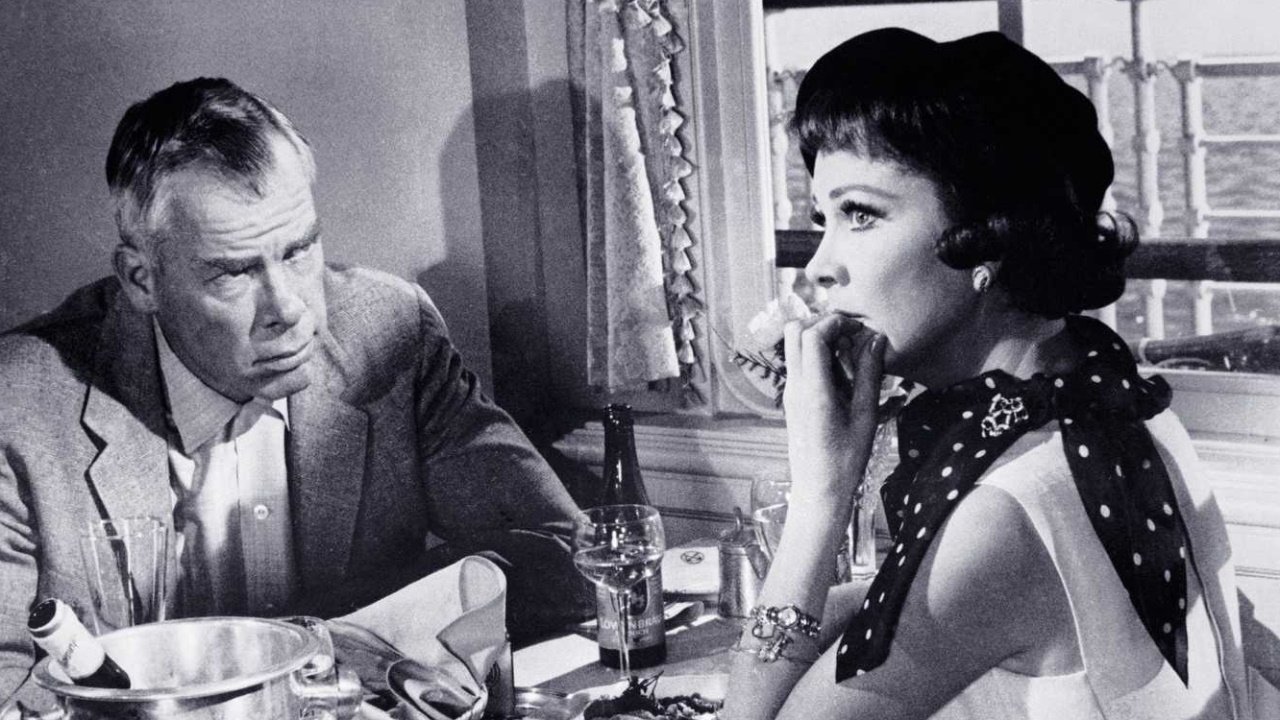
Ship of Fools
1965 · David
Frequently asked questions
When and where was George Segal born?
George Segal was born 1934-02-13 in Great Neck, Long Island, New York, USA.
What films is George Segal known for?
George Segal has 13 titles indexed on Movie OTT, including Elsa & Fred, Made for Each Other, Houdini.
Where can I watch George Segal's films?
4 of George Segal's films are currently streaming, available on Netflix, Prime Video.
How long has George Segal been active?
George Segal's film career on Movie OTT spans from 1965 to 2014 — 49 years of work.