Actor
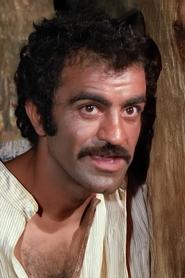
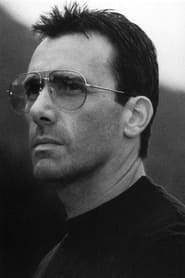
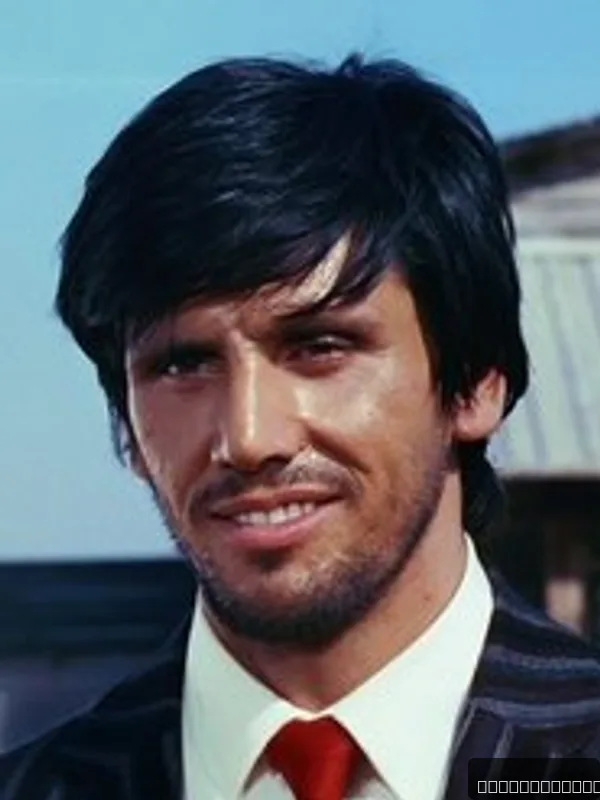
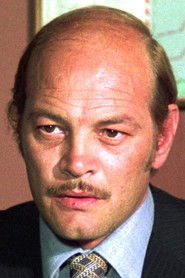
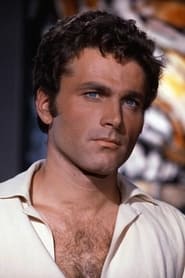
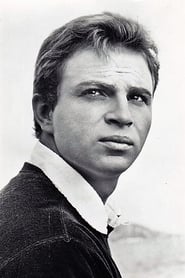
Giancarlo Prete
20 films on Movie OTT · Active 1971–1989
Giancarlo Prete — Roman-born, restless, and genuinely hard to pin down — spent roughly three decades moving between stunt work, acting, teaching, and dubbing in ways that don't fit neatly into any single career narrative. Born February 5, 1943, in Rome, he started out doing the physical work that most actors avoid: stunt performance (Wikipedia). That grounding in bodies and risk probably shaped the kind of actor he became. He eventually enrolled at Alessandro Fersen's acting school, a formative step that he'd later circle back to as a teacher himself — which is, honestly, a detail that doesn't get mentioned enough when people write about him.
About Giancarlo Prete
Giancarlo Prete — Roman-born, restless, and genuinely hard to pin down — spent roughly three decades moving between stunt work, acting, teaching, and dubbing in ways that don't fit neatly into any single career narrative. Born February 5, 1943, in Rome, he started out doing the physical work that most actors avoid: stunt performance (Wikipedia). That grounding in bodies and risk probably shaped the kind of actor he became. He eventually enrolled at Alessandro Fersen's acting school, a formative step that he'd later circle back to as a teacher himself — which is, honestly, a detail that doesn't get mentioned enough when people write about him.
What's striking is how often Prete operated under aliases. Timothy Brent and Philip Garner weren't just occasional pseudonyms; they were working identities he used across films and television, which makes a complete filmography genuinely tricky to assemble (TMDB). His screen credits span Italian genre cinema of the late 1960s through the 1980s, including Warriors of the Wasteland (1983), Escape from the Bronx (1983), and the big-budget Hollywood production Ladyhawke (1985) — that last one a real outlier in his résumé, a fantasy film with Richard Donner directing and a cast that included Rutger Hauer and Michelle Pfeiffer (Wikipedia).
He transitioned toward television and dubbing direction in his later years, and died on March 9, 2001, in Rome, from a brain tumor, at 58 (TMDB). A career that's easier to feel than to summarize.
Currently streaming
1 of 20 on platformsEarly life & background
Giancarlo Prete was born on February 5, 1943, in Rome, Italy (TMDB). Before pursuing formal acting training, he worked in the film industry as a stuntman — a background that set him apart from actors who came up through more conventional theatrical routes. He later attended Alessandro Fersen's acting school in Rome, a training ground that clearly left a lasting impression: Prete eventually returned to the school not as a student but as a teacher (Wikipedia). Details about his family of origin, early education before Fersen's school, or his childhood in Rome aren't well-documented in available sources, so those threads remain open.
Career
Personal life
Prete was married to Elizabeth Jacinto (TMDB). The couple had a son, Alessandro Prete, who followed his father into acting — a second-generation connection to the industry that's worth noting (Wikipedia). Prete died on March 9, 2001, in Rome, from a brain tumor, at the age of 58 (TMDB). Beyond these details, his private life isn't extensively documented in publicly available sources.
Cite this page
For Wikipedia, journalism, or academic references — copy the citation below:
Movie OTT. "Giancarlo Prete." Accessed Sep 19, 2026. https://movieott.com/talent/giancarlo-preteCross-references: Wikipedia
Last updated July 3, 2026 · Sources: tmdb+wikipedia+perplexity+tmdb-credits+ai-claude
Filmography
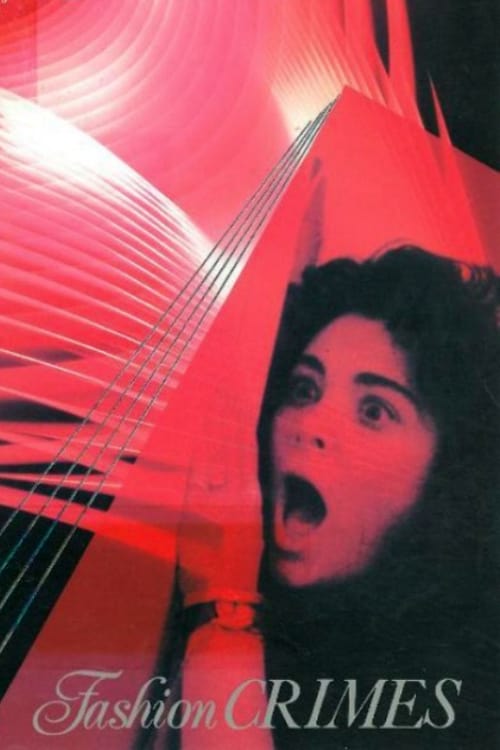
Fashion Crimes
1989 · Giorgio
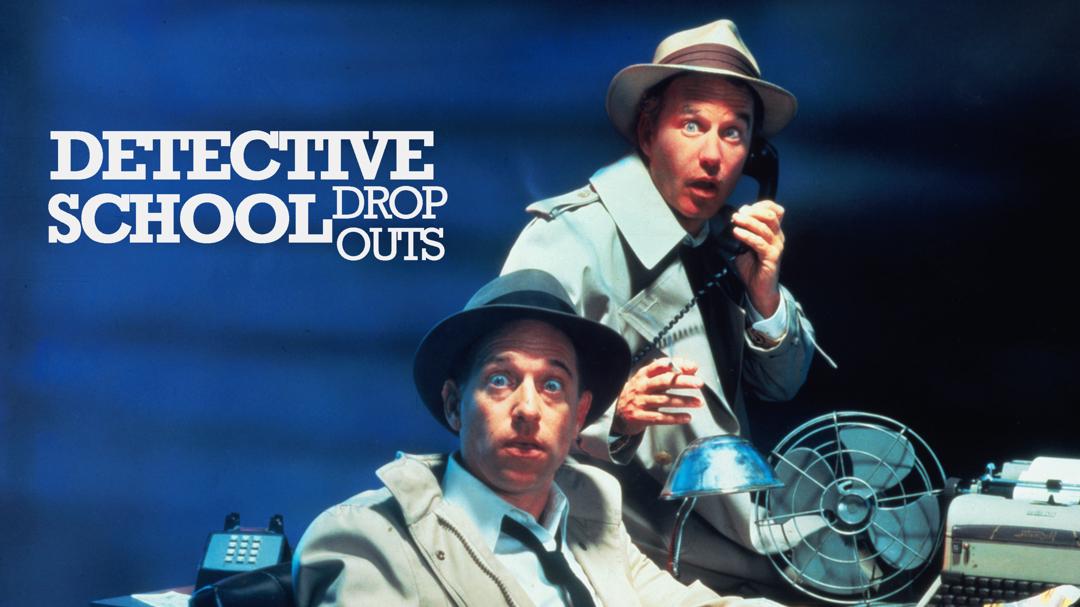
Detective School Dropouts
1986 · Cast
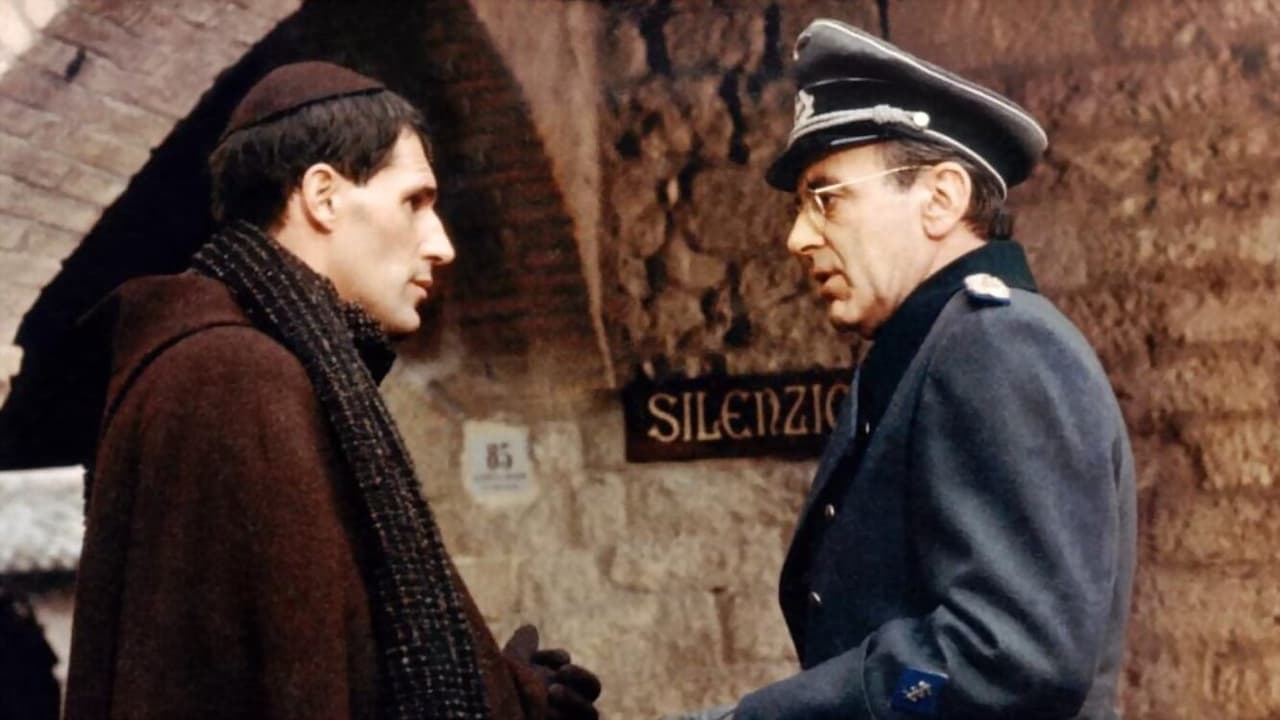
The Assisi Underground
1985 · Col. Gay
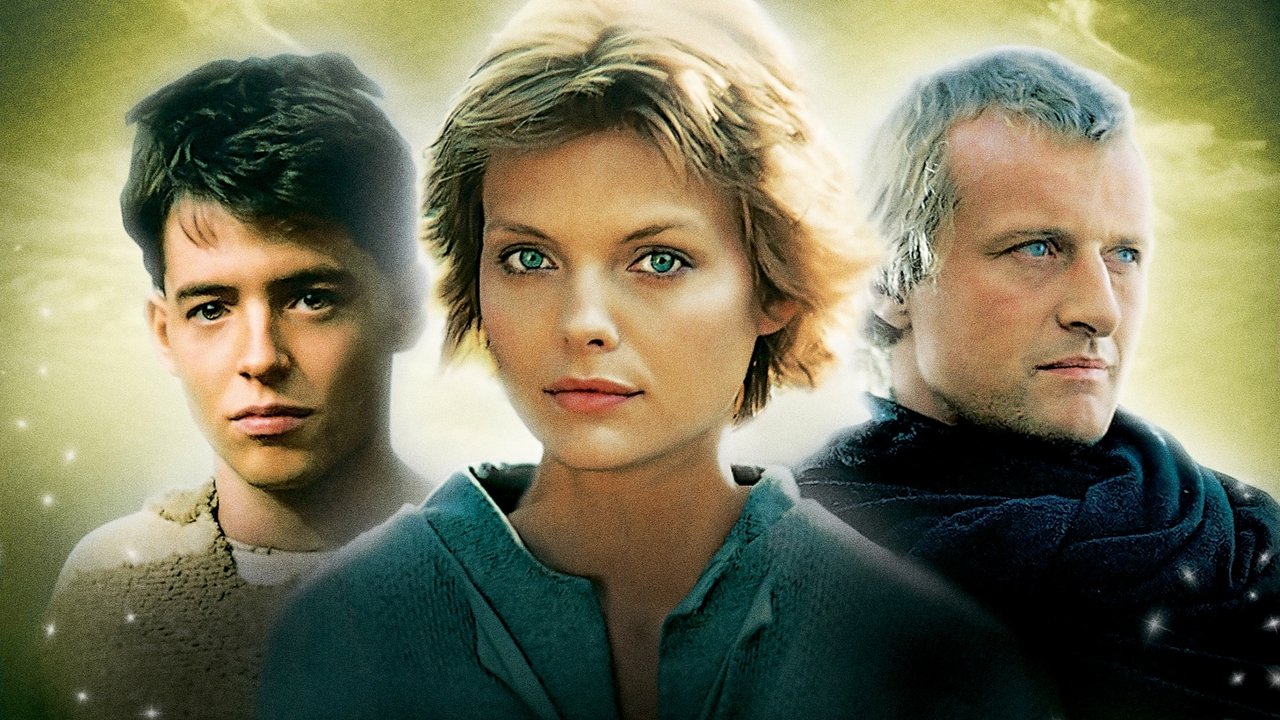
Ladyhawke
1985 · Fornac
The New Barbarians
1983 · Scorpion
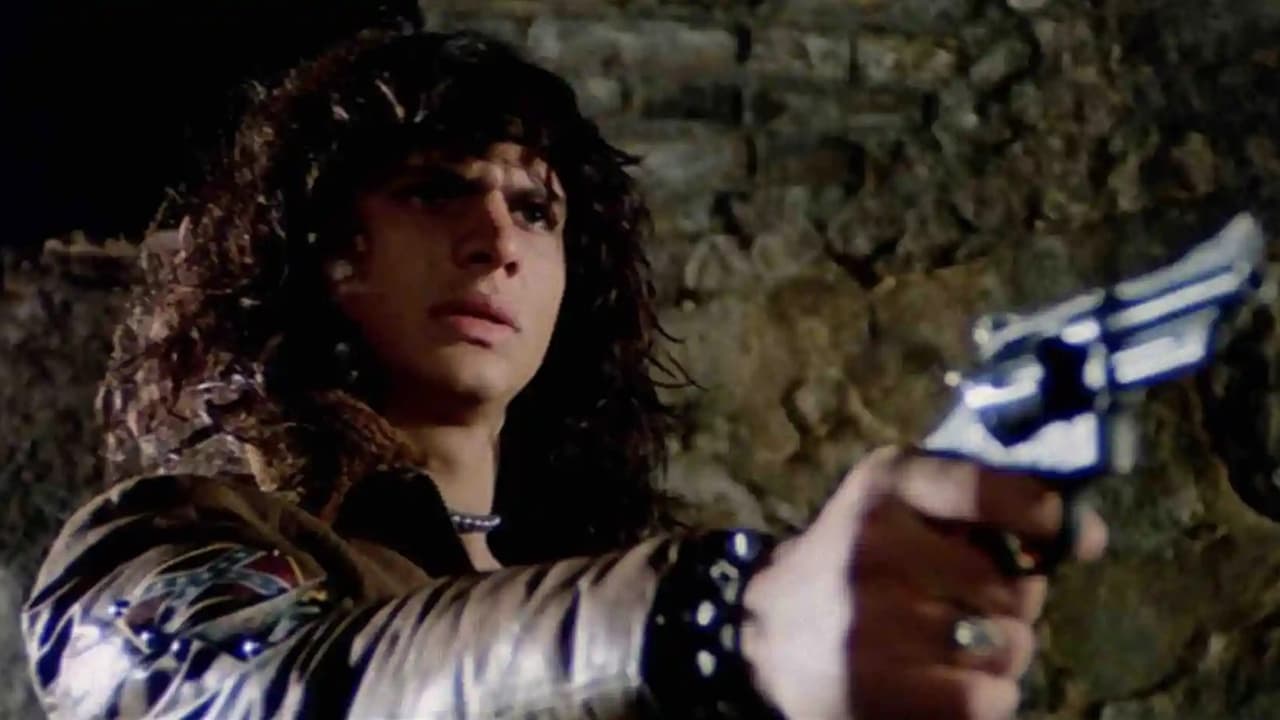
Escape from the Bronx
1983 · Strike
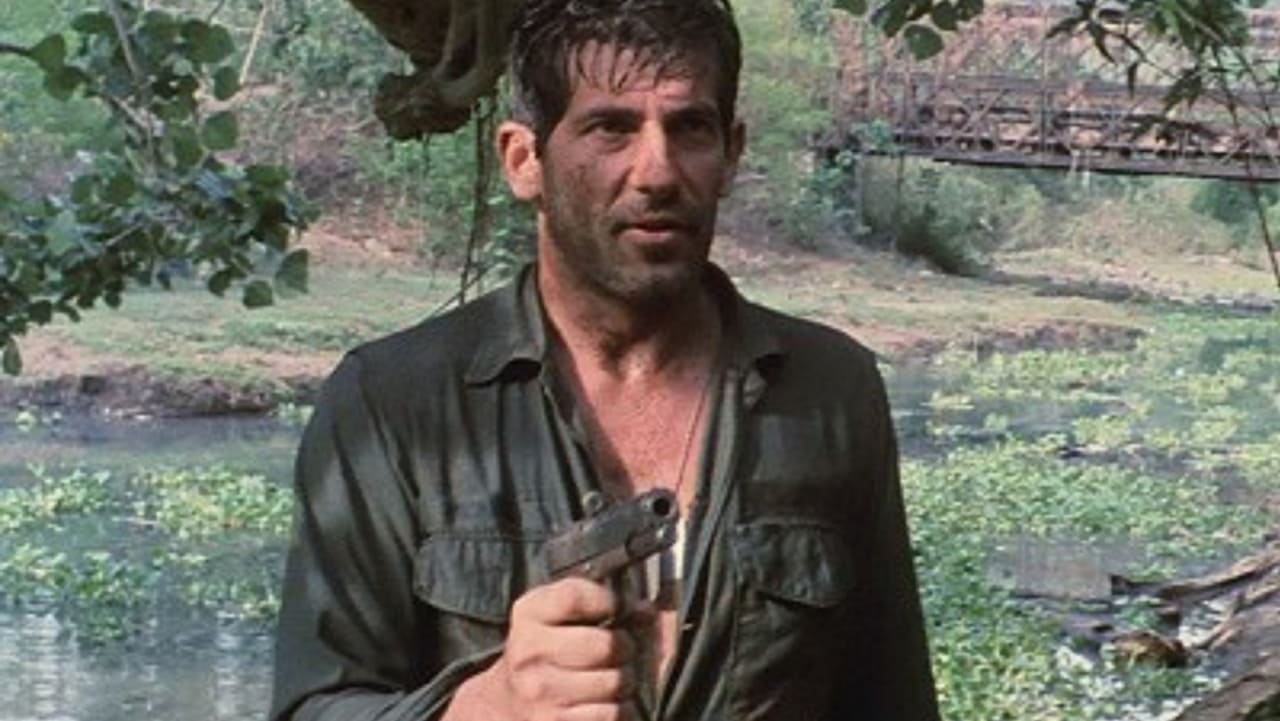
The Last Blood
1983 · Sgt. Maggio
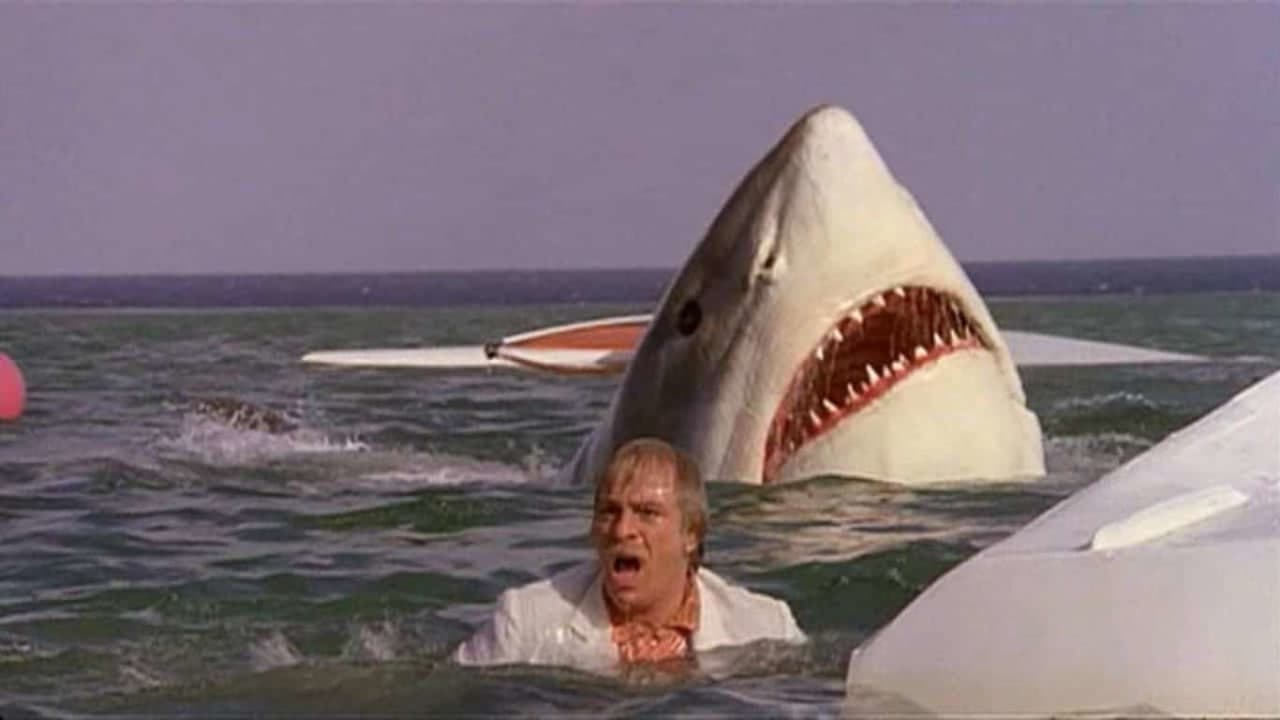
The Last Shark
1981 · Bob Martin (as Timothy Brent)
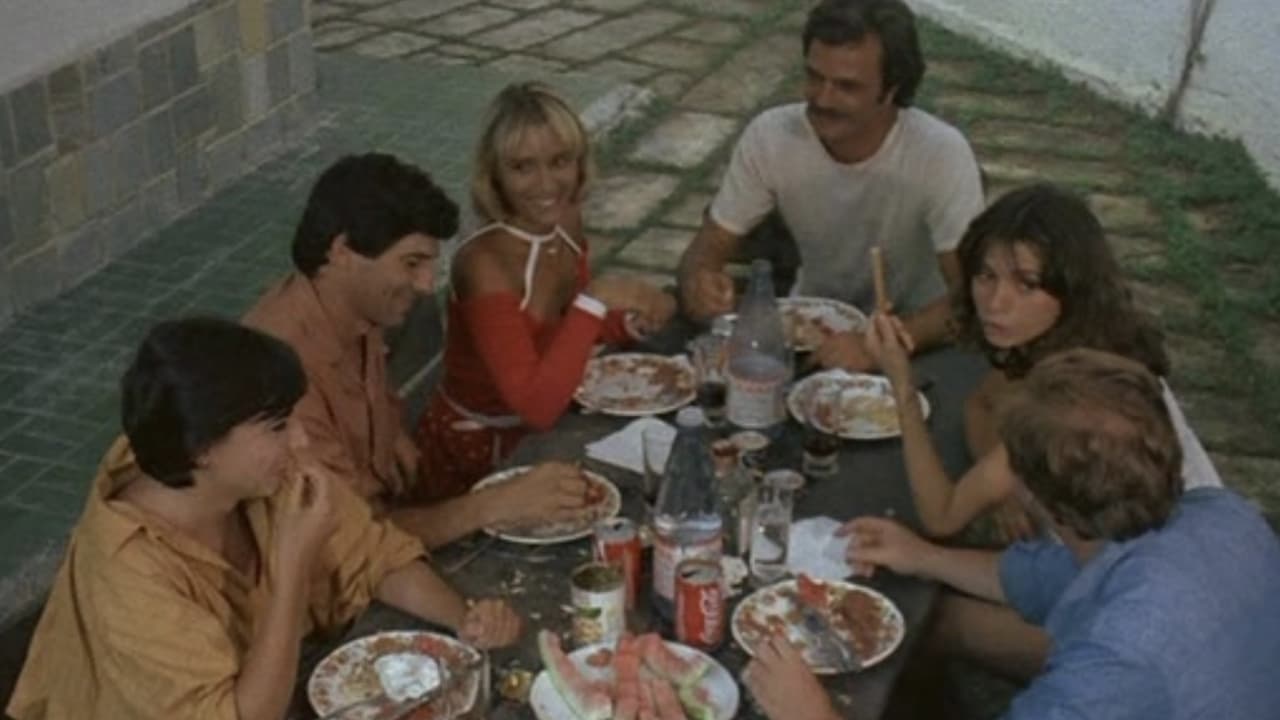
Midnight Blue
1979 · Bruno
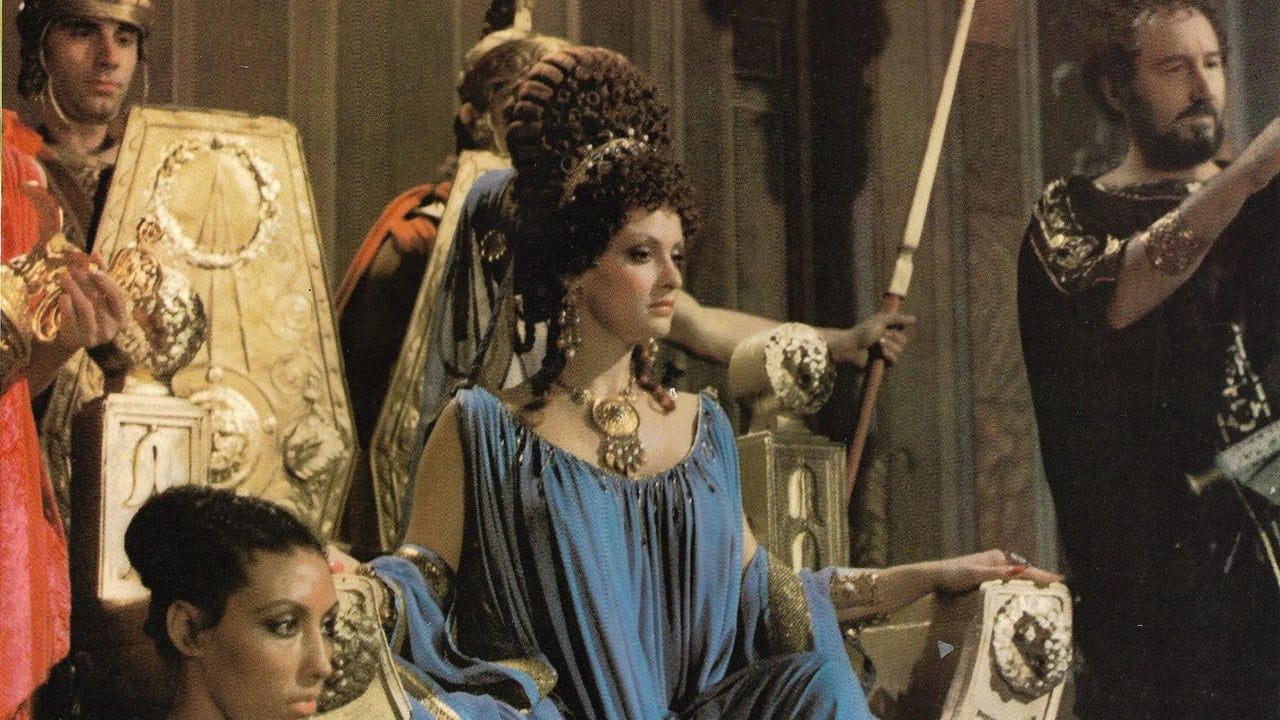
Messalina, Messalina!
1977 · Gaius Silius
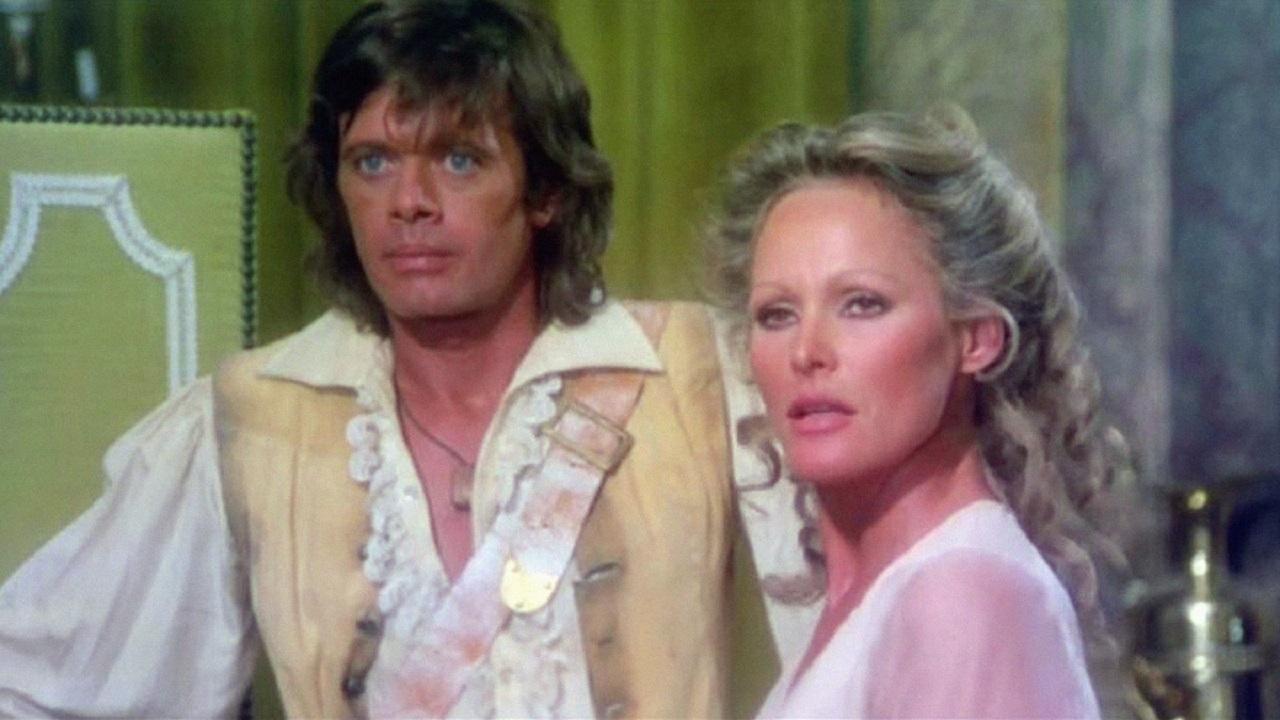
The Loves and Times of Scaramouche
1976 · Whistle
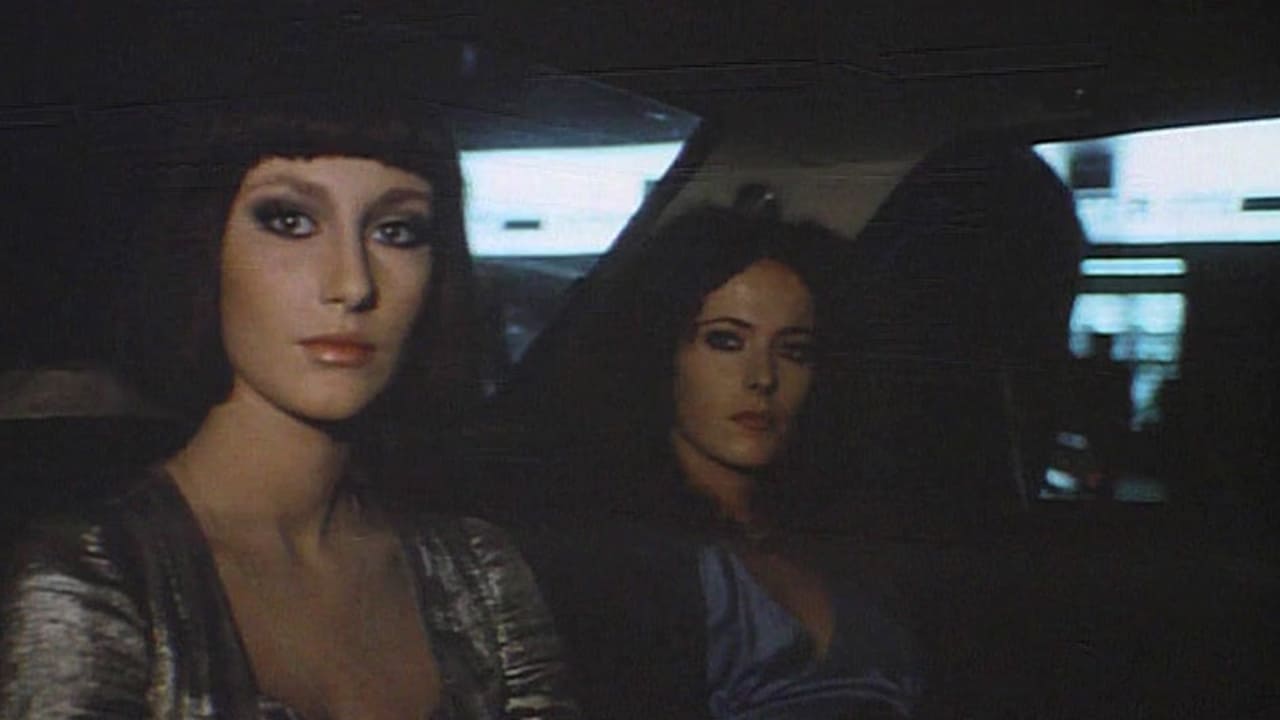
The Long Night
1975 · Vito
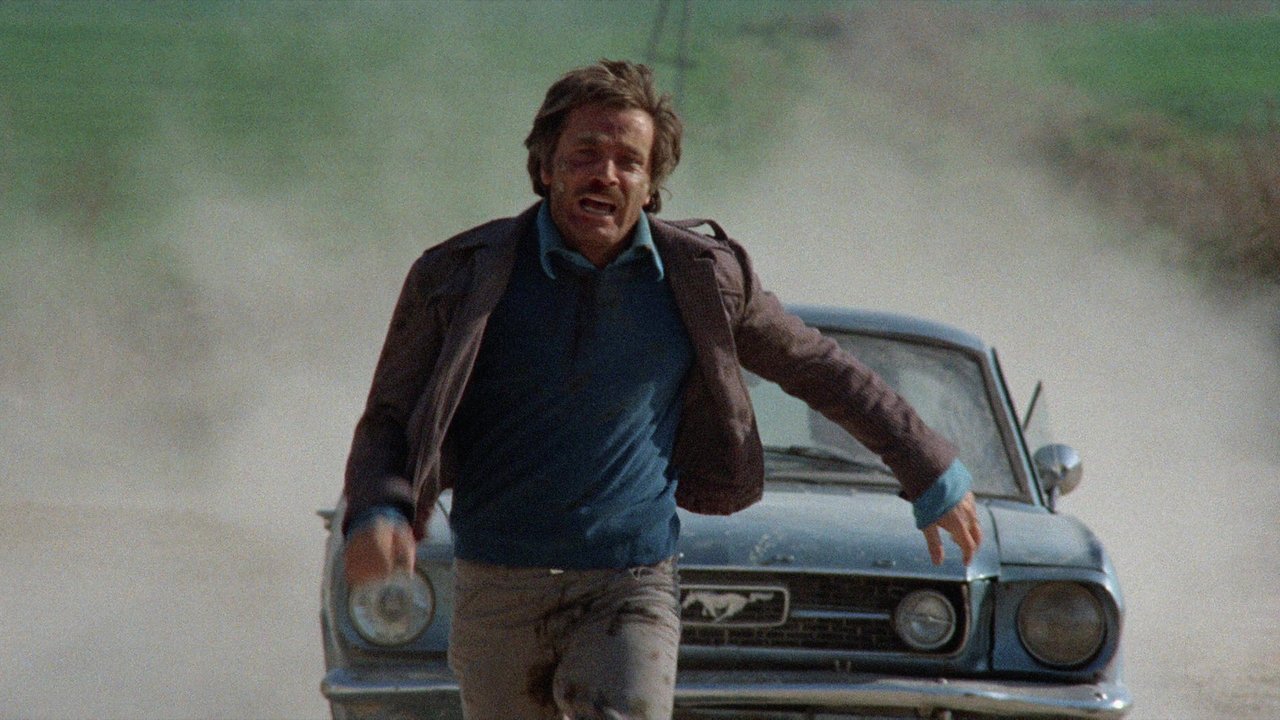
Street Law
1974 · Tommy
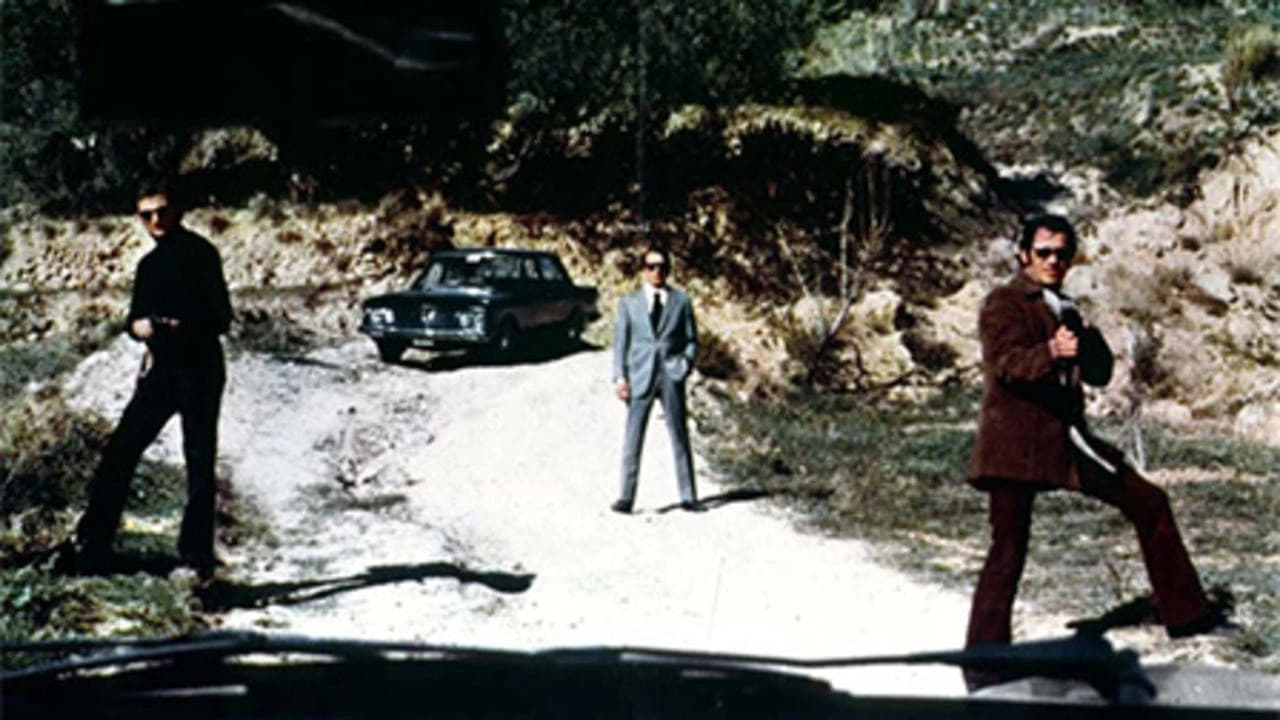
The Big Family
1973 · Commissario La Manna
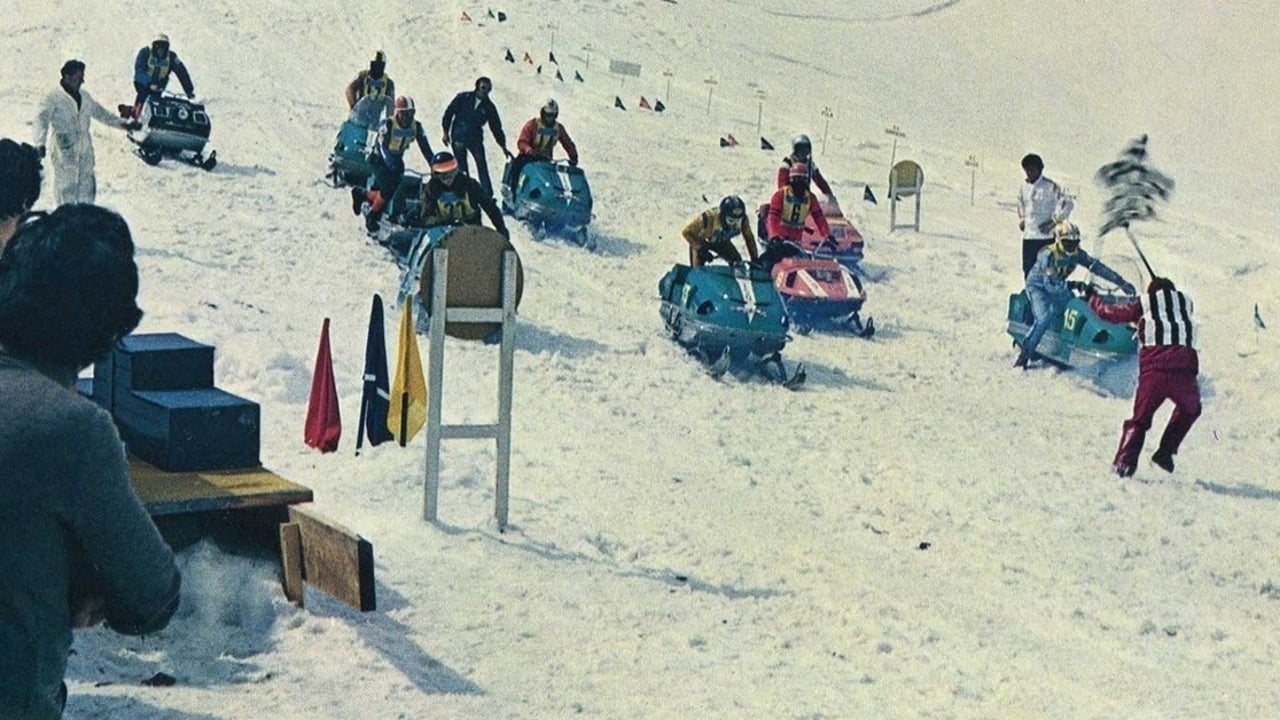
Snow Job
1972 · Donato
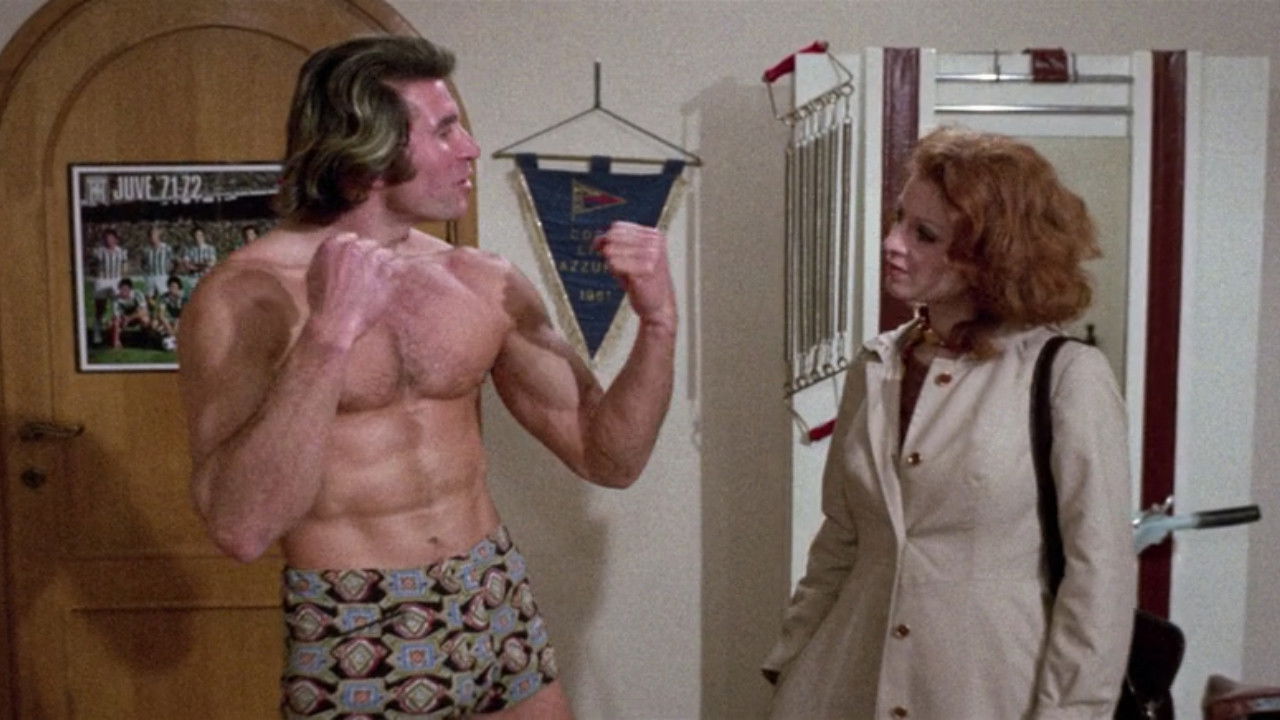
A.A.A. Masseuse, Good-Looking, Offers Her Services
1972 · 1st client of Cristina
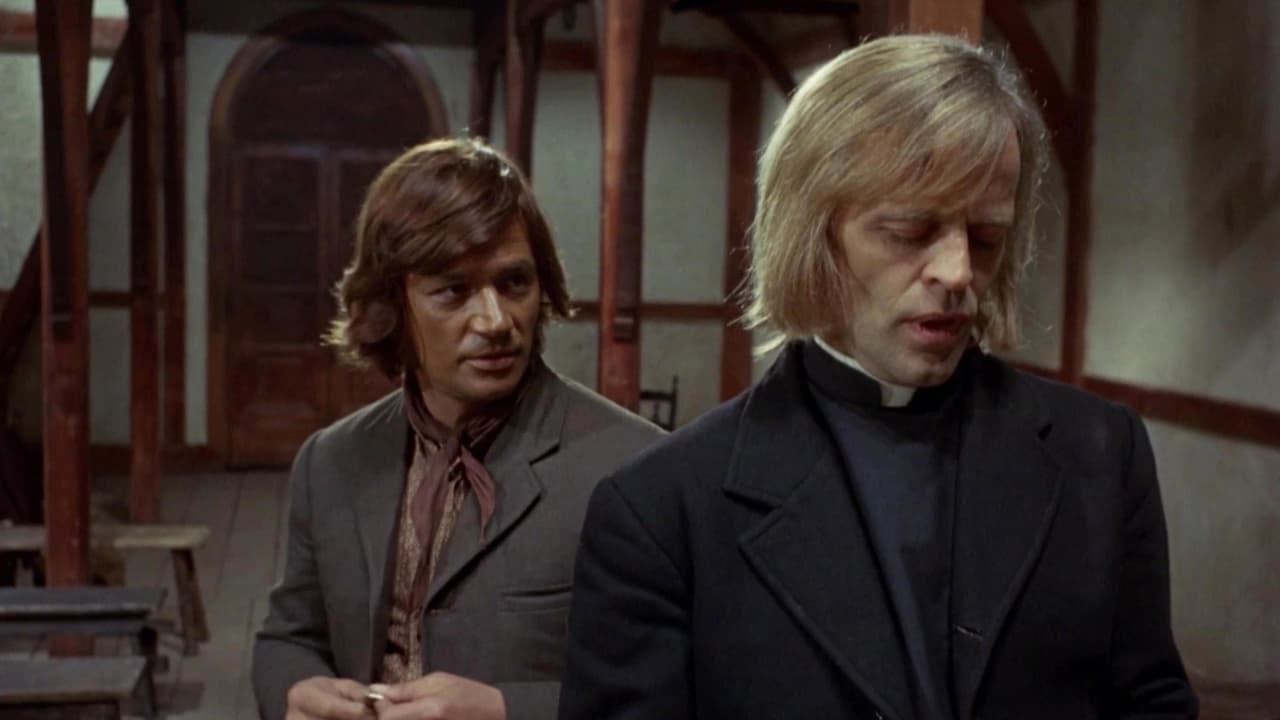
Adios Compañeros
1971 · Sundance Kid
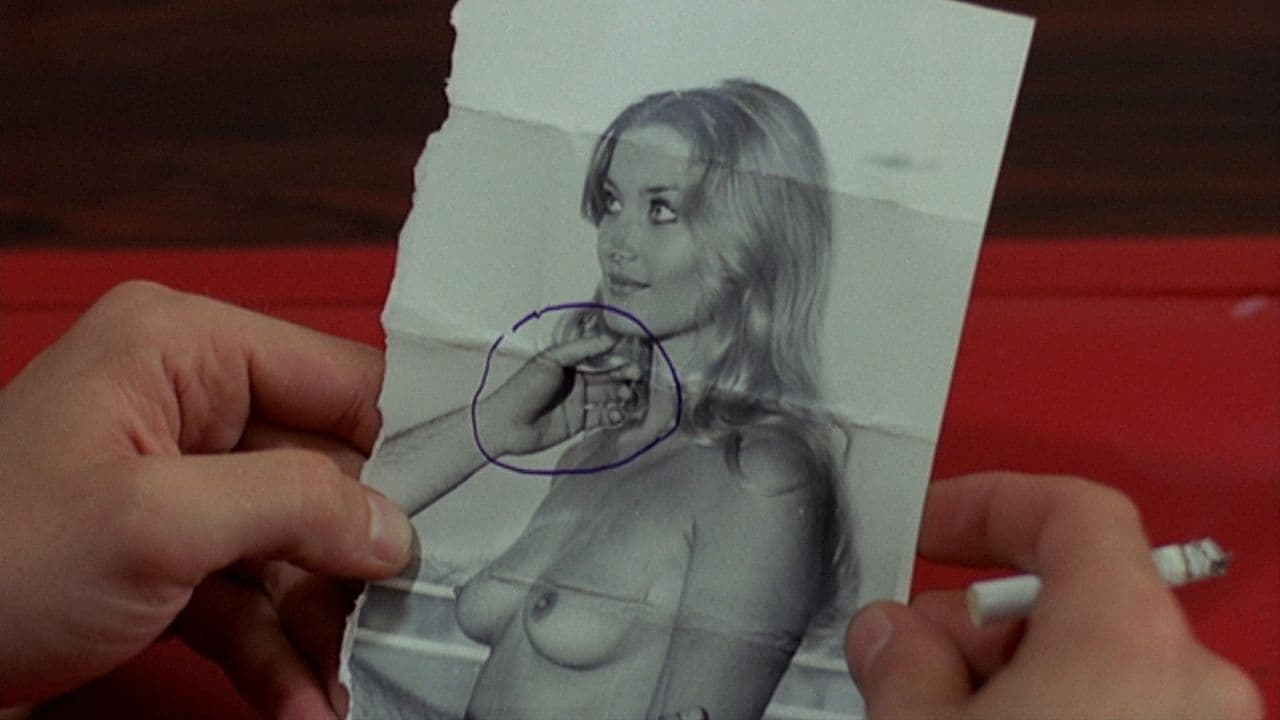
The Black Belly of the Tarantula
1971 · Mario
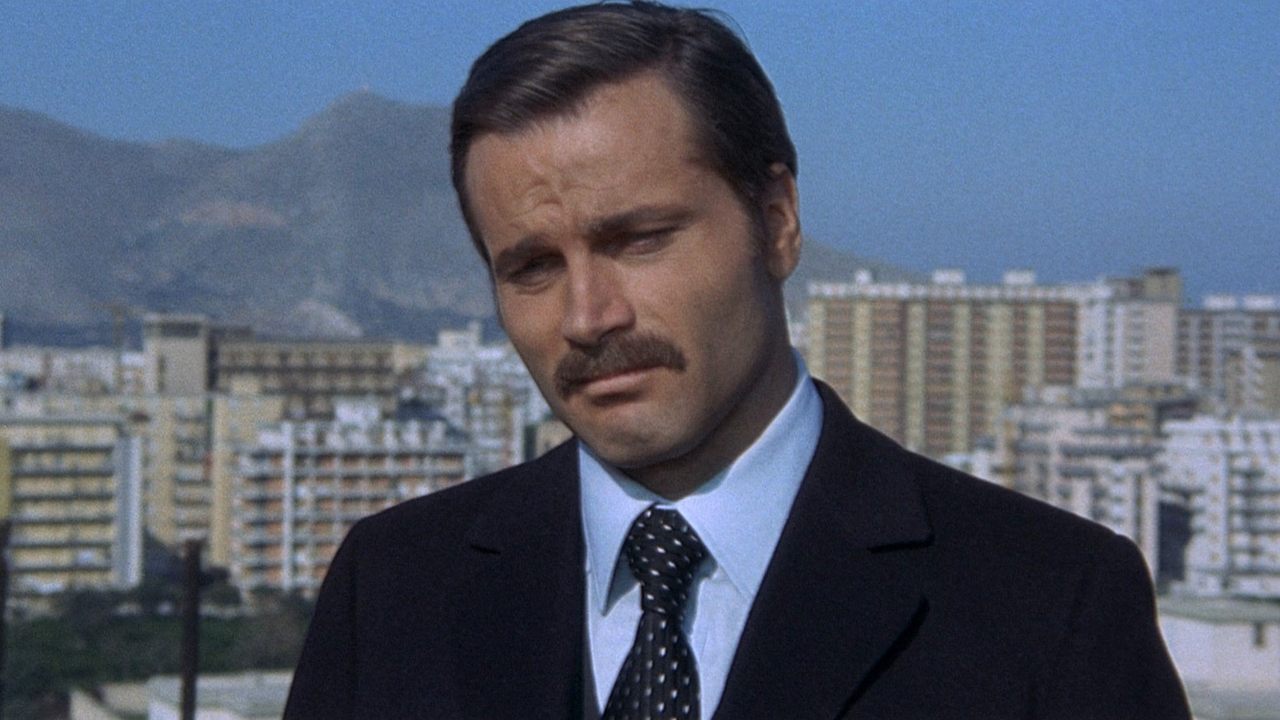
Confessions of a Police Captain
1971 · Giampaolo Rizzo
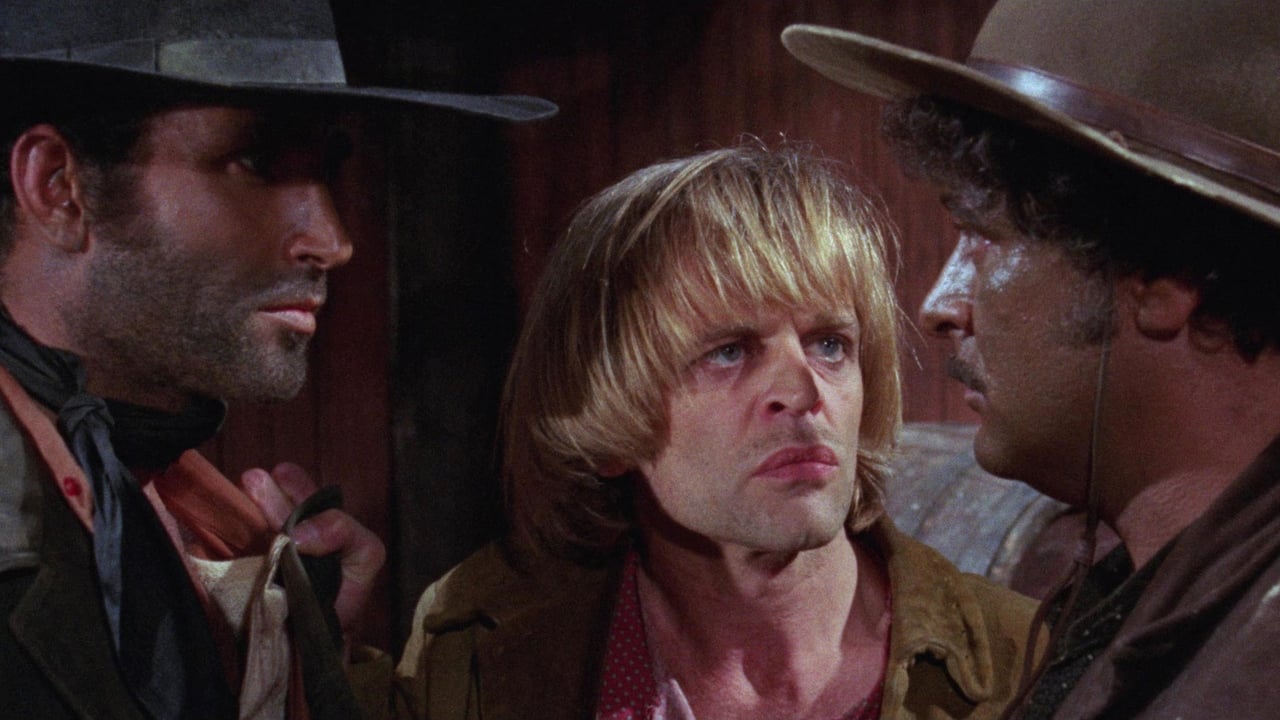
The Price of Death
1971 · Reverend Tiller
Frequently asked questions
When and where was Giancarlo Prete born?
Giancarlo Prete was born 1943-02-05 in Roma, Lazio, Italy.
What films is Giancarlo Prete known for?
Giancarlo Prete has 20 titles indexed on Movie OTT, including Fashion Crimes, Detective School Dropouts, The Assisi Underground.
Where can I watch Giancarlo Prete's films?
1 of Giancarlo Prete's films are currently streaming, available on Amazon Prime Video with Ads, fuboTV, MGM Plus, MGM Plus Roku Premium Channel.
How long has Giancarlo Prete been active?
Giancarlo Prete's film career on Movie OTT spans from 1971 to 1989 — 18 years of work.