Actor
Jean-Louis Trintignant
4 films on Movie OTT · Active 1968–2024
Jean-Louis Trintignant built one of the most quietly commanding careers in French cinema across six decades, working steadily from the mid-1950s onward without ever seeming to chase the spotlight — which, paradoxically, made the spotlight follow him. Born December 11, 1930, in Piolenc, a small commune in the Vaucluse region of southern France, he came to acting through theater before French New Wave-adjacent cinema gave him a stage that suited his particular gift: stillness. Not passivity. Stillness. The kind that makes you lean toward the screen.
About Jean-Louis Trintignant
Jean-Louis Trintignant built one of the most quietly commanding careers in French cinema across six decades, working steadily from the mid-1950s onward without ever seeming to chase the spotlight — which, paradoxically, made the spotlight follow him. Born December 11, 1930, in Piolenc, a small commune in the Vaucluse region of southern France, he came to acting through theater before French New Wave-adjacent cinema gave him a stage that suited his particular gift: stillness. Not passivity. Stillness. The kind that makes you lean toward the screen.
His defining moment came with Claude Lelouch's A Man and a Woman in 1966, a film that won the Palme d'Or at Cannes and the Academy Award for Best Foreign Language Film, and that turned Trintignant — already working steadily — into an international name. He played a racing driver grieving his wife, and what's striking about his performance is how little he performs it. There's a restraint there that feels almost confrontational, as if he's daring the audience to fill the silence themselves. The film's success didn't push him toward Hollywood glamour, which says something about who he was as a working actor. He stayed in Europe, stayed selective, and kept building something stranger and more interesting than a conventional star career.
Through the late 1960s and 1970s, Trintignant worked repeatedly with directors who trusted actors to carry moral weight without speeches — Costa-Gavras, Bernardo Bertolucci, Éric Rohmer. His role in Bertolucci's The Conformist (1970) is probably the work that cinephiles can't stop returning to: a man who collaborates with fascism not out of conviction but out of a desperate, almost pathetic need to belong, and Trintignant plays that psychological hollowness with a precision that still holds up. Rohmer used him differently — more conversational, more intellectually playful — and it's worth noting that Trintignant moved between those registers without any visible seam. Genre didn't constrain him. Political thriller, art-house character study, romantic drama — he brought the same economy to all of it.
Roger Spottiswoode's Under Fire (1983) placed him in a more overtly political thriller context, alongside Nick Nolte and Gene Hackman, set against the Nicaraguan revolution. He played a mercenary — a character who exists in the film's moral gray zone, which was, honestly, exactly where Trintignant tended to do his best work. Under Fire isn't always discussed alongside his European films, but it shows his ability to hold his own in an English-language production without softening his edges or adjusting his tempo to match a more conventionally American style of screen acting. He didn't adjust. The film adjusted around him.
Later in his career, Michael Haneke cast him as Georges in Amour (2012), a film about an elderly couple — one of them declining after a stroke — that won the Palme d'Or and the Academy Award for Best Foreign Language Film, making Trintignant one of very few actors to appear in two Palme d'Or winners decades apart. That's not a minor footnote. The performance is interior, almost unbearably so, and it earned him a César Award for Best Actor at age 82. Hard to say if any other actor of his generation made a more significant late-career statement. Haneke brought him back for Happy End (2017), extending the collaboration in a film that's colder and more fragmented but that uses Trintignant's presence in ways that feel deliberately weighted with what audiences already know about him from Amour.
What he leaves behind — across the full arc of a career that spans Bardot-era French cinema to Haneke's austere contemporary work — is a body of performances that resist the kind of easy summary that film profiles usually reach for. He didn't do grand gestures. He did precision. And in a medium that often rewards volume, that's its own kind of argument.
Currently streaming
1 of 4 on platforms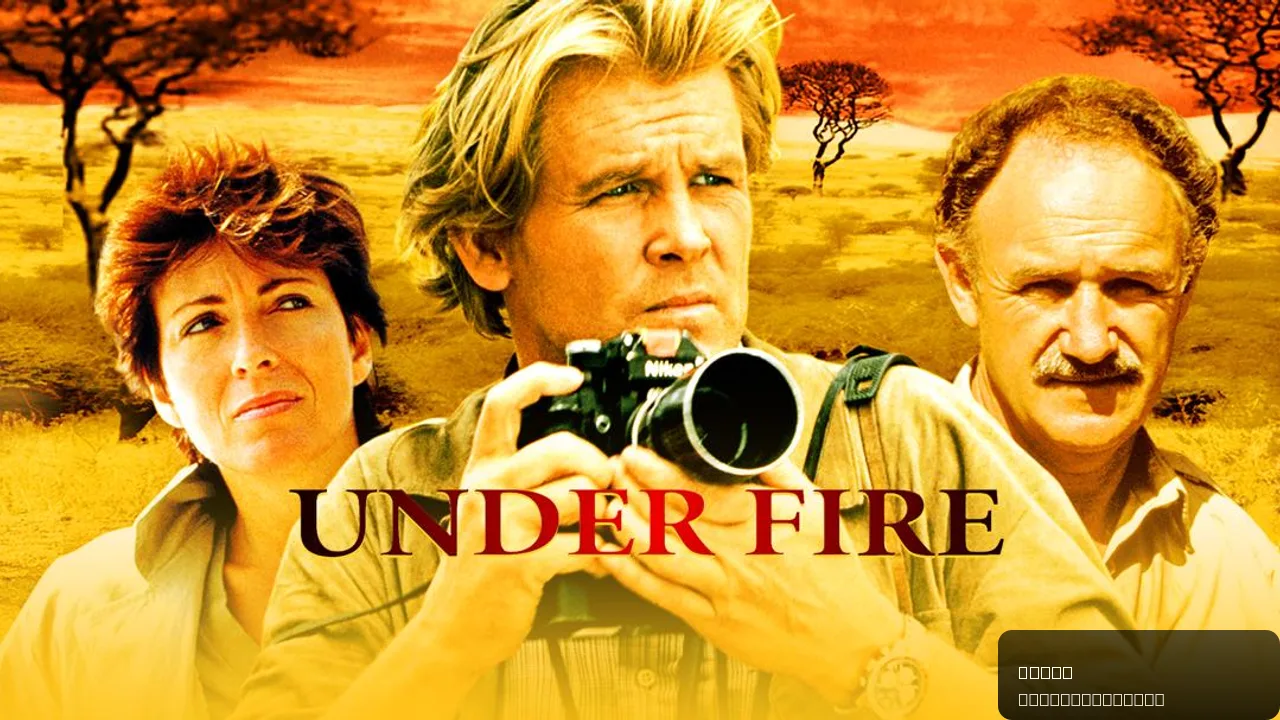
Filmography


Frequently asked questions
When and where was Jean-Louis Trintignant born?
Jean-Louis Trintignant was born 1930-12-11 in Piolenc, Vaucluse, France.
What films is Jean-Louis Trintignant known for?
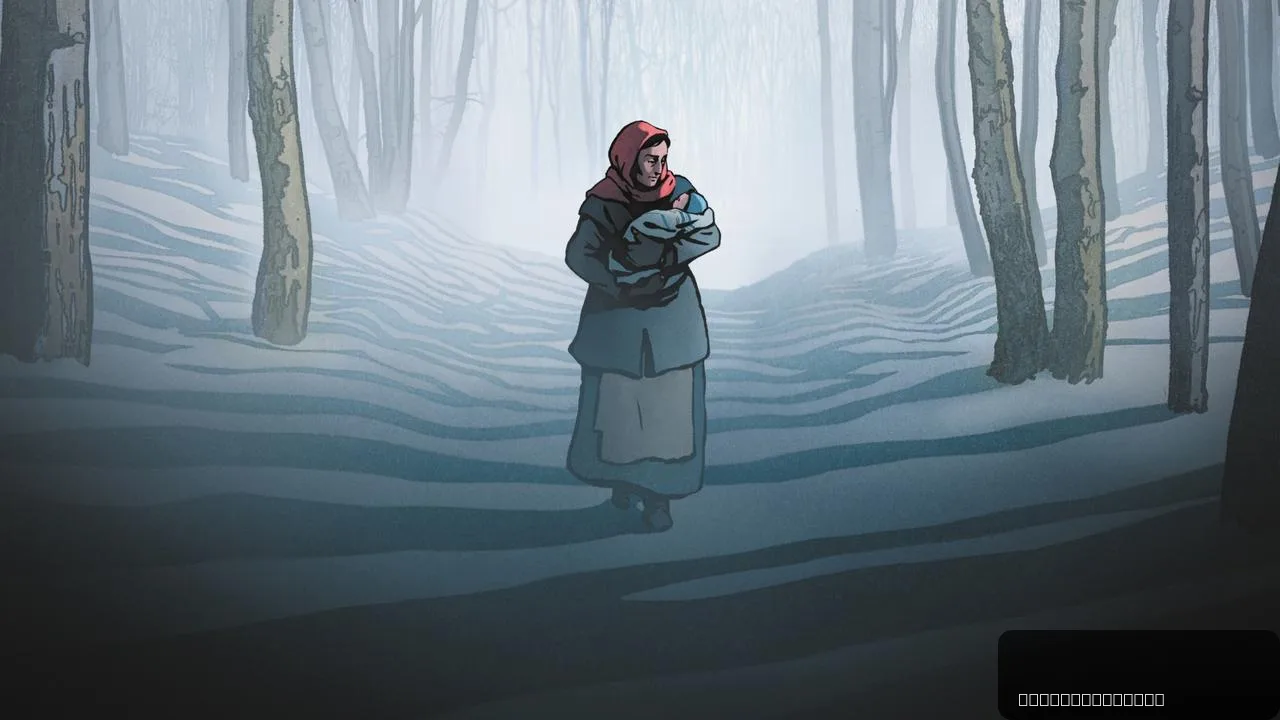
Jean-Louis Trintignant has 4 titles indexed on Movie OTT, including The Most Precious of Cargoes, Django & Django: Sergio Corbucci Unchained, Under Fire.
Where can I watch Jean-Louis Trintignant's films?
1 of Jean-Louis Trintignant's films are currently streaming, available on Prime Video.
How long has Jean-Louis Trintignant been active?
Jean-Louis Trintignant's film career on Movie OTT spans from 1968 to 2024 — 56 years of work.