
The Story of Under Fire
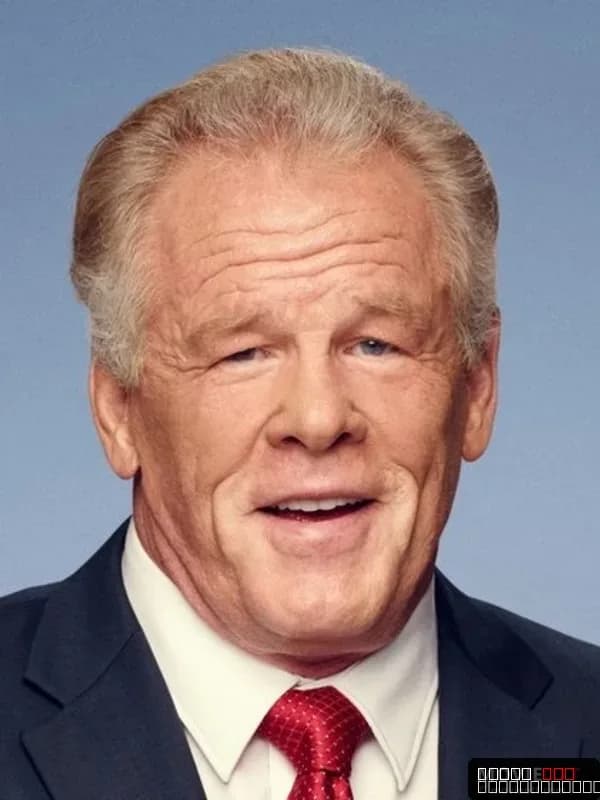
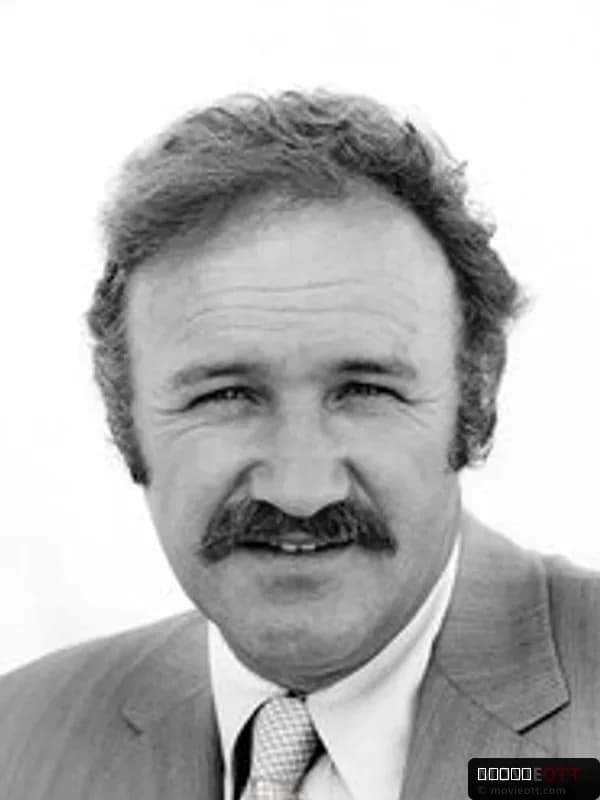
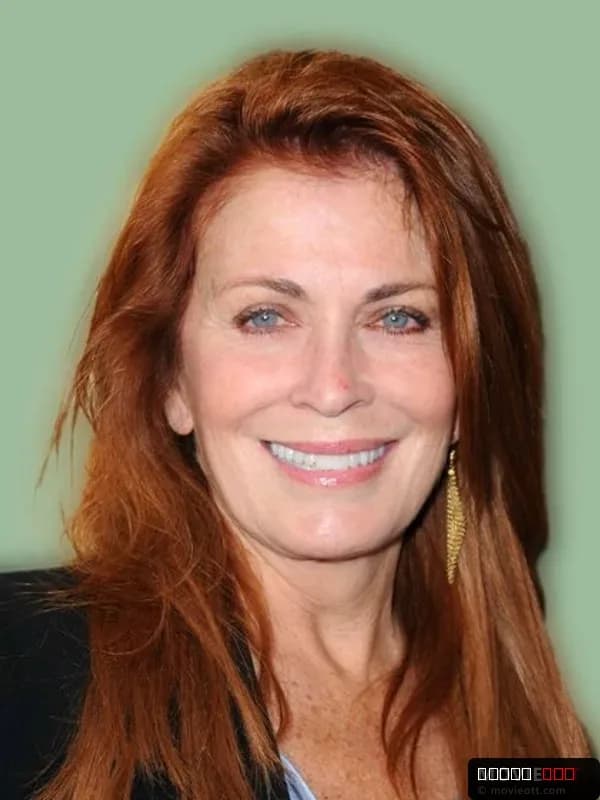
Under Fire captures the chaos of Nicaragua's final days before the 1979 revolution toppled the Somoza regime. Three journalists—a war photographer, a radio correspondent, and a magazine writer—find themselves swept into political intrigue that blurs the line between documenting history and becoming part of it. The film doesn't just chronicle their assignments; it tracks how proximity to violence, ideology, and each other transforms them. Nick Nolte's character, Russell, is a photojournalist trying to remain objective while falling for a woman (Joanna Cassidy) entangled with Gene Hackman's seasoned correspondent. What starts as professional rivalry becomes something messier, more human. The stakes aren't abstract—they're personal, romantic, and increasingly dangerous as the regime crumbles around them.
Behind the Making of Under Fire
Director Roger Spottiswoode assembled a powerhouse cast and crafted what became one of the era's most politically charged thrillers. The film earned genuine critical respect: it holds a 90% on Rotten Tomatoes and a Metascore of 72, signaling both popular and critical approval. That's rare for a political drama, especially one that doesn't shy away from moral ambiguity. The production was shot across Chiapas and Oaxaca in Mexico, lending the film an authentic Central American texture without filming in an active conflict zone. Jerry Goldsmith's score—featuring jazz guitarist Pat Metheny—earned an Oscar nomination for Best Original Score, one of the film's two major awards nominations. The editing by Mark Conte and John Bloom also snagged a BAFTA nomination. At the box office, Under Fire grossed $5.7 million, a modest return that underscores how niche political thrillers can be, even with A-list talent. Yet the film's recognition—two wins and nine nominations across major ceremonies—suggests it found its audience among critics and serious filmgoers who valued substance over spectacle.
What Makes Under Fire Stand Out
What's striking is how the film refuses to let its characters off easy. Nolte brings a weary vulnerability to Russell, a man who wants to capture truth but keeps getting tangled in lies—his own and everyone else's. Hackman, as always, commands every scene he's in; his correspondent isn't a hero or a villain, just a survivor playing angles. Cassidy's character is the emotional center, and the love triangle that unfolds between the three of them feels earned rather than imposed. The film works because it trusts its audience to sit with moral uncertainty. These aren't heroes fighting for justice; they're professionals trying to stay alive while the world burns around them, and they're not always sure which side they're on. The 1970s-set narrative taps into real historical events—the Sandinista revolution, the fall of Somoza—but filters them through intimate, character-driven storytelling. You won't find speeches about geopolitics. Instead, you'll watch people make impossible choices under pressure, and the film doesn't judge them for it. That restraint, that refusal to simplify, is what lingers. I keep coming back to a scene near the end where Russell has to decide whether to publish a photograph that could change everything—and the film doesn't telegraph the "right" answer.
Where to Stream Under Fire Online
If you're looking to watch Under Fire, you can find it on Prime Video. The film's availability shifts across platforms, so Movie OTT tracks current streaming options to save you the search—check the "Where to Watch" widget at the top of this page for real-time availability in your region. The 127-minute runtime means you're committing to a proper evening, and the R rating reflects the film's unflinching depiction of war and violence. It's worth the time investment if you're drawn to serious political cinema that doesn't talk down to you.
Frequently Asked Questions
Q: Who directed Under Fire?
Roger Spottiswoode directed Under Fire in 1983. He brings a documentary-like precision to the political thriller, letting scenes breathe and characters reveal themselves through action rather than exposition.
Q: Is Under Fire based on a true story?
Under Fire is a fictional narrative, but it's grounded in the real 1979 Nicaraguan Revolution and the fall of the Somoza regime. The film uses historical events as its backdrop while telling an original story about three journalists caught in the chaos.
Q: What awards did Under Fire win?
Under Fire earned an Oscar nomination for Jerry Goldsmith's original score and a BAFTA nomination for editing. It won two awards overall and received nine nominations across major ceremonies, reflecting strong critical recognition.
Q: Who stars in Under Fire?
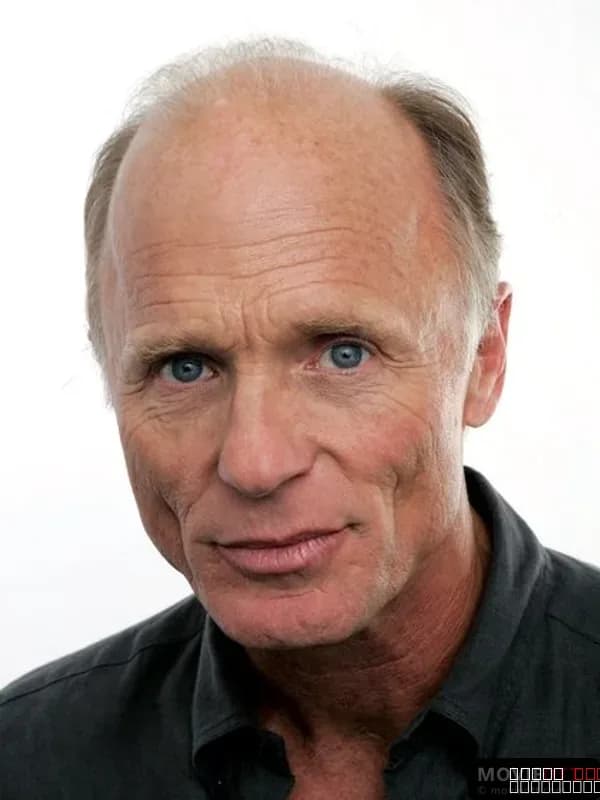
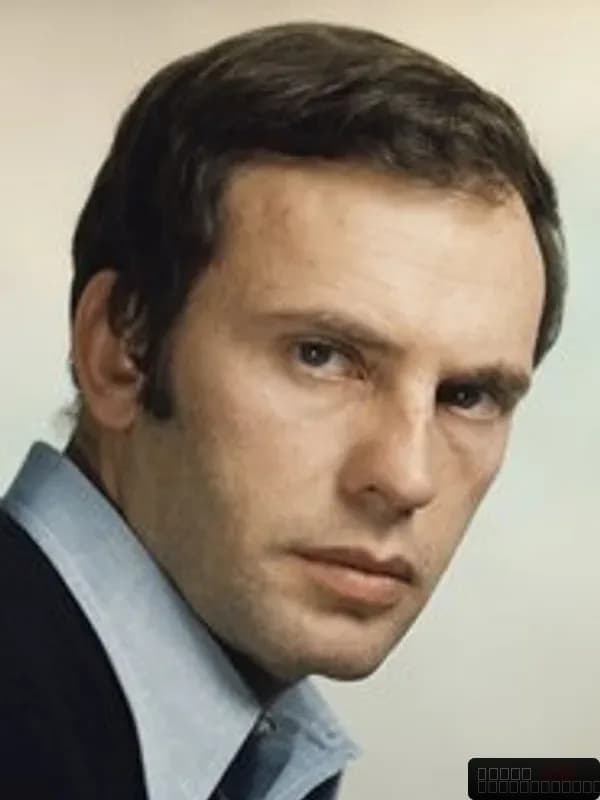
The film features Nick Nolte as a war photographer, Gene Hackman as a radio correspondent, and Joanna Cassidy as the woman who becomes the center of their emotional conflict. Ed Harris, Jean-Louis Trintignant, and Richard Masur round out the ensemble cast.
Q: How long is Under Fire?
The film runs 127 minutes, giving Spottiswoode enough time to develop his characters and let the political intrigue unfold at a deliberate pace rather than rushing through plot points.
Final Thoughts on Under Fire
Under Fire deserves a second look—or a first one if you haven't caught it yet. It's a film that respects its audience's intelligence and doesn't flinch from showing how ideology, ambition, and desire collide in real time. The performances are understated and powerful, the direction is assured, and the score is haunting. It won't give you easy answers about who's right or wrong in a revolution. Instead, it'll show you three flawed people trying to document history while getting swept up in it themselves. That's cinema that sticks with you.