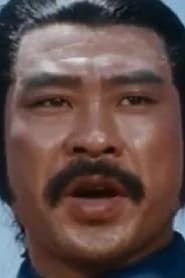
Actor & Director
Lau Kar-Wing
15 films on Movie OTT · 4 as director · Active 1972–2026
Lau Kar-Wing is one of Hong Kong cinema's more quietly essential figures — a director, action choreographer, and actor whose fingerprints are on some of the genre's most celebrated work, even if his name doesn't always get top billing in the conversation. Born in 1944 in Jiangmen, Guangdong, China (TMDB), he built a career that spans multiple decades and multiple roles behind and in front of the camera, which is rarer than it sounds in an industry that tends to lock people into lanes early. What's striking is how fluidly he moved between those roles without any one of them swallowing the others whole.
About Lau Kar-Wing
Lau Kar-Wing is one of Hong Kong cinema's more quietly essential figures — a director, action choreographer, and actor whose fingerprints are on some of the genre's most celebrated work, even if his name doesn't always get top billing in the conversation. Born in 1944 in Jiangmen, Guangdong, China (TMDB), he built a career that spans multiple decades and multiple roles behind and in front of the camera, which is rarer than it sounds in an industry that tends to lock people into lanes early. What's striking is how fluidly he moved between those roles without any one of them swallowing the others whole.
He's probably best known internationally for his choreography work — particularly *Five Fingers of Death* (aka *King Boxer*, 1972), the Shaw Brothers production that became a genuine US box office hit and helped crack open Western appetite for Hong Kong martial arts cinema (Wikipedia). That's a significant credit. Not many choreographers can point to a single film and say it changed the shape of an entire export market. His membership in the Sammo Hung Stuntmen's Association also placed him at the center of a tight professional network that shaped the industry's action grammar throughout the 1970s and 1980s (TMDB).
As a director, he earned Best Action Choreography at the 11th Hong Kong Film Awards in 1992 for *Once Upon a Time in China* (1991) — a film that, honestly, holds up as one of the period's most technically ambitious productions (Wikipedia). His directorial output runs from 1977 through *Innocent Killer* in 1994, after which his screen appearances became more occasional. Hard to say if that represents a deliberate step back or simply the industry moving around him.
Currently streaming
2 of 15 on platformsEarly life & background
Lau Kar-Wing was born in 1944 in Jiangmen, Guangdong, China, according to TMDB — though a separate research source places his birth year as 1943 and his birthplace as Shaoguan, Guangdong. The discrepancy isn't unusual for performers of his generation, where record-keeping was inconsistent. He relocated to Hong Kong in 1949, arriving during a period of significant migration from mainland China that would shape the city's cultural and film industries for decades. Details about his formal education aren't well documented in available sources, but his early professional path led him into Hong Kong's martial arts film world, where he became a member of the Sammo Hung Stuntmen's Association (TMDB) — a training ground and professional collective that launched numerous careers in action cinema.
Career
Cite this page
For Wikipedia, journalism, or academic references — copy the citation below:
Movie OTT. "Lau Kar-Wing." Accessed Sep 17, 2026. https://movieott.com/talent/lau-kar-wingLast updated July 1, 2026 · Sources: tmdb+perplexity+tmdb-credits+ai-claude
Filmography
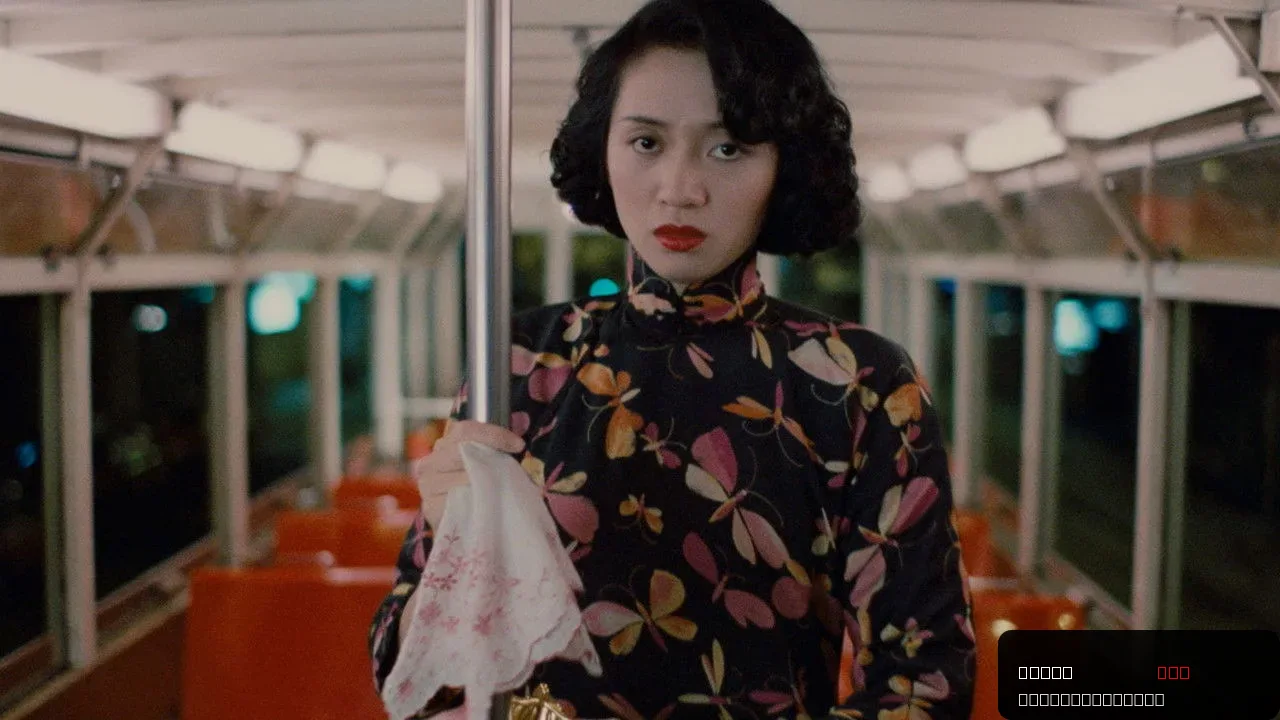
Rouge: A Timeless Love Story Across the Ages
2026 · Movie Director

Kung Pow: Enter the Fist
2002 · Wimp Lo (archive footage)
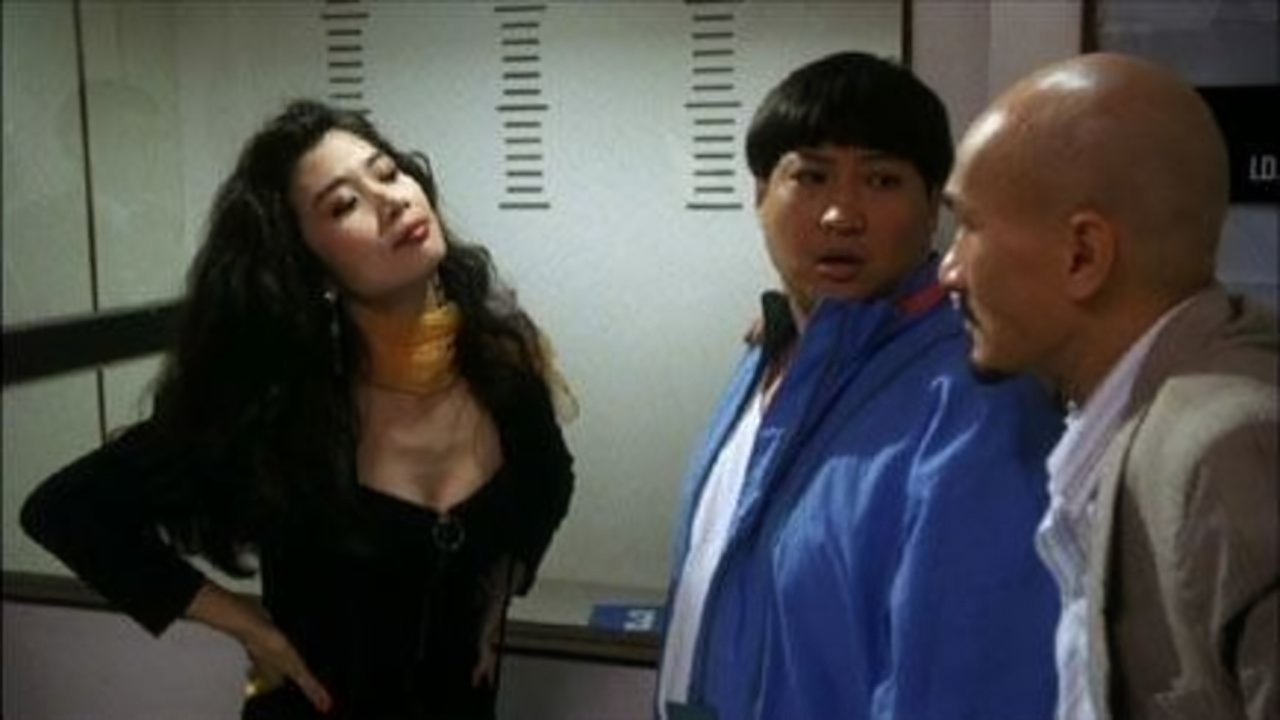
Skinny Tiger, Fatty Dragon
1990 · Wing, Director
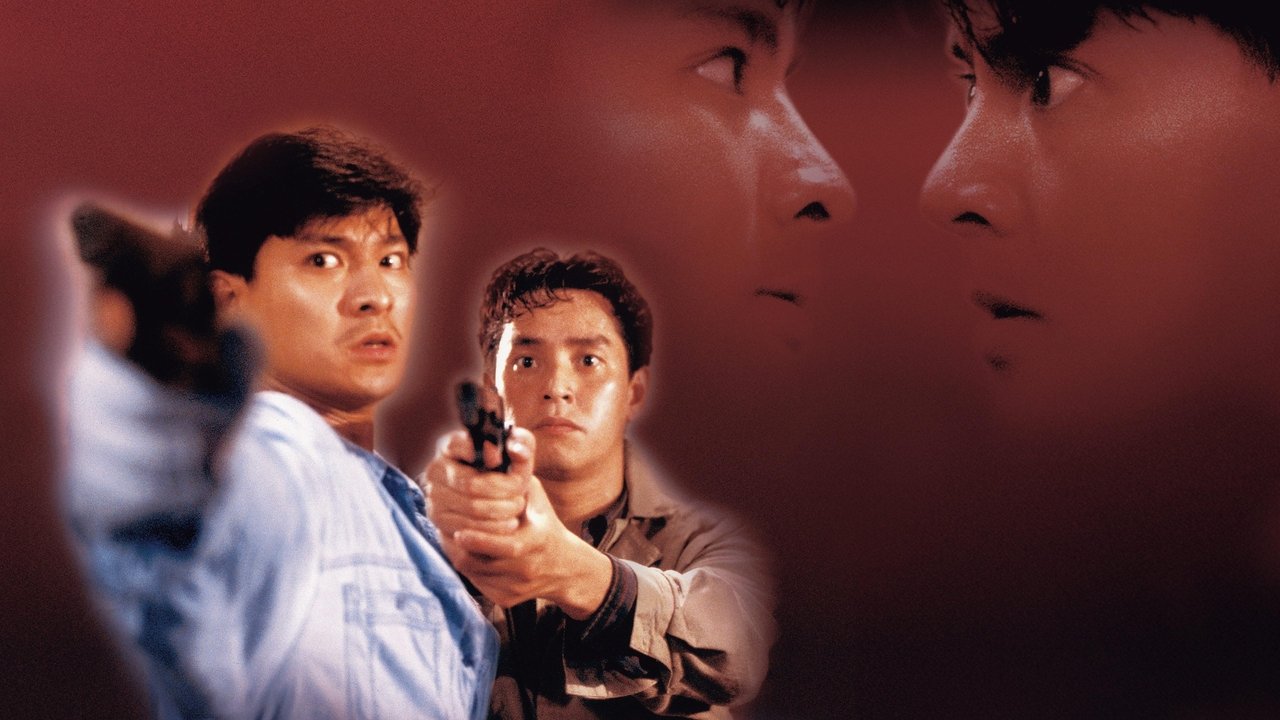
The Dragon Family
1988 · Uncle Sik, Director
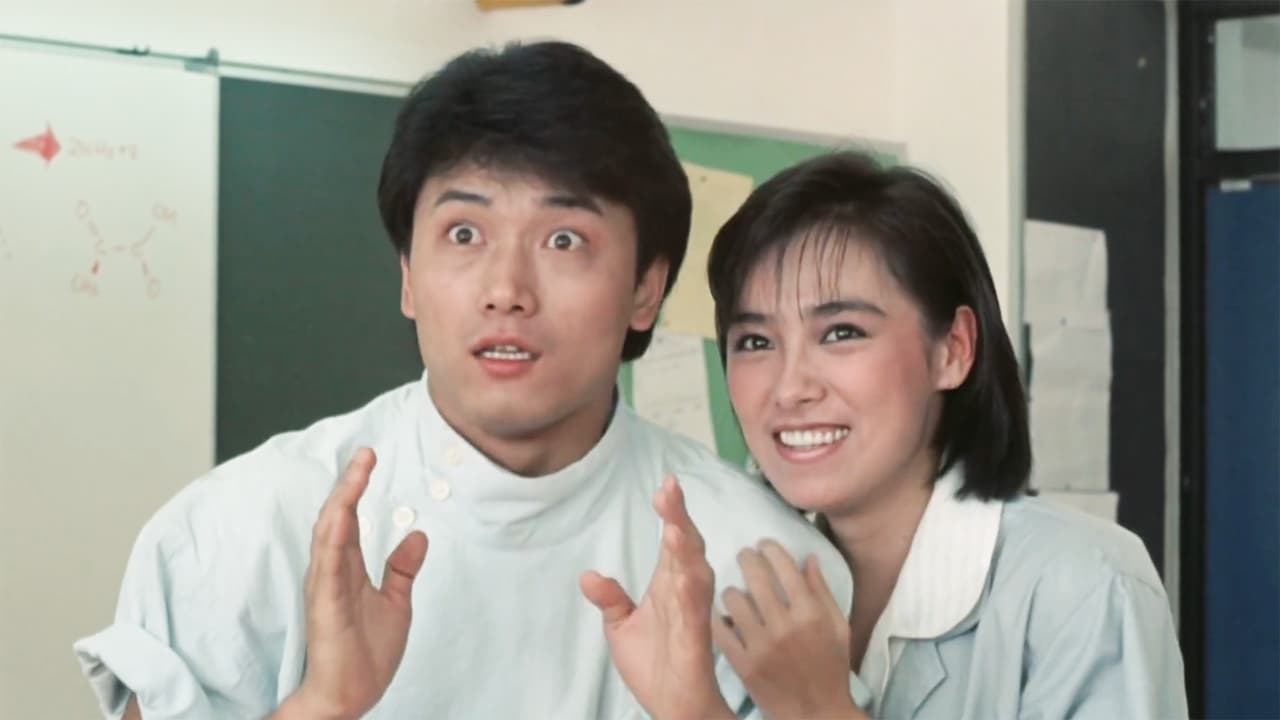
Scared Stiff
1987 · Director
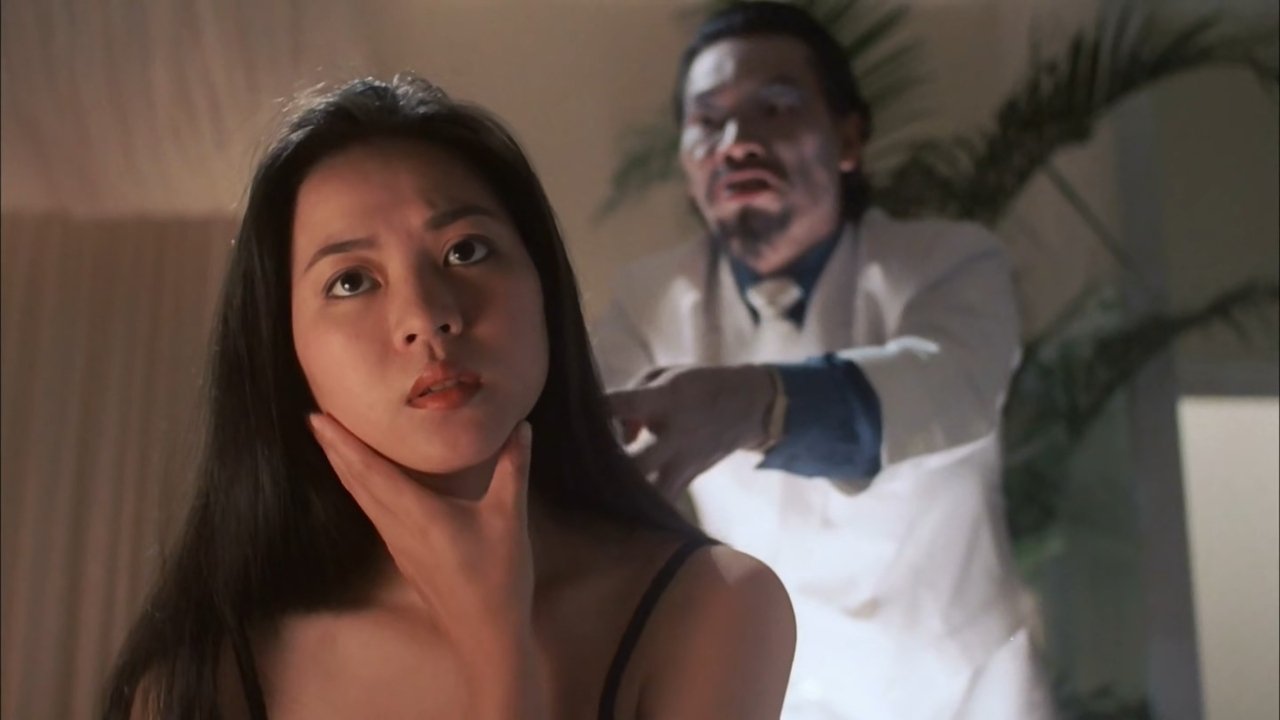
Till Death Do We Scare
1982 · Director
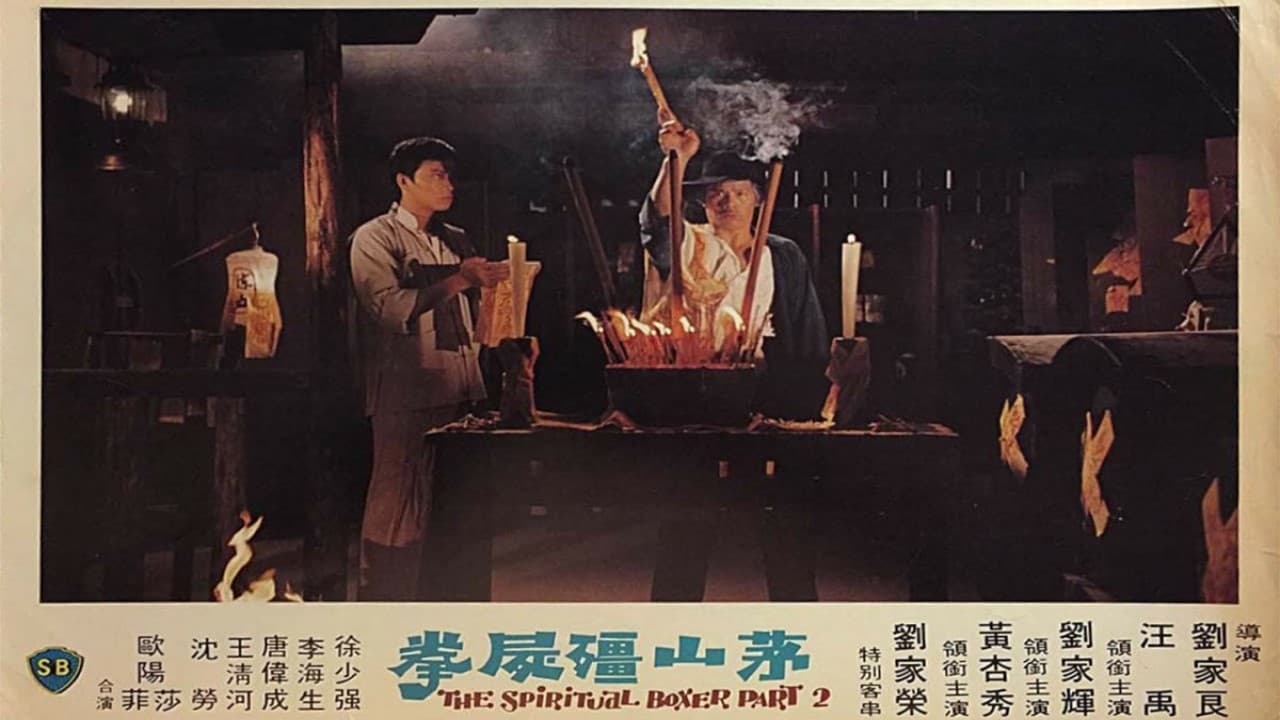
The Shadow Boxing
1979 · Master Chen Wu

Knockabout
1979 · Old Fox / Chia Wu Dao
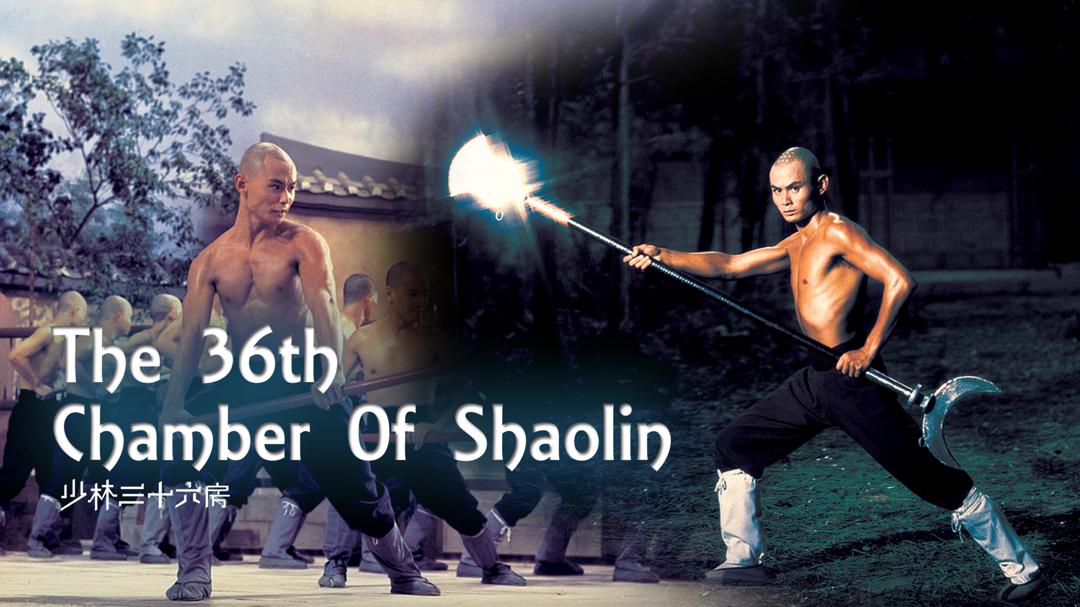
The 36th Chamber of Shaolin
1978 · Cast
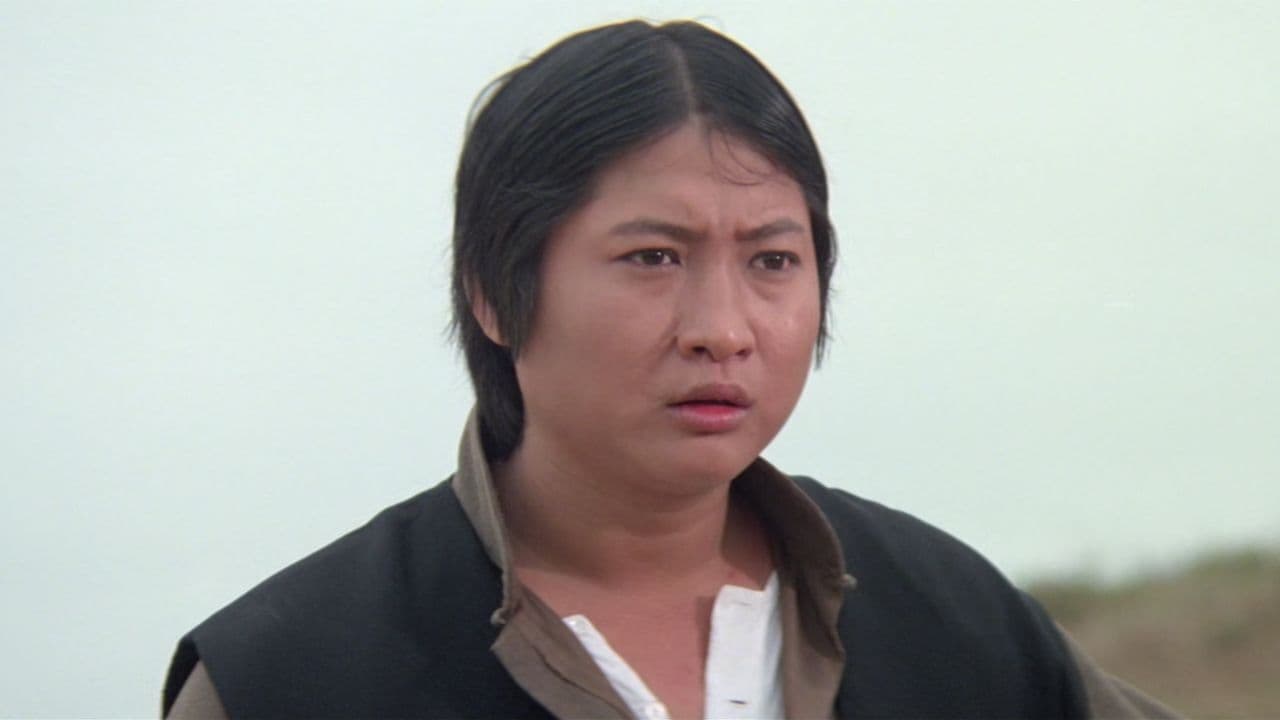
Dirty Tiger, Crazy Frog
1978 · Tiger
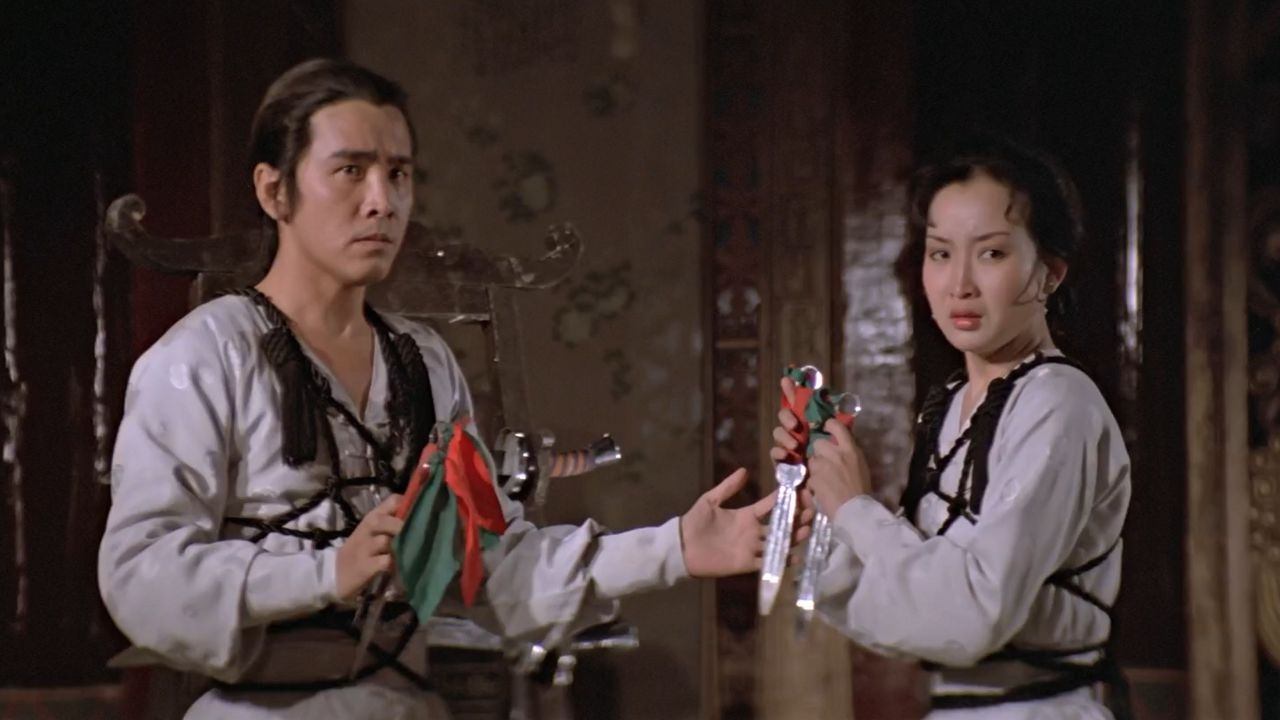
Shaolin Mantis
1978 · Master Tien, Gi Gi's Grandfather
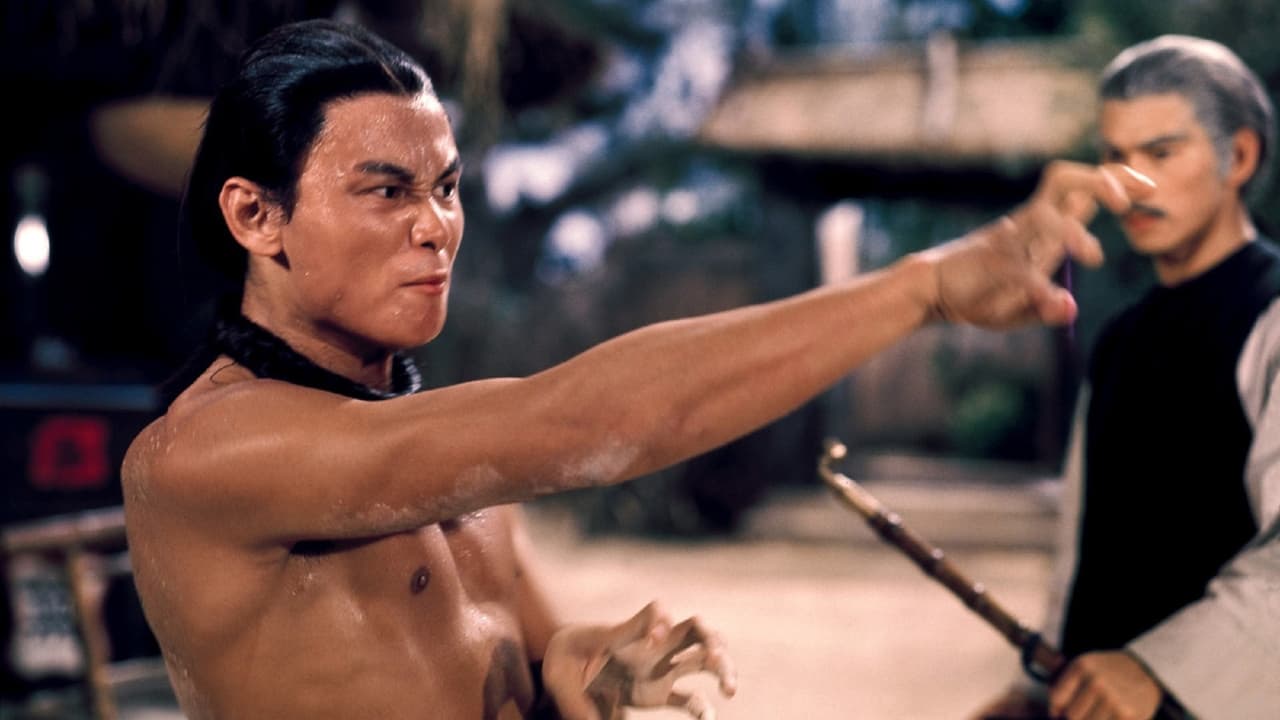
Challenge of the Masters
1976 · Officer Yuan Ching
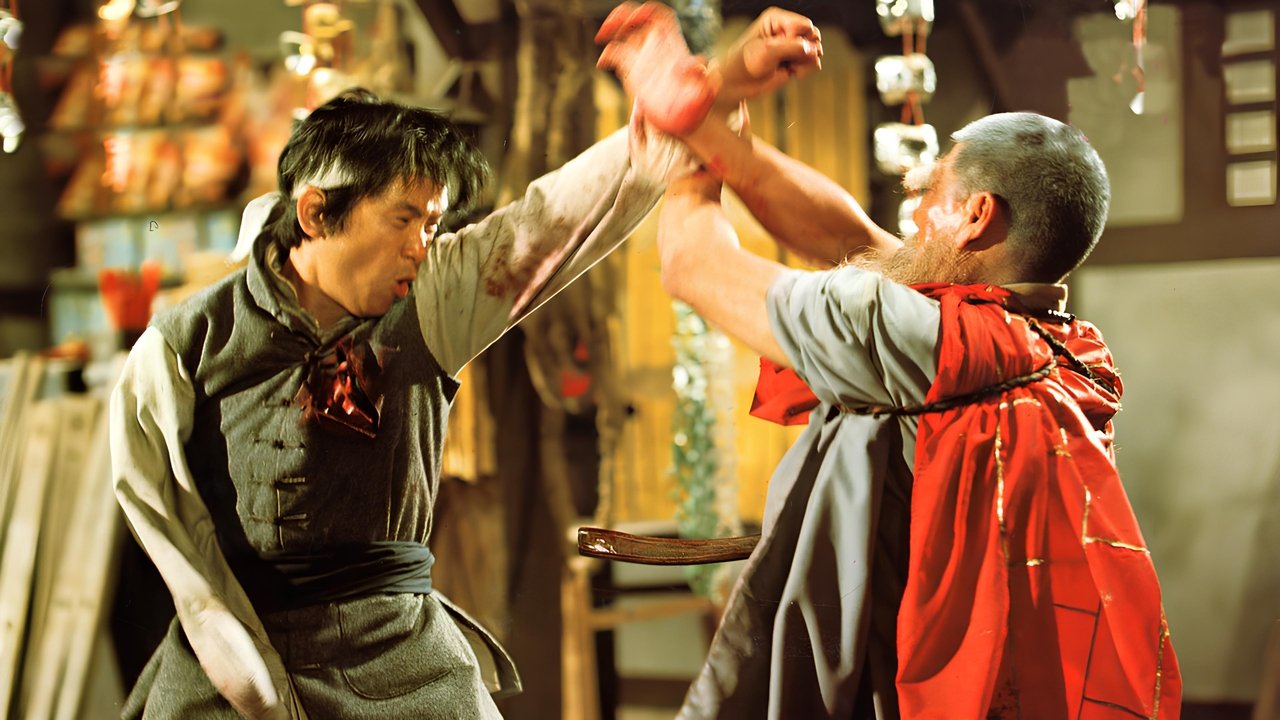
Master of the Flying Guillotine
1976 · Fighter with 3-section staff
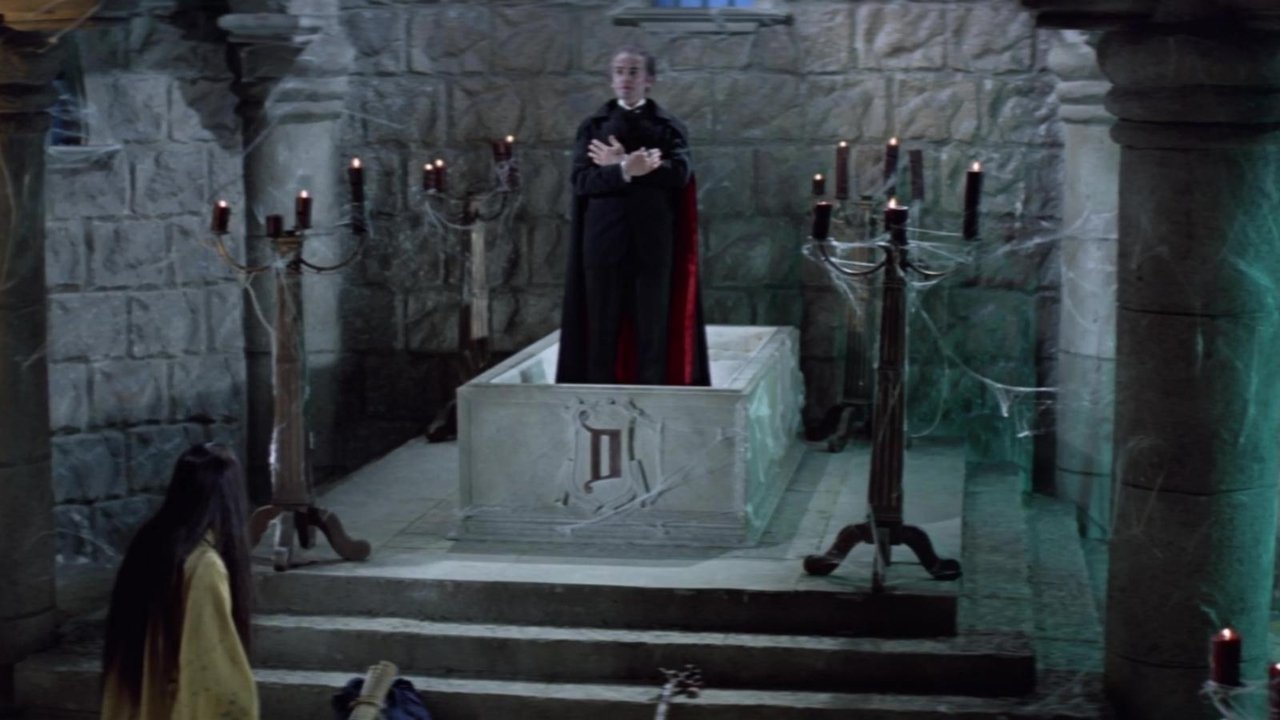
The Legend of the 7 Golden Vampires
1974 · Hsi Kwei (Archer)
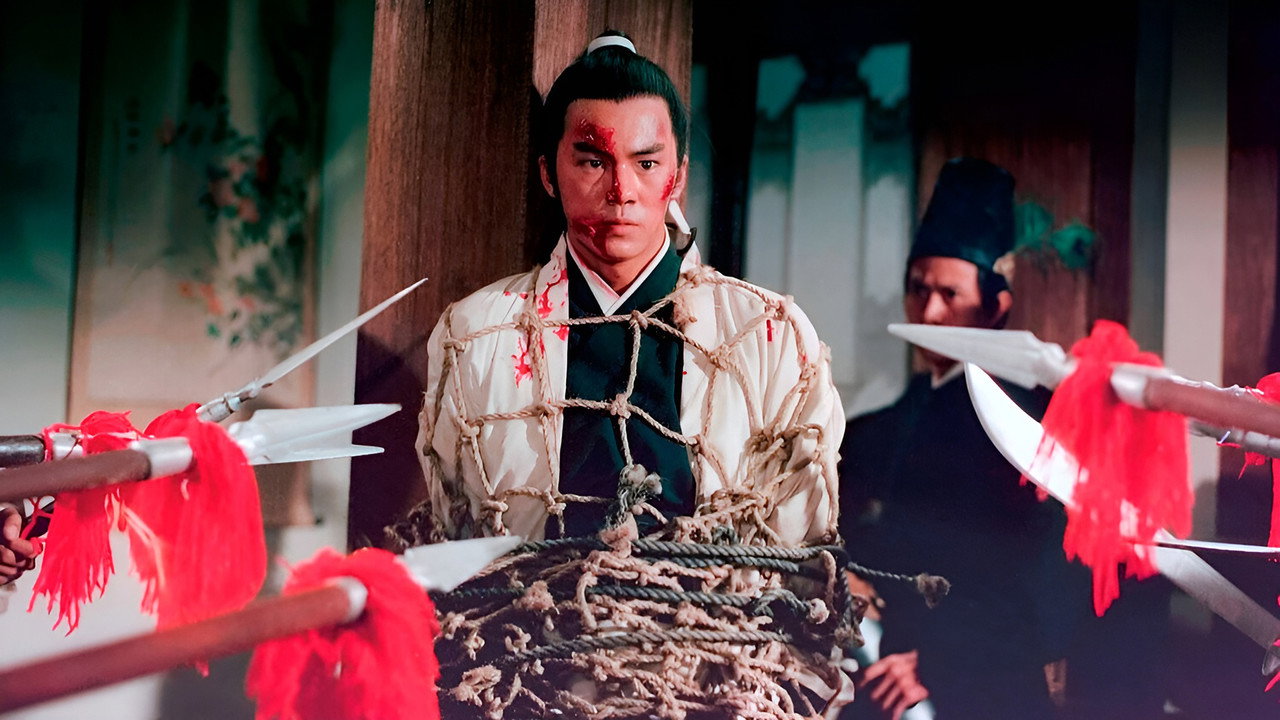
The Delightful Forest
1972 · Ximen Xing
Frequently asked questions
When and where was Lau Kar-Wing born?
Lau Kar-Wing was born 1944-01-01 in Jiangmen, Guangdong, China.
What films is Lau Kar-Wing known for?
Lau Kar-Wing has 15 titles indexed on Movie OTT, including Rouge: A Timeless Love Story Across the Ages, Kung Pow: Enter the Fist, Skinny Tiger, Fatty Dragon.
Where can I watch Lau Kar-Wing's films?
2 of Lau Kar-Wing's films are currently streaming, available on Amazon Prime Video with Ads, BFI Player, BFI Player Amazon Channel, BFI Player Apple TV Channel.
Has Lau Kar-Wing directed any films?
Yes — Lau Kar-Wing has 4 directorial credits indexed on Movie OTT.
How long has Lau Kar-Wing been active?
Lau Kar-Wing's film career on Movie OTT spans from 1972 to 2026 — 54 years of work.