The story of The 36th Chamber of Shaolin
The 36th Chamber of Shaolin follows Liu Yude, a young scholar drawn into a dangerous political uprising against Manchu oppression in 17th-century China. When his activist teacher recruits him into a rebellion, Liu's world collapses in violence—his father is killed, his school is destroyed, and he barely escapes with his life. Desperate and hunted, he flees to the legendary Shaolin Temple seeking refuge and, more importantly, the martial skills necessary to survive. What unfolds isn't a quick revenge narrative but a complete transformation. Liu must prove himself worthy of the monks' teachings, starting from the humblest position imaginable: sweeping leaves and maintaining the monastery grounds. The film's central tension—and its greatest strength—lies in this unglamorous beginning, where patience and discipline become more valuable than any sword.
Behind the making of The 36th Chamber of Shaolin
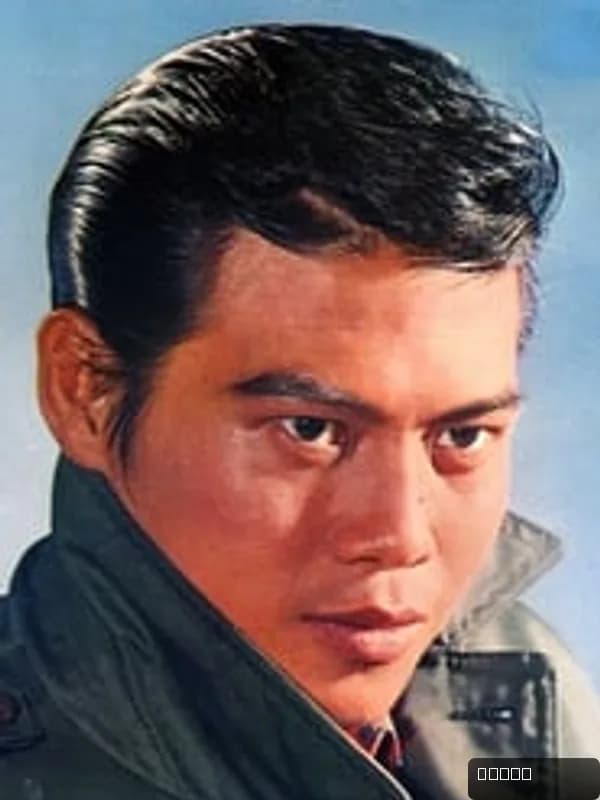
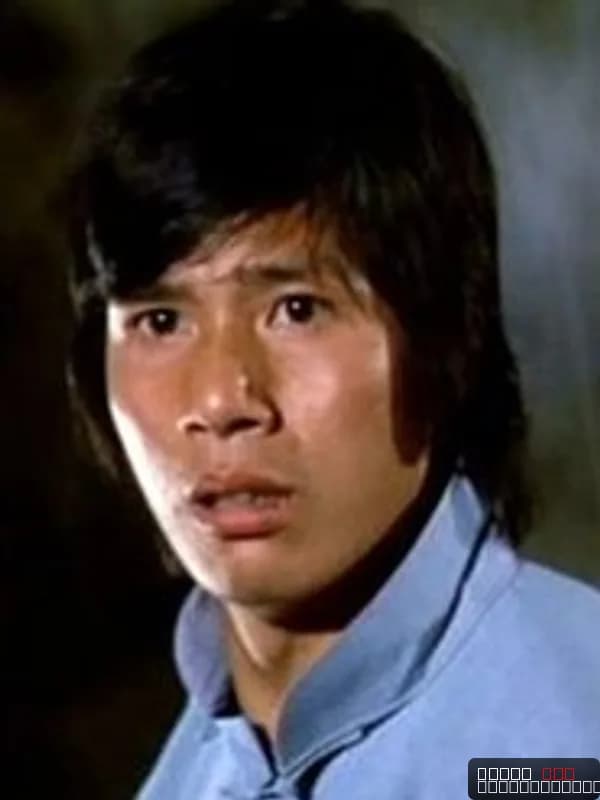
The 36th Chamber of Shaolin emerged from Shaw Brothers Studio, the legendary Hong Kong production house that defined the martial arts cinema boom of the 1970s. Director Lau Kar-Leung didn't just helm the film—he was a master martial artist himself, which fundamentally shaped how the action sequences were conceived and executed. Screenwriter Ni Kuang crafted a narrative loosely inspired by the historical San Te, a legendary Shaolin disciple, though the film takes considerable creative liberties with the historical record. Gordon Liu Chia-Hui carries the entire picture as Liu/San Te, supported by Lo Lieh as the formidable antagonist and a cast of Hong Kong character actors including Wilson Tong and John Cheung. The film runs 113 minutes and carries an R rating. Released in 1978, it became a benchmark for the genre—so influential that it spawned sequels and inspired countless imitators, though few have matched its authenticity. The picture earned critical recognition with an 83% Fresh rating on Rotten Tomatoes and a solid 7.6 on IMDb across over 20,000 votes, establishing itself as a genuinely respected work rather than mere exploitation fare.
What makes The 36th Chamber of Shaolin stand out
What's striking about this film is that it refuses to shortcut the training process. Most action movies would've had Liu mastering kung fu in a montage; instead, Lau Kar-Leung dedicates nearly half the runtime to watching him progress through increasingly difficult chambers of instruction. Each chamber teaches a specific weapon or technique—staff work, spear work, dual swords—and the progression feels earned rather than magical. The training sequences aren't just impressive; they're methodical, almost meditative in their repetition. You're watching real martial artists executing genuine techniques with precision, not stunt doubles or wire work (which is part of why it looks so different from modern action cinema). Gordon Liu's performance is understated in a way that works beautifully—he doesn't mug for the camera or deliver rousing speeches. He just absorbs punishment, learns, and gradually transforms. The action choreography by Lau himself captures something that's become increasingly rare in action filmmaking: the sense that combat is a skill that requires years of dedicated practice. When Liu finally faces off against his enemies in the film's climax, you believe he's earned every victory. Audience reviews consistently highlight the authenticity of the weapon work and the sheer length of the training montage as standout elements—it's the film's heart, not a distraction from the plot.
Where to stream The 36th Chamber of Shaolin online
The 36th Chamber of Shaolin is currently available to stream on Prime Video, making it accessible to a broad audience through Amazon's platform. If you're tracking where classic martial arts films are available, Movie OTT maintains an up-to-date guide to streaming availability across platforms, so you can confirm current access before you hit play. The film's 113-minute runtime makes it a manageable evening watch, though you'll want to set aside uninterrupted time to fully absorb the training sequences that make this picture special. Check the Where to Watch widget at the top of this page for real-time platform availability in your region.
Frequently asked questions
Q: Who directed The 36th Chamber of Shaolin?
Lau Kar-Leung directed the film, and his background as a master martial artist directly shaped the film's approach to action choreography. He didn't just film martial arts—he understood them from the inside.
Q: Is The 36th Chamber of Shaolin based on a true story?
The film draws loose inspiration from San Te, a legendary Shaolin disciple from the 17th century, but it's a highly fictionalized account. The training sequence and many plot details are inventions of screenwriter Ni Kuang.
Q: What's the runtime and rating?
The film runs 113 minutes and carries an R rating. It's substantial enough to feel like an event, not a quick diversion.
Q: How does The 36th Chamber of Shaolin compare to other martial arts films?
It's consistently ranked among the greatest kung fu films ever made, with an 83% Fresh rating on Rotten Tomatoes. What sets it apart is the authentic weapon work and the willingness to spend real time on training sequences rather than rushing to the action.
Q: Who stars in The 36th Chamber of Shaolin?
Gordon Liu Chia-Hui leads as Liu/San Te, with Lo Lieh as the antagonist and supporting performances from Wilson Tong, John Cheung, and other Hong Kong character actors.
Final thoughts on The 36th Chamber of Shaolin
If you're serious about martial arts cinema, this isn't optional viewing—it's foundational. The 36th Chamber of Shaolin respects both its audience and its subject matter in ways that feel increasingly rare. It doesn't waste time with exposition you don't need, doesn't oversell emotional beats, and doesn't pretend that becoming a master fighter is anything other than brutal, repetitive, unglamorous work. That's the film's quiet power. Nearly fifty years later, it still holds up as the definitive statement on how to film authentic martial arts training, and it remains the standard against which other kung fu films are measured. Whether you're a longtime fan revisiting it or discovering it for the first time on Prime Video, you're in for something genuinely special.