Actor & Director
Lo Lieh
41 films on Movie OTT · 1 as director · Active 1968–1992
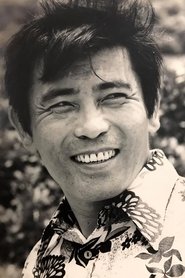
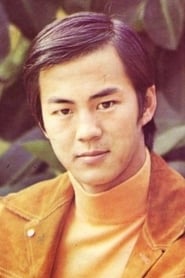
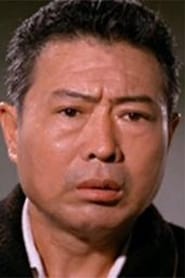
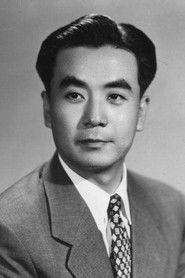
Lo Lieh — born Wang Lap Tat on June 29, 1939, in Pematang Siantar, Indonesia — spent roughly three decades as one of Hong Kong cinema's most recognizable faces, a performer whose range stretched from stoic hero to genuinely unsettling villain without ever losing that coiled, physical authority that made him impossible to ignore (Wikipedia). He's probably best known internationally for King Boxer (1972), released in many markets as Five Fingers of Death, where his portrayal of Chao Chih-Hao helped crack open Western audiences to Shaw Brothers-style kung fu in a way that few films had managed before. That film didn't just launch a career — it helped reshape what international distributors thought Asian martial arts cinema could do at the box office.
About Lo Lieh
Lo Lieh — born Wang Lap Tat on June 29, 1939, in Pematang Siantar, Indonesia — spent roughly three decades as one of Hong Kong cinema's most recognizable faces, a performer whose range stretched from stoic hero to genuinely unsettling villain without ever losing that coiled, physical authority that made him impossible to ignore (Wikipedia). He's probably best known internationally for King Boxer (1972), released in many markets as Five Fingers of Death, where his portrayal of Chao Chih-Hao helped crack open Western audiences to Shaw Brothers-style kung fu in a way that few films had managed before. That film didn't just launch a career — it helped reshape what international distributors thought Asian martial arts cinema could do at the box office.
What's striking, looking back at his filmography, is how comfortably Lo Lieh moved between protagonist and antagonist across a career spanning well over 100 films. By 1978 he was playing General Tien Ta in The 36th Chamber of Shaolin — the oppressive, almost mythically cruel figure standing between Gordon Liu's San Te and any hope of justice. It's a villain role, sure, but it's one that demands a kind of commanding stillness that not every actor can pull off. He also brought a distinct menace to Miyamoto in Fist of Fury II (1977), another antagonist turn that showed he wasn't precious about playing the bad guy when the role called for it (TMDB).
He continued working consistently through the 1980s and into the 1990s, eventually taking on more television and character work as Hong Kong's film landscape shifted around him. Lo Lieh died on November 2, 2002, leaving behind a body of work that remains essential viewing for anyone serious about the kung fu genre (TMDB).
Currently streaming
3 of 41 on platformsEarly life & background
Lo Lieh was born Wang Lap Tat on June 29, 1939, in Pematang Siantar, Indonesia, according to TMDB records. He would later relocate to Hong Kong, where his acting career took shape under the stage name Lo Lieh — a name that became far better known than his birth name in film circles. Details about his family background, formal education, or the specific circumstances of his move to Hong Kong aren't well documented in available sources. What the record does confirm is that he was Indonesian-born and Hong Kong-based, a background that made him part of a broader wave of talent that helped define the city's film industry during its most internationally influential decades (Wikipedia).
Career
Cite this page
For Wikipedia, journalism, or academic references — copy the citation below:
Movie OTT. "Lo Lieh." Accessed Sep 14, 2026. https://movieott.com/talent/lo-liehCross-references: Wikipedia
Last updated June 30, 2026 · Sources: tmdb+wikipedia+tmdb-credits+ai-claude
Filmography
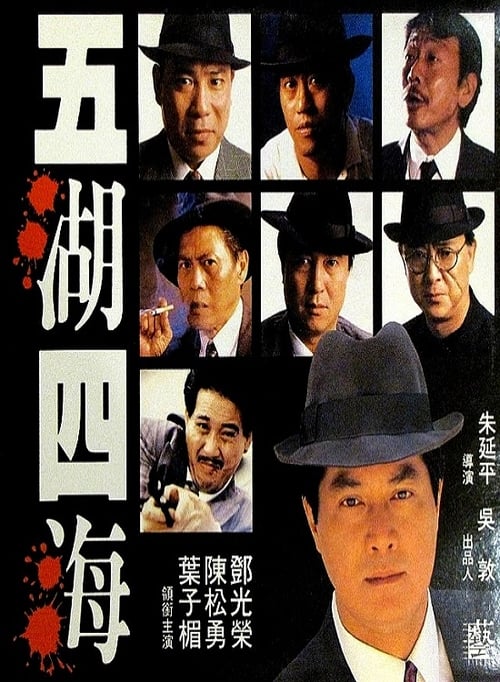
Requital
1992 · Chi

Sex and Zen
1991 · Cat Burglar Sai Kunlun
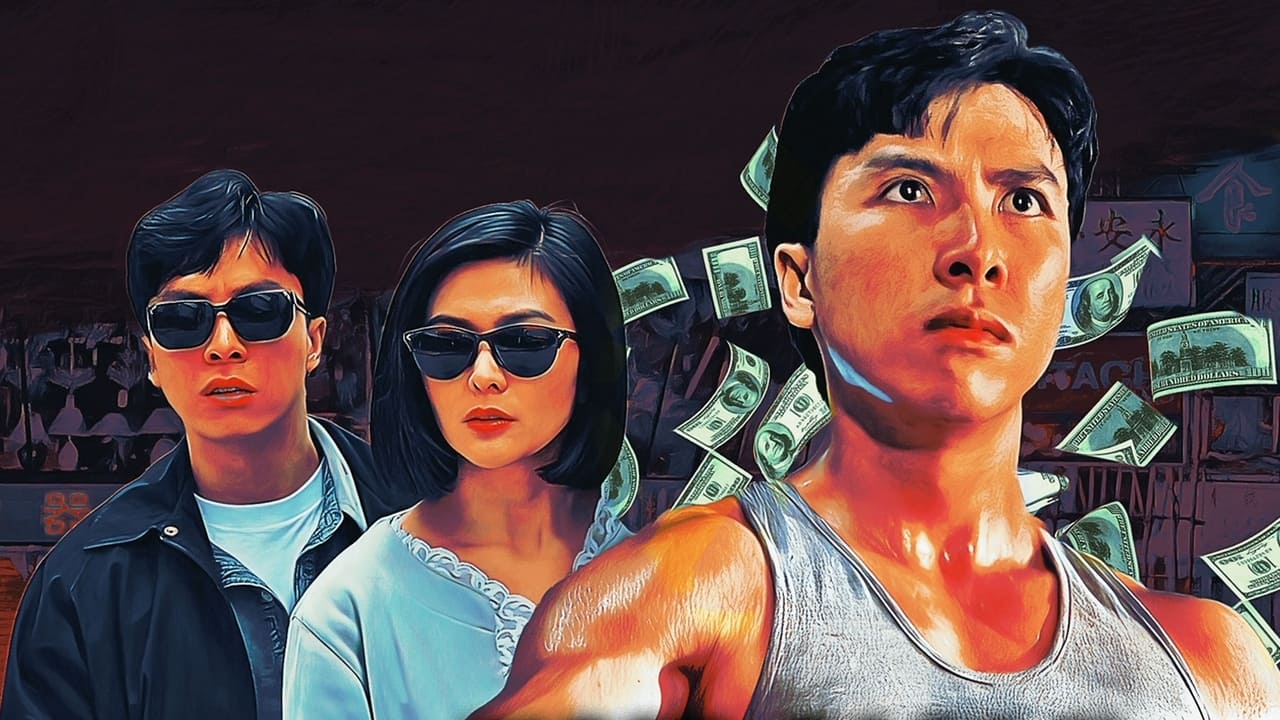
Tiger Cage II
1990 · Uncle Chiu

In the Line of Duty 5: Middle Man
1990 · Cast
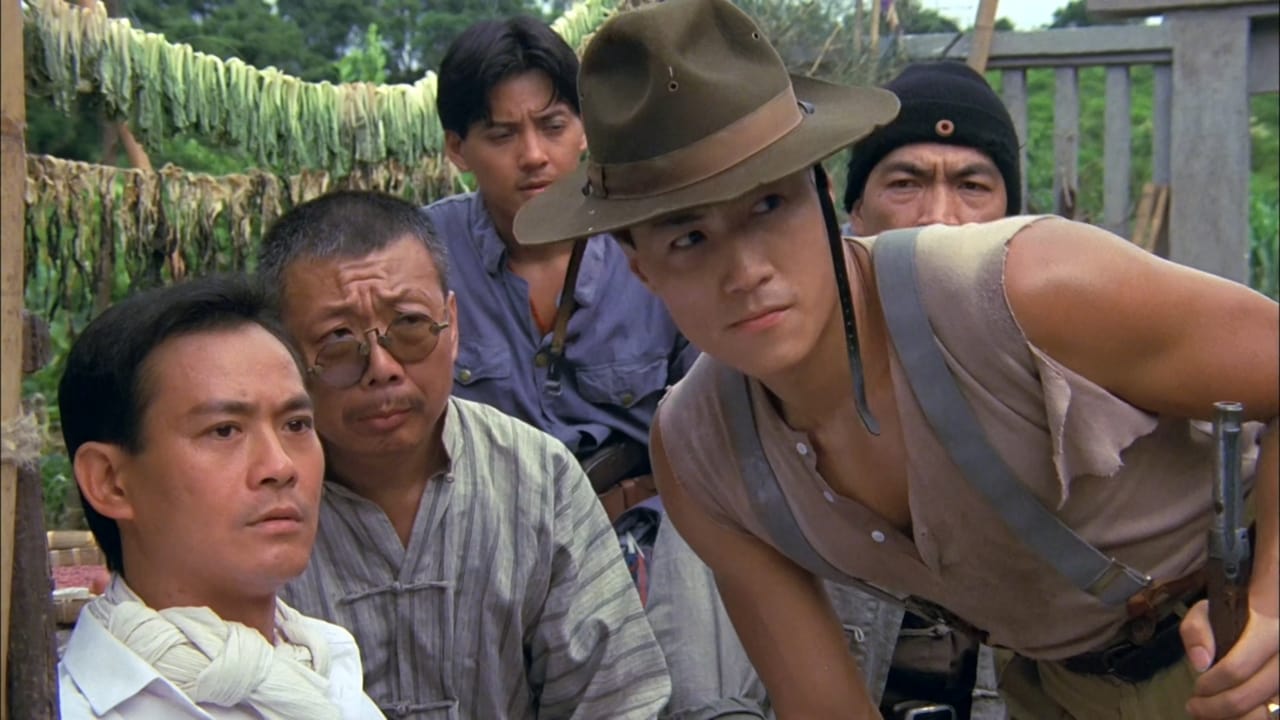
Seven Warriors
1989 · Piu
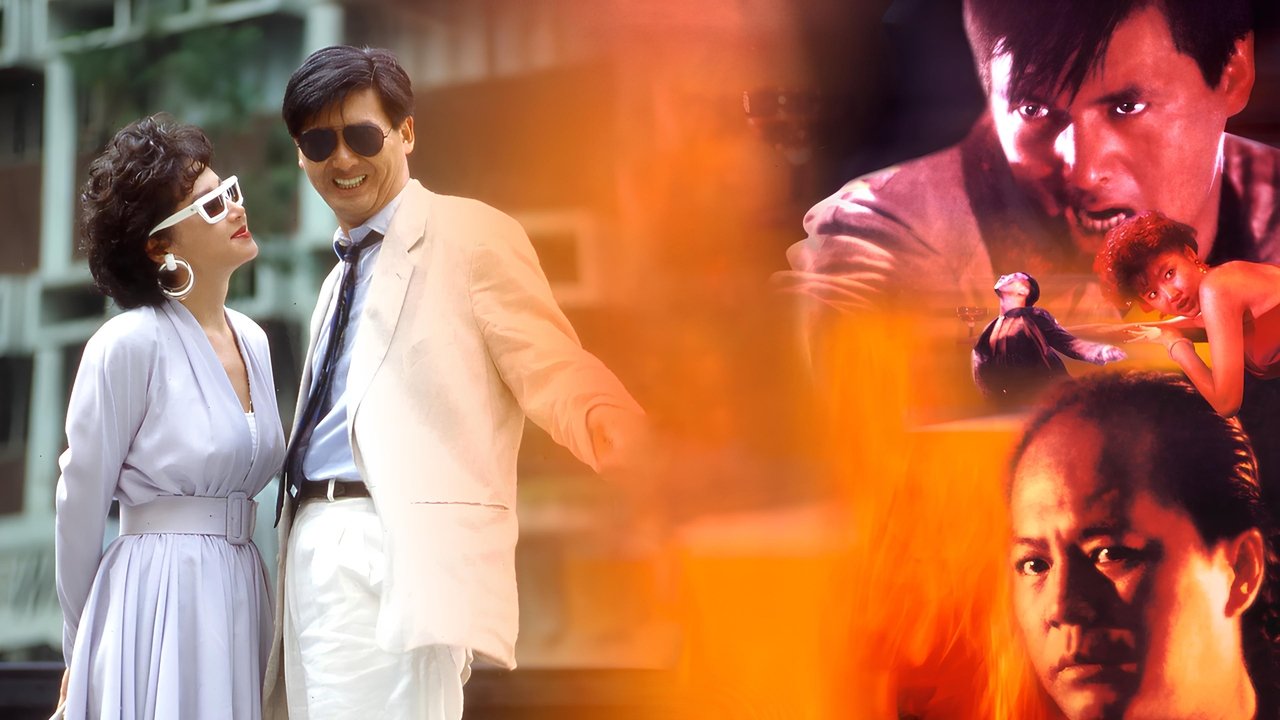
City War
1988 · Boss Kuen

On the Run
1988 · Hsi, Sunglasses Policeman
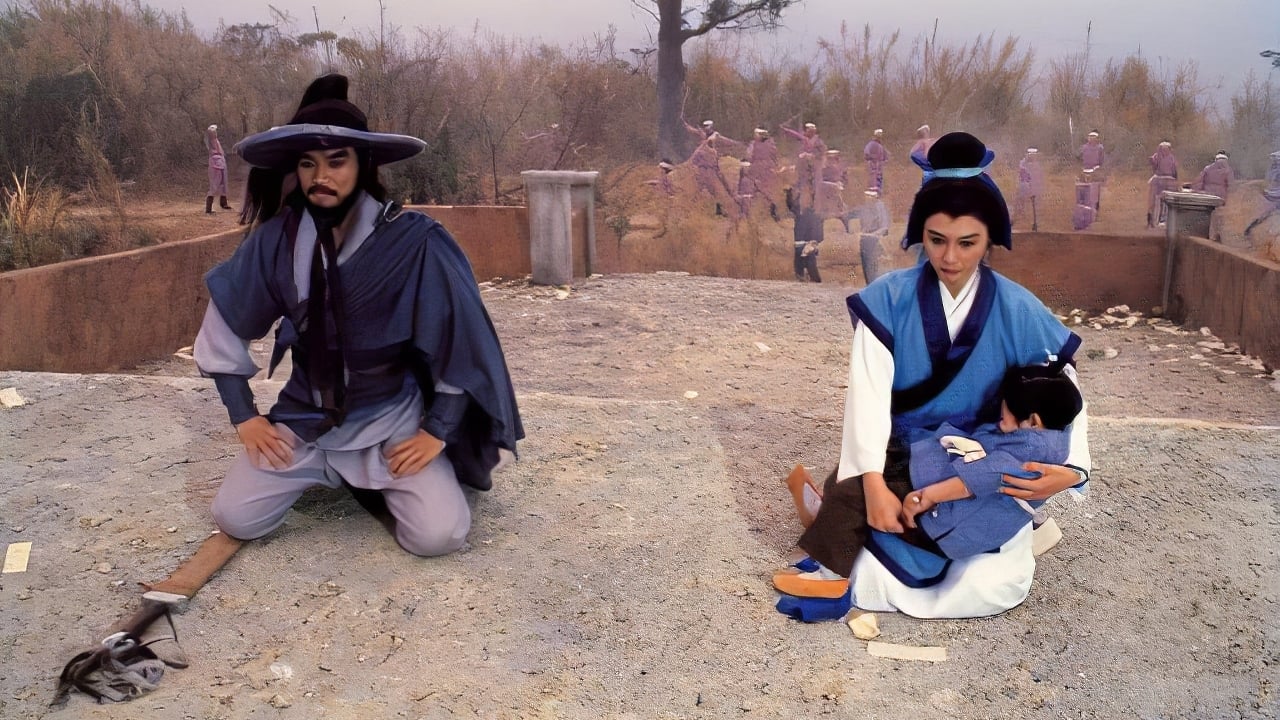
Secret Service of the Imperial Court
1984 · Chao Wu-Chi
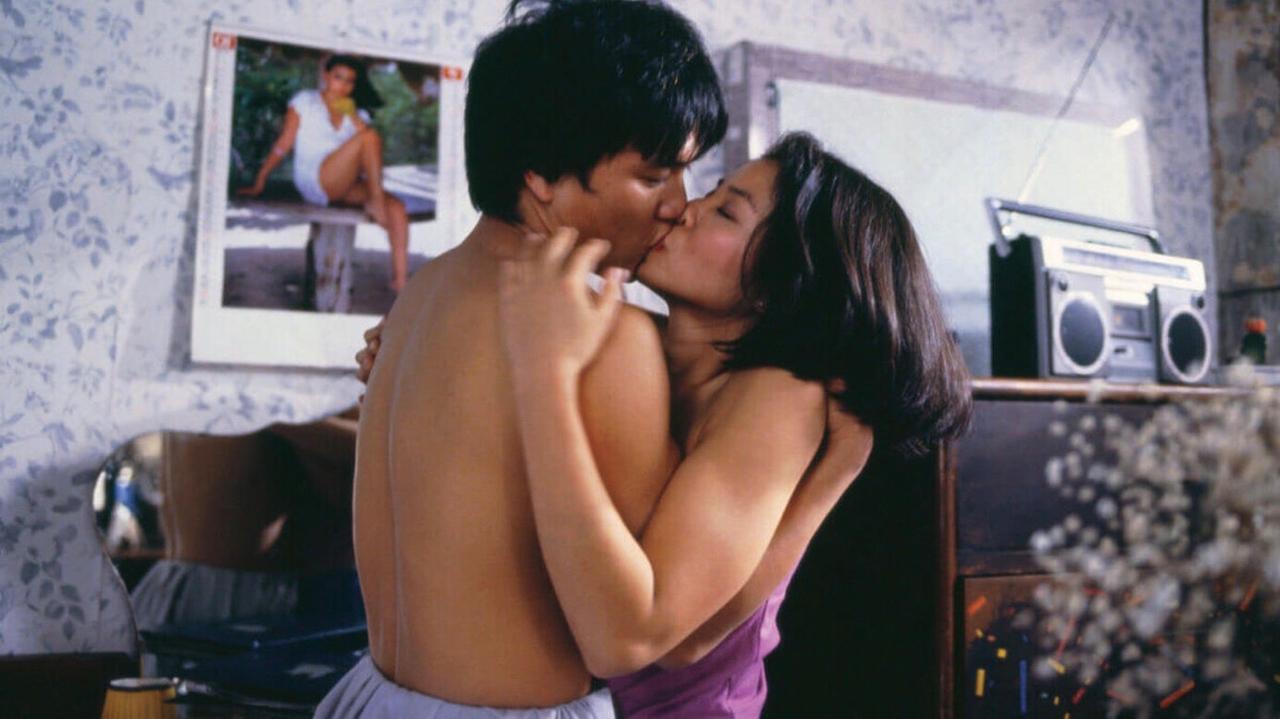
Hong Kong, Hong Kong
1983 · Lee Cheung
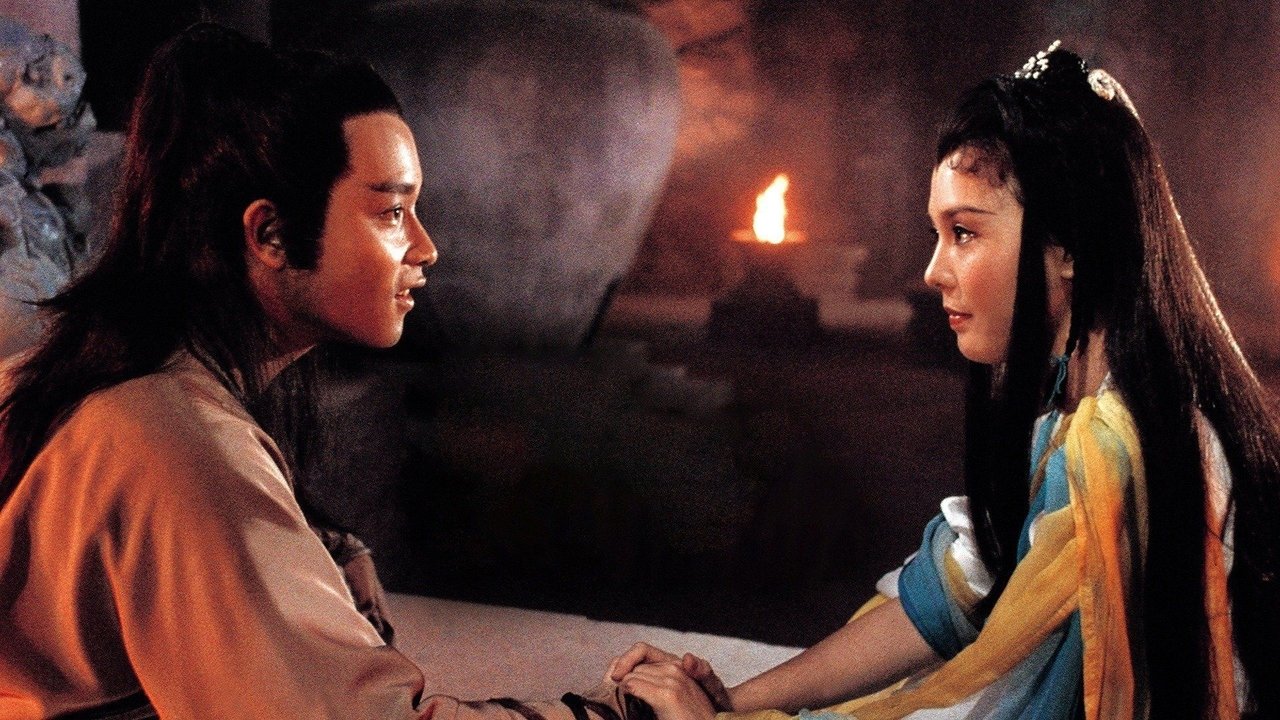
Little Dragon Maiden
1983 · Ouyang Feng
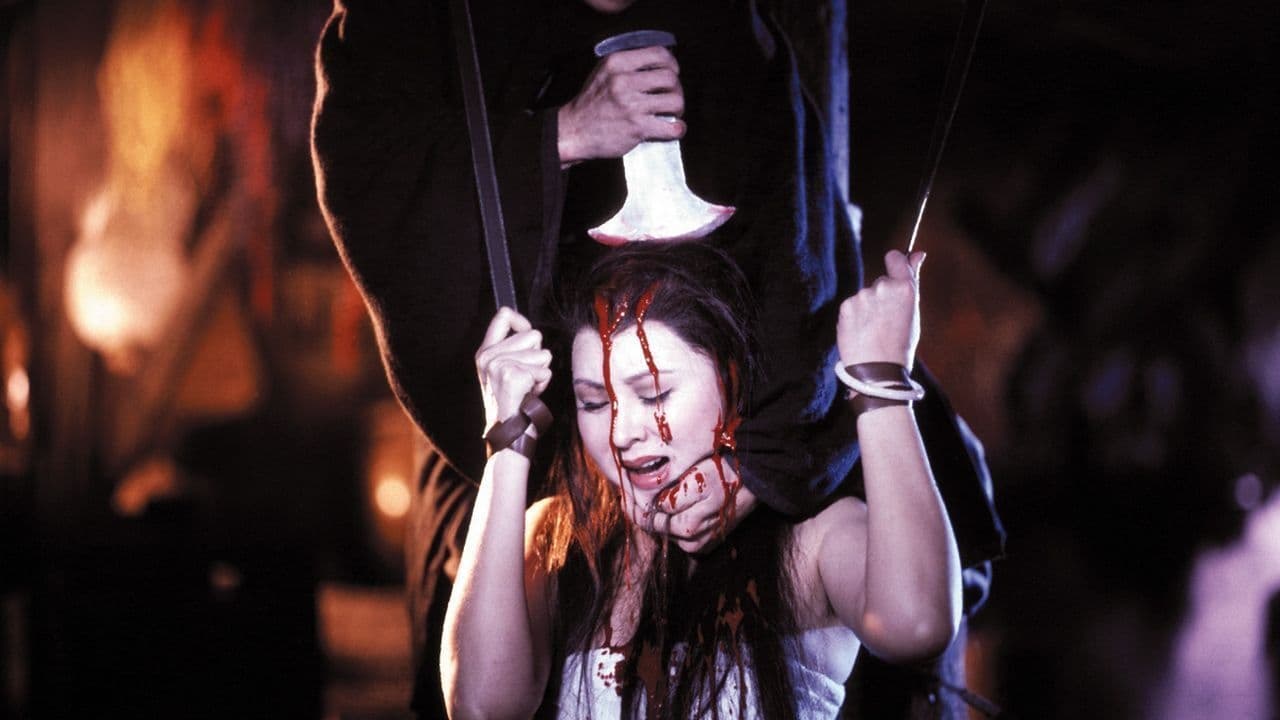
Human Lanterns
1982 · Chao Chun Fang
Buddha's Palm
1982 · Bi Gu of East Island

Return of the Sentimental Swordsman
1981 · Hu Bugui
The Emperor and His Brother
1981 · Chang Chao Chung
Dangerous Encounters of the First Kind
1980 · Officer Tan
Clan of the White Lotus
1980 · Cast, Director
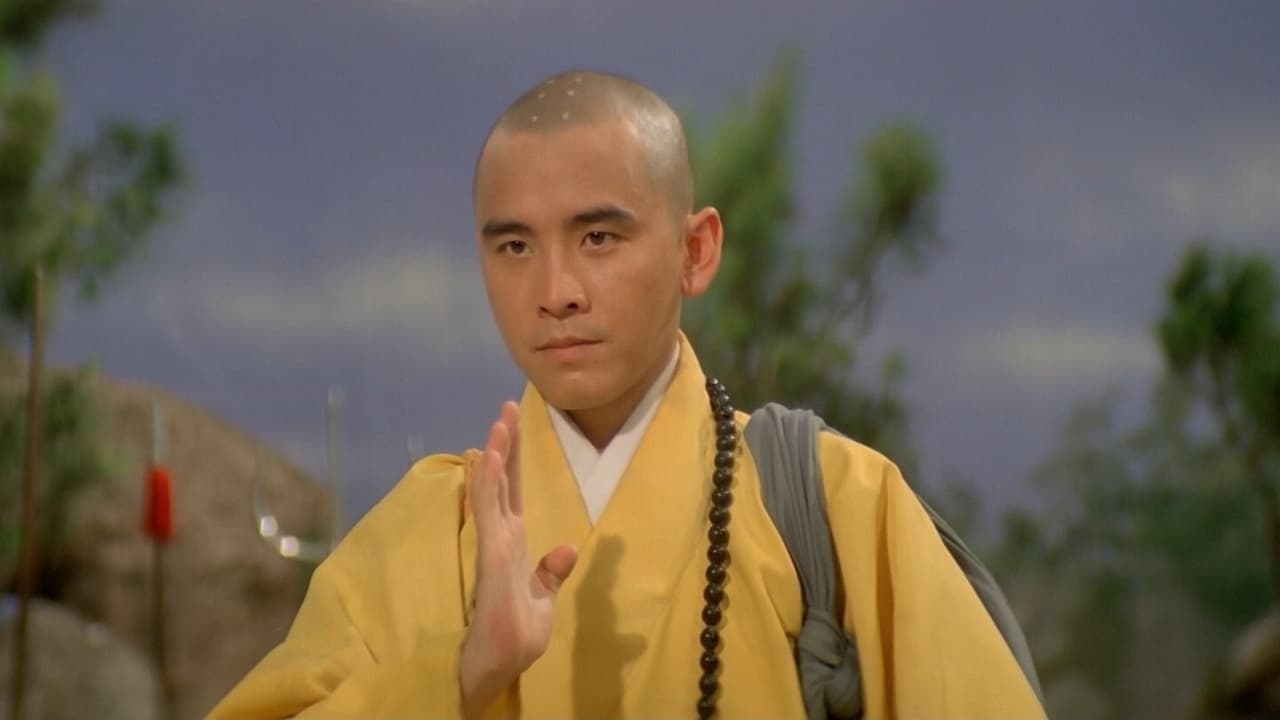
Shaolin Abbot
1979 · Pai Mei
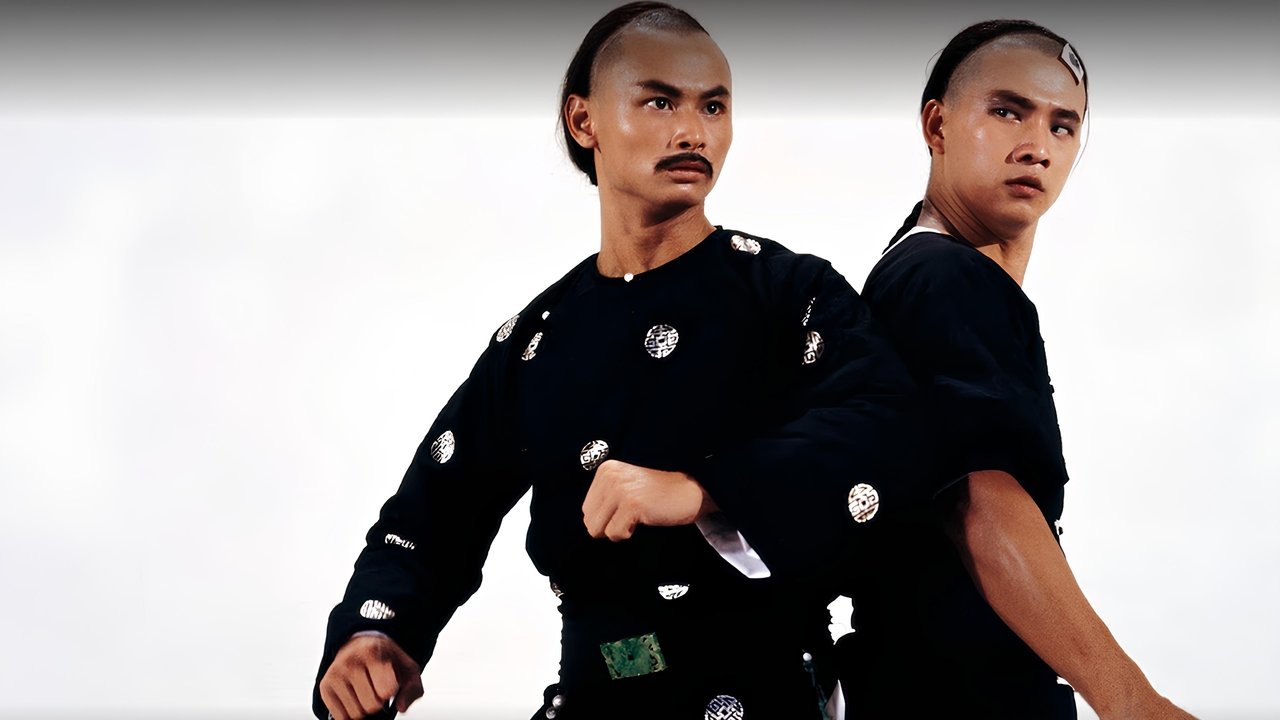
Dirty Ho
1979 · General Liang Jing Cheng
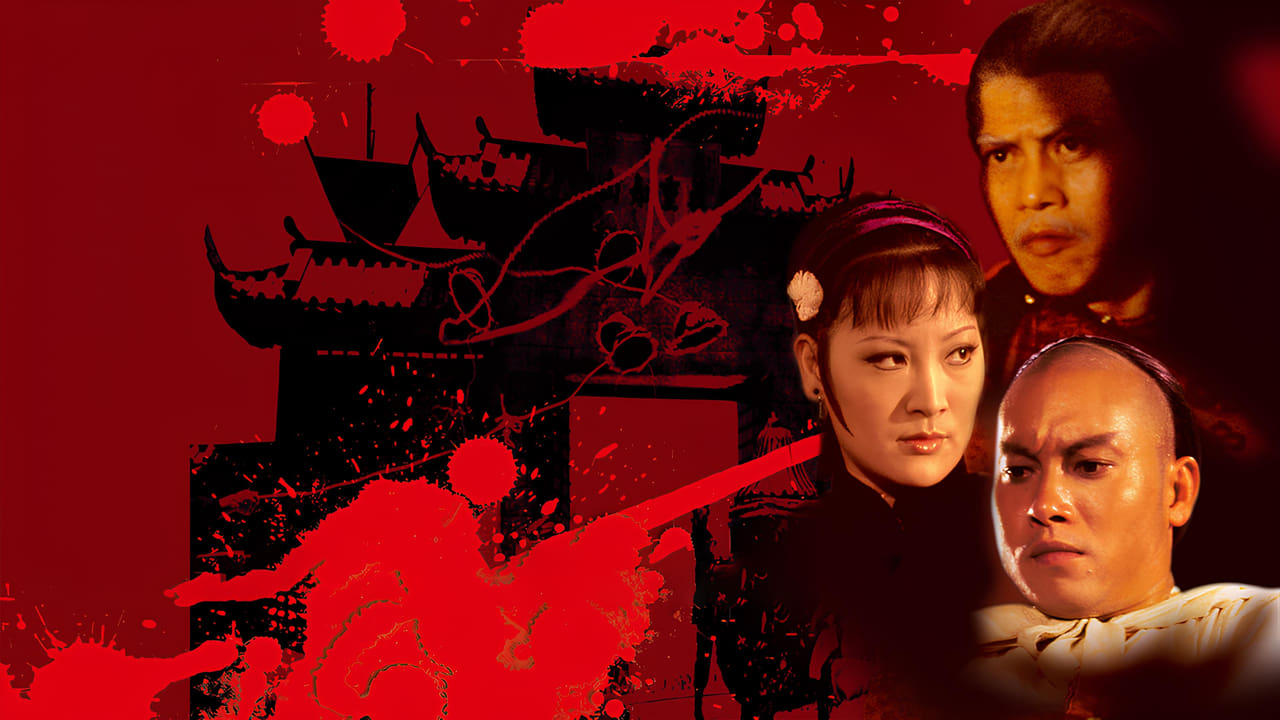
The Vengeful Beauty
1978 · Jin Gang Feng
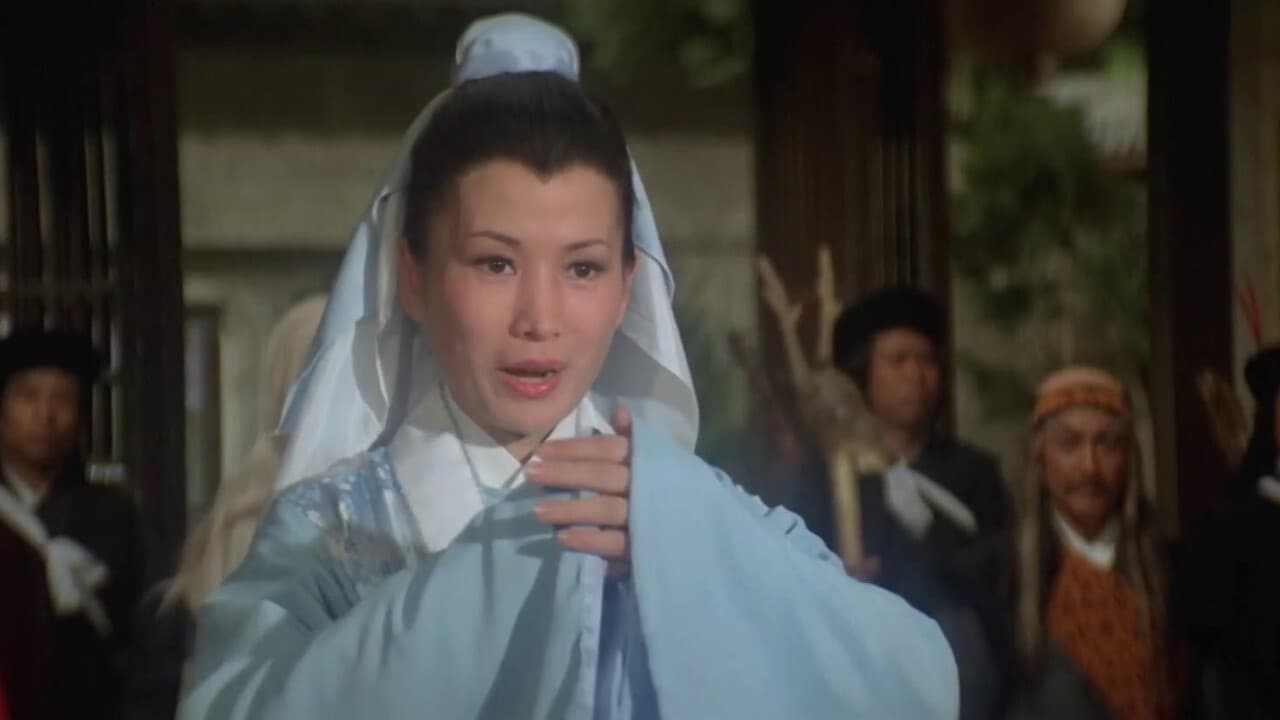
Heaven Sword and Dragon Sabre
1978 · Golden Hair Lion Tse Shun
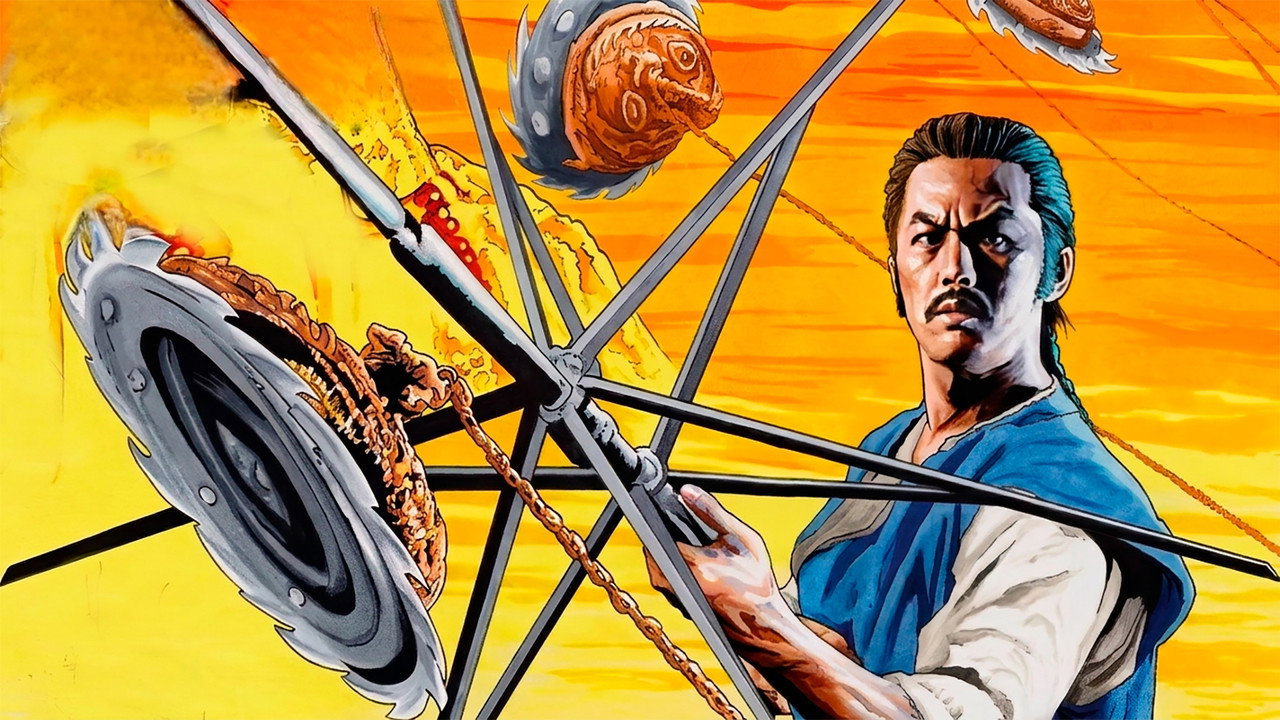
Flying Guillotine II
1978 · Lord Bao Ying
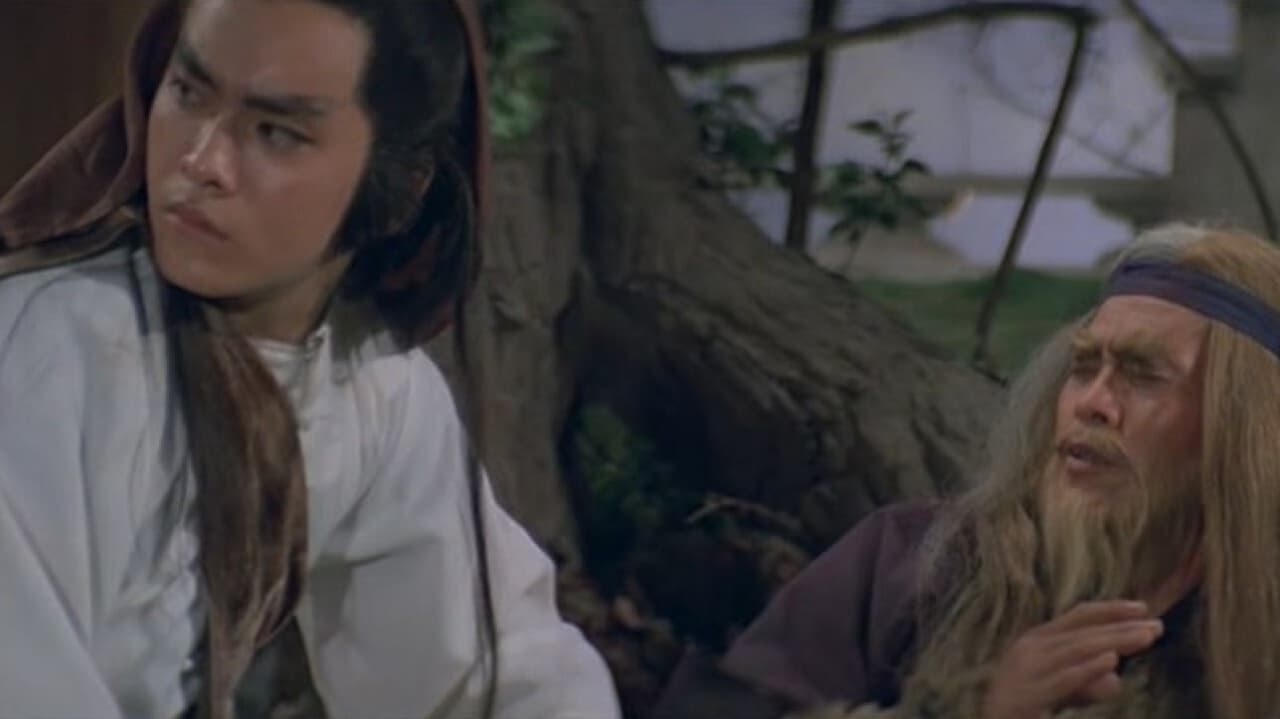
Heaven Sword and Dragon Sabre II
1978 · Lion King Tse Shun
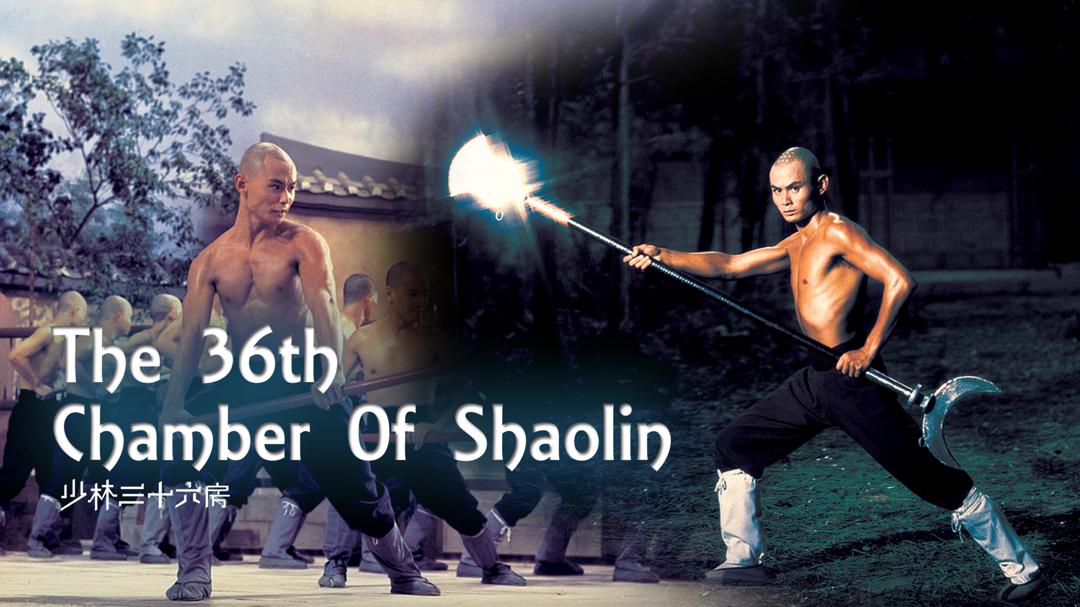
The 36th Chamber of Shaolin
1978 · Cast
Shaolin Hand Lock
1978 · Lin Hao
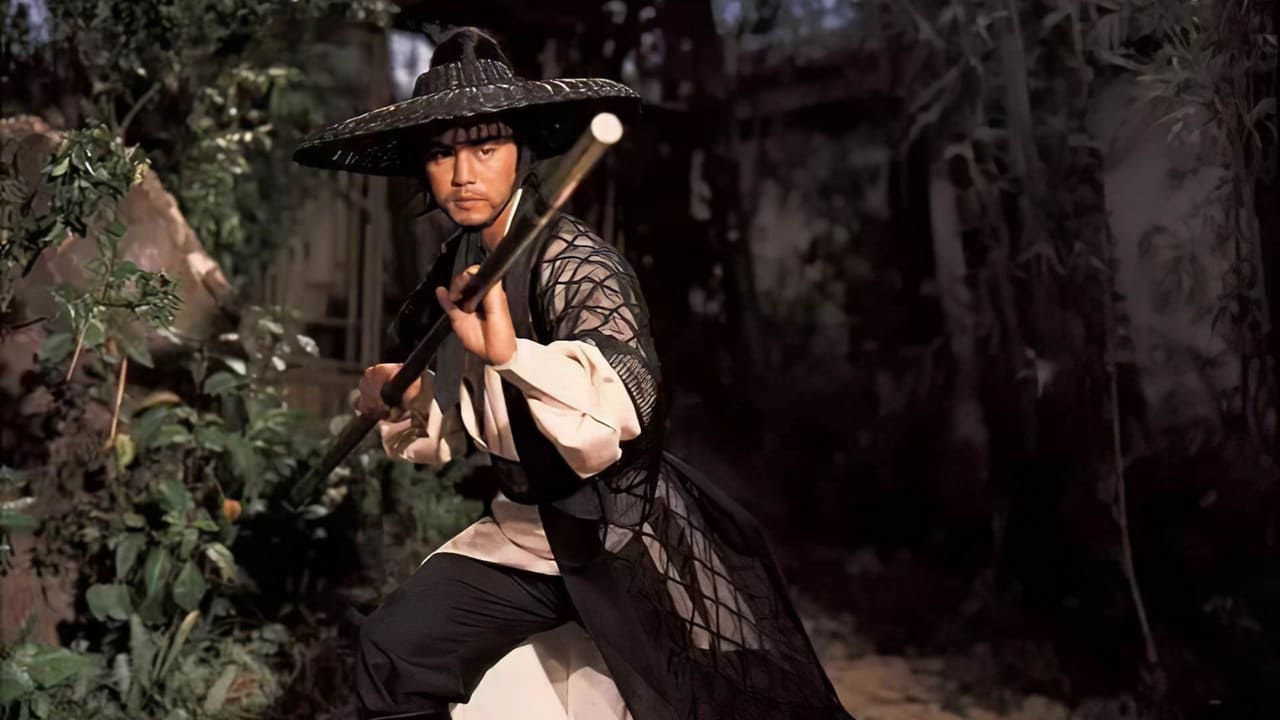
The Jade Tiger
1977 · Tang Chueh
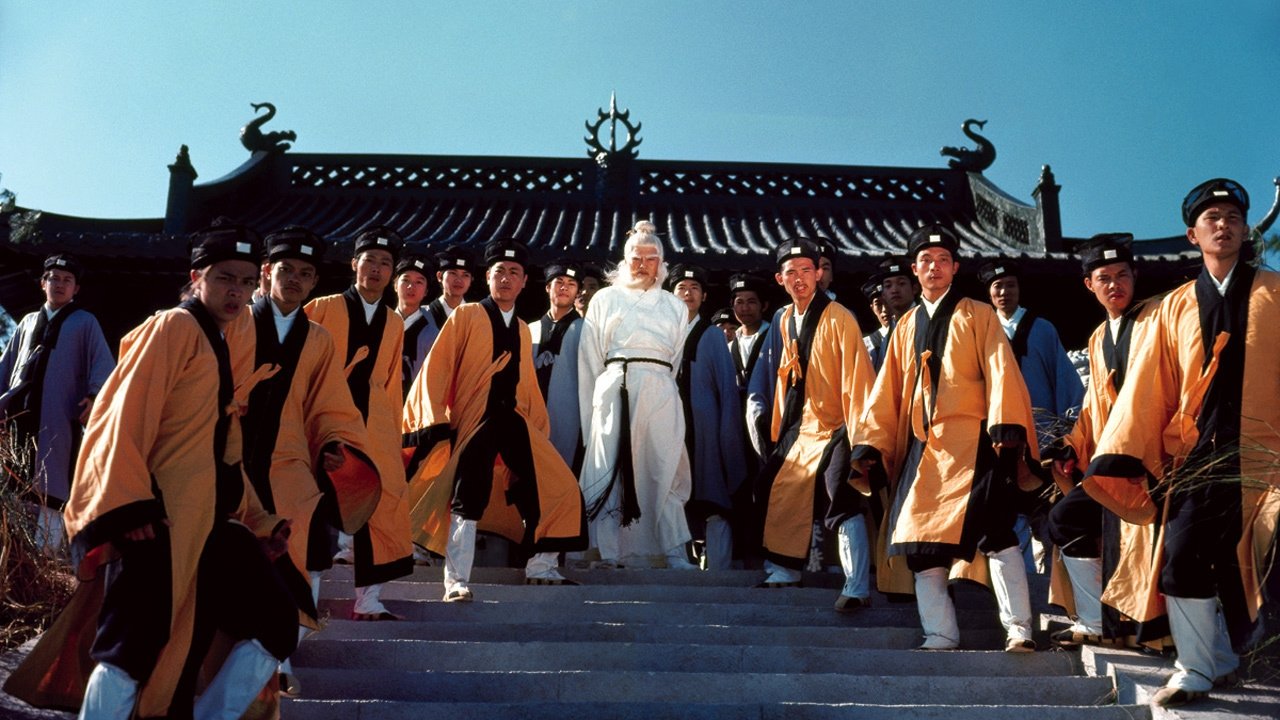
Executioners from Shaolin
1977 · Priest Bai Mei
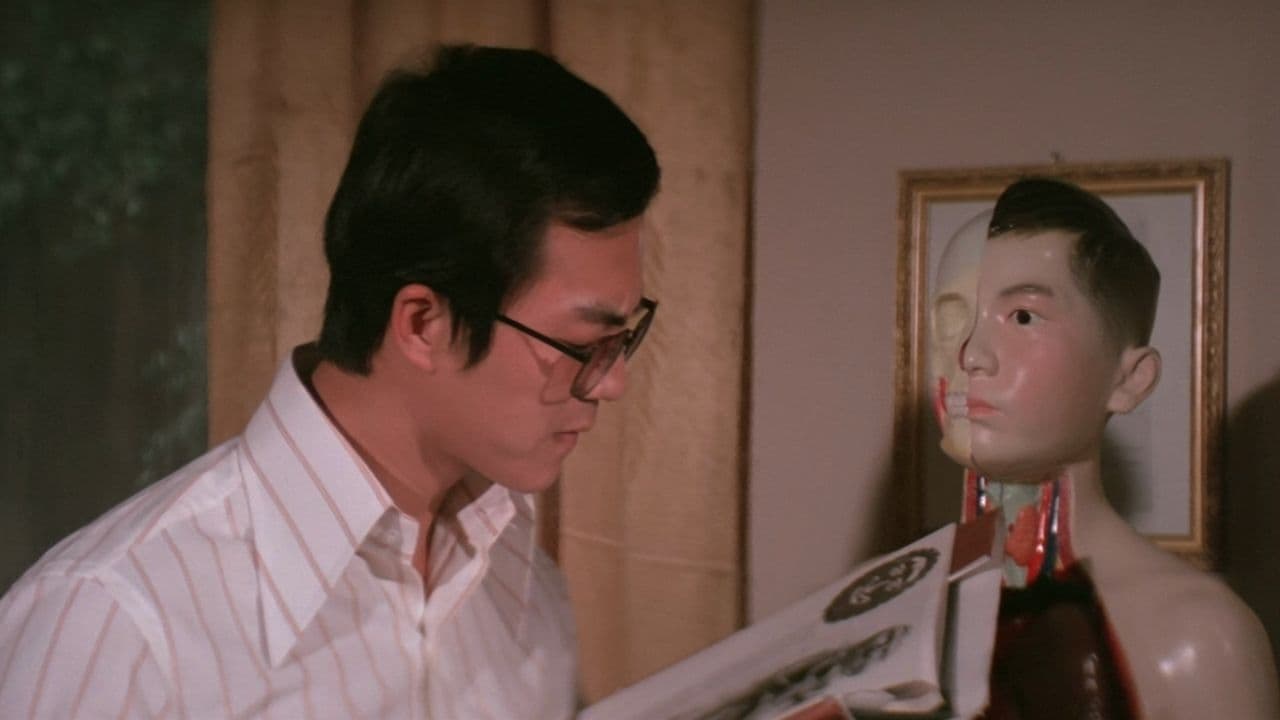
Black Magic 2
1976 · Magican Kang Cong
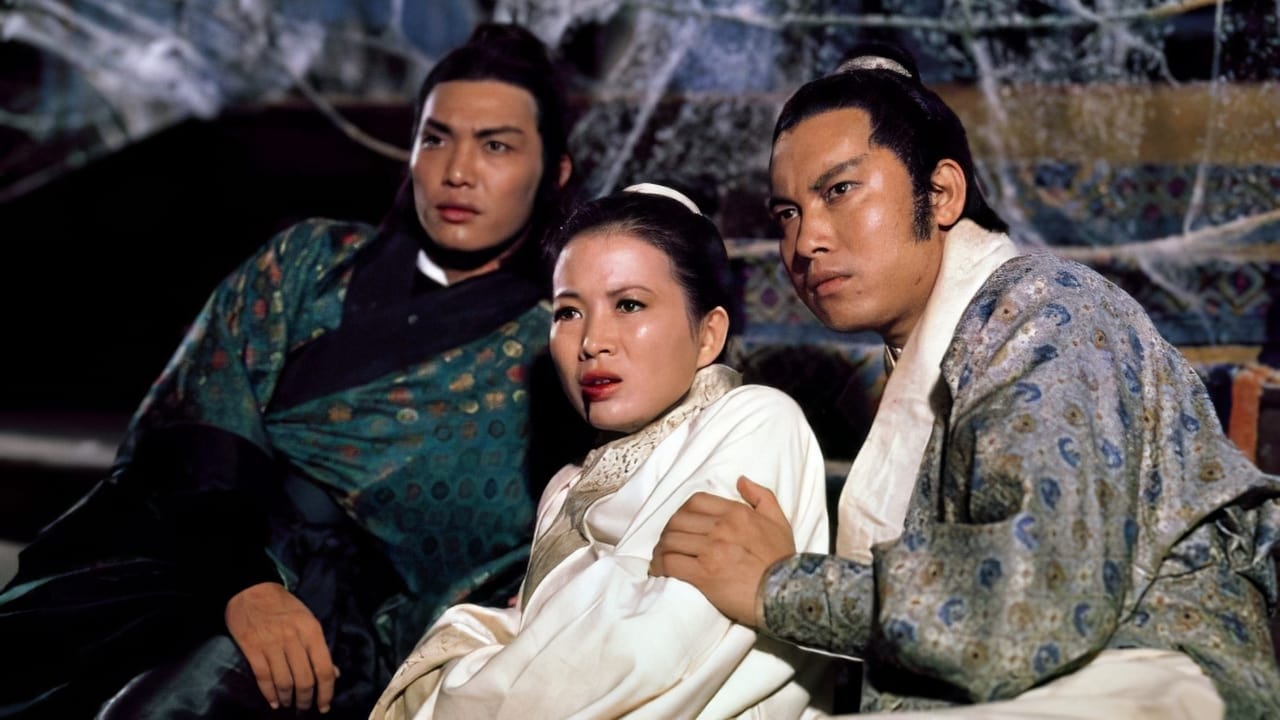
The Web of Death
1976 · Liu Shen
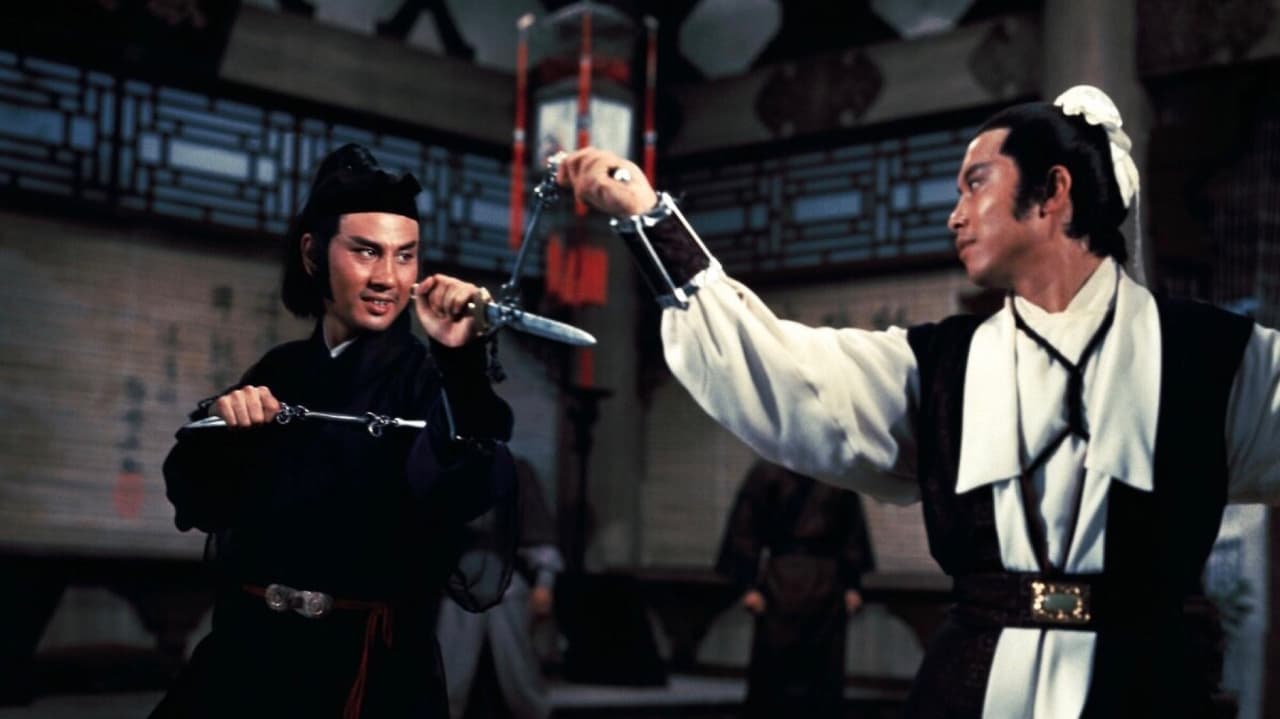
Killer Clans
1976 · Han Tang
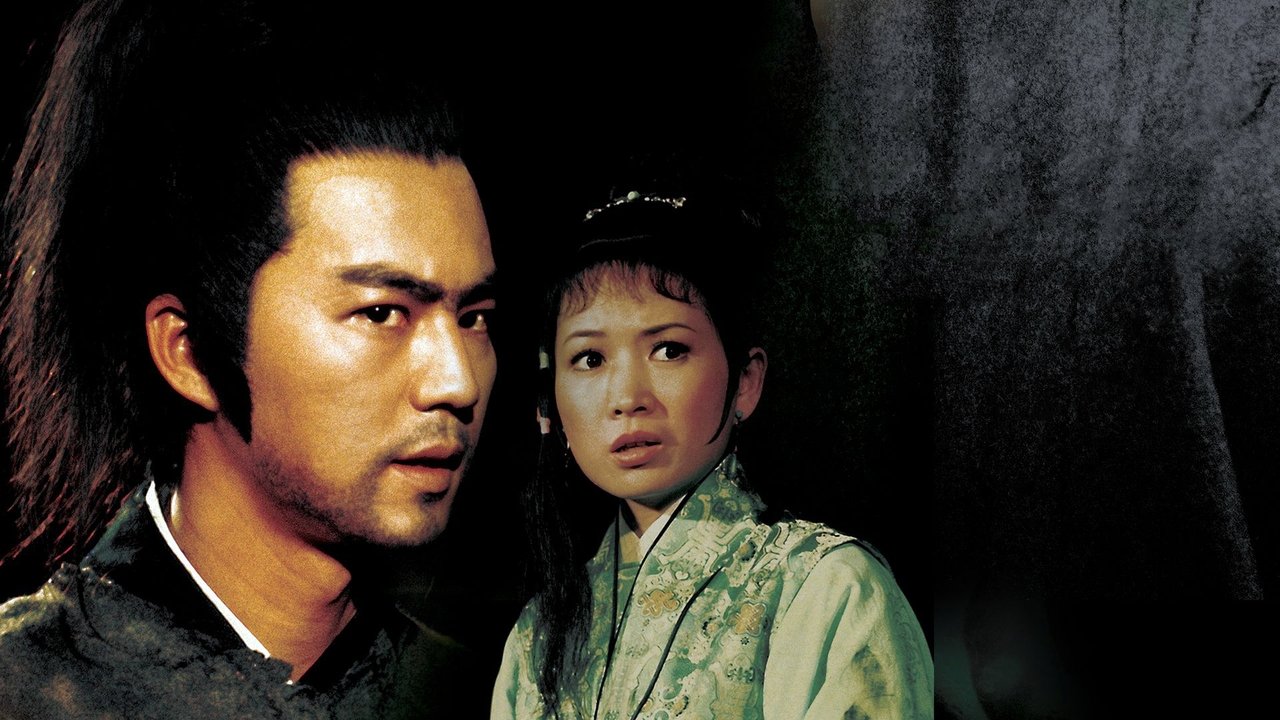
The Magic Blade
1976 · Yen Nan-fei
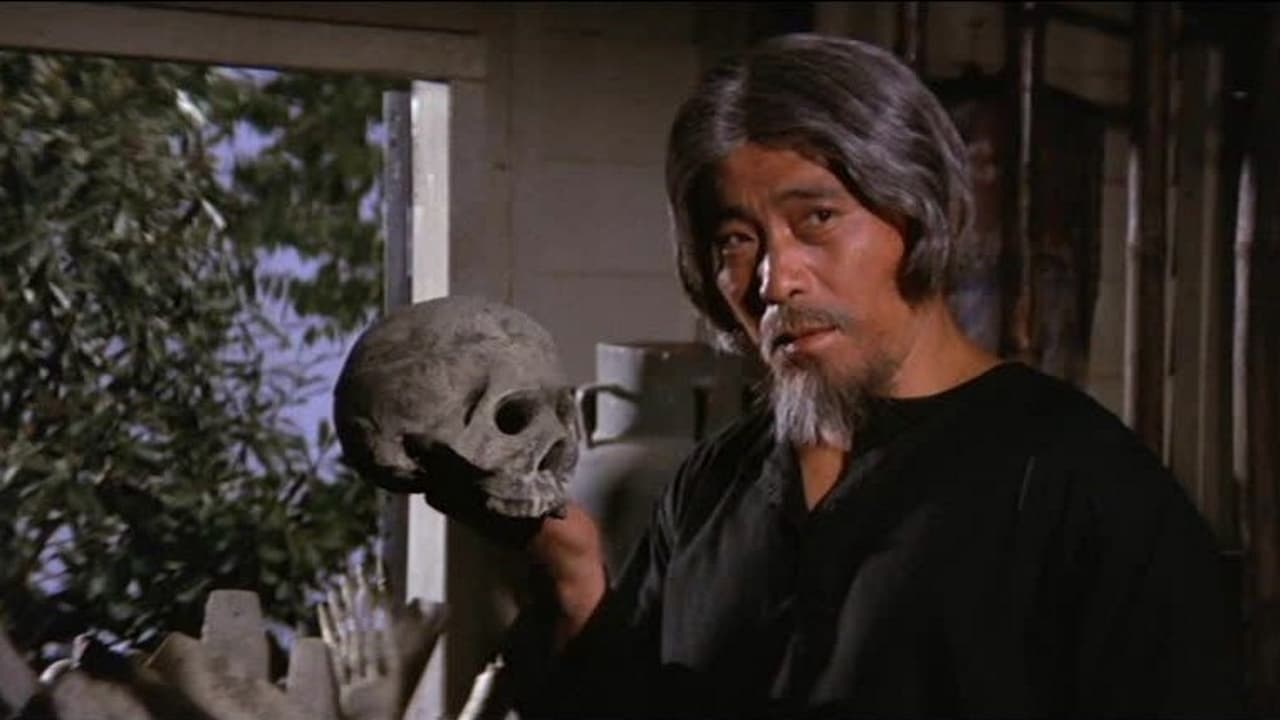
Black Magic
1975 · Liang Chia Chieh
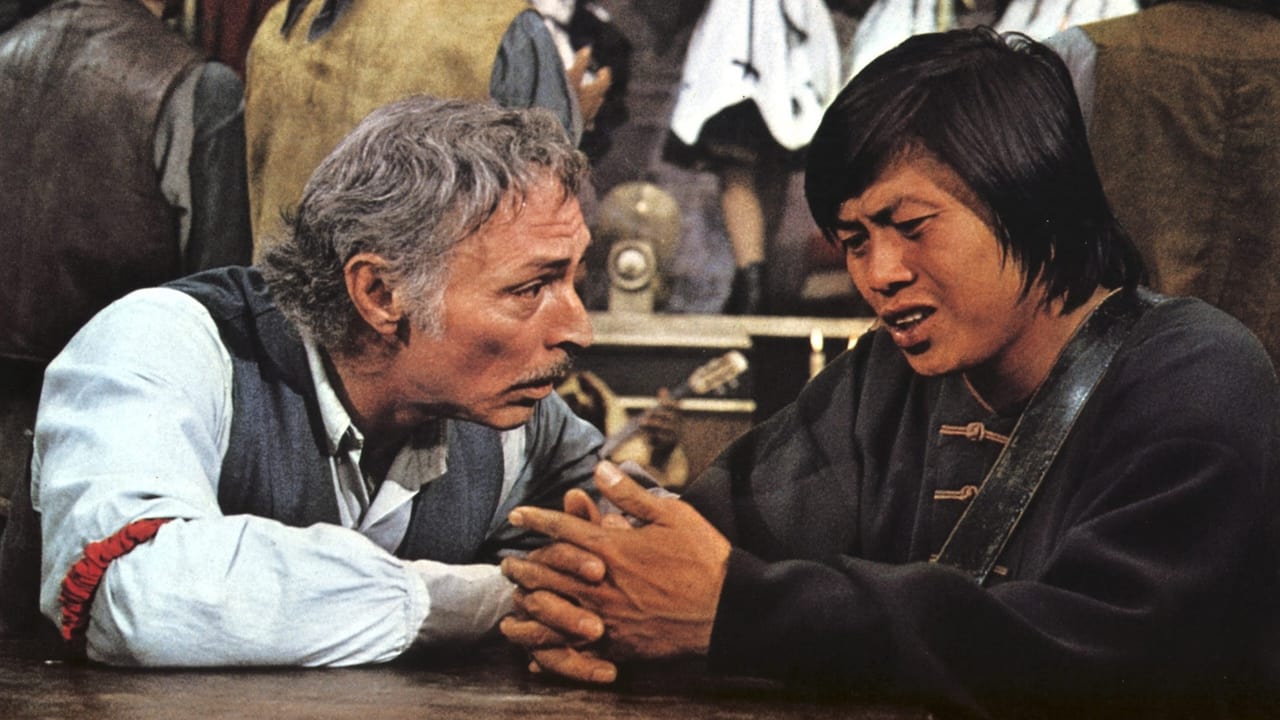
The Stranger and the Gunfighter
1974 · Ho Chiang
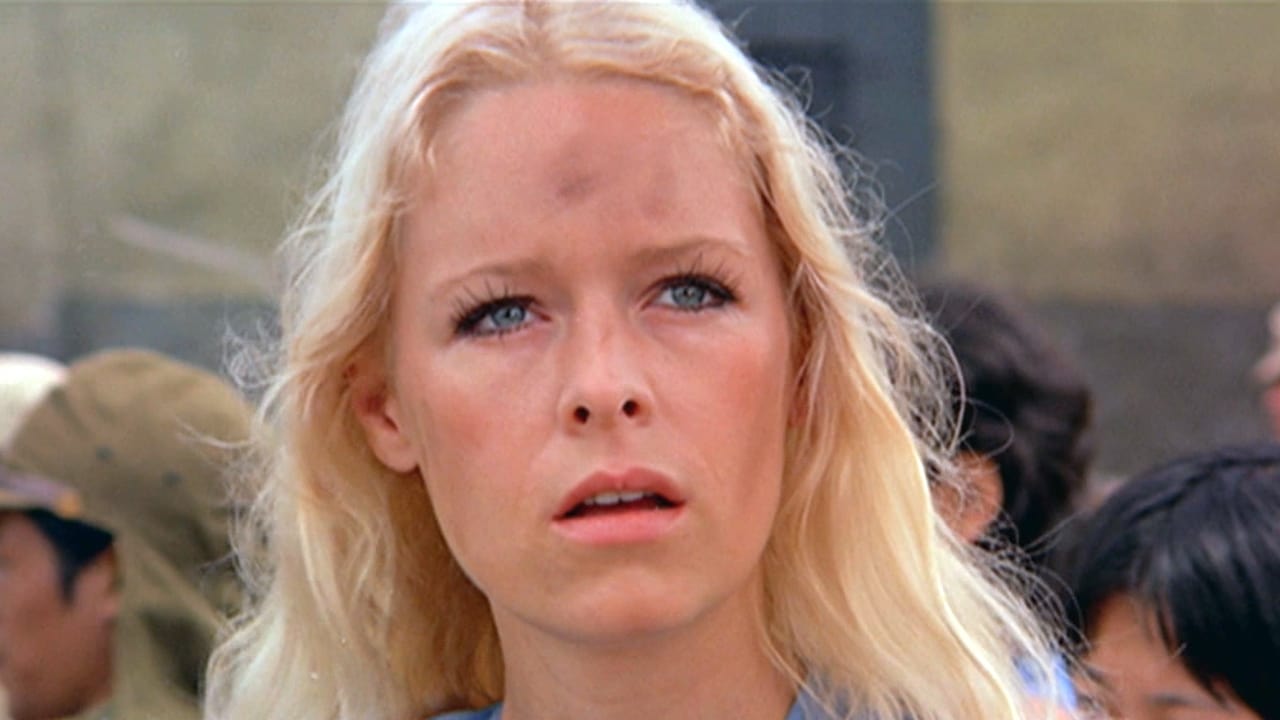
The Bamboo House of Dolls
1973 · Tsui Kuo-Tung
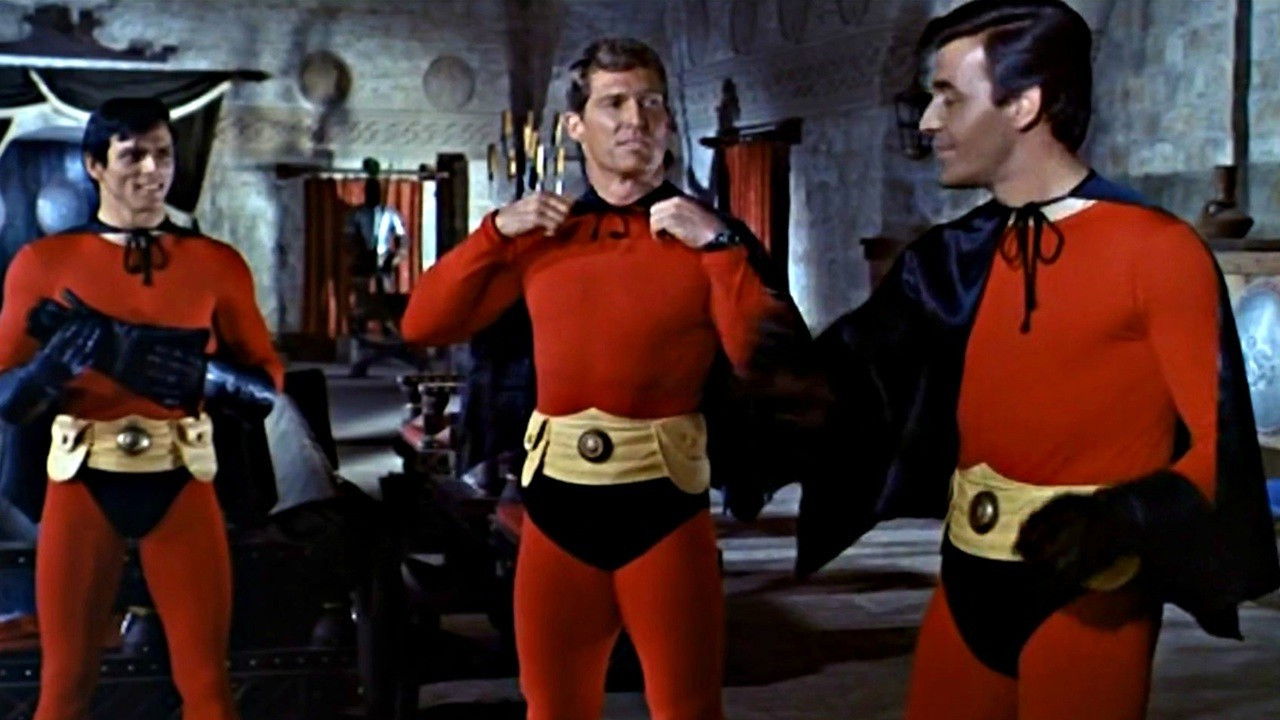
Supermen Against the Orient
1973 · Master Tang
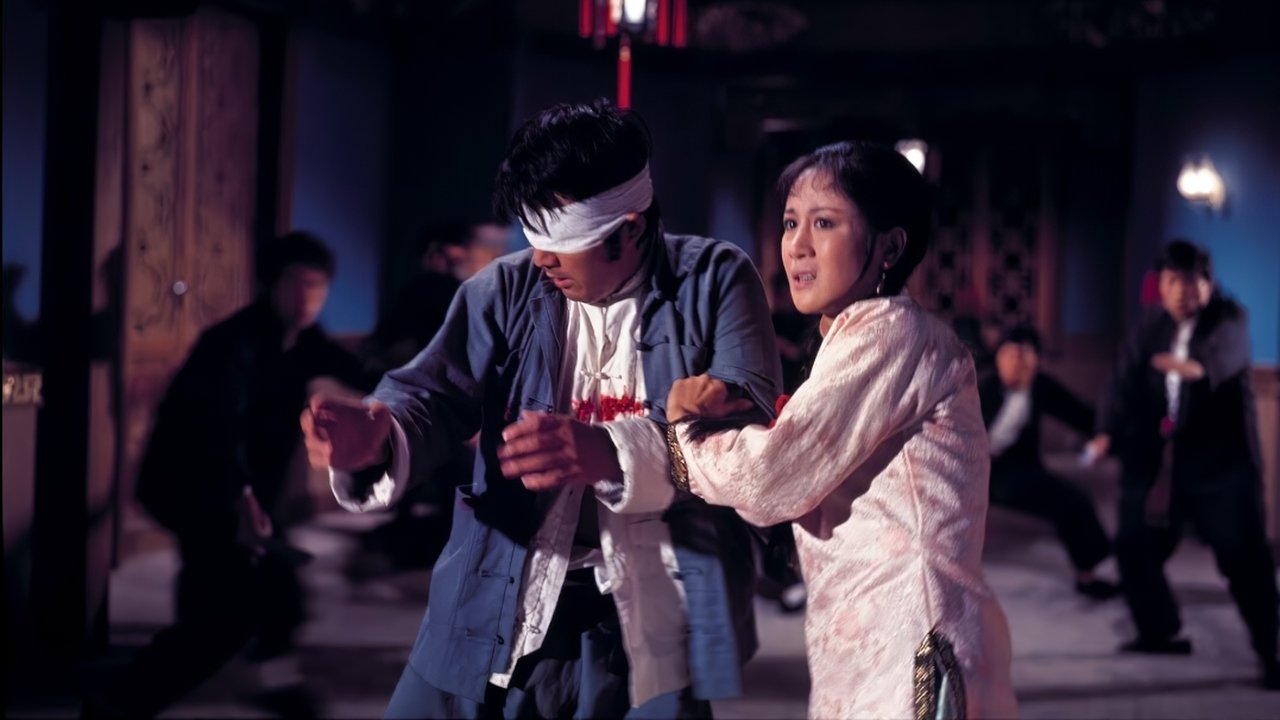
Five Fingers of Death
1972 · Chao Chih-Hao
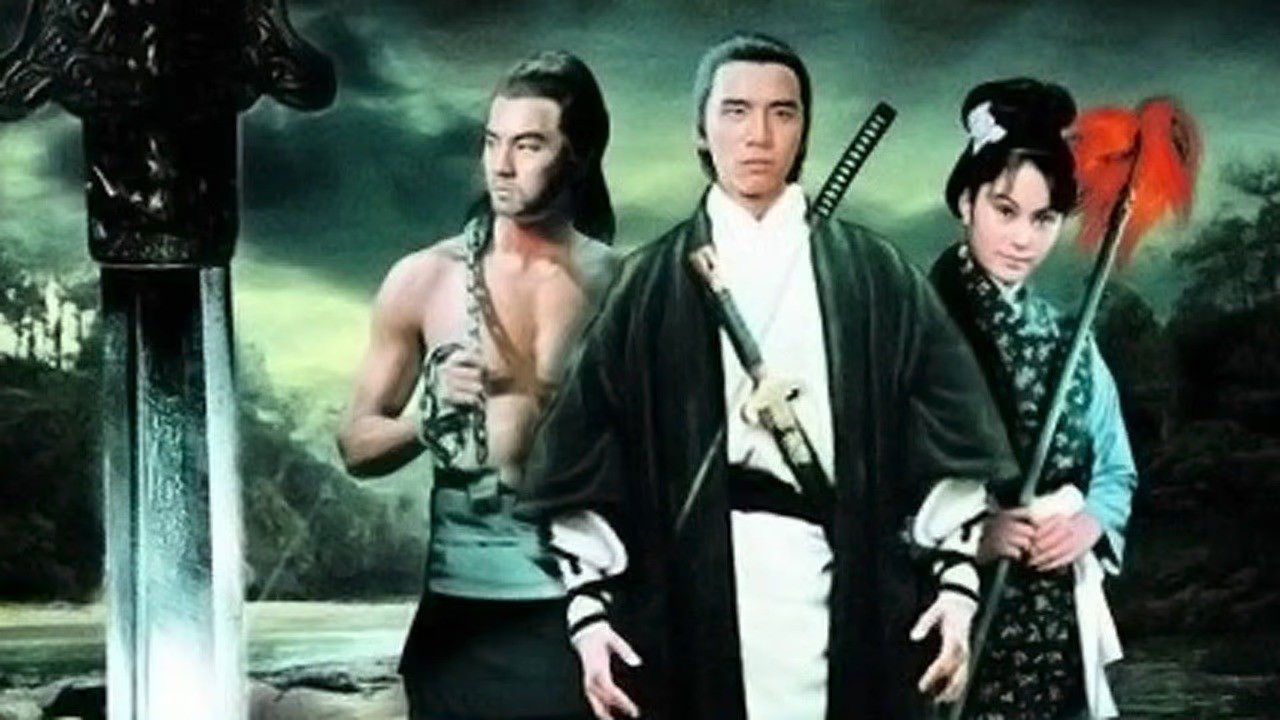
Trilogy of Swordsmanship
1972 · Pang Xun
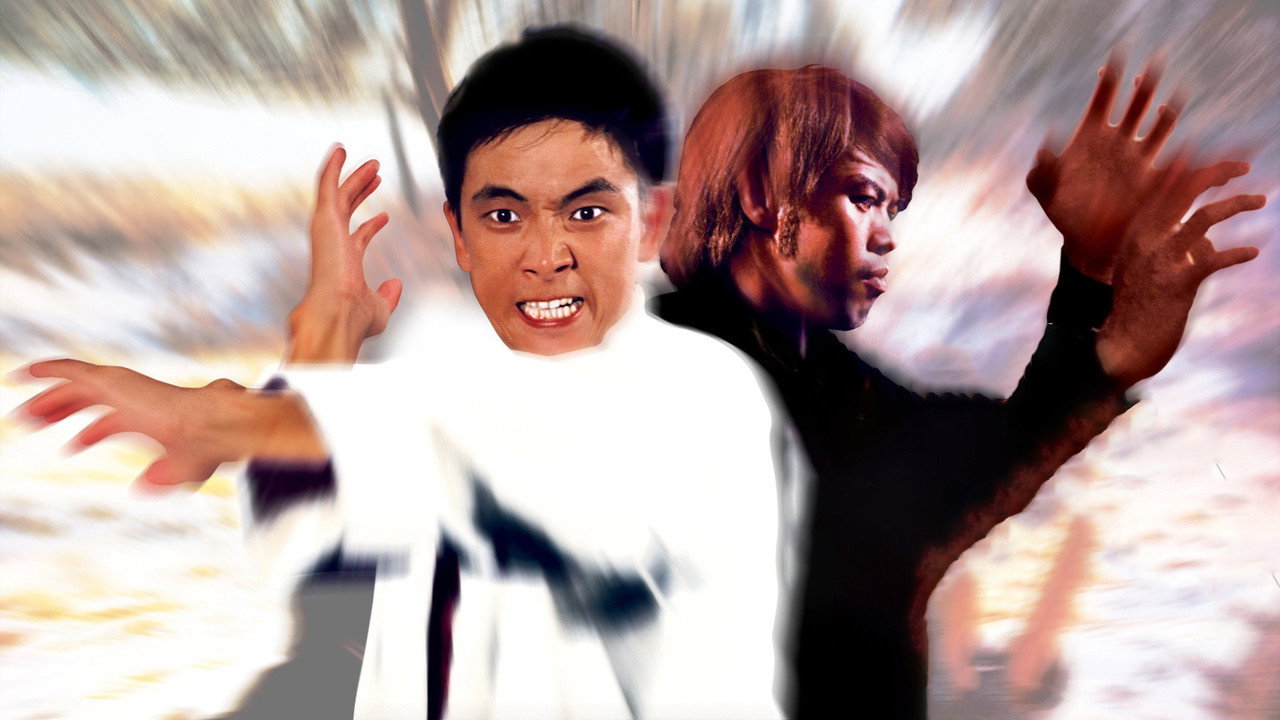
The Chinese Boxer
1970 · Kitashima
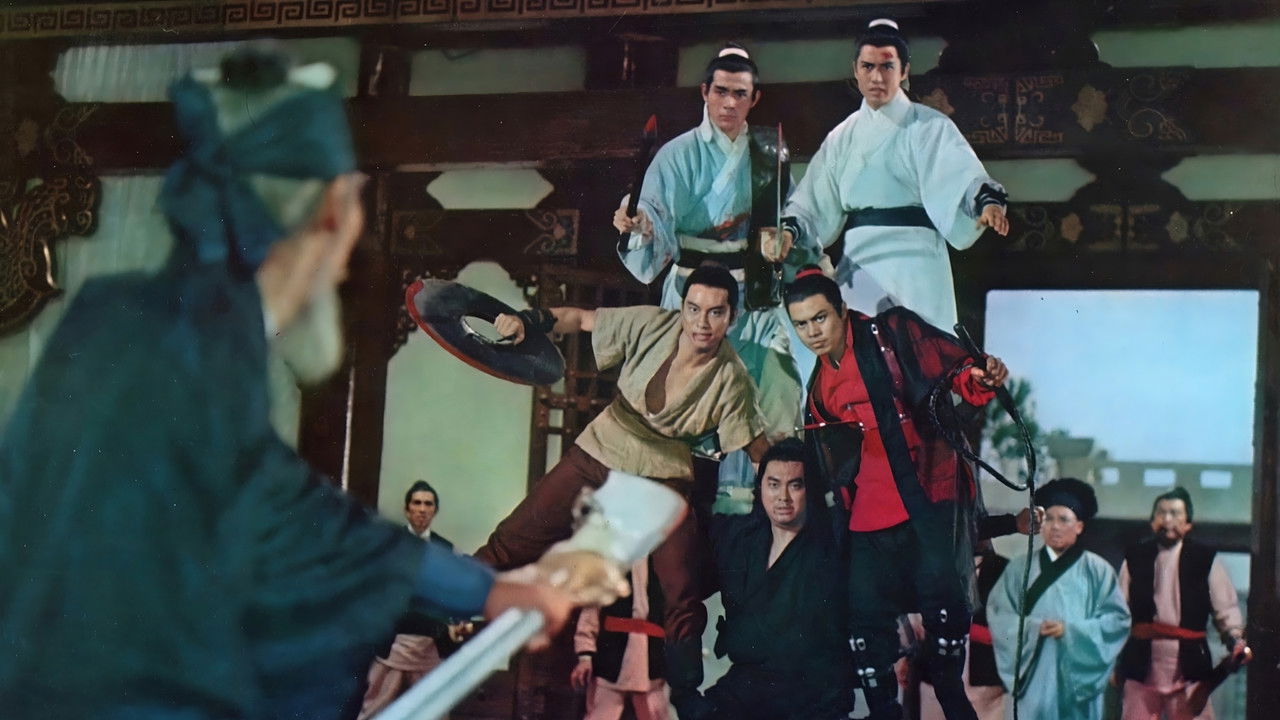
Brothers Five
1970 · Kao Hsia - 5th Brother
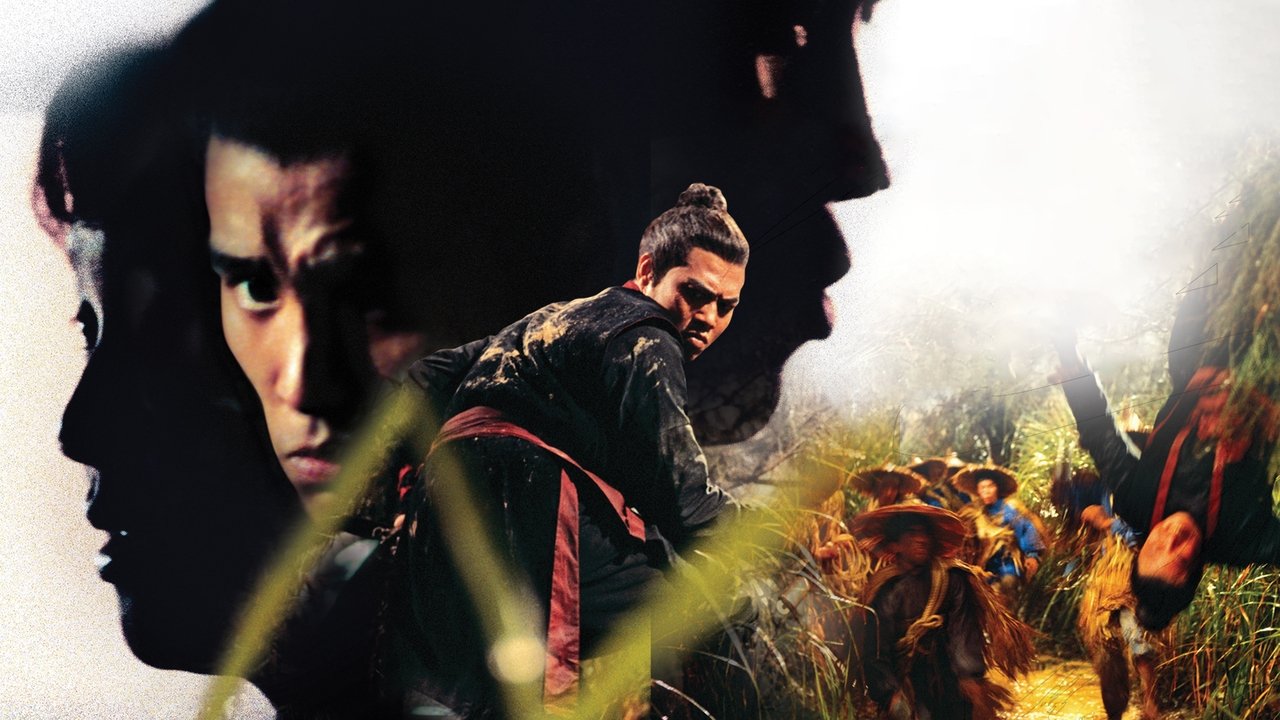
The Invincible Fist
1969 · Tieh Wu-Ching
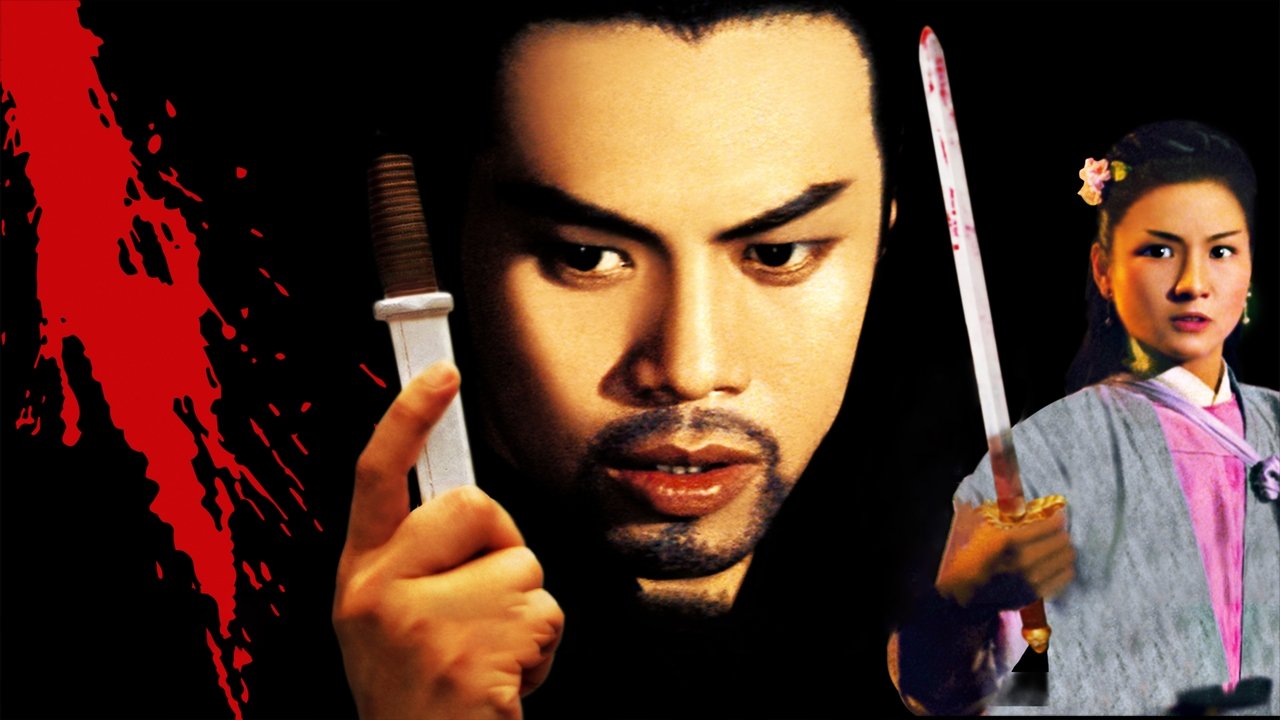
The Flying Dagger
1969 · Yang Qing
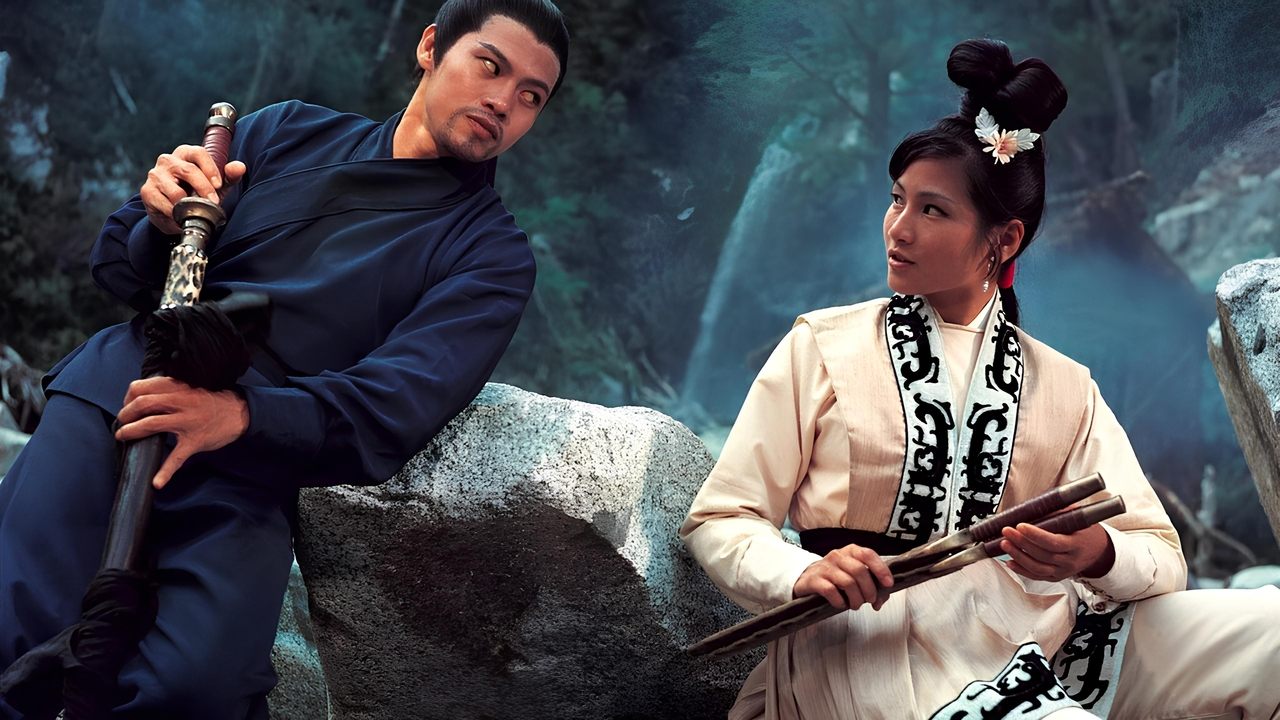
Golden Swallow
1968 · Golden Whip Han Tao
Frequently asked questions
When and where was Lo Lieh born?
Lo Lieh was born 1939-06-29 in Pematang Siantar, Indonesia.
What films is Lo Lieh known for?
Lo Lieh has 41 titles indexed on Movie OTT, including Requital, Sex and Zen, Tiger Cage II.
Where can I watch Lo Lieh's films?
3 of Lo Lieh's films are currently streaming, available on Prime Video.
Has Lo Lieh directed any films?
Yes — Lo Lieh has 1 directorial credit indexed on Movie OTT.
How long has Lo Lieh been active?
Lo Lieh's film career on Movie OTT spans from 1968 to 1992 — 24 years of work.