Actor & Director
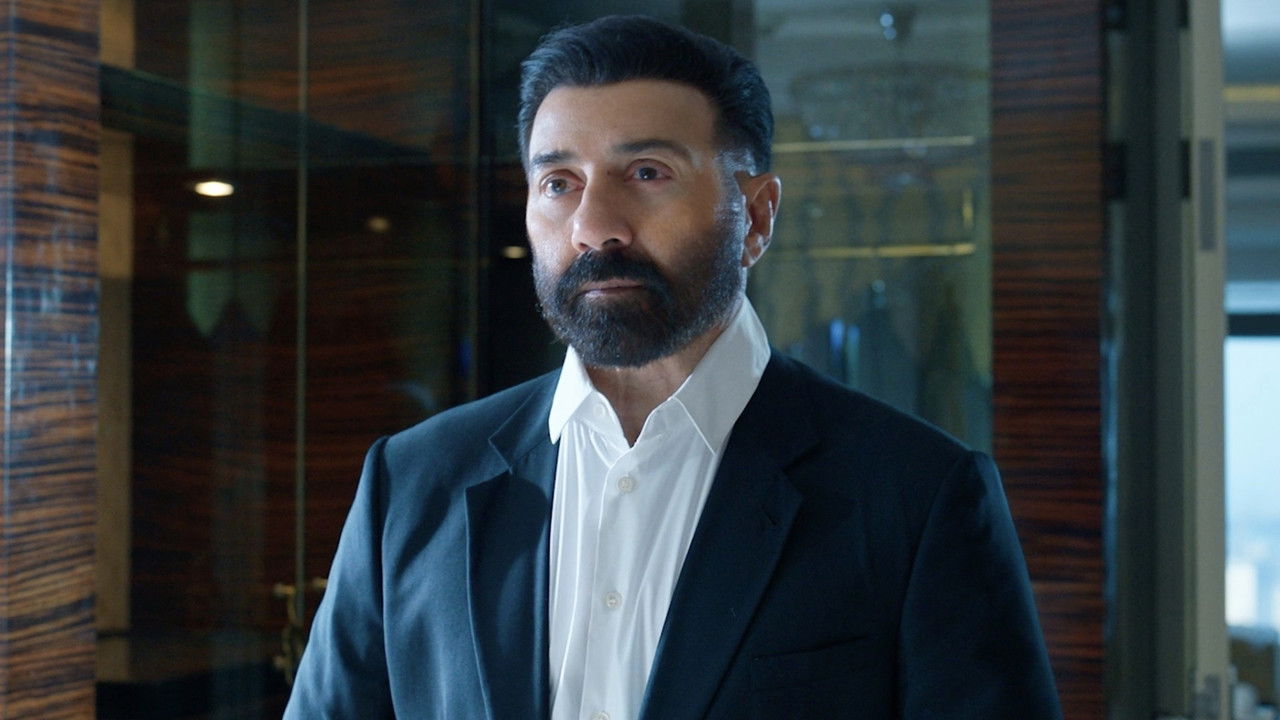
Sunny Deol
15 films on Movie OTT · 1 as director · Active 1989–2026
Sunny Deol — born Ajay Singh Deol on October 19, 1956, in Ludhiana, Punjab — has spent four decades in Hindi cinema building a screen presence that's almost impossible to replicate. He's the son of veteran actor Dharmendra, which meant the industry watched his debut closely, but what he built from that starting point was distinctly his own: a career defined by physical intensity, nationalist themes, and a particular kind of working-class heroism that audiences in smaller cities and towns responded to long before Bollywood started paying attention to that demographic.
About Sunny Deol
Sunny Deol — born Ajay Singh Deol on October 19, 1956, in Ludhiana, Punjab — has spent four decades in Hindi cinema building a screen presence that's almost impossible to replicate. He's the son of veteran actor Dharmendra, which meant the industry watched his debut closely, but what he built from that starting point was distinctly his own: a career defined by physical intensity, nationalist themes, and a particular kind of working-class heroism that audiences in smaller cities and towns responded to long before Bollywood started paying attention to that demographic.
His breakthrough came in 1983 with Betaab, a romantic debut that performed well enough, but it wasn't until the late 1980s and through the 1990s that Deol found his real register. Arjun (1985) started to hint at it. Then came the roles that actually stuck — Ghayal in 1990, directed by Rajkumar Santoshi, where he played a man consumed by grief and vengeance in a way that felt less choreographed than most action films of that era, and more raw in a way that's hard to explain unless you've watched that film. He won the Filmfare Award for Best Actor for it. Damini (1993) followed, and his courtroom scenes there — particularly the "tarik pe tarik" sequence — became one of the most quoted moments in 1990s Hindi cinema, the kind of thing that gets passed down through generations of film fans almost as folklore.
The thing nobody mentions enough is how consistently he worked with directors who weren't afraid of scale. J.P. Dutta was probably his most important collaborator in terms of shaping his legacy — their partnership on Border (1997) produced what remains one of the most commercially and emotionally significant war films in Indian cinema, a reconstruction of the 1971 Battle of Longewala that ran for months in theaters and cemented Deol's association with military valor and patriotic storytelling. That association wasn't accidental. He kept returning to it, and it kept returning to him.
Through the 2000s and 2010s, his output slowed and the hits became less frequent — though films like Yamla Pagla Deewana (2011) and its sequels showed he could anchor a more comedic, family-oriented franchise alongside his father and brother Bobby. Hard to say if those films fully used what he's capable of, but they kept him visible during years when the industry was shifting fast beneath everyone's feet.
Which makes his recent trajectory feel earned rather than manufactured. He's set to appear in Border 2: The Epic Sequel to a War Classic (2026), returning to the franchise that arguably represents the peak of his career's thematic concerns — and doing so nearly three decades after the original. That's not nostalgia casting, or at least it doesn't read that way. Border 2 carries real anticipation precisely because the original film meant something specific to a generation of viewers, and Deol's presence in the sequel signals that the production isn't treating that lightly. Whether the film delivers on that weight is a question 2026 will answer.
At this point in his career, Deol occupies a particular space in the industry. Not a character actor, not quite the leading man of his peak years, but something in between — a figure whose name still moves tickets in certain markets, whose physicality still reads as credible on screen, and whose association with a certain kind of unapologetic, chest-forward Hindi cinema keeps him relevant to audiences who don't necessarily follow critical discourse. Border 2 will be watched carefully. By the industry, yes — but also by the people who still remember the original and want to know if that feeling can be found again.
Currently streaming
3 of 15 on platformsFilmography
Ikka
2026 · Arjun Mehra

Border 2: The Epic Sequel to a War Classic
2026 · Cast

Ramayana
2026 · Hanuman
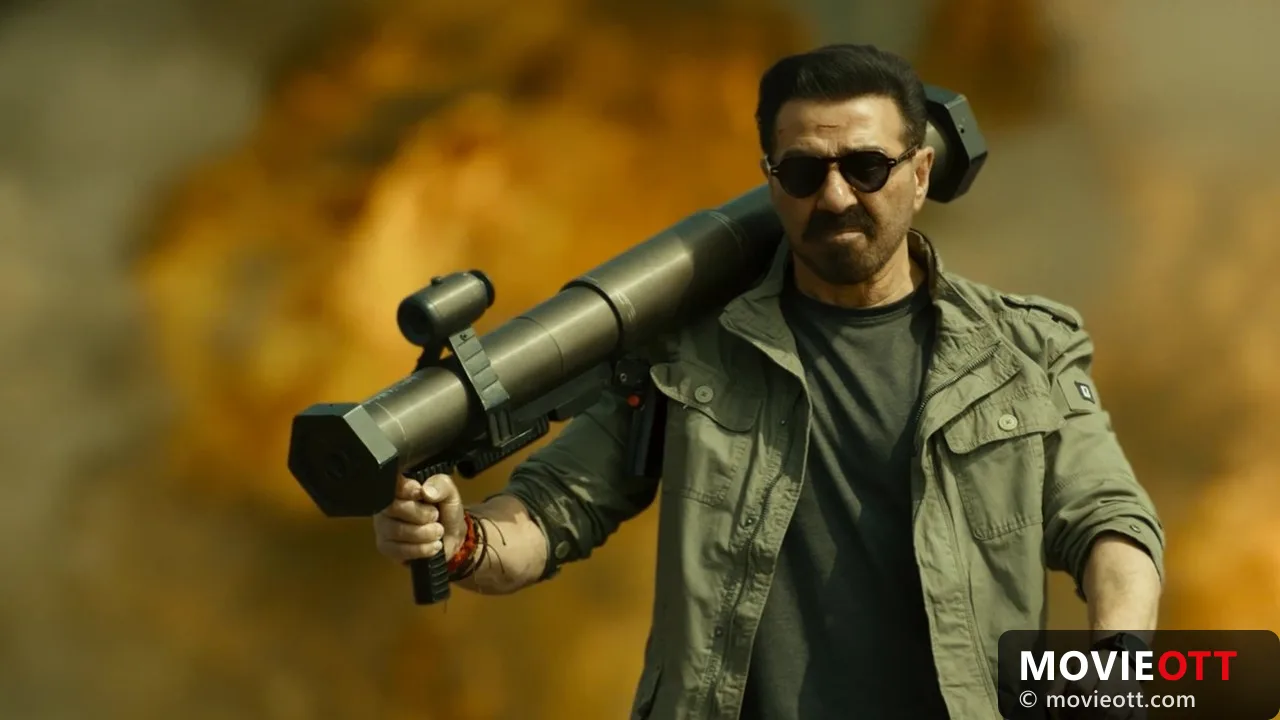
Jaat
2025 · Jaat
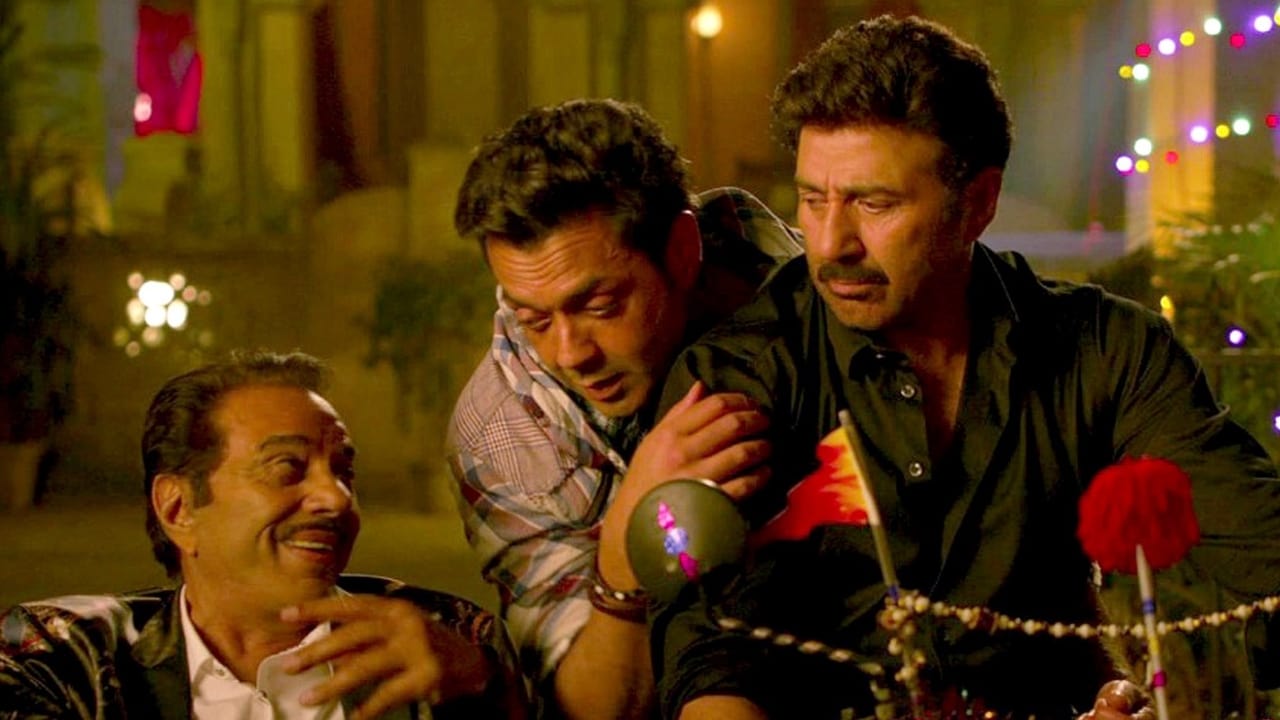
Yamla Pagla Deewana: Phir Se
2018 · Pooran
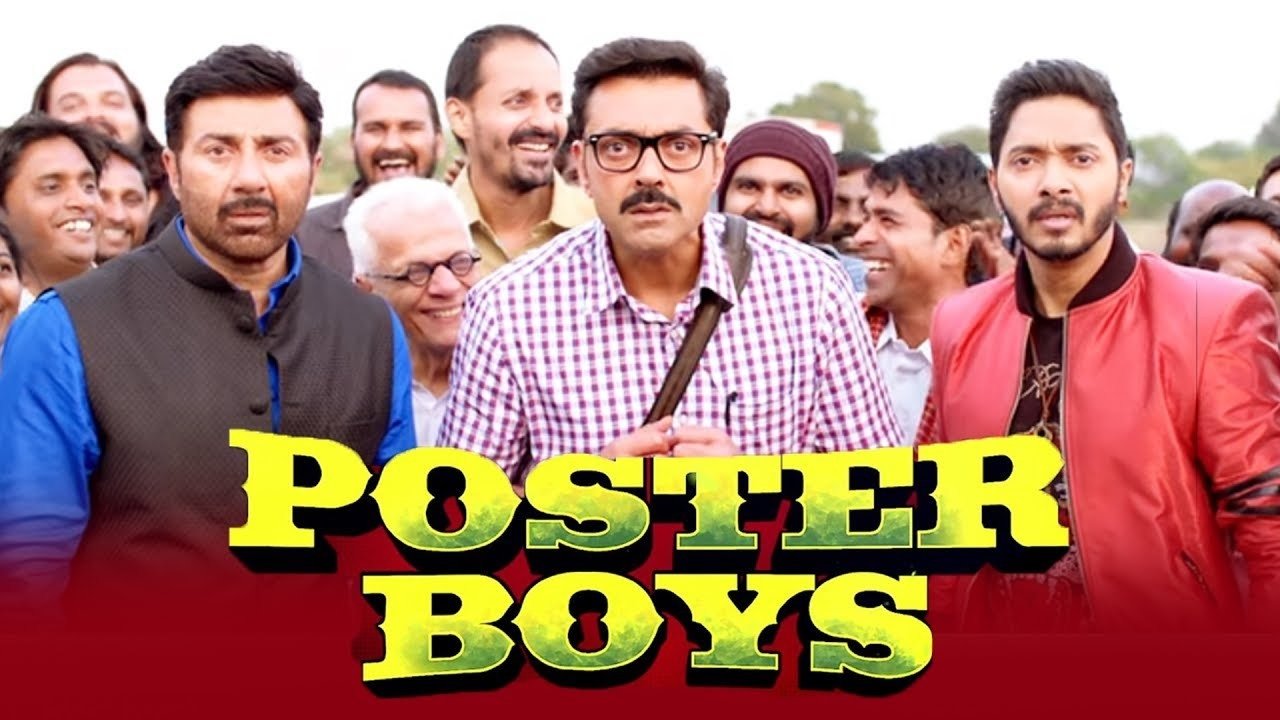
Poster Boys
2017 · Jagaavar Chaudhry
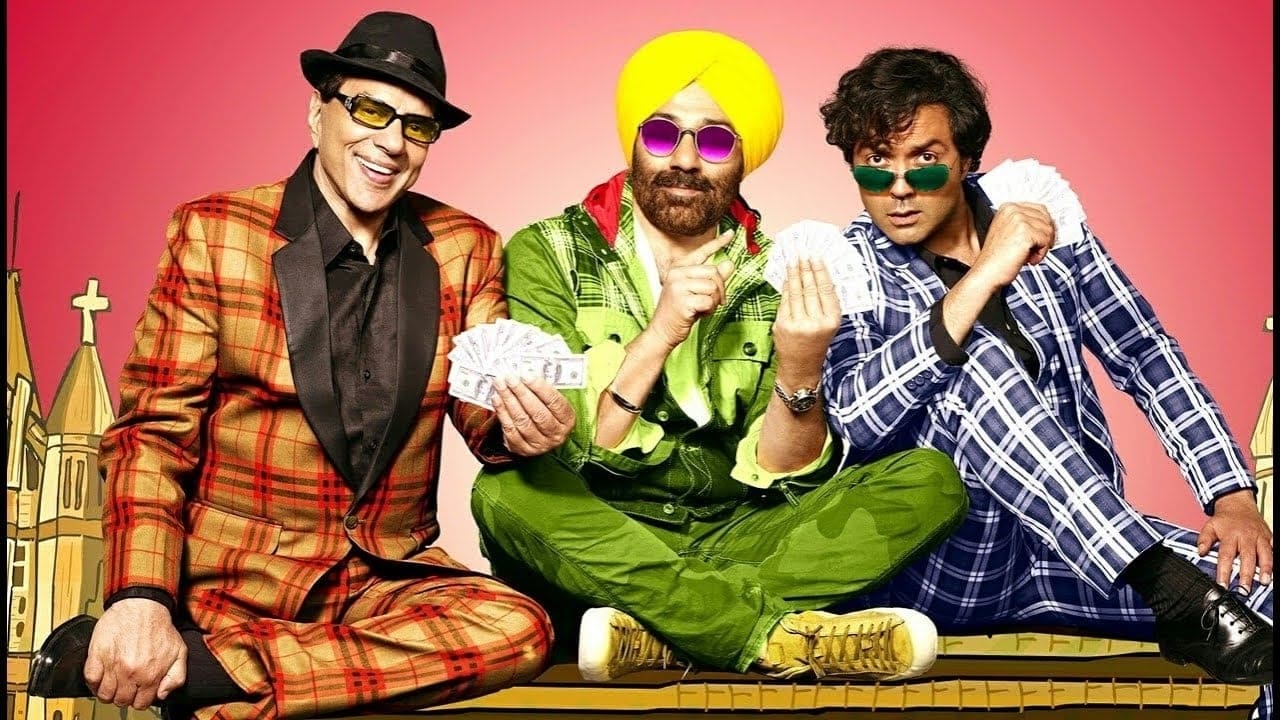
Yamla Pagla Deewana 2
2013 · Paramveer Singh Dhillon
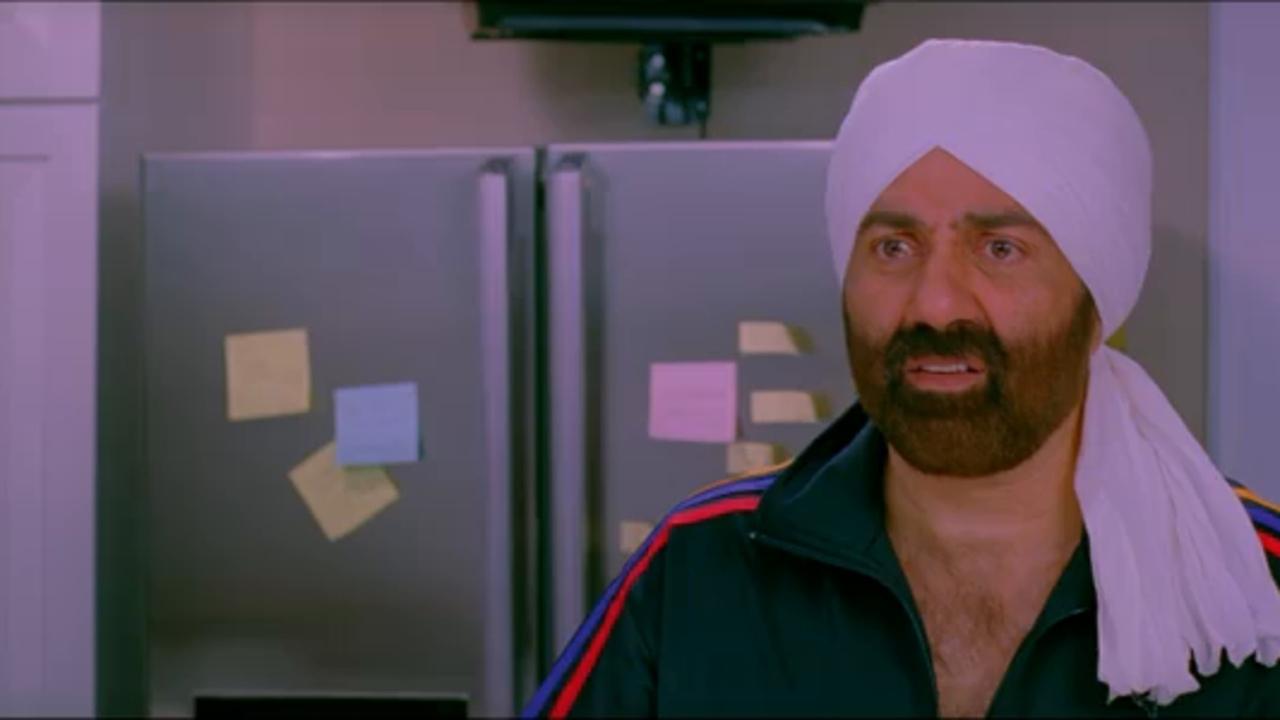
Yamla Pagla Deewana
2011 · Paramveer Singh Dhillon
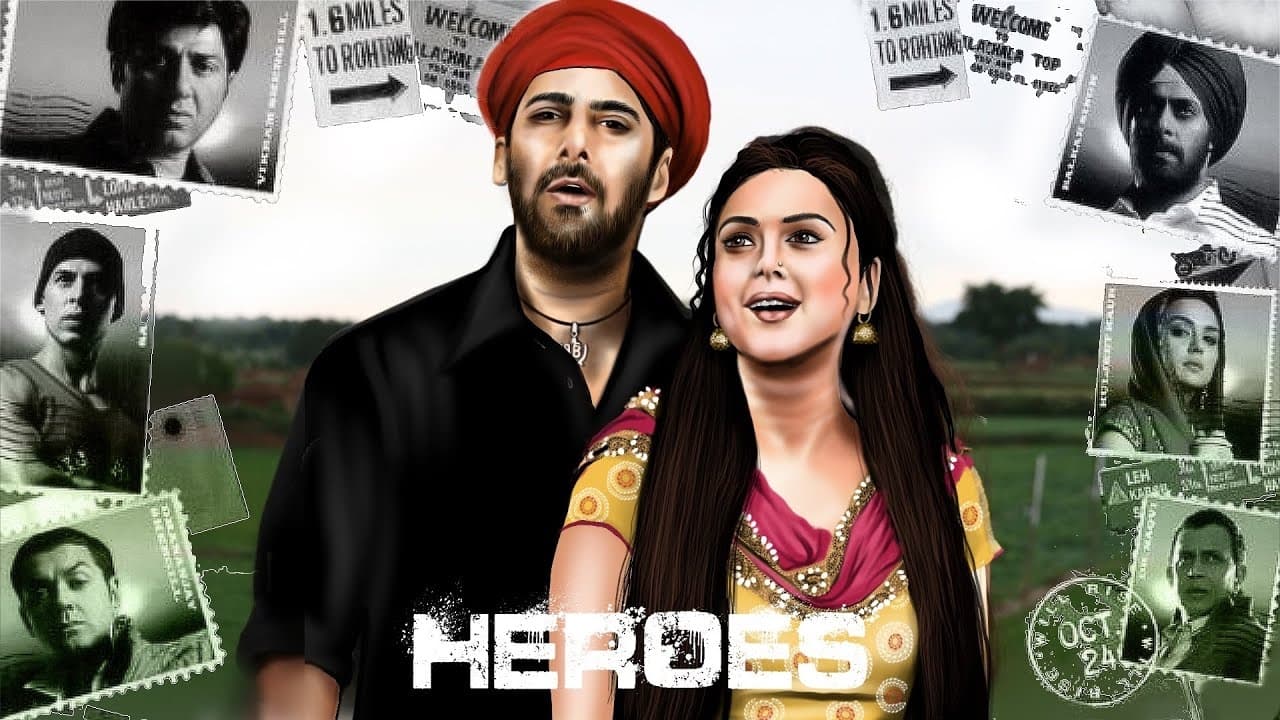
Heroes
2008 · Vikram Shergill
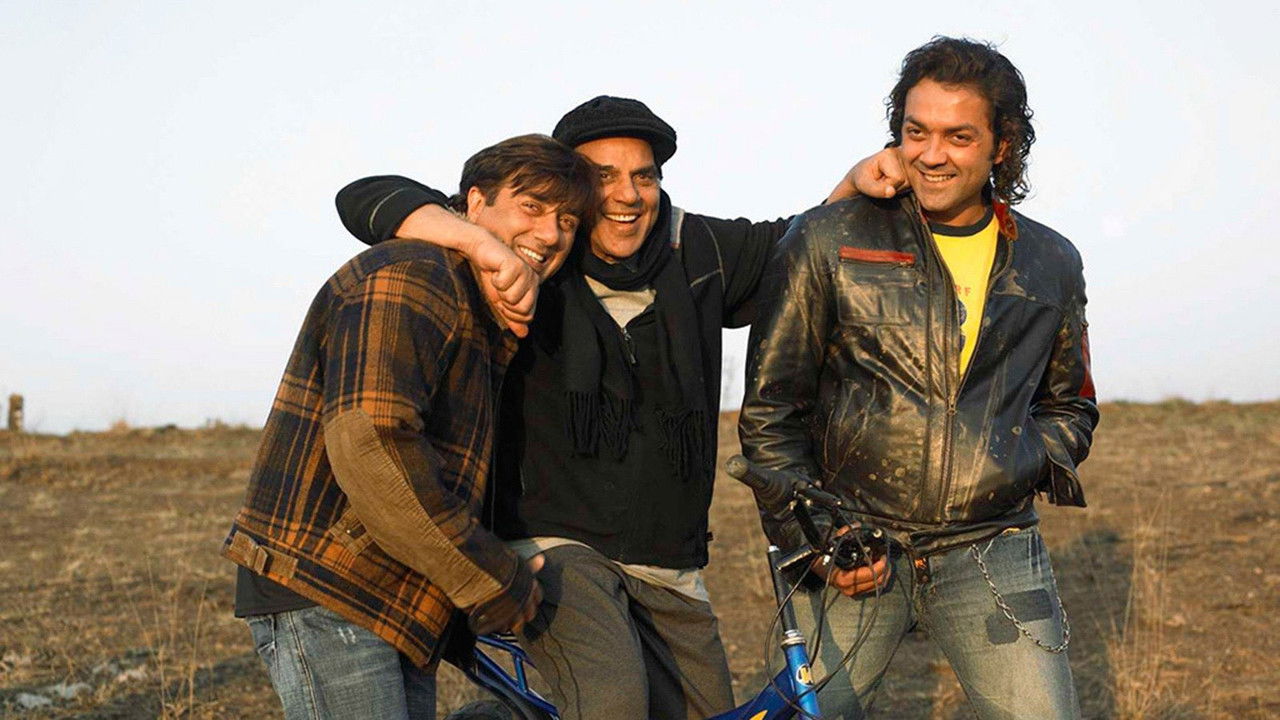
Apne
2007 · Angad Choudhary
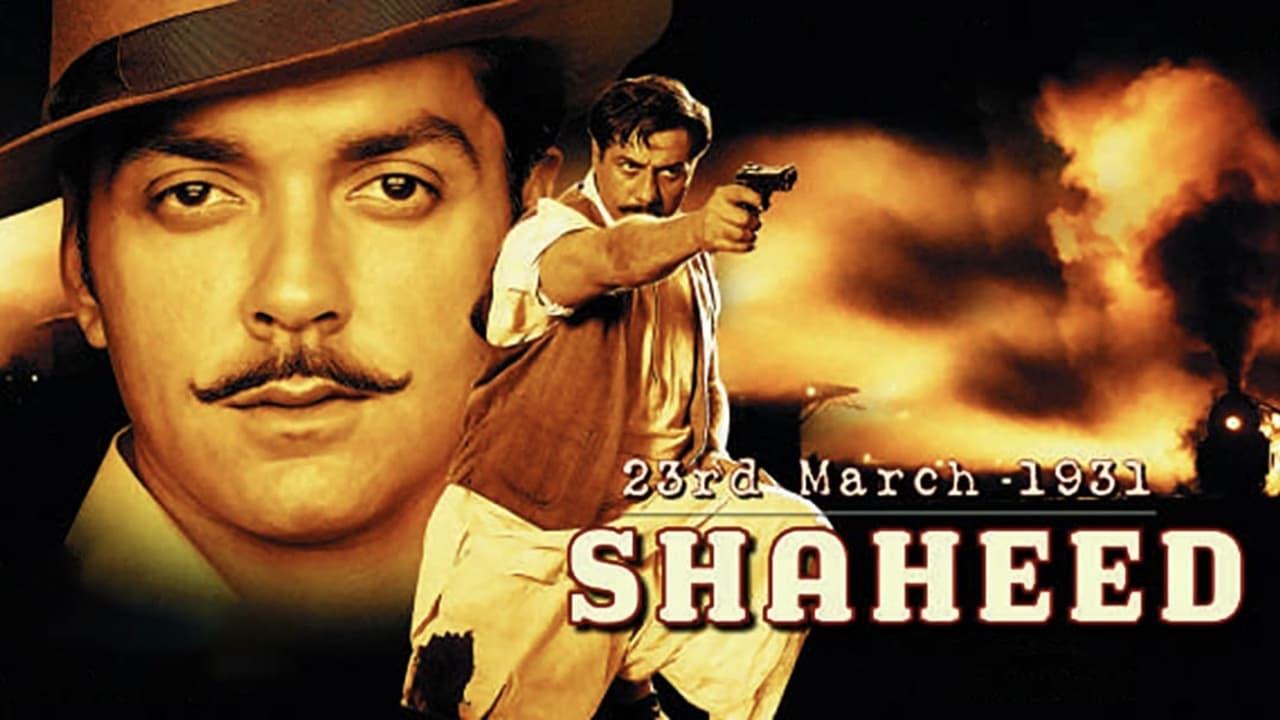
23rd March 1931: Shaheed
2002 · Chandrashekhar Azad
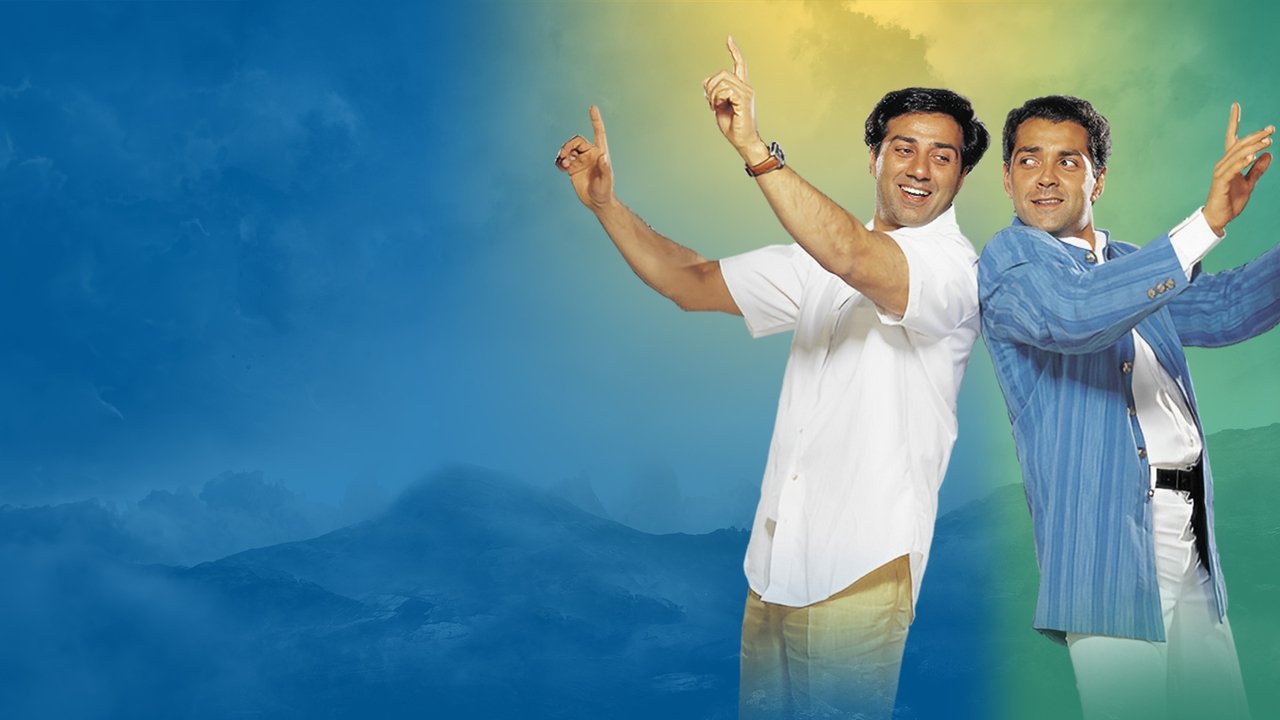
Dillagi
1999 · Cast, Director

...Aur Pyar Ho Gaya
1997 · Special Appearance
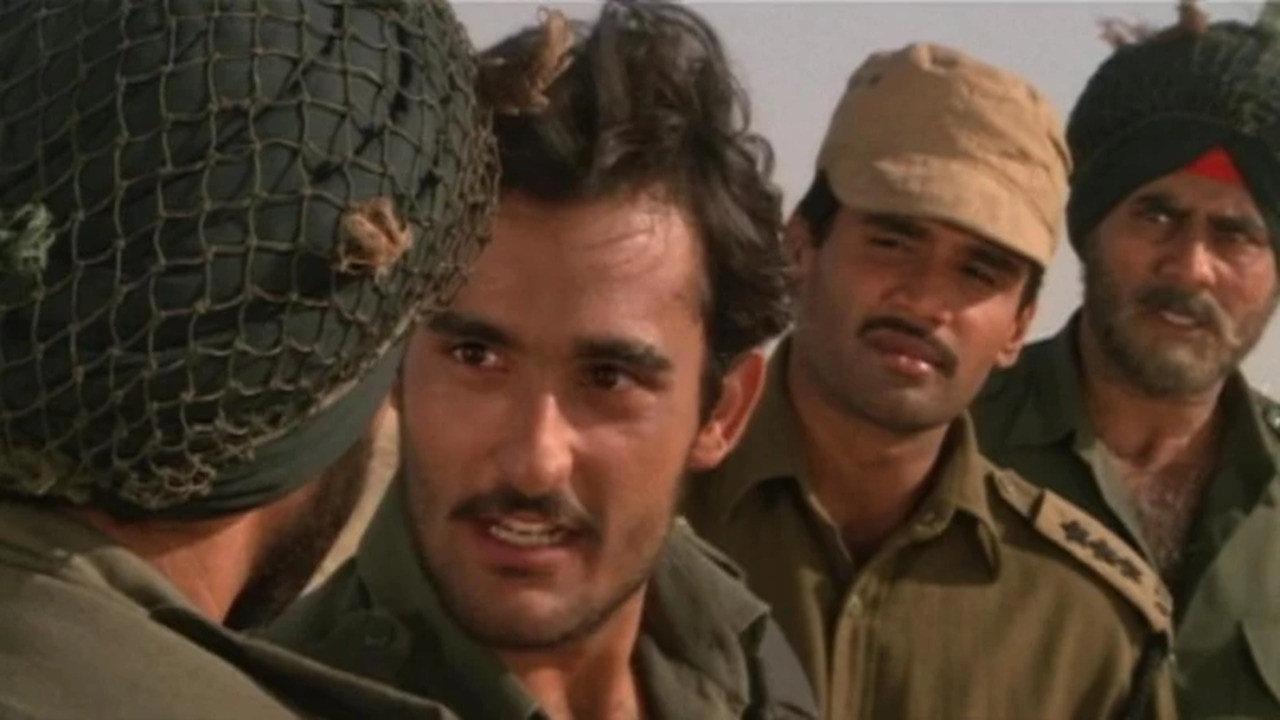
Border
1997 · Major Kuldip Singh Chandpuri
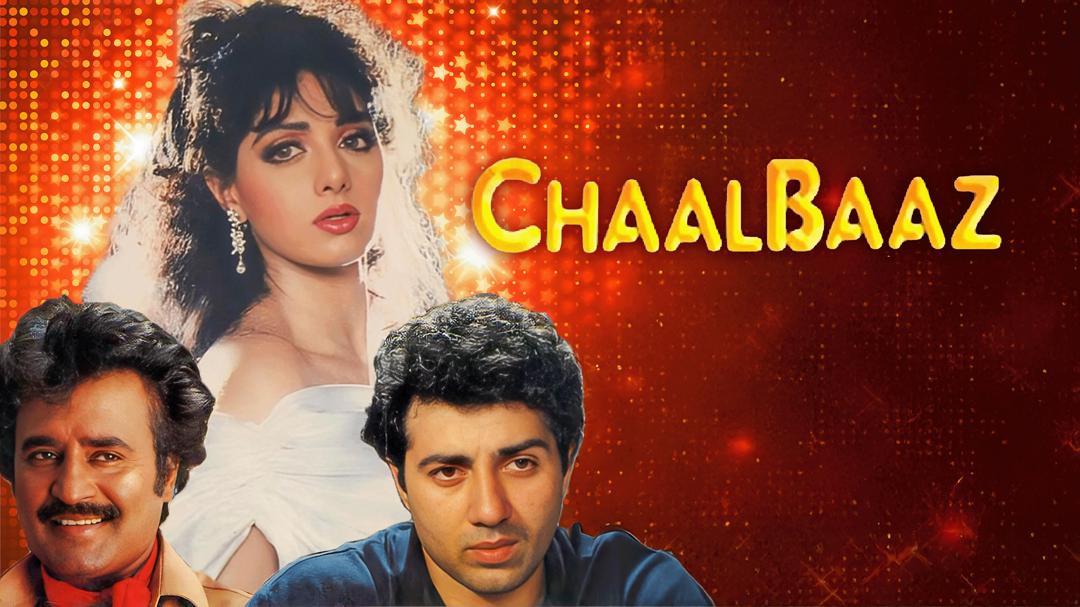
Chaalbaaz
1989 · Cast
Frequently asked questions
When and where was Sunny Deol born?
Sunny Deol was born 1956-10-19 in Ludhiana, Punjab, India.
What films is Sunny Deol known for?
Sunny Deol has 15 titles indexed on Movie OTT, including Ikka, Border 2: The Epic Sequel to a War Classic, Ramayana.
Where can I watch Sunny Deol's films?
3 of Sunny Deol's films are currently streaming, available on Netflix, Netflix Standard with Ads, Prime Video.
Has Sunny Deol directed any films?
Yes — Sunny Deol has 1 directorial credit indexed on Movie OTT.
How long has Sunny Deol been active?
Sunny Deol's film career on Movie OTT spans from 1989 to 2026 — 37 years of work.