The 10 Best MCU Sequels, Ranked — and Where to Actually Watch Them
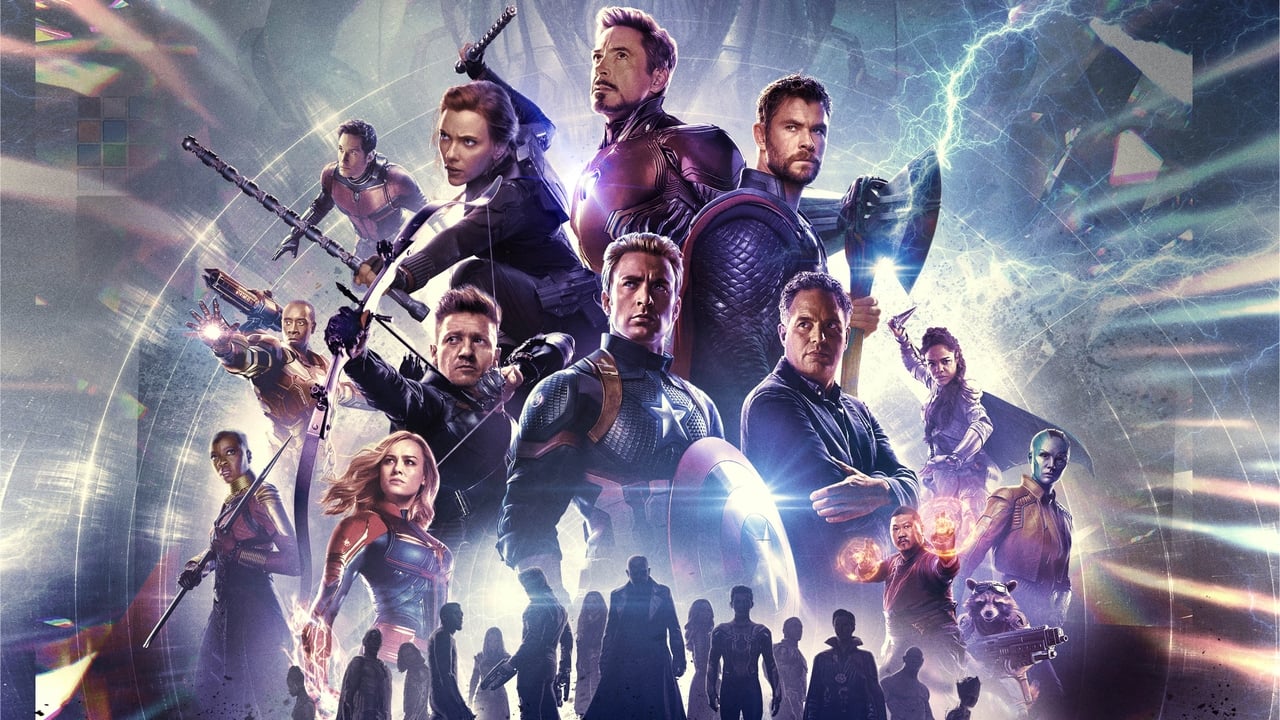
The MCU sequel that broke cinema records — Avengers: Endgame, which pulled $2.799 billion globally — tells you everything about Marvel Studios' strangest strength: when they nail a follow-up, it doesn't just work. It rewrites the box office. But here's what nobody wants to say out loud. For every Endgame, the franchise has buried Thor: The Dark World and Captain America: Brave New World so thoroughly that audiences forget they exist.
The MCU's sequel track record is genuinely uneven. This list ranks the ten that actually hold up — not just on opening weekend, but on repeat viewings, on streaming, years later. It's worth asking why certain sequels transcend the formula while others vanish.
Which MCU Sequels Actually Made the Cut
Here are the ten films that consistently rise to the top:
- Avengers: Infinity War (2018, 149 min) — directed by Anthony & Joe Russo
- Captain America: The Winter Soldier (2014, 136 min) — directed by Anthony & Joe Russo
- Thor: Ragnarok (2017, 130 min) — directed by Taika Waititi
- Avengers: Endgame (2019, 181 min) — directed by Anthony & Joe Russo
- Spider-Man: No Way Home (2021, 148 min) — directed by Jon Watts
- Captain America: Civil War (2016, 147 min) — directed by Anthony & Joe Russo
- Guardians of the Galaxy Vol. 2 (2017, 136 min) — directed by James Gunn
- Guardians of the Galaxy Vol. 3 (2023, 150 min) — directed by James Gunn
- Black Panther: Wakanda Forever (2022, 161 min) — directed by Ryan Coogler
- Deadpool & Wolverine (2024, 127 min) — directed by Shawn Levy
Four of these ten were directed by the Russo Brothers. That's not coincidence — it's the clearest sign of what separates the MCU's best work from the rest.
Why the Russo Brothers Keep Winning (And Why It Matters)
Anthony and Joe Russo made four films on this list, and there's a reason: they treat the MCU like a political thriller, not a superhero movie. The Winter Soldier arrived in 2014 and played like Three Days of the Condor in a cape — grounded, paranoid, built around actual tension rather than spectacle as a substitute for plot.
Watch it again. You'll notice the editing. Jeffrey Ford and Matthew Schmidt, the Russo Brothers' go-to editors, cut for momentum, not breathing room. Scenes don't pause for you to admire the cinematography. That discipline carries through Endgame, which is where I keep coming back to an honest criticism nobody seems willing to voice: the time-heist structure in the second act is genuinely clunky. The logic doesn't quite hold. But it doesn't matter because the final thirty minutes — Tony Stark's arc closing — lands with emotional precision that most franchise films never reach.
The thing nobody mentions is that this is the only Avengers film that understands its own scale by making it intimate. A $356 million production that somehow feels like it's about four people saying goodbye.
Taika Waititi Rescued Thor by Ignoring the Rulebook
Thor: Ragnarok did something reckless. It threw out everything the first two Thor films established — the po-faced tone, the Shakespearean gravity, the sense that Asgard mattered in some grand cosmic way. Waititi replaced all of that with Jeff Goldblum doing Jeff Goldblum in a cape, Cate Blanchett as a villain who actually menaces, and a color palette that looked like it belonged in a 1980s arcade.
The film holds an 87% audience score on Rotten Tomatoes, which matters because audience scores don't usually spike that high for franchise sequels. Waititi brought his New Zealand indie sensibility — wide, theatrical compositions, deliberate comedic timing — and somehow that worked. The Russo Brothers' approach and Waititi's approach are almost opposite in their mechanics. Yet both produced sequels that endured. That's the breadth of what Marvel got right during Phase Three.
When Sequels Carry Grief (And When They Don't)
Guardians of the Galaxy Vol. 3 works because James Gunn wasn't interested in giving you a fun space heist with a sentimental ending. He gave Rocket Raccoon a traumatic origin story — one that sits uncomfortably against the film's bright comedic surface. The High Evolutionary, Rocket's creator, is the most straightforwardly villainous character the MCU had produced in years, and that clarity gave the film moral stakes that the franchise usually dilutes into shade and nuance. Most coverage frames Vol. 3 as a satisfying trilogy capper; the more honest read is that it's the last MCU film made by a director who was allowed to finish what he started on his own terms, and that kind of creative continuity simply doesn't exist in the franchise anymore.
Black Panther: Wakanda Forever faced a harder task. Chadwick Boseman died in August 2020, and director Ryan Coogler had to rebuild an entire 161-minute sequel around that absence. The film carries visible seams from its production struggle, but Angela Bassett's performance as Queen Ramonda earned an Oscar nomination — the first acting recognition from the Academy for any MCU role. That's not a small thing. It means the franchise had finally demanded enough emotional craft that the industry noticed.
Movie OTT's streaming tracker shows Wakanda Forever currently available on Disney+ across India, the US, the UK, and Spain.
The Streaming Reality: Where These Films Actually Live Right Now
Here's what matters if you're planning to rewatch any of these.
Disney+ Hotstar (India) carries the majority:
- Avengers: Infinity War, Endgame, The Winter Soldier, Civil War
- Thor: Ragnarok
- Guardians of the Galaxy Vol. 2 and Vol. 3
- Black Panther: Wakanda Forever
- Deadpool & Wolverine
The outlier: Spider-Man: No Way Home sits under Sony's distribution rights. In India, Sony licensed it to Netflix, where it landed in July 2022, but availability has rotated since. Check Movie OTT for current listings — it updates more frequently than static guides.
For US and UK audiences, Disney+ holds most of the catalog, though Sony titles still require a separate platform pass. If you're in Spain or the UK, regional licensing sometimes shifts which films appear where, so don't assume last month's availability holds this month.
Most Disney+ Hotstar titles in India include Hindi, Tamil, and Telugu dubbed audio — and Marvel's investment in regional dubbing has genuinely improved since Endgame. The South India audience for MCU films climbed noticeably after they started treating those versions as primary productions, not afterthoughts.
What Makes a Sequel Better Than the Original (And Why It's Rarer Than You'd Think)
The Winter Soldier surpasses Captain America: The First Avenger because it understood that nobody cared about the shield itself — they cared about Steve Rogers' moral compass. Civil War surpasses Age of Ultron because it had the nerve to make the Avengers enemies. Ragnarok surpasses The Dark World because it admitted the previous film was a mistake and started over.
Here's the harder part: Infinity War doesn't surpass Avengers: Age of Ultron because it's bigger — it surpasses it because Thanos, for the first time, actually wins. The MCU built a franchise on heroes triumphing in the third act. Infinity War broke that contract. That's a sequel doing something only a sequel can do: it took the formula audiences trusted and inverted it.
Most sequels just add more. The MCU's best sequels subtract. They cut the fat. They change the genre (thriller, comedy, grief drama). They risk something.
The One Thing That Keeps These Films Relevant
I've rewatched Endgame three times since it hit streaming, and what strikes me is how it doesn't feel dated. The time-travel logic is still clunky (I maintain this). The final battle is still visual noise. But Stark's decision in the climax — his quiet sacrifice — still hits the same way. That's the difference between spectacle and craft.
The MCU's sequel problem, looking forward, is that Phase Four stopped understanding this distinction. The Marvels pulled just $206 million worldwide against a reported $220 million production budget, and Ant-Man: Quantumania fared only marginally better at $476 million on a similar spend. Those films felt like they were made by people checking a list rather than people who'd actually watched the films they were building on. Forgettable in a way that Ragnarok and Wakanda Forever aren't.
What's Coming Next (And Why You Should Care)
The MCU's sequel pipeline includes Avengers: Doomsday (May 2026) and Avengers: Secret Wars (May 2027), both with Robert Downey Jr. returning as Doctor Doom. That casting generated immediate skepticism and genuine excitement in roughly equal measure.
The Russo Brothers are directing both. That should reassure anyone who found their prior work compelling. But whether either film lands in this tier of quality is genuinely uncertain. The franchise's recent stumbles suggest Disney hasn't solved its consistency problem. We shall see.
For current streaming availability across India, the US, the UK, and Spain, Movie OTT tracks real-time updates for every title on this list.