![Mortal Kombat II’ Writer Jeremy Slater Explains All Those Fatalities, Resurrecting [SPOILER] for the Third Movie and the ‘Dozens’ of Characters He Wants for Sequels](https://media.movieott.com/blog/8216mortal-kombat-ii8217-writer-jeremy-slater-explains-all-those-fatalities-resu/featured.webp)
Mortal Kombat II: Every Death, Resurrection, and What Comes Next
TL;DR: Mortal Kombat II opened to $40 million domestically on May 9, 2026, delivering the brutal tournament action the 2021 film famously withheld. Writer Jeremy Slater kills off the original protagonist, resurrects two fan favorites, and has already been tapped to write a third installment — with Liu Kang's mysterious fate at the center of it all.
The Question Every Fan Is Asking After That Ending
Can you actually kill someone permanently in the Mortal Kombat universe? The short answer: no — and writer Jeremy Slater built the entire sequel around that idea.
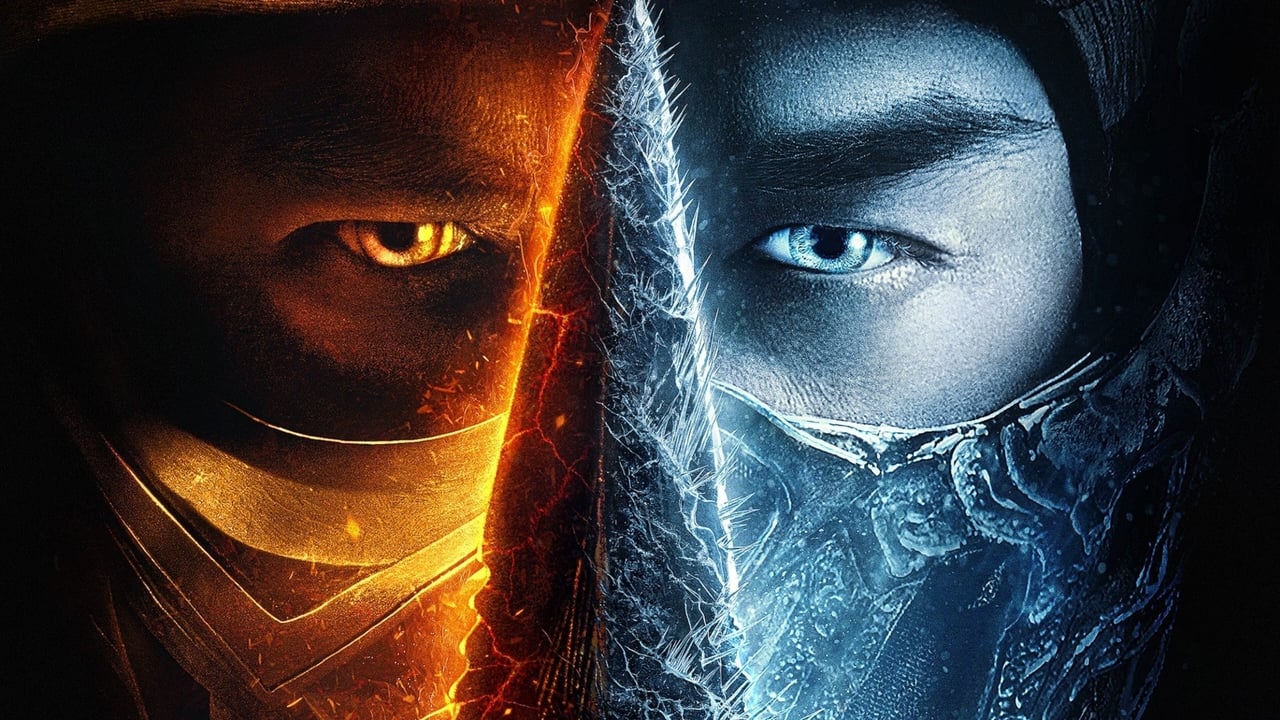
Mortal Kombat II, now playing in theaters worldwide, is the movie the 2021 original promised but couldn't quite deliver. Where the first film spent most of its runtime setting up a tournament that never actually happened, the sequel wastes exactly zero time: fighters enter the arena, fatalities fly, and beloved characters die in ways that will either thrill or devastate you depending on how many hours you've logged with a Super Nintendo controller. Directed again by Simon McQuoid and scripted by Slater — the same writer behind Marvel's Moon Knight and Netflix's Umbrella Academy — this is a film that swings hard for the hardcore fanbase while trying not to lose the casual audience it picked up in 2021.
What Actually Happens in the Film: Cast, Deaths, and the Tournament
The basics first, for anyone still deciding whether to buy a ticket.
Released May 9, 2026, Mortal Kombat II carries a reported runtime of approximately two hours and runs in theaters globally. The film is a Warner Bros. production directed by Simon McQuoid.
The cast includes:
- Karl Urban as Johnny Cage — the fan-teased newcomer finally given a full arc
- Ludi Lin returning as Liu Kang
- Adeline Rudolph as Kitana
- Martyn Ford as the towering villain Shao Kahn
- Josh Lawson back as Kano (yes, despite dying in the first film)
- Max Huang returning as Kung Lao (also dead in film one)
- CJ Bloomfield as Baraka
- Tadanobu Asano as Raiden, Jessica McNamee as Sonya Blade, and Mehcad Brooks as Jax rounding out the returning ensemble
Two major deaths define the film's dramatic stakes. Cole Young — the original protagonist played by Lewis Tan, a character critics noted felt studio-mandated rather than organically drawn from the game's mythology — is killed early in the sequel. That's a bold move. And Liu Kang, canonically the hero who defeats Shao Kahn in the games, also meets his end — though under deliberately ambiguous circumstances that Slater has confirmed will be explored in the third film.
Movie OTT is tracking global theatrical and streaming availability for Mortal Kombat II as release windows are confirmed across regions.
Why the Sequel Outperforms Its Predecessor on Paper — and Where It Stumbles
The 2021 Mortal Kombat opened simultaneously in theaters and on HBO Max during the pandemic, which made its $83 million global theatrical haul genuinely impressive given the circumstances. The sequel faces a different landscape entirely: no streaming day-and-date, a $40 million opening weekend domestically, and preview earnings of $5.2 million reported by Variety — solid numbers for a video game adaptation in 2026.
For context, that opening weekend sits comfortably above what most video game adaptations manage. The Uncharted film opened to $51 million back in 2022, while Sonic the Hedgehog 2 cleared $72 million — but those franchises had broader family appeal built in. Mortal Kombat's R-rated brutality narrows its ceiling while deepening its floor with a dedicated fanbase that has waited three decades for a faithful big-screen adaptation.
What's striking is how Slater's structural approach — treating the film less like a sequel and more like a new quarter dropped into an arcade machine — actually works as a creative philosophy even when the execution is uneven. According to CinemaBlend's breakdown, the resurrections of Kano and Kung Lao weren't afterthoughts. They were conditions Slater set before accepting the assignment.
Critics, however, haven't been uniformly kind. The Reader's review called the film "fatality flawed," noting that the film's structure occasionally resembles a highlight reel of fight sequences stitched together with thin connective tissue — a complaint that will feel familiar to anyone who sat through the first film's pacing issues. The action satisfies; the drama between fights sometimes doesn't.
Jeremy Slater on Killing Cole Young and Planning the Tournament Bracket
Here's where Slater's creative process gets genuinely interesting.
Before writing a single page of screenplay, he and the production team constructed a full tournament bracket — locking in every win, every loss, every death — and refused to deviate from it. "We locked the tournament wins and losses down before we wrote a page of the screenplay," Slater told Variety. "We can't suddenly decide halfway through this guy lives instead, without upsetting the whole cart."
The decision to kill Cole Young came from Slater himself, pitched in a writers' room before he was even officially attached to the project. His reasoning was blunt: fans resented a POV character who didn't belong in the same room as Sub-Zero or Scorpion. "It's like an Avengers movie where you've got Iron Man and Captain America, and then you have Bob over here," Slater explained to Variety, "and people are like, 'He's not an Avenger.'"
The Liu Kang death required more finessing. Ludi Lin's performance apparently ran ahead of expectations — even casual viewers grew attached — so Slater's team adjusted the death scene to leave genuine ambiguity. Did Liu Kang die, or did he ascend to another plane? That question is the narrative engine for Mortal Kombat III.
For context on the fatality choreography specifically, Games Radar reported that Slater consulted Mortal Kombat co-creator Ed Boon directly during development — getting input on which finishing moves and arena stages deserved the big-screen treatment. That collaboration shows on screen. The fatalities aren't generic action-movie kills; they're reconstructions of specific game moves, which is exactly what the fanbase came to see.
How Mortal Kombat II Lands for Indian Audiences
For Indian viewers, Mortal Kombat II's theatrical run began on May 9, 2026, with Warner Bros. distributing across major multiplex chains including PVR INOX and Cinépolis. The film is available in English, Hindi, Tamil, and Telugu dubbed versions — a standard wide-release package for a Warner Bros. tentpole of this scale.
The 2021 film found a strong secondary audience in India through HBO Max (now Max), which carried it after its theatrical window closed. The sequel's streaming home in India will most likely follow the same path, landing on JioCinema (which holds Max content rights in India) once the theatrical exclusivity period ends — typically 45 to 60 days for Warner Bros. titles in this market.
Movie OTT's where-to-watch tracker is the fastest way to confirm the moment Mortal Kombat II goes live on any Indian streaming platform, since these windows shift without much public announcement.
Indian audiences have historically connected with the franchise's martial arts aesthetics — the games have maintained a dedicated player base here for decades, and the 2021 film performed respectably in the subcontinent despite the pandemic constraints on theatrical attendance. The sequel's expanded roster, including Kitana's storyline (which draws on South and Southeast Asian visual language in its Outworld sequences), gives Indian viewers more to engage with culturally than the first film did.
The Franchise History That Got Us Here
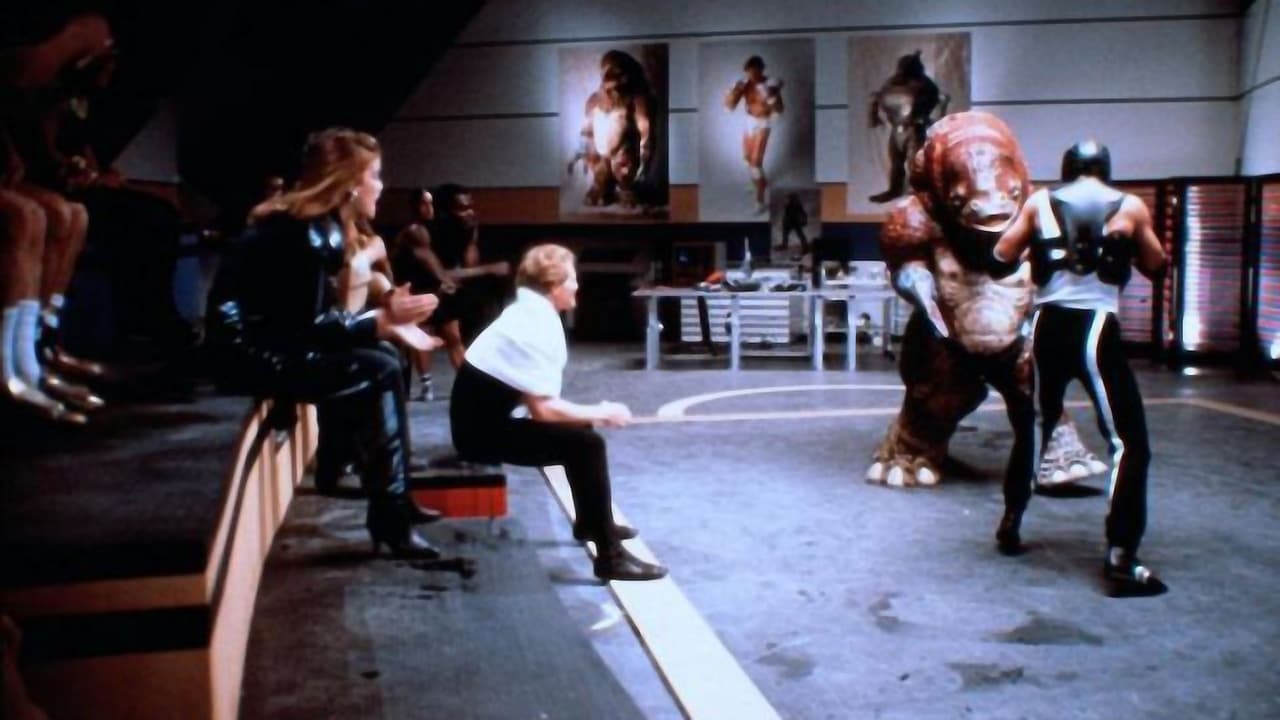
The Mortal Kombat film franchise is older than most of its current audience. The original 1995 film — directed by Paul W.S. Anderson, of all people — was a legitimate blockbuster, earning over $122 million worldwide on a modest budget and becoming one of the rare video game adaptations that fans actually defended. A sequel, Mortal Kombat: Annihilation, arrived in 1997 and was widely considered a disaster.
The 2021 reboot, directed by Simon McQuoid in his feature debut, was greenlit by Warner Bros. as part of a broader push to develop IP for the then-new HBO Max platform. It earned mixed-to-positive reviews, with most critics praising the fight choreography and game-accurate costumes while flagging Cole Young as an unnecessary narrative detour.
Director McQuoid brings a background in high-end commercial directing — he's known for technically precise visual work — and that aesthetic carries into the sequel's arena sequences, which are shot with more clarity than most contemporary action films manage.
Slater's own resume before this project was eclectic in the best way. He created Moon Knight for Marvel, helping establish Oscar Isaac's version of the character before the MCU's Phase Four began fragmenting. He executive produced The Umbrella Academy across its Netflix run. He also co-wrote Godzilla x Kong: The New Empire — which, for better or worse, is good preparation for managing enormous ensemble casts where the humans are technically secondary to the spectacle.
Movie OTT has the complete franchise page covering every Mortal Kombat film and their current streaming availability across regions.
What Mortal Kombat III Is Already Setting Up
The third film is confirmed. Slater was announced as the writer at New York Comic Con last year, and the ending of Mortal Kombat II functions clearly as a setup rather than a conclusion.
Liu Kang's fate is the obvious centerpiece. In the game canon, Liu Kang eventually becomes a fire god — an ascended being who transcends mortal combat entirely. The film's deliberately vague death scene appears designed to enable exactly that transformation, giving Ludi Lin a dramatically elevated role in the threequel rather than a straightforward resurrection.
Slater has also mentioned wanting "dozens" of additional characters for future installments — Quan Chi, Jade, and others who didn't make the cut in the sequel due to simple screen-time mathematics. Kano's return, despite dying in film one, signals that the franchise will continue treating death as a narrative tool rather than a permanent exit.
Hard to say if Warner Bros. will greenlight the third film immediately based on the sequel's opening — $40 million is promising but not a runaway hit. A strong second weekend and international performance will matter. For the latest on streaming availability as Mortal Kombat II moves from theaters to platforms, Movie OTT has the current picture across all regions.