The Last Note and Fusee's Three-Doc Slate Signal a Bold New Direction at Cannes 2026
TL;DR: At the 2026 Cannes Film Market, Fusee Films unveiled a three-documentary slate spanning five countries, with grief documentary The Last Note already acquired by Quebec-based HG Distribution. The film — directed by Patrick de Belen — centers on a Filipino-Canadian poet processing his brother's death through journals and memory. No streaming platform has been confirmed yet, but festival circulation and a targeted 2026–2027 release window are expected.
On a Tuesday evening in Cannes, with the Croisette buzzing from a week of sales announcements and co-production pitches, Fusee Films quietly dropped some of the most emotionally charged documentary news of the entire market. Three non-fiction projects. Five countries. And a grief film that had already landed international representation before most people even knew it existed.
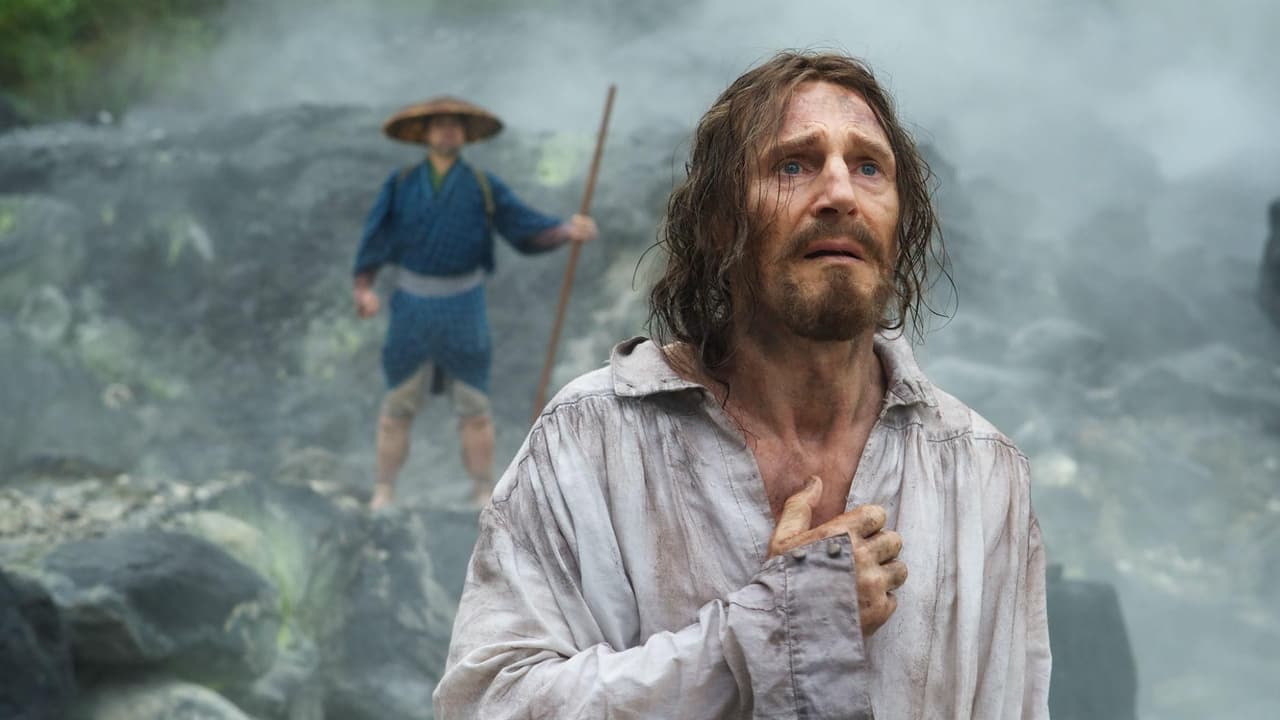
That film is The Last Note, directed by Patrick de Belen, and it's the kind of documentary that doesn't announce itself loudly. It arrives quietly, and then it doesn't let go. Variety reported the acquisition exclusively, noting that Quebec-based HG Distribution had secured international sales rights to the Canadian production ahead of its release — a significant vote of confidence for a film that hasn't yet hit the festival circuit in full force. For audiences who follow diaspora storytelling, Filipino-Canadian cinema, or documentary filmmaking that sits at the intersection of grief and mental health, this slate is worth paying close attention to.
What Fusee Films Actually Announced at the Cannes Film Market
The three-documentary slate marks a genuine strategic pivot for Fusee, a company that built its reputation almost entirely on prestige fiction. The production house has Cannes selection Plan 75, Venice Critics' Week Grand Prize winner Don't Cry, Butterfly, and Locarno's Topakk on its fiction resume — a genuinely impressive run that makes the documentary turn feel less like a side project and more like a deliberate expansion of identity.
Here's what the slate actually consists of:
- The Last Note (Canada) — Directed by Patrick de Belen. A Filipino-Canadian poet reconstructs the life of his younger brother, who died, through journals, songs, and fragments of memory. Produced by Still Here Productions and Fusee. Already acquired by HG Distribution for international sales. Release year: 2026 (targeted).
- Land of Evanescence (Vietnam-Philippines-France co-production) — Directed by Nguyen Thi Xuan Trang. A 60-minute documentary tracing the multigenerational legacy of the Vietnam War through archival footage and encounters with a former propagandist and an American veteran. Featured in the Cannes Docs-in-Progress Showcase. Targeting a 2027 release.
- Forgive Me Father for I Have Sinned (Belgium-Philippines co-production) — Directed by Jeremy Luke Bolatag, a young Filipino filmmaker who emerged from the Belgian singing competition series Voice van Vlaanderen. Still in development. Explores queer identity against a backdrop of Catholic faith and diaspora life.
Fusee was founded by Wilfredo C. Manalang, who also serves as producer on Land of Evanescence alongside Charlotte Lelong through Lagi Ltd. and Trance Films.
What the Director and Distributor Said About The Last Note
The part I'm most curious about is how The Last Note handles the silence around mental illness in Filipino diaspora communities — because that silence is real, documented, and rarely gets this kind of cinematic treatment.
Patrick de Belen, the film's director, addressed that directly. "The themes in this film are often difficult to talk about, and it is sad to think we must feel alone because of that discomfort," he said. "This story encourages us to witness the rawness of both beauty and devastation, while reminding us that the only way through it is together."
That's not boilerplate director-speak. That's someone who lost a brother and made a film about it.
Henry Gagnon of HG Distribution was equally specific in his assessment, calling the film "a powerful, intimate film that transforms personal grief into a lucid act of witness" and pointing to its treatment of BPD (Borderline Personality Disorder), migration, and precarity as what makes it "both heartfelt and urgently relevant." Gagnon added that the film "speaks to diasporic experiences and colonial legacies that will resonate strongly with multicultural audiences and festival programmers alike."
Two quotes from two people who've clearly seen the film. That matters. (Disclosure: Movie OTT reached out through available channels but had not received a response from the production at time of publication.)
How This Lands for Indian Audiences and the South Asian Diaspora
Here's the honest answer: The Last Note doesn't have confirmed OTT platform availability yet, in India or anywhere else. It's in international sales through HG Distribution, which means platform deals are likely being negotiated now, post-Cannes.
But context matters here. The Indian streaming audience — particularly on Netflix India, Amazon Prime Video India, and Mubi — has shown real appetite for diaspora documentary work that crosses cultural lines. Films like Writing With Fire (India's Oscar-shortlisted 2021 documentary) and All That Breathes proved there's a genuine Indian audience for non-fiction that takes emotional risk seriously. The Last Note fits that mold.
The Filipino diaspora angle also has indirect resonance for Indian viewers. Themes of immigration, family silence around mental illness, and the weight of colonial history aren't specific to Filipino-Canadian communities — they're shared across South Asian diaspora experiences in Canada, the UK, and the US. That's the kind of cross-cultural bridge that can turn a niche documentary into a widely discussed streaming title.
Movie OTT's where-to-watch tracker will be updated as platform deals are confirmed across regions. For now, the film is likely heading to the international documentary festival circuit before any streaming window opens — think Hot Docs, IDFA, or MAMI Mumbai International Film Festival as potential stops.
Potential Indian streaming homes to watch:
- Mubi India (strong track record with arthouse documentary acquisitions)
- Netflix India (if HG Distribution closes a major deal)
- Amazon Prime Video India (active in diaspora content)
- DocuBay (India-based documentary streaming platform with global acquisitions)
No confirmed platform. No confirmed India release date. Watch this space.
Fusee's Fiction Pedigree Makes This Documentary Gamble Interesting
Fusee isn't a company that stumbled into documentary filmmaking. It's a company that built serious festival credibility over several years and is now choosing to apply that credibility to non-fiction. That's a different thing entirely.
Their fiction slate reads like a festival programmer's wish list. Plan 75, a 2022 Japanese film about a government program allowing elderly citizens to opt for euthanasia, screened in the Cannes Un Certain Regard section and went on to earn Japan's submission for the Academy Awards' International Feature Film category. Don't Cry, Butterfly, a Vietnamese drama, took the Grand Prize at Venice Critics' Week. Blue Room became a Netflix Asia hit. These aren't flukes — they represent a consistent eye for emotionally difficult, culturally specific stories that travel internationally.
Director Patrick de Belen brings a different kind of credential: personal proximity to the subject. This isn't a filmmaker who researched grief. He lived it. Nguyen Thi Xuan Trang, directing Land of Evanescence, spent three years developing her Vietnam War project and used the Cannes Docs-in-Progress Showcase to present the film's first images publicly. And Jeremy Luke Bolatag, behind Forgive Me Father, is a 2025-2026 breakthrough figure in Belgium who pivoted from reality television to documentary filmmaking. Three directors. Three completely different entry points into non-fiction.
If The Last Note compares to anything a broad audience might know, think of Tarnation (2003) — Jonathan Caouette's raw, home-video-assembled portrait of his mother's mental illness and their fractured family. Same kind of intimate assembly of fragments. Same refusal to make grief look clean.
What Wilfredo Manalang's Vision Means for the Slate's Future
Manalang, Fusee's founder, didn't mince words about the pivot. "Documentary filmmaking is where Fusee's soul lives," he told Variety. "These three projects are not just films. They are invitations to a global conversation that we believe the world is ready to have, and urgently needs."
That's a mission statement, not a press release. And it signals that this three-doc announcement isn't a one-time experiment — it's the beginning of a sustained non-fiction program from a company that knows how to get films to major festivals and, critically, knows how to sell them internationally.
Charlotte Lelong, producer at Trance Films on Land of Evanescence, put the cross-cultural ambition plainly: "Bridging Europe and Asia is part of Trance Films' identity. It is exciting to be working with Vietnam for the first time, a country which France has a long shared history with." The 60-minute runtime for Land of Evanescence is also worth noting — it positions the film for television co-production deals in France and Belgium, where documentary series and single-film commissions have strong institutional support through ARTE and similar broadcasters.
Honestly, the project I'm watching most carefully after The Last Note is Forgive Me Father for I Have Sinned. A young Filipino filmmaker coming out of Belgian reality television to make a personal documentary about queerness and Catholic faith in diaspora — that's a story with no obvious precedent, and that's exactly when documentary filmmaking gets interesting.
Movie OTT will be tracking all three films as they move through the festival and acquisition pipeline.
What Comes Next for The Last Note and the Full Slate
The immediate next step for The Last Note is the international festival circuit. HG Distribution's acquisition means the film has professional sales infrastructure behind it — expect submissions to IDFA (Amsterdam, November), Hot Docs (Toronto, spring 2027), and potentially MAMI later this year. A streaming deal, when it comes, will likely follow a festival run rather than precede it.
Land of Evanescence is targeting a 2027 release and is still in production, with the Cannes Docs-in-Progress appearance serving as both a visibility play and a co-production pitch. Forgive Me Father is the earliest in development of the three, which means it's 18-to-24 months away from any public screening at minimum.
The bigger question isn't whether these films find audiences. It's whether Fusee's documentary pivot attracts the kind of institutional funding (ARTE, NFB Canada, the Philippine film development bodies) that could make this a sustained slate rather than a three-film announcement. That answer will come at Berlin and Sundance 2027. For streaming availability updates across all three films and all regions, Movie OTT will have the current picture as deals are confirmed.