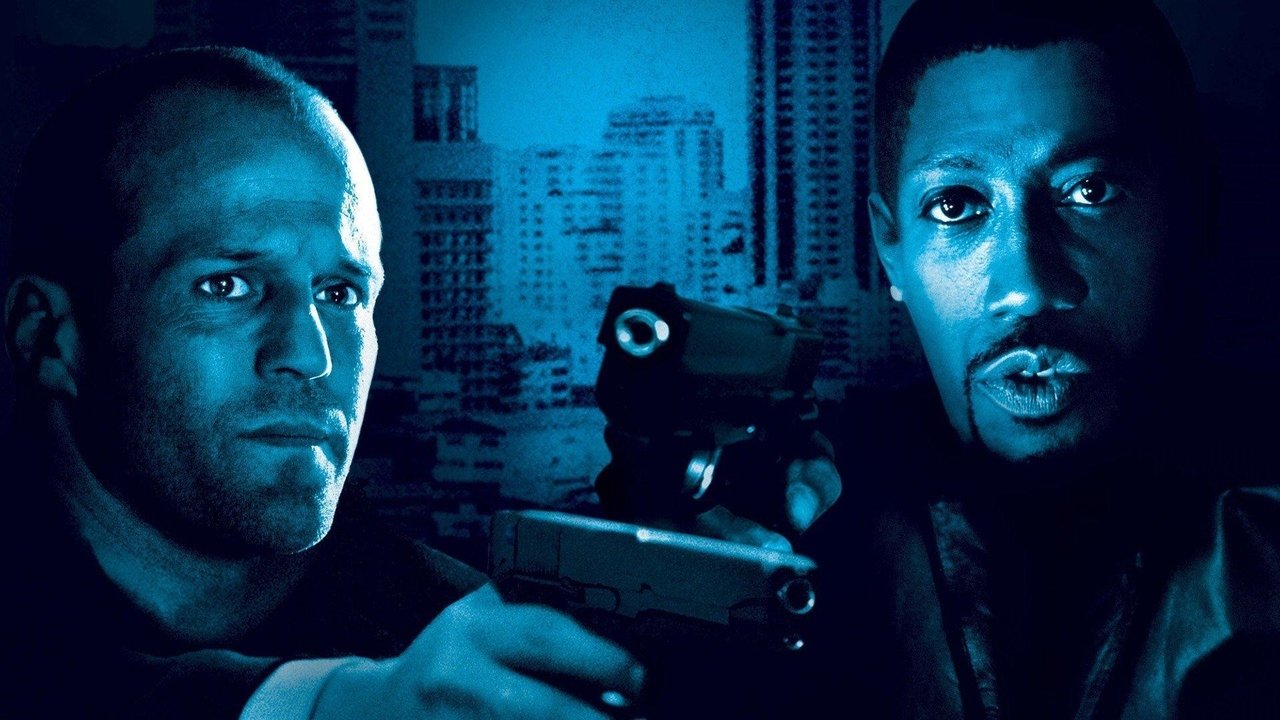
Spain's Rif War Gets the War-Horror Treatment It Deserves in Carte Blanche
TL;DR: Latido Films is taking Carte Blanche — a brutal, historically grounded Spanish war film — to the Cannes Marché du Film in May 2026. Directed by Oscar-winning producer Gerardo Herrero and starring rising star Iván Pellicer, the film drops audiences into the blood-soaked chaos of Spain's 1921 Rif War in Morocco. Streaming availability hasn't been confirmed yet, but this one's already generating serious awards-season heat.
Spain Just Sent Its Most Uncompromising War Film to Cannes
A revenge mission gone catastrophically wrong. That's the engine of Carte Blanche, and Latido Films didn't hesitate — they're taking it straight to the biggest market in the world.
Variety reported on May 11, 2026 that Latido Films has acquired Carte Blanche and is presenting it at the Cannes Marché du Film, which runs from May 12 to 20, 2026. The film is a period war action picture set during Spain's disastrous 1921 Rif War against Berber tribesmen in the Moroccan desert — a conflict that most of the world has forgotten, and that Spain has spent decades trying to process. Directed by Gerardo Herrero, whose producer credit on The Secret in Their Eyes earned him an Academy Award, the film stars Iván Pellicer as a soldier struggling to hold onto his humanity while everything around him collapses into atrocity. It's the kind of film Cannes was built for.
What We Know About Carte Blanche Right Now
Here are the core facts, as verified by Variety's reporting and Latido Films:
- Director: Gerardo Herrero — Oscar-winning producer (The Secret in Their Eyes, 2010), now stepping behind the camera
- Lead actor: Iván Pellicer (Querer), playing Faura, the squad's moral center
- Supporting cast: Salva Reina (The 47) and Víctor Clavijo (The Wait), the latter playing the squad's psychotic sergeant
- Setting: The Moroccan desert, 1921 — Spain's Rif War against Rif Berber fighters
- Market premiere: Cannes Marché du Film, May 12–20, 2026
- Production note: Shot on location in Almería, Spain
The plot turns on a massacre. Spanish soldiers are killed. An eight-man elite unit from the Spanish Legion — commanded by a sergeant whose brother was tortured and murdered in the attack — is sent out for revenge. What begins as a military raid on a Berber village spirals into something far darker: racist violence, rape, slaughter, and eventually a desperate, cornered escape attempt through an arid canyon with enemy marksmen closing in from above.
Runtime and global release date haven't been confirmed yet. But with Cannes as the launchpad, international distribution deals are expected to follow quickly. Movie OTT will update streaming availability as soon as territories are confirmed.
Why Spain Is the Country to Watch at the 2026 Marché du Film
Here's something that doesn't get enough attention: Spain is quietly becoming one of the most productive genre-film markets in the world, and Carte Blanche is exhibit A.
Latido Films isn't arriving at Cannes with a single prestige film and hoping for the best. They're presenting a curated batch of quality genre productions — films made at genuine scale, with craft budgets and international ambitions — that collectively make a statement about what Spanish cinema can do right now. Carte Blanche sits at the center of that push.
The choice of Almería as a shooting location is no accident. That same scrub desert — pale, bleached, brutally photogenic — was used by David Lean for Lawrence of Arabia and by Sergio Leone for his Dollars Trilogy. Choosing it for Carte Blanche is a deliberate visual argument: this film belongs in that lineage of desert war epics that use landscape as psychological weight.
What's striking is how the Rif War itself remains so underexplored on screen. The conflict, sometimes called Annual after the catastrophic 1921 battle in which Spanish forces suffered one of their worst colonial defeats, has never received the kind of cinematic reckoning that, say, the Vietnam War or the Falklands conflict has in their respective national cinemas. Carte Blanche seems to want to change that — and not gently.
Latido is also doing something genuinely interesting beyond the film itself. According to Fantastic Pavilion, the company is launching a new genre award at Cannes' Fantastic Pavilion, specifically recognizing the best Spanish-language Iberoamerican work-in-progress or finished film. The prize includes monetary support, international sales representation, and theatrical release in Latin America. That's a meaningful infrastructure investment in the genre ecosystem — not just a marketing play.
For context on the scale of the Marché du Film itself, the Palais des Festivals hosts one of the largest film markets in the world, connecting buyers and sellers across more than 100 countries over nine days.
What Latido's Head Said — and Why It Matters
Antonio Saura, head of Latido Films, put it plainly: "'Carte Blanche' is a gripping action film that does not let you breathe while watching it and stays with you when the film finishes."
That's not typical distributor boilerplate. The language — "does not let you breathe" — signals something specific about the film's pacing and intensity. And the second part, "stays with you when the film finishes," is a quiet acknowledgment that Carte Blanche isn't just an action movie. It's asking the audience to sit with what they've seen.
That combination — visceral genre filmmaking that also carries moral weight — is exactly what's been driving the international appetite for Spanish-language cinema over the past decade. Saura's framing suggests Herrero and his team know what they've made.
(Disclosure: Movie OTT reached out to Latido Films for additional comment and had not received a response by publication time.)
How This Lands for Indian Audiences and What to Expect on OTT
Indian audiences have developed a real appetite for international war cinema over the past few years — 1917, Dunkirk, and the German miniseries Das Boot all found strong viewership here, particularly on streaming platforms. Carte Blanche, with its confined-unit survival structure and morally compromised protagonist, fits squarely into that tradition.
The film hasn't been picked up by an Indian streaming platform yet, but given the genre and the Cannes profile, the likely candidates are:
- Netflix India — which has a strong track record acquiring Spanish-language titles, including Money Heist and Elite
- Amazon Prime Video India — which has been expanding its European arthouse-adjacent catalog
- MUBI India — a natural home for festival-circuit war films with serious critical credentials
- Sony LIV — which has occasionally acquired international prestige titles for Indian distribution
No dubbed or subtitled versions have been announced for Hindi, Tamil, or Telugu markets yet. That said, Netflix's existing infrastructure for Spanish-to-Hindi dubbing (built around Money Heist's enormous Indian fanbase) makes them the most likely home if they move on acquisition.
Movie OTT's where-to-watch tracker is the fastest way to check Indian streaming availability once a deal is announced — the platform covers Netflix, Prime Video, Hotstar, JioCinema, SonyLIV, and Zee5 across all regions.
Gerardo Herrero, Iván Pellicer, and the Team Behind the Film
Gerardo Herrero is not a first-time filmmaker — but his reputation has been built primarily as a producer. His most celebrated credit is The Secret in Their Eyes (2009), the Argentine thriller directed by Juan José Campanella that won the Academy Award for Best Foreign Language Film in 2010. Herrero's production instincts — his understanding of scale, pacing, and international market positioning — are likely what shaped Carte Blanche into something with genuine commercial teeth alongside its historical ambitions.
Iván Pellicer is one of Spain's fastest-rising young actors. His work in the acclaimed series Querer put him on the radar of international casting directors, and landing the lead in a Cannes-bound war film is a significant step up. His character, Faura, is the film's moral anchor — the soldier who doesn't lose himself, even as everyone around him does. That's a technically demanding role: he has to register horror without becoming passive, and maintain audience identification in the middle of sequences designed to be deeply uncomfortable.
Víctor Clavijo, who plays the psychotic sergeant, is known to Spanish audiences from The Wait. Salva Reina, from The 47, rounds out the central cast. Both are character actors with serious dramatic range.
The Almería location — that same arid, cinematic desert — does its own kind of acting in a film like this. Leone used it to make men look small against the landscape. Lean used it to make the landscape look like a character. What Herrero does with it, we'll find out.
Watch the official trailer:

What Comes Next for Carte Blanche After Cannes
The Cannes Marché du Film closes on May 20, 2026. After that, the distribution picture for Carte Blanche should clarify quickly — major territory deals typically get announced within weeks of the market closing, especially for films with this kind of genre-prestige profile.
Watch for North American, UK, and Latin American distribution announcements first. A festival run through the second half of 2026 — San Sebastián, Toronto, or the Sitges Film Festival (which would be a natural fit for a genre-inflected war film) — seems probable before any theatrical or streaming release. Hard to say if an awards push is already in the works, but with Herrero's Oscar pedigree behind it, don't rule it out.
For the latest streaming availability across India, the US, the UK, and Spain, Movie OTT has the current picture as deals are confirmed.