Miles Teller's Decade-Long Press Embargo: The Esquire Profile That Changed Everything
TL;DR: A 2015 Esquire profile calling Miles Teller "kind of a dick" scared him away from print interviews for eleven years. Now at Cannes promoting James Gray's crime thriller Paper Tiger (competing for the Palme d'Or), Teller is back doing press—but only on camera, where he can't be misquoted. The film, starring Teller opposite Adam Driver and Scarlett Johansson, hits theaters later in 2026.
Picture this: You're a working actor. A magazine reporter spends hours with you, records conversations, takes notes. Two weeks later, you're reading yourself described as "kind of a dick" in a national publication. Your quotes are rearranged. Your tone feels alien. And there's nothing you can do about it.
That's Miles Teller's 2015 Esquire story. And he's still angry about it.
Speaking to IndieWire at the 2026 Cannes Film Festival, Teller was remarkably direct about why he stopped doing print profiles more than a decade ago. "That was so mishandled," he said. "The reason why I have not done profiles is because I said, 'Wow, if I'm not doing this interview on camera, this person can misquote things or put things out of order or say things that didn't happen. It felt like such a violation of what actually transpired.'"
He didn't stop there. "I told my team, 'Guys, I don't think I'm doing this again, because I'm reading this and this doesn't sound like me to me. This is not life, so why would I ever want to be a part of something where they can just put that in?'"
What's striking isn't the grievance itself—celebrities complain about coverage all the time. What's striking is that Teller actually followed through. For eleven years. And his career didn't collapse.
Why That Single Profile Matters More Than You'd Think
Look, the Esquire piece wasn't a hatchet job about something genuinely terrible. It was a repositioning. The magazine took an actor the public didn't yet have strong opinions about and handed them a ready-made narrative: this guy is difficult, self-serious, maybe a little insufferable. The label stuck.
At the time, Teller had just finished Whiplash (2014), which landed him on the awards circuit. He was in the conversation for a moment—the kind of moment when a single profile can either launch you or anchor you. The Esquire piece did the latter. And worse, it did it without his ability to fight back effectively. You can tweet a denial. You can't really un-ring that bell.
What I keep coming back to is the asymmetry here. The journalist gets to shape the narrative. The actor gets to deny it. And the reader, stuck in the middle, usually believes whichever version sounds more entertaining. "Kind of a dick" is more entertaining than "actually pretty thoughtful."
Teller understood this immediately. He didn't sue. Didn't do a corrective profile with a friendlier outlet. He just... stopped. Withdrew from the entire format. And that's actually the smartest play available to him. At least it was until Cannes 2026 came calling.
Paper Tiger: What Teller Is Promoting Now
The reason Teller's press embargo matters right now is because he's breaking it—sort of. His film, Paper Tiger, is competing in Cannes's main selection, which means studios expect maximum promotional firepower. Teller's showing up. He's doing interviews. But they're on camera, which means there's a transcript, a record, protection against reframing.
Here's what you need to know about Paper Tiger:
- Director: James Gray (Ad Astra, Armageddon Time)
- Stars: Miles Teller, Adam Driver, Scarlett Johansson
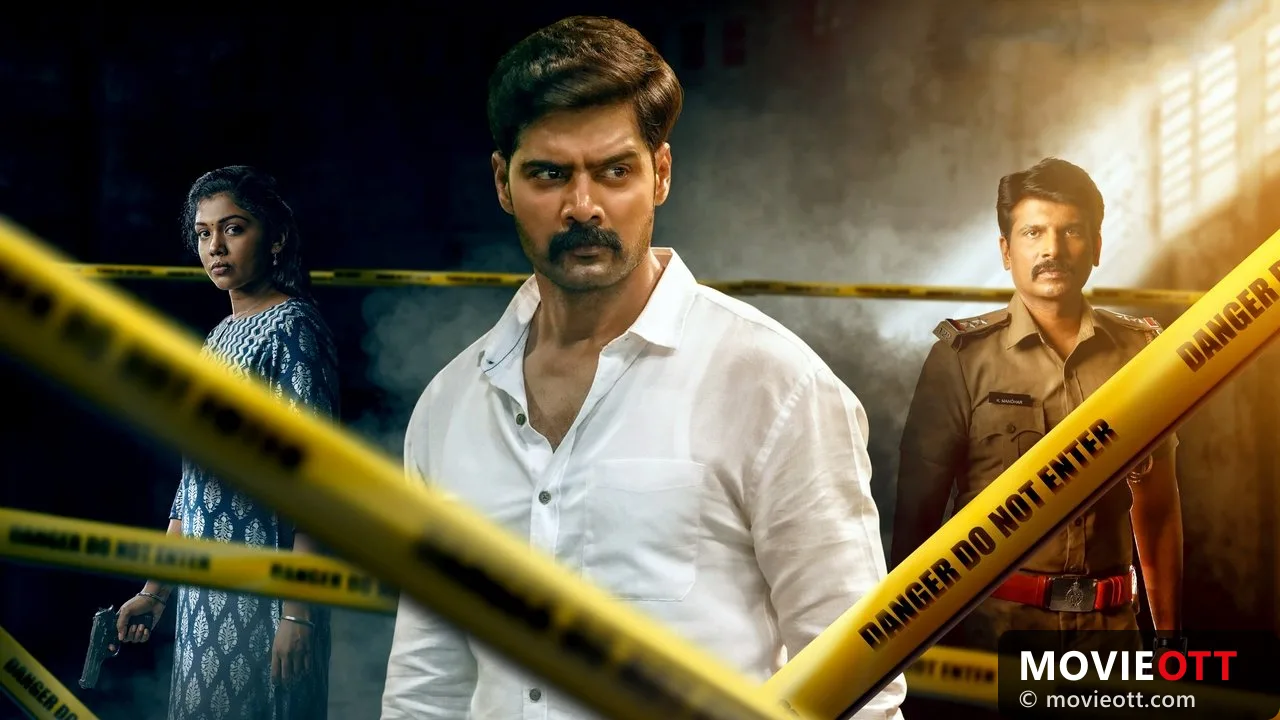
- Plot: Set in 1986 Brooklyn. Teller plays Irwin Pearl, a nebbish family man who accidentally witnesses Russian mob activity near the Gowanus Canal. Adam Driver is his brother Gary, a former cop trying to broker a deal to get them out—which, naturally, pulls them both deeper into violence.
- Distributor: Neon (theatrical, US)
- Release: Later in 2026 (exact date TBD)
- Cannes status: Main Competition
This is a prestige move wrapped in a genre package. James Gray doesn't make easy films—his work is densely layered, morally complicated, visually rigorous. Armageddon Time (his last Cannes entry in 2022) earned strong reviews but modest box office, which is the standard pattern for Gray. The question here is whether the cast changes that equation.
Driver brings serious commercial weight. Star Wars sequel trilogy, Black Mirror, everything else—he's proven he can anchor a film at scale. Johansson, post-Black Widow and her Disney settlement, remains one of the most reliable names in Hollywood. Teller proved with Top Gun: Maverick ($1.49 billion global, per Box Office Mojo) that he can carry a blockbuster when the material works.
James Gray's Pattern (and Why It Matters for Paper Tiger)
Gray is a director you either trust or you don't. He makes films that demand patience—long takes, elliptical storytelling, moral ambiguity. We Own the Night, The Immigrant, Two Lovers. Not comfortable films. They don't resolve neatly. And they've never been massive commercial successes, even when they've been critically acclaimed.
Ad Astra (2019) is probably his most commercially ambitious film: a space drama with Brad Pitt, an $80 million budget. It made $87 million globally. That's not a flop, but it's not a win either. Gray's ceiling seems to be critical respect + limited but devoted audience, not mainstream penetration.
Paper Tiger's 1986 Brooklyn setting and Gowanus Canal backdrop suggest a return to his earlier work—crime-tinged, specifically located, morally murky New York stories. That's either a feature or a bug depending on which audience you're trying to reach. Movie OTT's streaming tracker will have platform details once distribution is finalized, but the theatrical strategy is what matters first.
Neon—which distributed Parasite to a $53.4 million North American gross—knows how to convert prestige-festival buzz into real box office. That precedent matters. If anyone can make a James Gray film commercially viable, it's them.
The Broader Industry Problem Teller's Story Reveals
Here's the thing that doesn't get said often enough: the Esquire profile wasn't an anomaly. It was a product of a specific incentive structure where provocation drives clicks and "kind of a dick" is more shareable than "actually pretty thoughtful guy." Editors know this. Writers know this. And talent know this, which is why the press-talent trust deficit keeps widening.
Teller's response at the time was direct. He tweeted: "Esquire couldn't be more wrong. I don't think there's anything cool or entertaining about being a dick or an asshole. Very misrepresenting." But the correction couldn't compete with the original framing. Corrections never do.
His solution—stop doing profiles entirely—is probably the most rational market response available. He didn't litigate. Didn't do a corrective puff piece. He withdrew. And his filmography sustained itself: Whiplash (2014), War Dogs (2016), Top Gun: Maverick (2022). That's a career that didn't need the traditional magazine-profile apparatus to function. Most coverage frames Teller's return to press as a comeback-from-controversy story; the more interesting data point is that between 2015 and 2025 he generated $1.7 billion in cumulative global box office without sitting for a single longform print interview, which is a clean proof-of-concept that the traditional profile cycle is no longer a prerequisite for commercial viability at the studio level.
What's quietly happening across Hollywood right now is that more talent are following Teller's playbook. Social-first campaigns. Controlled video formats. Press appearances only where there's a transcript. Studios are adjusting their marketing strategies to account for this reality, leaning less on print and more on formats where talent controls the output. Teller's decade-long embargo isn't a personal grudge. It's a preview of where the whole industry is heading.
Paper Tiger in India: Where It's Likely to Land
Indian audiences have a strong appetite for American crime thrillers with prestige pedigree. Driver's connection carries significant weight—Marriage Story performed extraordinarily on Netflix India. Johansson draws consistent engagement across Hindi-speaking markets, particularly post-Avengers. And for Indian audiences weighing whether Paper Tiger will land with the same impact, the more relevant comparison isn't Gray's earlier New York crime films; it's Animal (2023), which proved that a stylized, morally ambiguous crime drama with a star-driven cast can open to ₹63.8 crore on day one in India. The appetite for this kind of dark, character-driven violence is already established at that price point (even if the sensibility is very different).
Streaming availability for Paper Tiger in India hasn't been confirmed yet (the film hasn't released theatrically anywhere), but based on Neon's distribution patterns and existing studio relationships, here's what's most likely:
- Netflix India: Most probable. Neon has prior output deals with Netflix, and the platform actively seeks Cannes competition titles.
- Amazon Prime Video India: Secondary possibility if a regional rights deal is structured separately.
- Disney+ Hotstar: Less likely given non-Disney provenance, but possible for satellite/streaming package deals.
Hindi dubbing is standard for wide-release Hollywood titles at this budget level. Tamil and Telugu dubs are likely if theatrical distribution includes South Indian markets.
Check Movie OTT for confirmed India streaming availability as soon as platform deals are announced. Expected India release: 4–6 weeks after the US theatrical window closes, consistent with Neon's recent pattern.
What Happens Next: Teller, Gray, and the Cannes Circuit
A Cannes competition slot is the strongest possible launch platform for a film like this. It signals prestige. It attracts international distributors. It gives Neon leverage for theatrical negotiations across territories.
For Teller personally, the Cannes press run suggests a recalibration—not a full reversal of his embargo. He's doing video interviews. He's not doing print profiles where someone else controls the narrative. That's a workable middle position. Frankly, it's smarter than most actors' media strategies.
Hard to say if the Esquire wound ever fully heals. But professionally? It stopped mattering years ago. His filmography speaks louder than any profile ever could.
Watch for the Paper Tiger trailer drop in the coming weeks and a likely US theatrical date announcement before Cannes wraps. For up-to-date streaming availability across regions, Movie OTT has the current picture as distribution deals get finalized. The film deserves attention—not because of the Teller drama, but because Gray's been quiet for four years, and when he comes back, it matters.