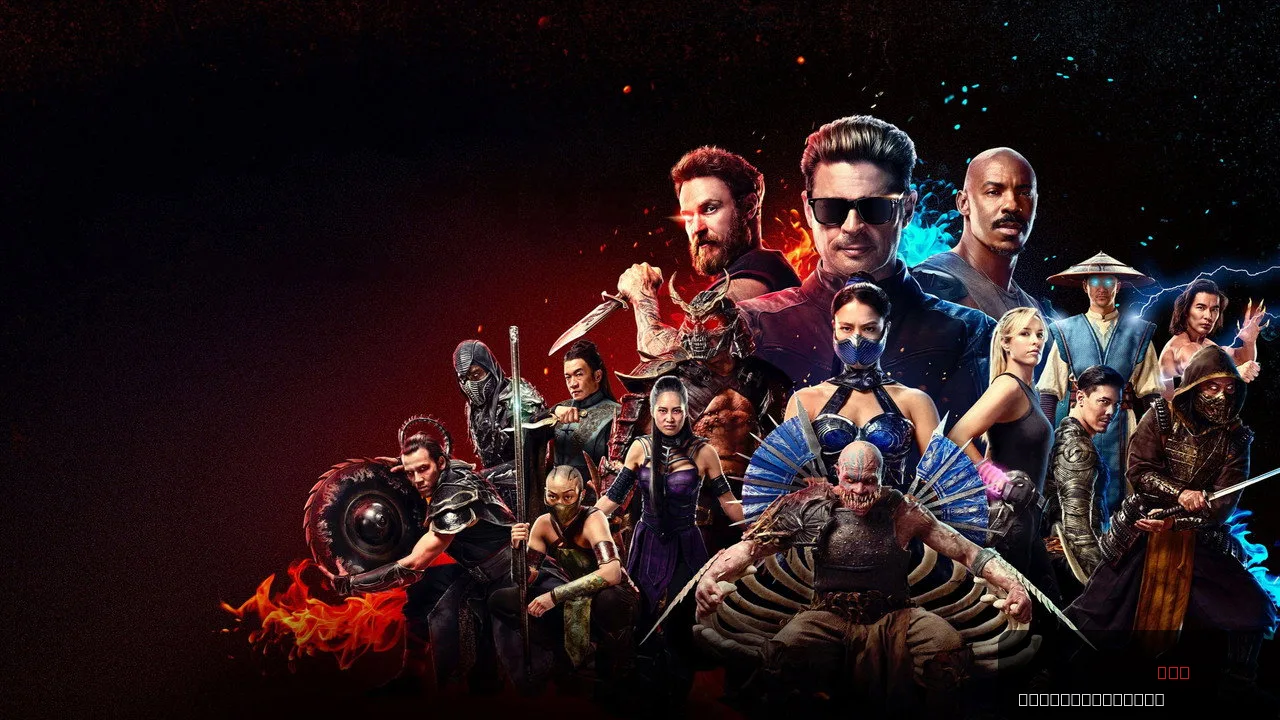
Cole Young's Death in Mortal Kombat II Was Always Going to Happen
TL;DR: Screenwriter Jeremy Slater has confirmed that Cole Young's brutal killing in Mortal Kombat II was a deliberate creative response to fan backlash against the original character from the 2021 film. The sequel, now in theaters, also kills off Liu Kang — a genuinely shocking move that diverges from game canon. Here's what it means for the franchise, and where you can watch it.
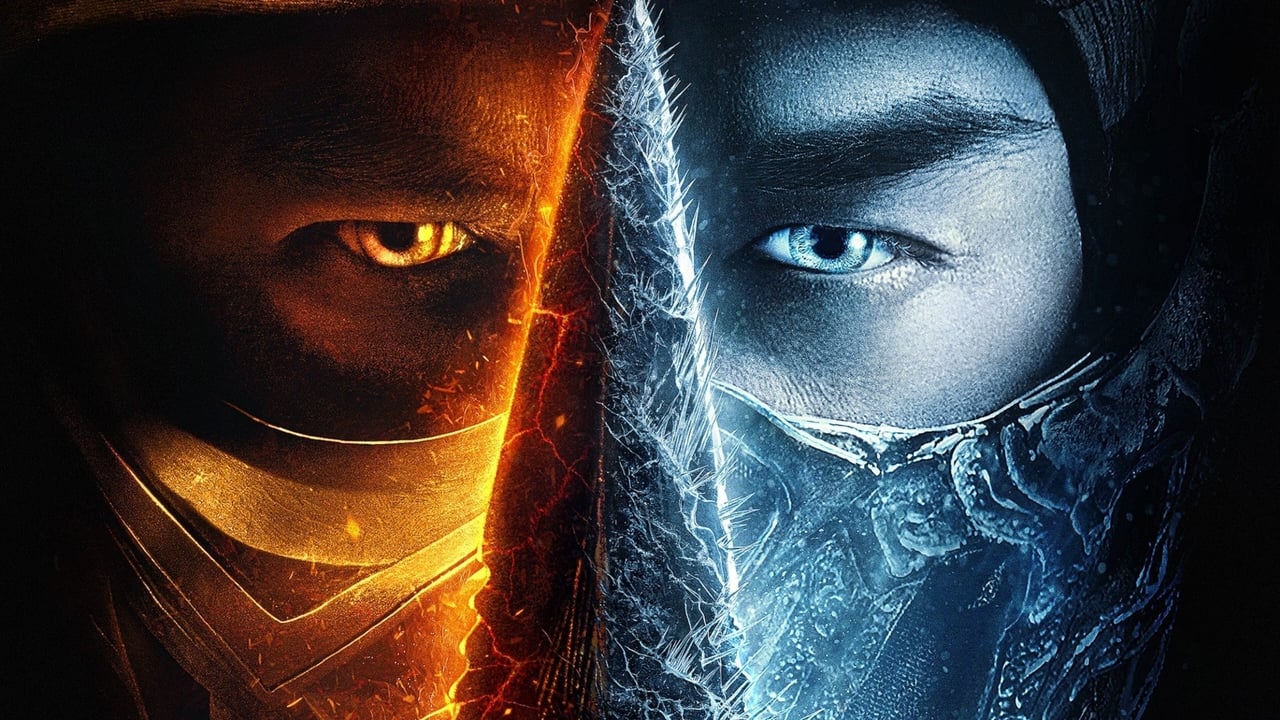
Three years after Sonic the Hedgehog 2 proved that video game adaptations could course-correct hard and win back a crowd, Warner Bros. has pulled off something messier and arguably bolder: they killed their own main character to prove a point. Mortal Kombat II, directed by Simon McQuoid and in theaters globally as of May 2026, doesn't just pivot from its predecessor — it buries it. Literally. Cole Young, the original-character MMA fighter introduced in the 2021 film and played by Lewis Tan, gets his skull caved in by Shao Kahn's war-hammer and dropped into a pool of acid. No resurrection ambiguity. No slow fade. Gone.
What Actually Happens to Cole Young — and Why It Matters
Let's get the facts straight first, because the internet has been chaotic about this.
Mortal Kombat II is in theaters now, released in May 2026. Directed by Simon McQuoid (returning from the first film), the sequel stars:
- Karl Urban as Johnny Cage — widely marketed as the lead
- Adeline Rudolph as Kitana — who actually gets the most substantial arc
- Lewis Tan as Cole Young — present, but only briefly
- Ludi Lin as Liu Kang — whose fate is the film's other major gut-punch
- Shao Kahn as the central antagonist, with Earthrealm's champions fighting for survival in the tournament
The plot, per TMDB: fan-favorite champions, now joined by Johnny Cage, face each other and the forces of Shao Kahn in an all-out battle to defend Earthrealm from destruction. That framing is accurate — though it undersells how willing the film is to discard its own pieces.
Cole's death comes early enough to function as a statement. Shao Kahn crushes his head with a war-hammer and pushes the body into acid. As ComicBookMovie.com reported when a leaked clip circulated ahead of release, the scene is unambiguous — there's no soft edit, no camera cutaway. Cole is dead. Full stop.
Why the Filmmakers Pulled the Trigger on an Original Character
Here's where it gets interesting — and a little uncomfortable, honestly.
Screenwriter Jeremy Slater (who also wrote Marvel's Moon Knight and, yes, 2015's Fantastic Four) spoke to GamesRadar+ about the decision. His explanation is refreshingly candid: Cole Young didn't work for the hardcore fanbase, and they said so loudly. Slater confirmed the death was engineered to serve two audiences at once — shocking the casual viewers who had no issue with Cole, while satisfying the vocal contingent who had been calling for exactly this since 2021.
"The idea was very much we need some deaths that are going to shock everybody," Slater told GamesRadar+. "I love Lewis Tan. I think Lewis is the best, but Cole was a character that the hardcore fans did not respond to in the first movie, and they were very vocal about that, and very vocal about calling for his head. So Cole was a great example of a character where killing him would shock the casual fans... but the hardcore fans are expecting him to die."
That's a remarkably honest admission. The filmmakers essentially designed the death as a two-track emotional experience — horror for the uninitiated, vindication for the terminally online. What's striking is how calculated that sounds in retrospect, and yet how well it apparently lands in execution. The reaction videos circulating online — including a breakdown on YouTube from I Saw Mortal Kombat 2...WTF Just Happened? — suggest the scene genuinely lands as a shock even for people who knew it was coming.
Liu Kang's Death Is the One That Should Worry Franchise Fans
Cole's death is the crowd-pleaser. Liu Kang's is the grenade.
Ludi Lin's Liu Kang — canonically the guy who wins the Mortal Kombat tournament, the guy who kills Shao Kahn in the games — also dies in Mortal Kombat II. That's not fan service. That's a full break from source material, and Slater knows it.
As he explained to GamesRadar+: "There's a character that is not going to be that shocking for the casual fans, but for the hardcore fans who know that canonically, Liu Kang is the guy who wins the tournament, Liu Kang is the guy who kills Shao Kahn — that is a shocking moment that tells you, 'Oh, the gloves are off now. Nobody is safe.'"
The franchise has now officially diverged from game canon in a way that leaves everything open. The tournament's outcome is genuinely unresolved. Movie OTT has been tracking audience reactions across regions, and the Liu Kang death is generating significantly more debate than Cole's — which makes sense, because it's the one with actual stakes for where the story goes next.
Why the Sequel Landed So Much Better Than the 2021 Original
The first Mortal Kombat was not well-received. /Film called it "underwhelming" at the time, and that was a fair read — it was a film that tried to build a franchise foundation while also being a functional action movie, and it didn't quite do either convincingly. The Cole Young problem was part of that: introducing a non-canon character as the audience surrogate felt like a hedge, a way of easing non-fans into the lore. The fans didn't want easing in. They wanted Kitana. They wanted Johnny Cage.
Mortal Kombat II gives them that. Karl Urban's Cage is exactly what the trailers promised — loud, funny, and surprisingly grounded — and Adeline Rudolph's Kitana reportedly carries the emotional weight of the film's second half. The response has been noticeably warmer than 2021, with critics acknowledging that McQuoid and Slater found a more crowd-pleasing register without abandoning the franchise's essential brutality.
For context: the 2021 film cost approximately $55 million to produce and grossed around $83 million worldwide during a pandemic-era release window. The sequel's theatrical performance is still being tallied, but early tracking suggested considerably stronger opening weekend numbers — a sign that the course correction is working.
Jeremy Slater's Own Words on Getting the Balance Right
Slater's GamesRadar+ interview is worth reading in full if you're a franchise fan, because he's unusually transparent about the mechanics of franchise storytelling. He framed the death decisions as a calibration problem — figuring out which deaths hit which audiences, and whether the emotional geometry adds up.
"It was really about figuring out who are those deaths that are going to have the most impact, that are going to really drive the story forward, and who is going to surprise the most amount of people, and then just trying to find a satisfying balance," he said.
That's the job, isn't it. Not just killing characters for shock value, but mapping the emotional responses of different audience segments and engineering moments that work across all of them. Whether you find that cynical or impressive probably depends on how you feel about franchise filmmaking as a craft. Movie OTT's coverage of the sequel's critical reception suggests the balance Slater describes has largely been achieved — at least by the metrics that matter to studios.
How Mortal Kombat II Is Landing for Indian Audiences
Indian audiences have a significant relationship with the Mortal Kombat IP — both through the games and through the first film, which performed respectably on streaming after its theatrical run. The 2021 movie landed on platforms including HBO Max internationally and had a strong secondary life on streaming in India.
For Mortal Kombat II, Indian theatrical release is running alongside the global rollout in May 2026, with Hindi, Tamil, and Telugu dubbed versions available at major multiplex chains including PVR INOX and Cinepolis. The dubbed versions are reportedly well-produced — action franchises of this scale typically get solid localization treatment for the Indian market.
On the OTT side, the streaming window for India hasn't been officially confirmed at time of writing, but given Warner Bros.'s existing relationships in the region, the film is expected to land on a major platform within the standard 45-day theatrical exclusivity window. Movie OTT is tracking streaming availability across Netflix, Prime Video, JioCinema, and SonyLIV in real time — check there for the most current Indian availability update as the theatrical window closes.
The Cole Young character didn't have a specific Indian fandom constituency, but Liu Kang — as one of the most recognizable Mortal Kombat characters globally — does. His death will land as a genuine surprise for Indian fans who grew up with the games.
The Franchise History That Got Us Here
Mortal Kombat as a film franchise has a complicated legacy. The original 1995 film, directed by Paul W.S. Anderson, is genuinely beloved by a generation of fans — campy, energetic, and weirdly faithful to the game's aesthetic. Its 1997 sequel, Mortal Kombat: Annihilation, is considerably less beloved (to put it gently).
The 2021 reboot was Warner Bros.'s attempt to bring the franchise into the modern blockbuster era. Simon McQuoid, an Australian director with a background in commercials and visual effects-heavy work, was an unconventional choice who delivered a visually competent if narratively muddy first entry. Lewis Tan, a British-Chinese actor known for Into the Badlands, was cast as Cole Young — a character created specifically for the film with no game counterpart.
Karl Urban, joining the sequel as Johnny Cage, brings considerable franchise credibility: he's Dredd, he's Bones McCoy, he's Billy Butcher. His casting was widely seen as the sequel's smartest move. Adeline Rudolph, a German-British actress best known for Chilling Adventures of Sabrina, takes on Kitana — a character with a massive existing fanbase in the game community.
The full franchise release history and cast details are available on Movie OTT's franchise page.
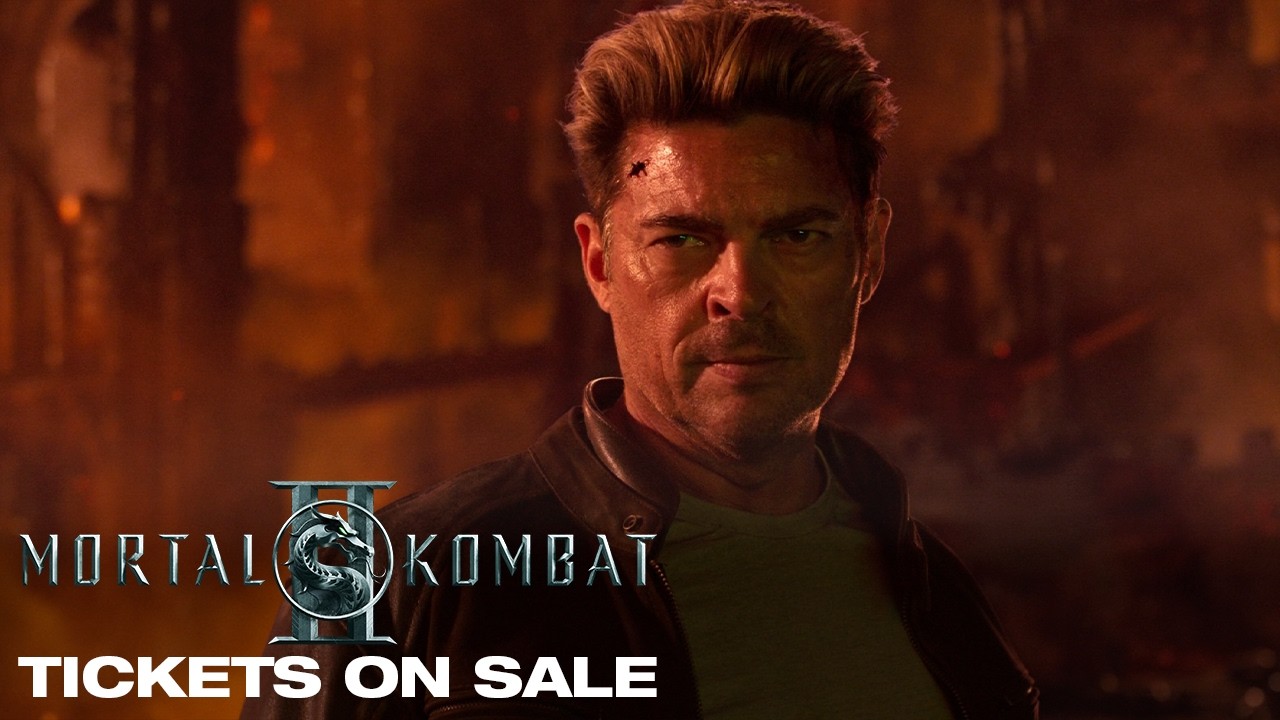
Watch the official trailer:
What Comes Next — and Whether Cole Young Stays Dead
Mortal Kombat II ends with a setup for a third film. Johnny Cage and surviving characters are headed to the Netherrealm — which, in game lore, is exactly the kind of place where dead characters can come back. Slater and McQuoid have left themselves an out, whether intentional or not.
Hard to say if the studio will actually bring Cole back. The character was killed specifically because the fanbase rejected him — resurrecting him would undercut the entire logic of the decision. But franchise filmmaking has done stranger things. Lewis Tan has said nothing publicly about future involvement as of this writing.
For the latest on streaming availability, sequel development, and regional release updates for Mortal Kombat II, Movie OTT has the current picture across all major platforms and territories.