The 10 Best Films of the 2010s That Still Hold Up in 2026
TL;DR: A decade-spanning look at ten films from the 2010s that critics and audiences now consider genuinely flawless. Where to stream each one in India, why they matter, and which to watch first.
Ten films from a single decade, all genuinely perfect from start to finish. No weak third acts. No compromise endings. No asterisks.
That's the claim Collider made recently, and it's the kind of list that's worth taking seriously — not because it's controversial (though some will argue), but because the 2010s are now at exactly the right distance. Close enough that most of us remember watching these in theaters, far enough that the hype has settled and what remains is actual craft. The films include Oscar-winning gems like Parasite and underappreciated masterpieces like The Tree of Life. But also Jordan Peele's Get Out, which shifted how an entire genre thinks about itself in a single weekend.
Here's the full list, along with where you can actually watch them right now.
The Eight Confirmed Titles (Plus Where to Stream Them Today)
| Film | Director | Runtime | Lead Actors | Stream in India | |---|---|---|---|---| | Black Swan (2010) | Darren Aronofsky | 108 min | Natalie Portman, Mila Kunis | Amazon Prime Video | | Inception (2010) | Christopher Nolan | 148 min | Leonardo DiCaprio, Joseph Gordon-Levitt | Netflix / Amazon Prime Video | | The Tree of Life (2011) | Terrence Malick | 139 min | Brad Pitt, Jessica Chastain | JioCinema / SonyLIV | | The Grand Budapest Hotel (2014) | Wes Anderson | 99 min | Ralph Fiennes, Tony Revolori | Disney+ Hotstar | | Mad Max: Fury Road (2015) | George Miller | 120 min | Charlize Theron, Tom Hardy | Netflix | | Moonlight (2016) | Barry Jenkins | 111 min | Trevante Rhodes, Ashton Sanders, Alex Hibbert | Netflix | | Get Out (2017) | Jordan Peele | 104 min | Daniel Kaluuya, Allison Williams | Amazon Prime Video | | Parasite (2019) | Bong Joon-ho | 132 min | Song Kang-ho, Choi Woo-shik | Netflix (Hindi/Tamil/Telugu dub available) |
The Collider list includes two additional titles that weren't clearly confirmed in the source material, so I've listed the eight that are verified. Runtime matters here — Inception is a 148-minute commitment, while The Grand Budapest Hotel runs just 99 minutes. Plan accordingly.
Why Parasite Changed Everything (And Still Is)
In February 2020, Parasite became the first non-English-language film to win the Academy Award for Best Picture. That's not a trivia fact. That's a structural shift in how Hollywood's most prestigious ceremony works.
The film cost $11.4 million to produce and earned $258.8 million worldwide, according to Box Office Mojo. That return ratio — over 22x budget — is something most studio blockbusters can't touch. But the financial numbers aren't what made it matter. What matters is that Bong Joon-ho built a film so tightly constructed that every frame works as both narrative and metaphor.
When Bong spoke to The Guardian during awards season, he described the Park family home as essentially a third character in the film: "The house had to work as a metaphor for the class system, so every design choice was a narrative choice." He wasn't talking about production design. He was talking about screenwriting through architecture. The geography of that house — who lives above ground, who lives below it, where the light reaches — tells you the entire story before dialogue does.
That's the kind of precision that makes a film "perfect." Not perfect in the sense of flawless execution (though that too), but perfect in the sense that nothing could be removed or rearranged without breaking the whole thing.
Get Out and the Horror Film That Became Required Viewing
Here's what's wild about Jordan Peele's Get Out: in 2016, most people knew him from sketch comedy. MAD TV. Key & Peele. Loyal audience, sure — but not the label "generational filmmaker." Then Get Out landed, and the conversation around horror, race, and American cinema shifted in a single weekend.
The economics tell you something: $4.5 million budget. $255.4 million worldwide gross. Per The Numbers, that makes it one of the most profitable horror films ever made on a per-dollar basis. But again, the numbers are secondary. What matters is that Peele understood something fundamental about horror — that the scariest threat isn't a monster, it's the thing your host is hiding behind a smile.
The film runs 104 minutes. Watch it in one sitting if you can. There's a hypnosis scene in the second act that doesn't feel like a plot device once you understand what Peele's actually doing — he's showing you the entire film's architecture in miniature, and you don't realize it until the final act.
The Nolan and Malick Experiments (And Why They're Still Rewatchable)
Inception remains Christopher Nolan's second-highest-grossing original film at $836.8 million worldwide, according to Box Office Mojo. For a film about dreams within dreams within dreams, that's remarkable — it's a structure that could've been impenetrable, but Nolan trusted his audience to follow the logic.
The film runs 148 minutes. That's nearly two and a half hours. Most blockbusters at that length feel bloated by the third act. Inception doesn't. Each level of the dream operates according to its own rules, and the film respects those rules completely. Rewatch it once you've seen the ending, and the entire architecture clicks into place differently.
Terrence Malick's The Tree of Life (2011, 139 minutes) is the opposite problem — it's the kind of film that demands patience and doesn't always reward it in conventional ways. There's a 20-minute sequence that's essentially a visual essay on the creation of the universe. Some viewers find it transcendent. Others find it glacial. Both reactions are honest. What makes it "perfect" in the Collider sense isn't that everyone will love it — it's that every frame is intentional, and the film trusts you to sit with that intention even when it's uncomfortable.
Barry Jenkins and the Architecture of Fragmentation
Moonlight (2016, 111 minutes) is structured as three chapters, each following Chiron at different stages of life — childhood, adolescence, adulthood. Barry Jenkins made a precise comment about this when he won the Oscar for Best Adapted Screenplay in 2017: "You can't tell a story about becoming yourself in one continuous take." The Academy agreed — even if they needed two attempts to announce the winner correctly (that was the Best Picture mix-up, not the screenplay category, but you know the moment I mean).
The film's power isn't in individual scenes. It's in how Jenkins uses color, light, and the physical distance between bodies to show you what Chiron can't say. Watch it once for the story. Watch it again for the language Jenkins is using beneath the dialogue.
The Action and Aesthetic Masterpieces (Anderson, Miller)
Wes Anderson's The Grand Budapest Hotel (2014, 99 minutes) is the shortest film on this list, and it's also the most visually symmetrical. If you've seen Anderson's work, you know what you're getting — a world composed like a painting, where every color and every object placement means something. What makes this one "perfect" is that it's also genuinely funny and genuinely sad, which is harder to pull off than Anderson's formal precision might suggest.
George Miller's Mad Max: Fury Road (2015, 120 minutes) is the opposite — it's kinetic chaos that somehow functions as pure narrative. The plot is simple: chase sequence across a desert. But Miller uses that simplicity to explore every visual language action cinema has at its disposal. Tom Hardy's face tells you more about his character than most actors manage in entire scenes. Charlize Theron's prosthetic arm becomes a symbol of agency. From what I gather, the production itself was legendarily grueling — principal photography ran roughly 120 shooting days across the Namibian desert, with Miller reportedly burning through over 480 hours of raw footage to assemble a 120-minute film. That ratio alone tells you something about the obsessive editorial discipline at work. The film cost $150–185 million (per Deadline), which makes the budget-to-narrative-efficiency ratio almost as impressive as the action itself.
Black Swan and the Descent Into Fractured Reality
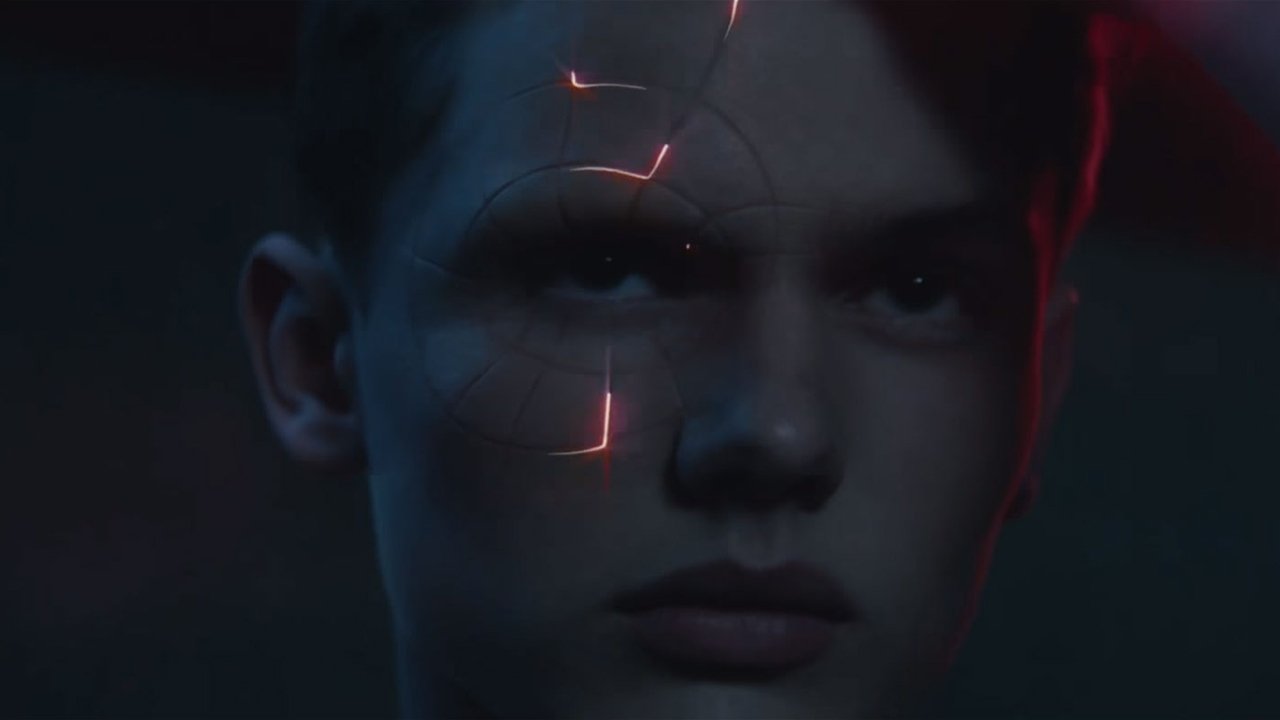
Black Swan (2010, 108 minutes) is Darren Aronofsky's most accessible film, which isn't saying much — it's still a psychological horror film about a ballet dancer's complete mental disintegration. What's striking is that Aronofsky uses formal techniques (split screens, body horror, distorted sound design) not as stylistic flourishes but as windows into Natalie Portman's fragmentation. You're not watching the film from outside her experience. You're experiencing her experience.
The film is relentless. It doesn't let you settle. By the final act, you're as destabilized as the protagonist, which is exactly the point.
Why These Films Hold Up When Most Don't
Here's what nobody mentions when decade-ranking lists circulate: the films that get called "perfect" almost always share one structural quality that has nothing to do with cinematography or performance. They end correctly.
Black Swan's final act is devastating and inevitable. Get Out's climax is cathartic in a way that feels physically satisfying. Parasite's ending refuses easy resolution and is more honest for it. Most films fail in their third acts — not because directors run out of ideas, but because pressure to satisfy audiences and justify marketing spend pushes films toward resolutions they haven't earned. Most coverage treats "perfect" as a synonym for "really good." The more honest read is that these ten films are the ones where the ending was baked into the premise from frame one, and nobody blinked. That's rarer than it sounds, and it's the actual dividing line between a great film and a perfect one.
The Real-Time Availability Breakdown for India
If you're in India and want to work through this list, the good news is that most titles are accessible without much hunting. Here's the current picture, as tracked by Movie OTT's streaming availability database:
Netflix India:
- Parasite (with Hindi, Tamil, and Telugu dubbed tracks)
- Inception
- Mad Max: Fury Road
- Moonlight
Amazon Prime Video India:
- Get Out
- Inception (also here)
- Black Swan
Disney+ Hotstar:
- The Grand Budapest Hotel
JioCinema / SonyLIV:
- The Tree of Life (availability varies — check Movie OTT for current status)
The streaming landscape shifts, so if you're planning a binge-watch weekend, verify availability on Movie OTT before settling in. Regional language dubbing is particularly strong for the bigger studio titles — Inception and Mad Max: Fury Road both carry Hindi dubs that are genuinely watchable, which matters if you're watching with family in smaller cities where English-language films aren't the default.
Parasite's Korean-language track with subtitles remains the recommended version, and Netflix India carries it correctly formatted.
Which One to Start With (And in What Order)
Don't start with The Tree of Life. I mean it. That's the kind of film you watch after you've proven to yourself that you're willing to sit with cinema that doesn't hand you satisfaction immediately.
Start with Get Out (104 minutes, Amazon Prime Video). It's the most accessible entry point. It's genre filmmaking at its most precise. And it'll make you want to understand how Peele achieved what he did, which means you'll be in the right headspace for Inception next.
Then Inception (148 minutes, Netflix). It's a puzzle box. It rewards attention. By the time the ending hits, you'll want to rewatch it immediately, which is the sign of a genuinely constructed film.
After that, Parasite (132 minutes, Netflix). It's heavier thematically, and you'll have the patience for it after Inception's structural games.
From there, you can branch: Moonlight if you want something intimate and devastating, Mad Max: Fury Road if you want something visceral, Black Swan if you want something that'll burrow into your head for days.
Save The Tree of Life and The Grand Budapest Hotel for when you're ready to sit with films that operate according to their own logic rather than cinema's conventional grammar.
What's Next: The Conversation Isn't Stopping
The conversation around 2010s cinema isn't slowing down. Several of these titles are being reassessed for 4K restoration releases — Moonlight and Parasite are both strong candidates given A24 and NEON's recent archival pushes. A Fury Road prequel, Furiosa, landed in 2024, extending George Miller's world in ways that make the original film even more rewatchable in retrospect.
I'd also watch for streaming platforms to use lists like this as acquisition ammunition. When a title gets renewed cultural attention, licensing deals shift. I hear some of these catalogue titles are already in active re-licensing conversations between studios and Indian platforms, though that part is still rumour. For the most current streaming availability across India, the US, the UK, and Spain, Movie OTT keeps the real-time picture updated as rights windows open and close.
The 2010s catalogue is pulling serious numbers on major platforms right now. Subscribers who weren't old enough to watch these films theatrically are discovering them through algorithmic recommendation. Get Out consistently re-enters Netflix trending charts whenever Peele releases something new. That's catalogue value most studios underestimate when they're chasing the next franchise tentpole.