Tarantino and Fincher's First Collaboration Is Going IMAX First—Here's What You Need to Know
The first time Quentin Tarantino and David Fincher have worked together is coming to IMAX theaters before Netflix gets it. If you were hoping to stream it day one from your couch, you're waiting. And possibly heading to a cinema instead.
Here's what's confirmed, what it means for your viewing plans, and why Netflix is betting on theatrical first.
The Project: The Movie Critic, Set in 1970s LA
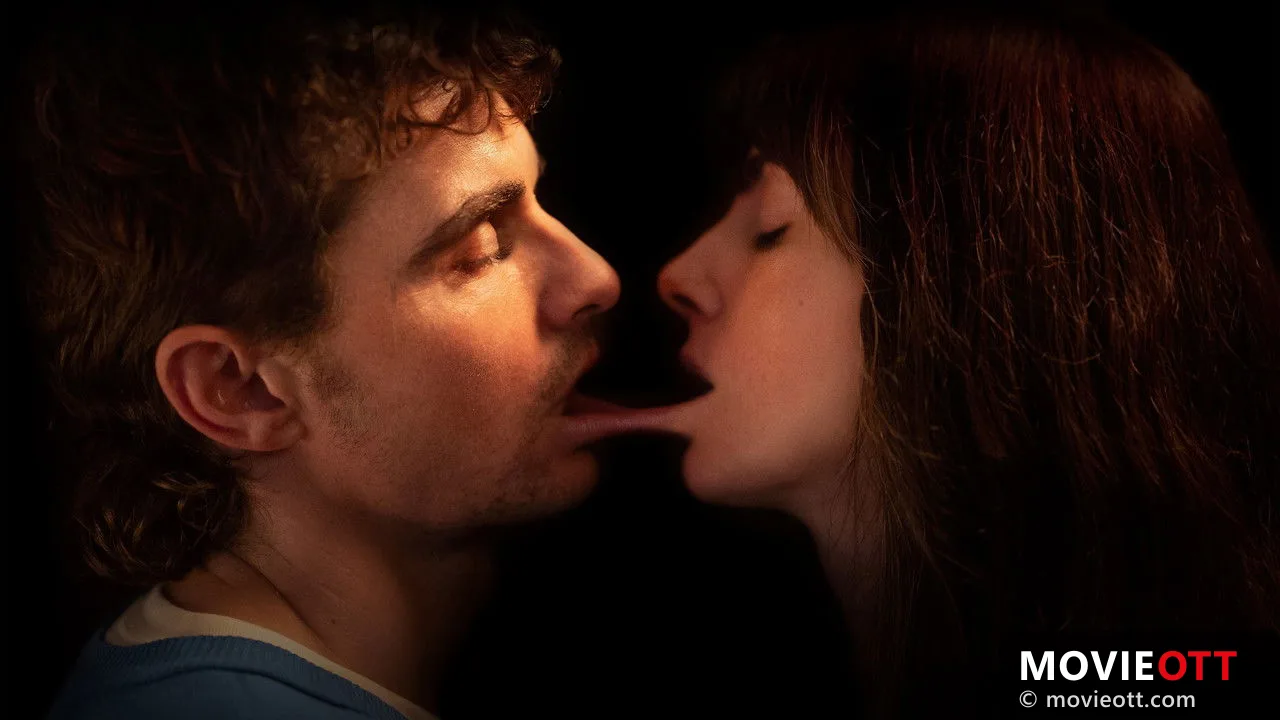
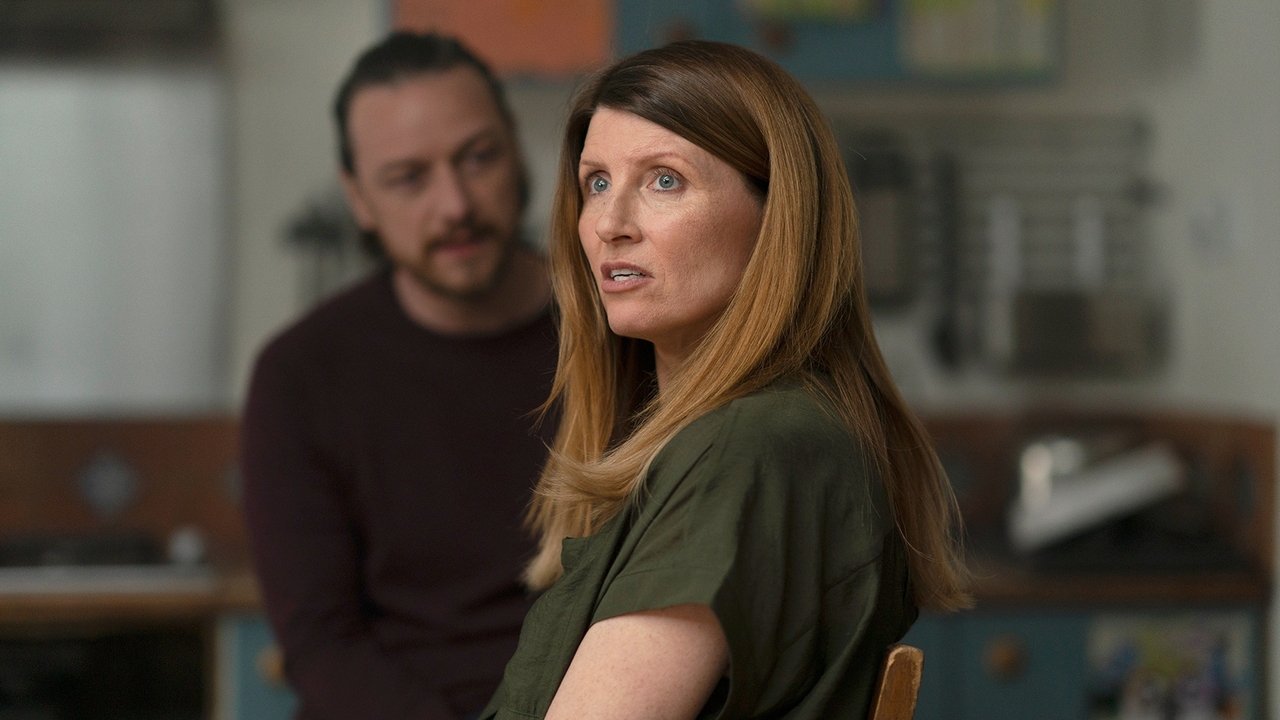
The Movie Critic is the collaboration. Tarantino wrote it. Fincher's directing. That division of labor alone is genuinely rare—two auteurs this dominant don't typically cede control to each other.
The script centers on a real-life film critic operating in 1970s Los Angeles; his identity was kept under wraps during development. Brad Pitt is attached to lead, which means he's reuniting with both directors simultaneously: Tarantino on Inglourious Basterds (2009) and Once Upon a Time in Hollywood (2019), Fincher on Se7en (1995) and Fight Club (1999).
That's not a coincidence. It's a deliberate stacking of pedigree.
Key specs:
- Director: David Fincher
- Writer: Quentin Tarantino
- Lead: Brad Pitt (reported)
- Setting: 1970s Los Angeles
- Release path: IMAX theatrical window → Netflix (global)
- Runtime: Not yet confirmed, but Tarantino films typically run 154–187 minutes
The theatrical window hasn't been locked to a specific date yet, but the IMAX announcement strongly signals a late 2025 or early 2026 release, positioned for awards season.
Why IMAX First? What Netflix Is Actually Doing Here
Netflix doing theatrical runs isn't new. The Irishman, Maestro, Blonde—they all got cinema windows. But IMAX-specific is a different statement. It's a signal that Netflix wants the cultural oxygen theater generates: the reviews, the discourse, the awards conversation, without giving up streaming exclusivity later.
What's actually happening is this: Netflix is treating the theatrical run as marketing. The cinema window is the press tour.
Fincher's recent pattern supports this. Mank (2020) got a limited theatrical release before Netflix and picked up two Academy Award wins, then dominated awards conversation for months. The Movie Critic, with Tarantino's name on the script and Pitt's face on the poster, is being set up the same way, except the commercial upside is considerably larger.
Look, here's the thing that rarely gets said directly: streaming services aren't fighting theaters anymore. They're using them. The playbook is borrowed, not invented. Killers of the Flower Moon (2023) followed this exact model with Apple TV+, opening theatrically and grossing $157 million worldwide before landing on the platform. But the more telling precedent is Netflix's own Glass Onion (2022), which played in just 600 theaters for one week, generated enormous word-of-mouth, and then drove what Netflix called its biggest-ever opening-week viewership for a film on the platform. That's the conversion math Netflix is now scaling up with an IMAX-wide release rather than a limited one.
Netflix is doing the same calculation here. Get the opening weekend. Get the think pieces. Get the Oscar nominations. Then make it available to 250 million subscribers.
What Tarantino Said About Fincher, and Vice Versa
Tarantino has spoken publicly about Fincher's directorial approach. According to The Hollywood Reporter, he described Fincher as "one of the few filmmakers working today who treats every frame as if it's the last frame anyone will ever see."
That's not casual praise. That's Tarantino saying: I wrote something that needed someone obsessive enough to nail every detail.
Fincher's response is more surprising. Per Deadline, he told collaborators the project requires "warmth that I've spent most of my career deliberately avoiding." Genuine admission from a director whose entire filmography—Zodiac, Gone Girl, The Social Network—is built on clinical detachment and emotional distance.
I keep coming back to that quote. If Fincher actually brings warmth to a Tarantino script, that's not a small thing. Tarantino's voice lives in digressive dialogue, unexpected violence, and pop-culture scaffolding around something genuinely dark. Those elements have always been inseparable from his own direction. Hard to say if Fincher's precision will amplify them or sand them down.
Budget, Box Office Expectations, and the Netflix Deal
Industry analysts cited by Deadline have estimated the film's budget at $100–130 million, accounting for above-the-line costs of attaching Pitt, Tarantino, and Fincher simultaneously.
For context: Fincher's Gone Girl (2014) opened to $37.5 million domestically on a $61 million budget. Tarantino's Once Upon a Time in Hollywood opened to $41 million in its first weekend and eventually crossed $374 million globally. A Tarantino-scripted, Fincher-directed film with Pitt leading should outperform either of those individually, though theatrical economics have shifted since 2019. The real question isn't whether the film can match those numbers on a per-screen basis; it's whether a limited IMAX window even allows enough screens to generate a comparable gross, or whether Netflix is deliberately capping the theatrical take to protect the streaming premiere's event status.
Netflix's distribution arrangement with IMAX typically involves revenue-sharing during the exclusive window before the title moves to the platform with no additional cost to subscribers. The specific deal value hasn't been disclosed (Netflix keeps those internal), which is standard practice.
For Indian Audiences: Where to Watch and When
If you're in India, here's the situation: the IMAX theatrical window applies globally, which means the film will play in Indian IMAX-certified cinemas—Mumbai, Delhi, Bengaluru, Hyderabad, Chennai, and Pune all have certified screens—before hitting Netflix India.
Once it lands on Netflix India, you should expect Hindi, Tamil, and Telugu dubbed tracks. That's become standard for Netflix's marquee theatrical-to-streaming titles. Maestro got multi-language dubbing on Netflix India; this will too.
The theatrical release date for India hasn't been confirmed separately from the global window, though sometimes the Central Board of Film Certification process pushes Indian releases by a week or two. Worth monitoring if you're planning to book IMAX seats in advance.
Brad Pitt has genuine fanbase here. Tarantino's films—particularly Kill Bill and Pulp Fiction—have cult status among Indian cinephiles. This one will generate real theatrical interest, not just algorithm-driven streaming numbers. Movie OTT tracks current availability across Netflix India, Prime Video, JioCinema, Hotstar, SonyLIV, and Zee5 in real time, so you'll see the moment this lands without guessing.
The Bigger Question: Can Fincher Actually Direct Tarantino?
The part I'm most curious about: whether Fincher can translate Tarantino's voice onto screen without flattening what makes it alive in the first place.
Tarantino's scripts work on screen because Tarantino directs them. He knows where to sit with a conversation, when to cut, how to build dread through stillness. Think about the basement bar scene in Inglourious Basterds, where the tension comes entirely from Tarantino holding the shot, letting the card game stretch past comfort into something unbearable. Fincher's approach is different—more architectural, more controlled, often colder. He's never been a director who lets scenes breathe the way Tarantino does.
So the central question isn't whether this wins awards. It's whether these two sensibilities can actually coexist in a single film, or whether one will dominate the other.
What's Coming Next: Trailer, Release Window, Streaming Date
Expect a full trailer within the next few months, likely timed to a major festival premiere. Venice or Toronto are both plausible homes for a project of this profile.
Netflix hasn't publicly confirmed a specific streaming date yet, but the theatrical window typically runs 45–90 days depending on performance. Movie OTT's release calendar tracks confirmed dates across regions as they're announced, so you can set a reminder there rather than guessing.
The broader pattern here is one worth watching: streaming services increasingly positioning theatrical not as a revenue stream but as a marketing mechanism. The cinema run funds the conversation. The streaming release converts it into subscriber value.
The Movie Critic is the next test case. And honestly, with Tarantino and Fincher attached, it's worth paying attention to how it lands—both in theaters and eventually on your Netflix home screen.