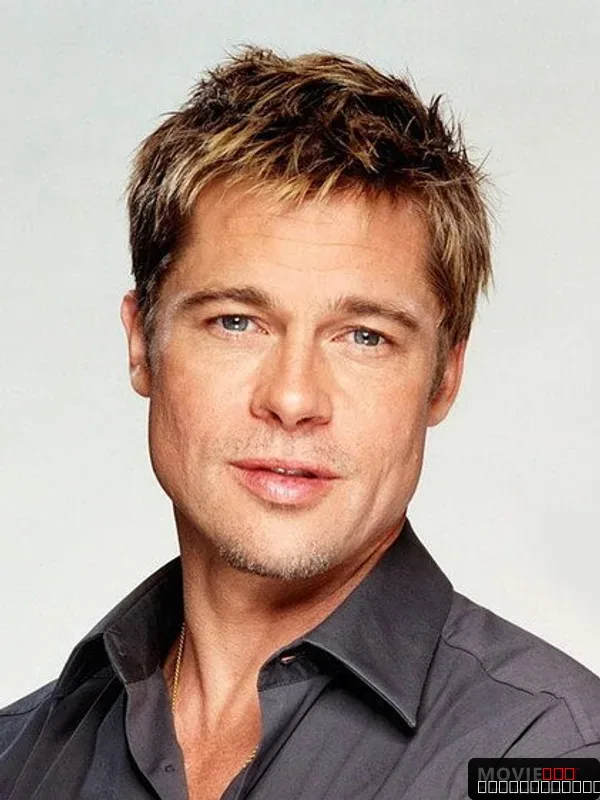
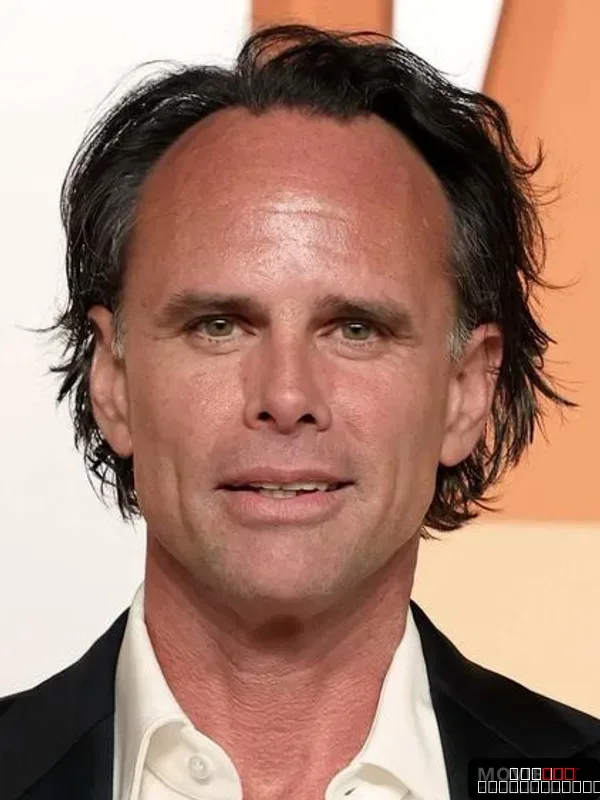
Actor & Director
Quentin Tarantino
16 films on Movie OTT · 10 as director · Active 1992–2026
Quentin Tarantino was born on March 27, 1963, in Knoxville, Tennessee, and grew up in Los Angeles, where an obsessive relationship with cinema took root long before he had any formal training in filmmaking. He never attended film school. Instead, he spent years working at Video Archives, a Manhattan Beach video rental store that functioned, for him, as something closer to a graduate program — a place to absorb an enormous range of cinema across genres, decades, and national traditions. That self-education shows in every film he has made. Tarantino emerged in the early 1990s as one of the most distinctive writer-directors in American independent film, and his name has since become shorthand for a particular kind of cinema: dialogue-heavy, structurally fractured, steeped in genre history, and unafraid of violence as both spectacle and moral weight.
About Quentin Tarantino
Quentin Tarantino was born on March 27, 1963, in Knoxville, Tennessee, and grew up in Los Angeles, where an obsessive relationship with cinema took root long before he had any formal training in filmmaking. He never attended film school. Instead, he spent years working at Video Archives, a Manhattan Beach video rental store that functioned, for him, as something closer to a graduate program — a place to absorb an enormous range of cinema across genres, decades, and national traditions. That self-education shows in every film he has made. Tarantino emerged in the early 1990s as one of the most distinctive writer-directors in American independent film, and his name has since become shorthand for a particular kind of cinema: dialogue-heavy, structurally fractured, steeped in genre history, and unafraid of violence as both spectacle and moral weight.
His breakthrough arrived with Reservoir Dogs in 1992, a contained heist film told almost entirely in the aftermath of the heist itself, and then detonated into something far larger with Pulp Fiction in 1994. Pulp Fiction won the Palme d'Or at Cannes and reshaped what mainstream audiences expected from American crime cinema. Its non-linear structure, its interweaving of three storylines, and its capacity to pivot from comedy to sudden brutality within a single scene announced a filmmaker who had genuinely internalized decades of international cinema and was now synthesizing it into something new. The film revived John Travolta's career, drew career-best work from Samuel L. Jackson, and turned Uma Thurman into a cultural image. It remains one of the most discussed American films of its decade, not as a museum piece but as a living influence on screenwriters and directors still working today.
Tarantino has built a consistent ensemble of collaborators across his career. Samuel L. Jackson appears in nearly every film he has made. Cinematographer Robert Richardson has shot his work since Kill Bill. Composer Ennio Morricone, whose influence Tarantino had long acknowledged through his use of existing scores, eventually composed an original score for one of his later films. The recurring concerns across his filmography include the ethics of revenge, the performance of masculine identity, the uses and abuses of genre convention, and the ways in which talk can be its own form of tension or menace. His scripts are long. His films are long. He has never appeared interested in compression for its own sake, and his audiences have generally followed him into that extended running time willingly.
The two films represented in the Movie OTT database here reflect the later phase of his career, when his ambitions had grown more explicitly historical and his formal experiments had become more self-aware. Inglourious Basterds, released in 2009, takes World War II as its setting but treats history as raw material rather than sacred ground, building toward an alternate-history climax that provoked serious critical debate about what cinema is permitted to do with atrocity. It contains what may be the finest single scene of sustained dialogue tension in his body of work — the basement tavern sequence — and it introduced Christoph Waltz to international audiences in a performance that won him an Academy Award. The Hateful Eight, released in 2015 and shot in 70mm roadshow format, is a chamber piece set almost entirely in a single Wyoming stagecoach stopover during a blizzard. It strips away the kinetic energy that characterizes much of his earlier work and replaces it with something slower and more claustrophobic, a mystery that curdles into a study of distrust, race, and the fragility of social order in post-Civil War America.
Tarantino has spoken publicly about a desire to retire after his tenth film, a constraint he has imposed on himself as a kind of creative discipline. Where he stands in that count depends on how one tallies his work, and he has been characteristically unpredictable about what the final project will be. What is not in question is the scale of his influence on contemporary screenwriting and direction, or the degree to which his filmography — from the claustrophobic interiors of his debut through the sprawling revisionist history of Inglourious Basterds and The Hateful Eight — represents a coherent, evolving body of work rather than a series of stylistic exercises. He remains one of the few directors whose name reliably functions as a genre descriptor in its own right.
Currently streaming
12 of 16 on platforms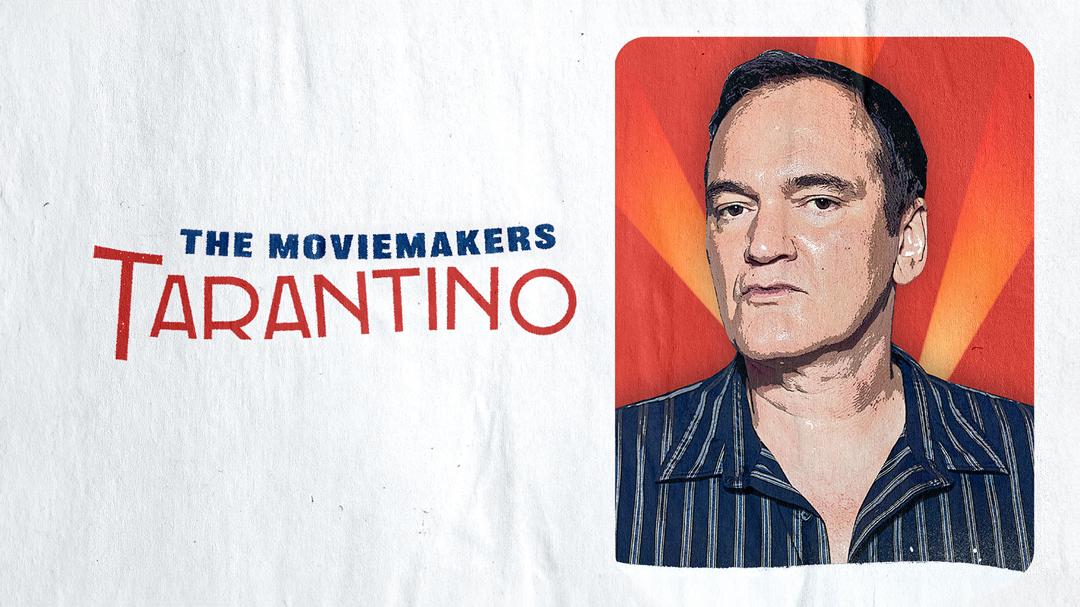
The Moviemakers: Tarantino
2023 · Prime Video

Once Upon a Time... in Hollywood
2019 · Prime Video
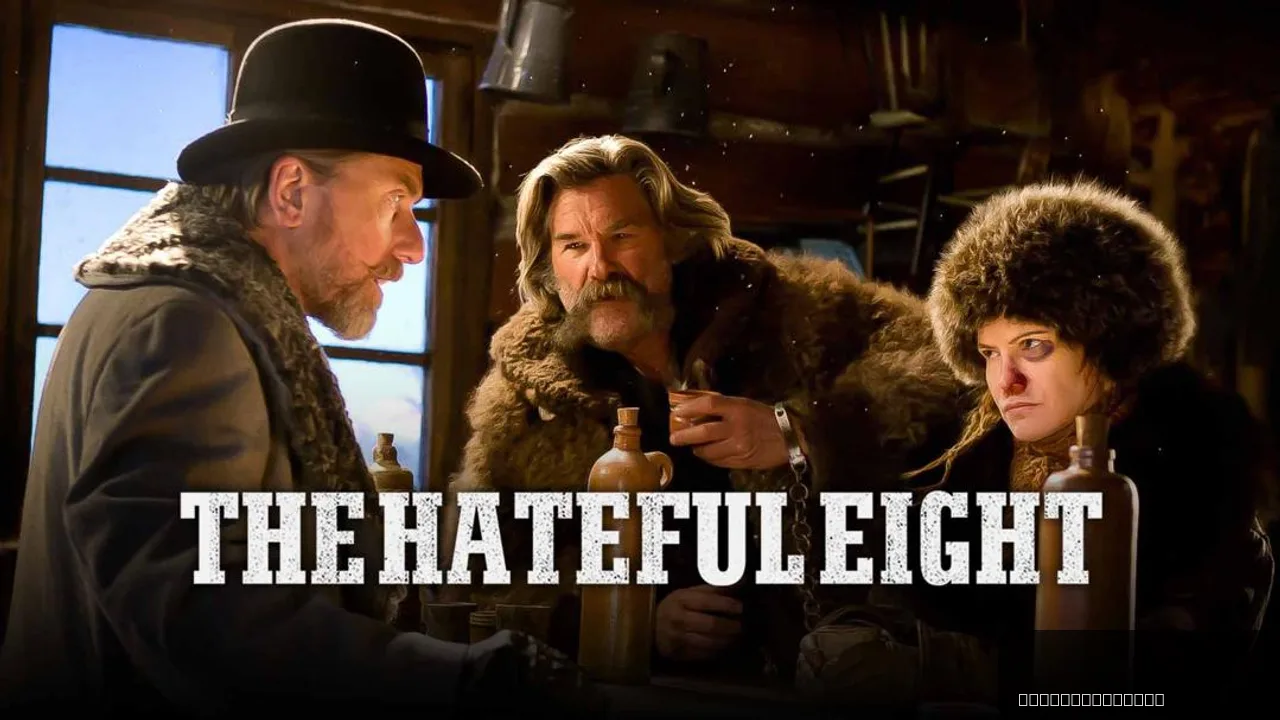
The Hateful Eight
2015 · Prime Video, Peacock
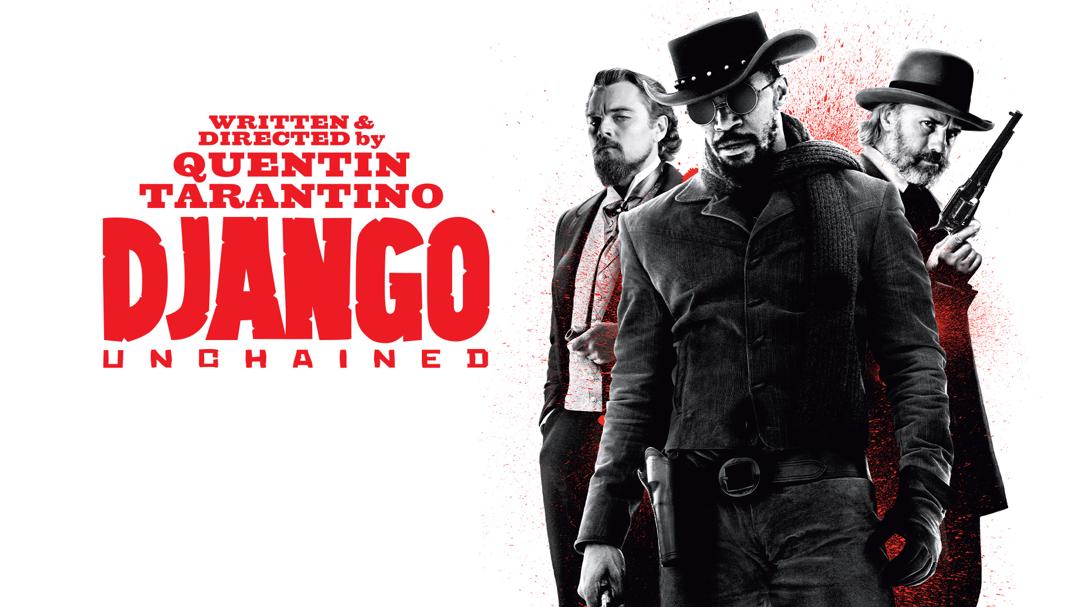
Django Unchained
2012 · Prime Video, Peacock +1
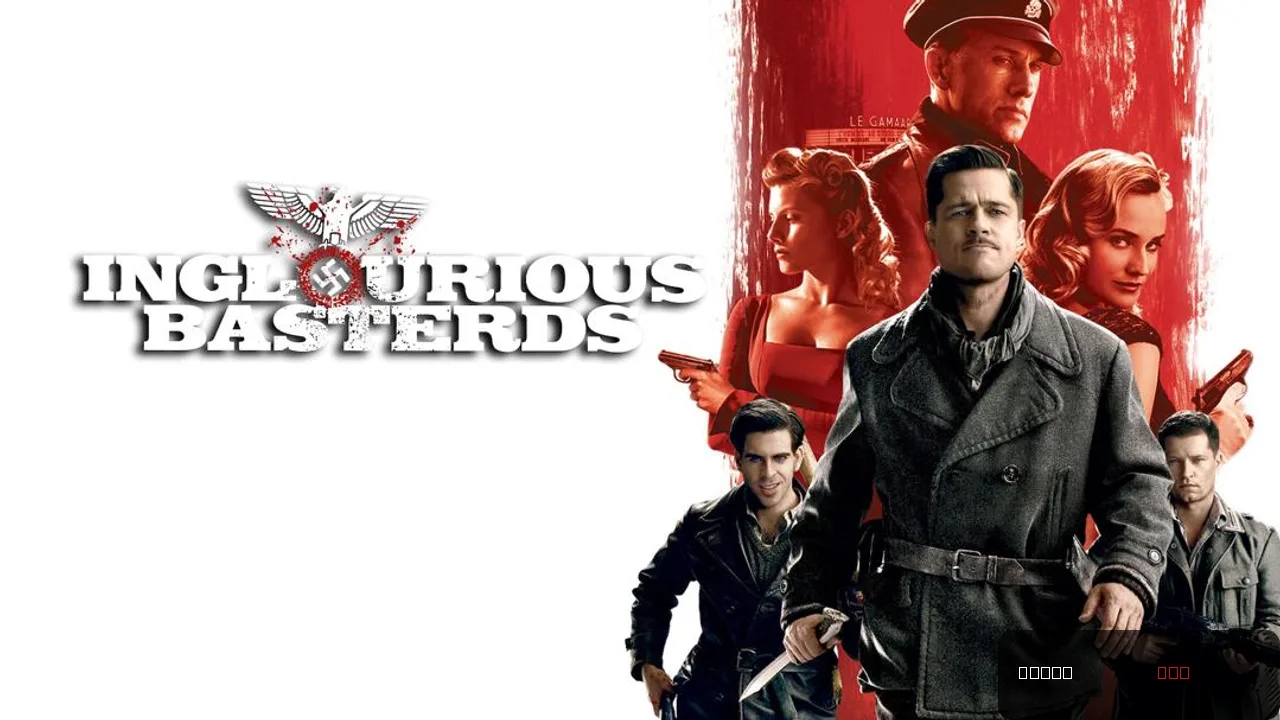
Inglourious Basterds
2009 · Amazon Prime Video with Ads, Disney+ +16
Death Proof
2007 · Amazon Prime Video with Ads, Cine+ OCS Amazon Channel +20
Filmography
The Projectionist
2026 · Producer
The Moviemakers: Tarantino
2023 · Cast

Halftime
2022 · Self

Django & Django: Sergio Corbucci Unchained
2021 · Self - Filmmaker
Once Upon a Time... in Hollywood
2019 · Director
The Hateful Eight
2015 · Director
Django Unchained
2012 · Director
Inglourious Basterds
2009 · Director
Death Proof
2007 · Director
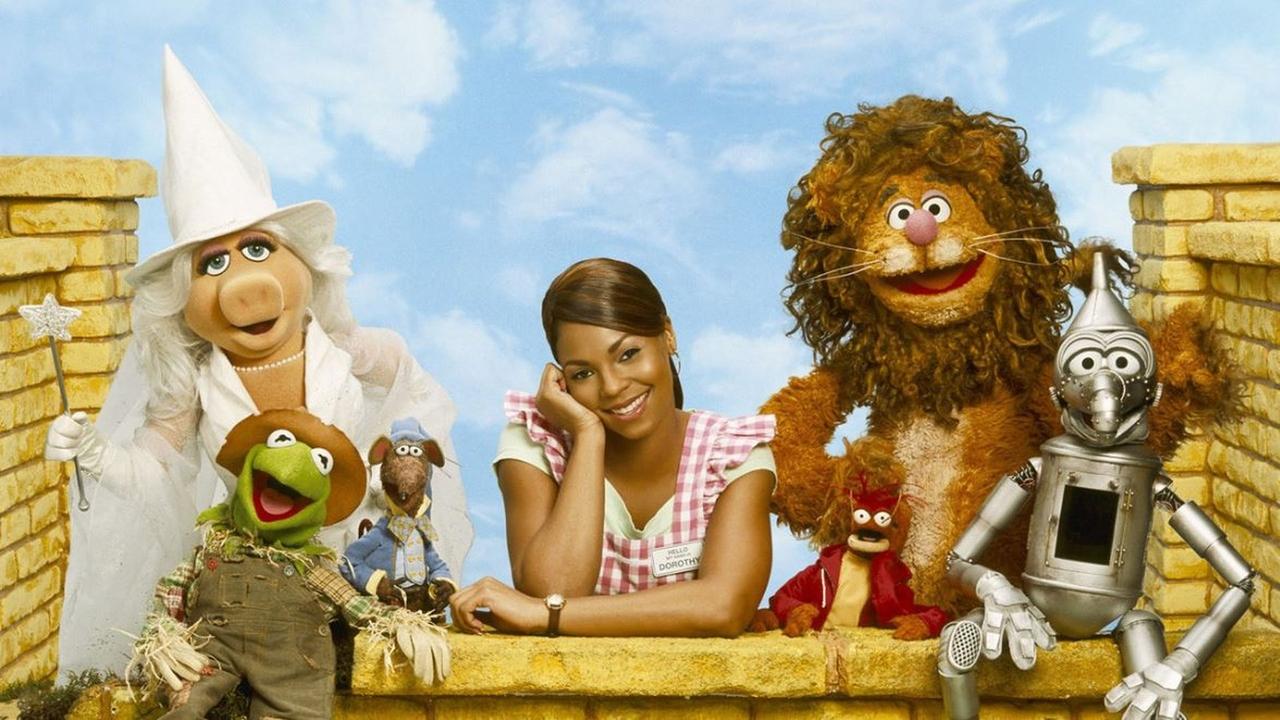
The Muppets' Wizard of Oz
2005 · Self - Kermit's Director

Kill Bill: Vol. 2
2004 · Director

Kill Bill: Vol. 1
2003 · Director
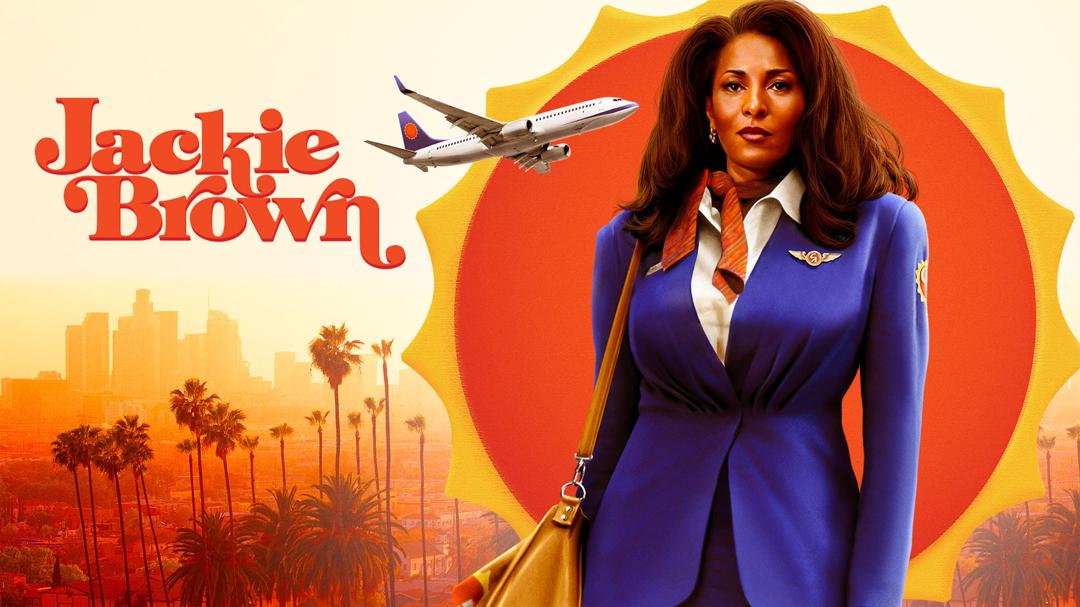
Jackie Brown
1997 · Director
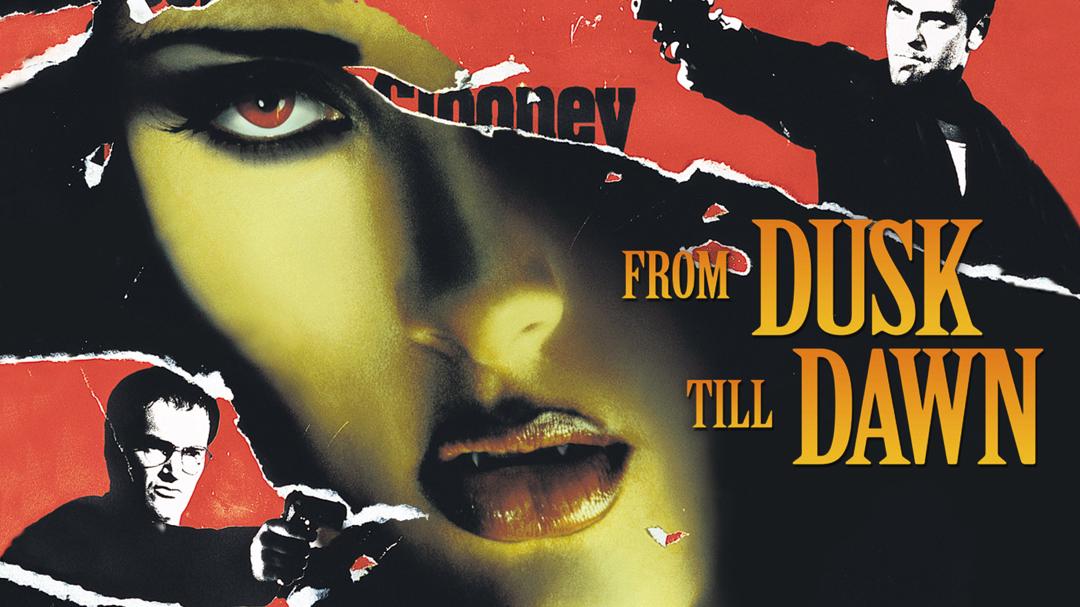
From Dusk Till Dawn
1996 · Cast

Pulp Fiction
1994 · Director
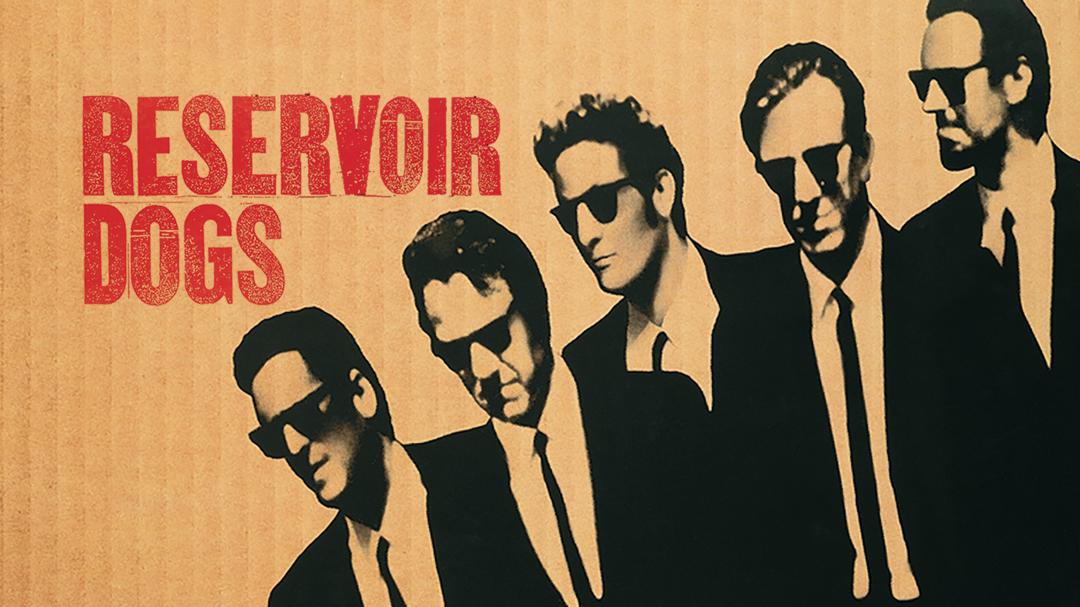
Reservoir Dogs
1992 · Director
Frequently asked questions
When and where was Quentin Tarantino born?
Quentin Tarantino was born 1963-03-27 in Knoxville, Tennessee, USA.
What films is Quentin Tarantino known for?
Quentin Tarantino has 16 titles indexed on Movie OTT, including The Projectionist, The Moviemakers: Tarantino, Halftime.
Where can I watch Quentin Tarantino's films?
12 of Quentin Tarantino's films are currently streaming, available on Prime Video, Peacock, Stan, Amazon Prime Video with Ads.
Has Quentin Tarantino directed any films?
Yes — Quentin Tarantino has 10 directorial credits indexed on Movie OTT.
How long has Quentin Tarantino been active?
Quentin Tarantino's film career on Movie OTT spans from 1992 to 2026 — 34 years of work.