








The Story of Halftime: Lopez's Unfiltered Look at Stardom
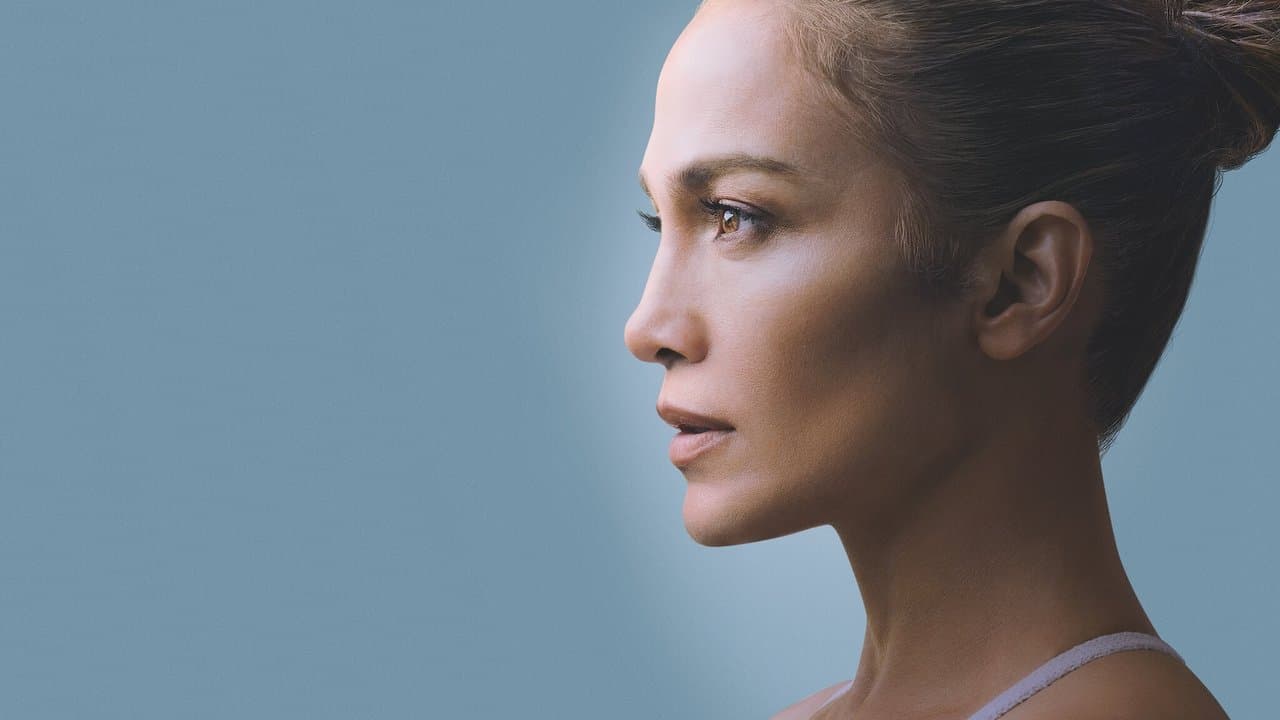
Halftime opens with a simple premise: what happens when one of the world's biggest stars pauses to take stock of her own life? The documentary follows Jennifer Lopez as she navigates the gap between her public persona and her private self, examining the toll that decades of relentless work and scrutiny have taken on her. Rather than a straightforward career retrospective, this film operates as something closer to a therapy session—intimate, sometimes uncomfortable, and refreshingly honest about the price of visibility. Lopez doesn't just talk about her achievements; she interrogates them, asking whether the cost has been worth it.
The film's title itself carries weight. In sports, halftime is the interval between two halves, the moment when teams regroup and reassess before pushing forward again. Here, it functions as metaphor: Lopez is at a crossroads, examining the first half of her life and career while contemplating what comes next. It's just the beginning, as the official tagline promises, but it's a beginning that requires reckoning with the past.
Behind the Making of Halftime: Production and Creative Vision
Halftime arrived in 2022 as a co-production between Nuyorican Productions—Lopez's own production company—and MakeMake, a production outfit known for intimate, character-driven work. The decision to make this documentary now, rather than earlier in her career, speaks to a particular moment of reflection. Lopez had just turned 53, had recently ended her engagement to Alex Rodriguez, and was in the midst of reigniting her romantic relationship with Ben Affleck. The timing wasn't accidental.
The film clocks in at 95 minutes, a lean runtime that keeps the focus tight and the emotional beats sharp. Movie OTT tracks availability across major streaming platforms, making it accessible to viewers who might not otherwise seek out a music documentary. The production values reflect the care taken in its making—cinematography that captures both the spectacle of Lopez's world and the quieter moments of doubt and vulnerability. What's striking is how the filmmakers resist the urge to make this a hagiography. They let Lopez sit with uncomfortable questions, let silences linger, and don't smooth over the contradictions between her public image and her private doubts.
The documentary received attention from critics and audiences alike, earning a 6.768 rating on IMDb—respectable for a music documentary that doesn't shy away from difficult terrain. While it didn't rack up major award nominations in the traditional sense, it found an audience among viewers interested in the human cost of fame, particularly as it applies to women in entertainment who've had to constantly prove their relevance and reinvent themselves.
What Makes Halftime Stand Out: Performance, Vulnerability, and the Cost of Reinvention
What makes Halftime resonate is Lopez's willingness to be genuinely vulnerable on camera. She's not performing here—or rather, she's performing the act of not performing, which takes its own kind of courage. There's a scene where she discusses the pressure to maintain her appearance, the fear of aging out of relevance, the constant need to be better, younger, more relevant than the last version of herself. It's the kind of confession that doesn't typically make it into mainstream celebrity narratives, where the default mode is gratitude and triumph.
The documentary also captures something about the particular exhaustion of being a Latina woman in an industry that's historically been hostile to women of color. Lopez didn't just have to be talented; she had to be exceptional, had to work twice as hard, had to constantly prove that she belonged in rooms where she was often the only person who looked like her. The film doesn't spell this out didactically—it's woven into the texture of her reflections, the way she talks about her early career, the roles she fought for, the times she was told she wasn't enough.
I keep coming back to the way the film handles her relationship with her own ambition. Lopez doesn't regret her drive, but she's questioning whether that drive has come at too high a cost. She's built an empire—music, film, fashion, business ventures—but there's a weariness beneath the accomplishment, a sense that the machinery of her own success has become something she can't quite control anymore. The documentary doesn't offer easy answers. It just sits with the question.
Where to Stream Halftime Online
Halftime is currently available on major OTT platforms, and you can check the "Where to Watch" widget at the top of this page to see exactly which services are carrying it in your region right now. Streaming availability shifts frequently, so that widget will keep you updated on the latest platforms. If you're a subscriber to any of the major services, there's a solid chance you already have access to it. The film's relatively modest runtime makes it easy to fit into an evening, and it's the kind of documentary that often sparks conversation afterward—don't watch it expecting a feel-good celebrity puff piece.
Frequently asked questions
Q: Who directed Halftime?
The documentary was directed by Ángel Manuel Soto, a filmmaker known for his work in music and culture documentaries. Soto brings a nuanced, character-focused approach to Lopez's story, resisting the urge to make it purely celebratory.
Q: Is Halftime based on a true story?
It's not based on a story—it's a documentary, which means it's Lopez's actual life and reflections. The film captures real moments from her personal life, her career, and her relationships during the period it was made.
Q: What is the runtime of Halftime?
The documentary runs for 95 minutes, making it a focused, relatively concise look at Lopez's life rather than an exhaustive biography.
Q: When was Halftime released?
Halftime premiered in 2022 and has since become available on multiple streaming platforms. Movie OTT's streaming guide can help you find where it's currently available.
Q: Is Halftime appropriate for all ages?
The film deals with mature themes including relationships, aging, and the pressures of fame. It's best suited for older teens and adults who can engage with its more introspective content.
Final Thoughts on Halftime: Who Should Watch This Documentary
If you're looking for a celebrity documentary that actually has something to say—that risks vulnerability and doesn't pretend fame is all glamour—Halftime deserves your time. It's not just for Jennifer Lopez superfans, though they'll find plenty to appreciate. It's for anyone curious about what happens when someone at the absolute peak of success stops and asks whether it's been worth it. The answer, it turns out, is complicated. And that's what makes it worth watching.