Kiyoshi Kurosawa's 'The Samurai and the Prisoner' Is the Cannes 2026 Film You Actually Need to Know About
TL;DR: Kiyoshi Kurosawa premiered "The Samurai and the Prisoner" at Cannes on May 19, 2026 — a nearly 2.5-hour historical murder mystery set in 16th-century Japan, starring Motoki Masahiro and Suda Masaki. Early reviews call it one of his best works. Here's where to watch it, why it matters, and what you're actually getting into.
Kiyoshi Kurosawa just showed up at Cannes with a feudal Japan murder mystery, and critics are already reaching for superlatives. Fair enough. But let's be clear about what's actually happening before we anoint this as a masterpiece.
Kurosawa is one of cinema's most reliably strange directors — a filmmaker whose recent work ("Chime," "Cloud") has earned passionate defenders while leaving broader audiences scratching their heads. "The Samurai and the Prisoner" premiered May 19 at Cannes, and the early reviews are suspicious in the best way. When a film gets described as simultaneously a murder mystery, a war epic, and something that plays like a staged play, that's either genius or self-indulgence. Sometimes it's both.
Still. The evidence from Cannes suggests this one might actually earn those comparisons.
What Actually Happens in This Film (and Who's In It)
Director: Kiyoshi Kurosawa
Stars: Motoki Masahiro (Lord Murashige Araki), Suda Masaki (Kanbei Kuroda)
Runtime: Approximately 145 minutes
World Premiere: May 19, 2026, Cannes Film Festival
Based on: Honobu Yonezawa's novel of the same name
The story plants itself in 16th-century Japan during civil war. Lord Murashige Araki has revolted against the warlord Nobunaga Oda and is holding his castle under siege. Already tense enough. Then murders start happening inside the castle walls. Impossible murders. The kind that shouldn't be solvable.
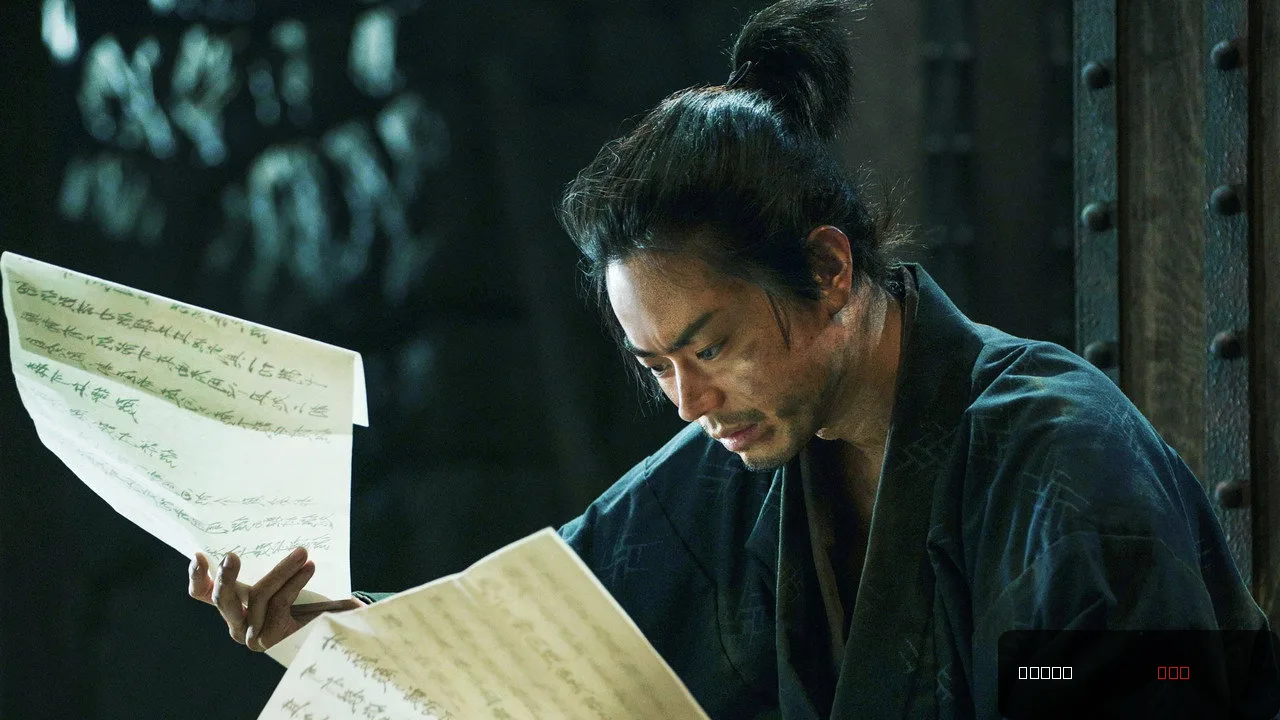
Murashige becomes a detective by necessity. His secret weapon: Kanbei Kuroda, a captured enemy strategist locked in the castle dungeon. Kuroda wants to die (keeping him alive puts his son at risk of being branded a traitor), but Murashige won't grant him that mercy. Their conversations grow longer and stranger as the murders pile up. Those two men talking in a dungeon become the entire movie's engine.
Motoki Masahiro is one of Japan's most respected leading men — he won an Academy Award for "Okuribito" (Departures, 2008) and has spent decades playing characters caught between duty and conscience. Suda Masaki, playing Kuroda, is a younger star who specializes in roles that are morally slippery. A prisoner who's actually the smartest person in the room. That's the dynamic here.
How 'Knives Out' Explains Why You Should Care (But It's Not a Copy)
Chase Hutchinson at TheWrap called the film "remarkable, restrained and ultimately riveting," noting that Kurosawa "shoots the hell out of it" — whether the scene is a full-scale siege or two men talking quietly in stone darkness. That's a specific kind of praise. It's about craft, not just plot mechanics.
Here's the useful comparison: the film plays "almost as if the best parts of a 'Knives Out' film were transported back in time." Rian Johnson's 2019 mystery made roughly $311 million worldwide on a $40 million budget by wrapping a procedural investigation inside a film with genuine moral stakes. If Kurosawa is pulling off something similar — and early word suggests he is — then the "inaccessible arthouse" concern is probably misplaced.
Most coverage frames this as Kurosawa finally making his crossover film, but the more honest comparison is Akira Kurosawa's "Kagemusha" (1980), which arrived at Cannes with identical "accessible epic" buzz and won the Palme d'Or, only to underperform commercially outside Japan and France. Critical coronation at Cannes and actual global audience traction are two very different things, and conflating them is how disappointment gets manufactured.
What I keep coming back to: this is a mystery film that's also asking questions about power, loyalty, and what it costs the men who hold it. Murashige isn't just solving murders. He's changing as a person because of the investigation. Kurosawa himself said in a 2025 interview with The Japan Times that what interests him in any genre project is "how the investigation changes the investigator." That line reads like the film's thesis statement.
Where You Can Watch It (And When)
Here's the honest part: no Indian streaming deal has been announced yet. The film premiered at Cannes on May 19. Japanese theatrical release is the immediate certainty. European distribution will follow within months.
For Indian audiences, the most likely home would be MUBI — which has deep ties to festival cinema and is available in India — or Netflix India if a broader international deal lands. Prime Video India is possible but less likely for a niche auteur title. Movie OTT is tracking this title's Indian availability in real time across all platforms, and listings will update the moment a deal is announced.
Theatrical release in Mumbai and Delhi through a specialized distributor? Possible. But don't expect dubbed versions. This is subtitled-only everywhere it goes.
Most likely timeline:
- Japanese theatrical: Already rolling
- European theatrical: Next few months
- Global streaming deal: TBD (watch for announcements post-Cannes)
- India OTT window: Likely 3–6 months after theatrical, if acquired
Why Kiyoshi Kurosawa Matters (Even When His Films Disappear)
Here's the thing nobody's saying directly: Kurosawa's post-Pulse (2001) reputation has been sustained largely by critical enthusiasm rather than actual viewership numbers. His films get praised, programmed, then forgotten by most streaming subscribers within a month.
"Cure" (1997) and "Tokyo Sonata" (2008) have cult followings among Indian cinephiles who track international film through festival circuits. But those films didn't become cultural moments. They became reference points for people who were already looking for them.
"The Samurai and the Prisoner" sounds like his most accessible film in years — a genuine murder mystery with recognizable procedural structure. That gives it a real shot at breaking the pattern. But only if a distributor markets it correctly, which is a separate and genuinely uncertain question. The "Knives Out" comparison is flattering. It's also a setup for disappointment if this gets buried on a streaming platform with no promotional push.
Motoki Masahiro brings serious gravitas to Lord Murashige. Suda Masaki — younger, more modern in his presence — creates a tension just by being the smarter person in the dungeon. That's casting as storytelling.
What's Actually Interesting About This Adaptation
Honobu Yonezawa, the novelist, is best known in the West for the "Hyouka" series — which became a beloved anime adapted by Kyoto Animation in 2012 and still pulls dedicated rewatch communities on Reddit and MyAnimeList over a decade later. Yonezawa's mystery fiction is known for intellectual rigor. It demands a director willing to let ideas breathe on screen rather than rush toward action.
Kurosawa's willing to do that. He proved it with "Tokyo Sonata," which could've been a conventional family drama but became something stranger — a film about suburban collapse that plays almost like a fever dream. "The Samurai and the Prisoner" is reportedly even more formally ambitious. The siege, the murders, the dungeon conversations — they're all woven together in a way that doesn't follow typical three-act structure.
That's either brilliant or exhausting. Probably both. The film's nearly two and a half hours, and by all accounts, it uses every minute.
The Cannes Moment (And What It Actually Means)
The Cannes premiere matters. It's not just prestige — it's a signal that international distributors are watching. Variety reported that Kurosawa's film is among the titles generating significant acquisition interest across multiple platforms and territories.
Distribution announcements should come within weeks. Trailer availability internationally is pending. When those things happen — when you can actually see footage — that's when you'll know if the Cannes buzz translates to a real audience.
Movie OTT will be the fastest place to check when streaming availability locks in across India, the US, the UK, and elsewhere. Bookmark the title. Check back in a few weeks.
The buzz is real. Whether it sticks? We shall see.