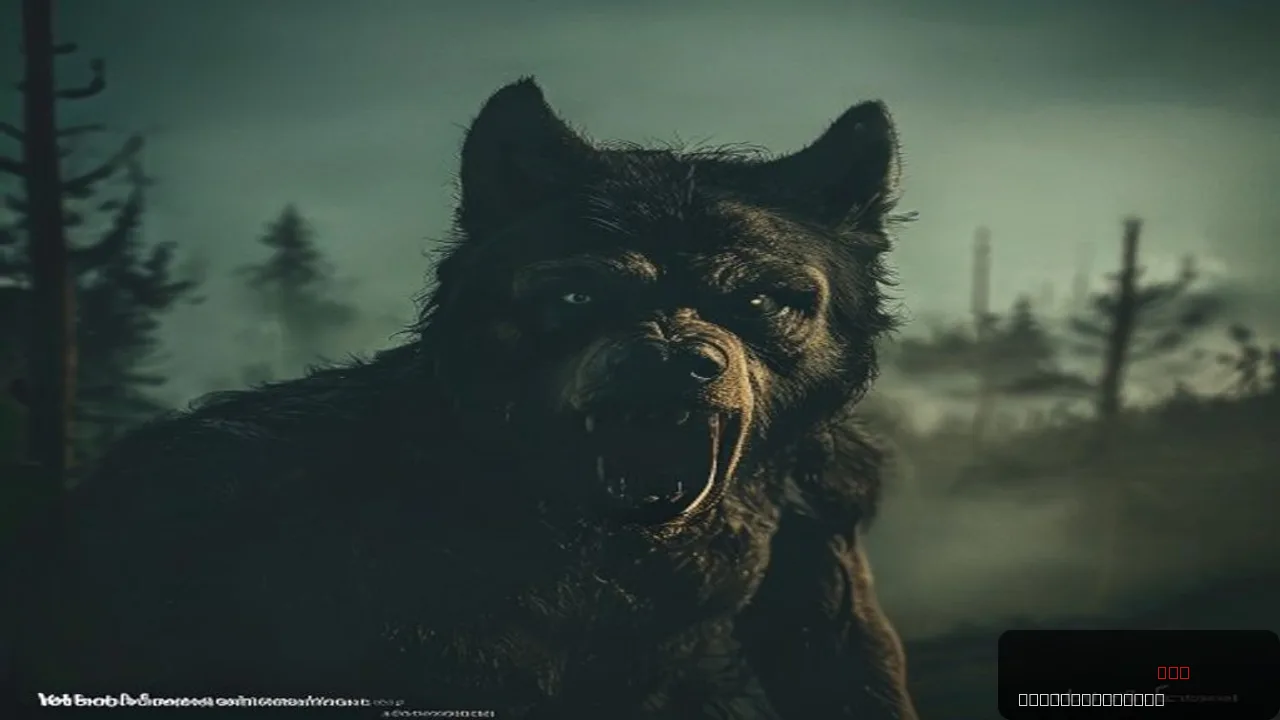
The Wolfman (2010): How Universal Turned a $150M Monster Into a Box Office Wreck
TL;DR: Universal's 2010 remake of The Wolfman cost north of $135 million, endured a last-minute director swap, brutal reshoots, and CGI backlash — then flopped hard at the box office. It did win one Oscar, though. Here's the full story of what went wrong, and whether it's worth your time today.
The Night Universal's Monster Legacy Started Unraveling
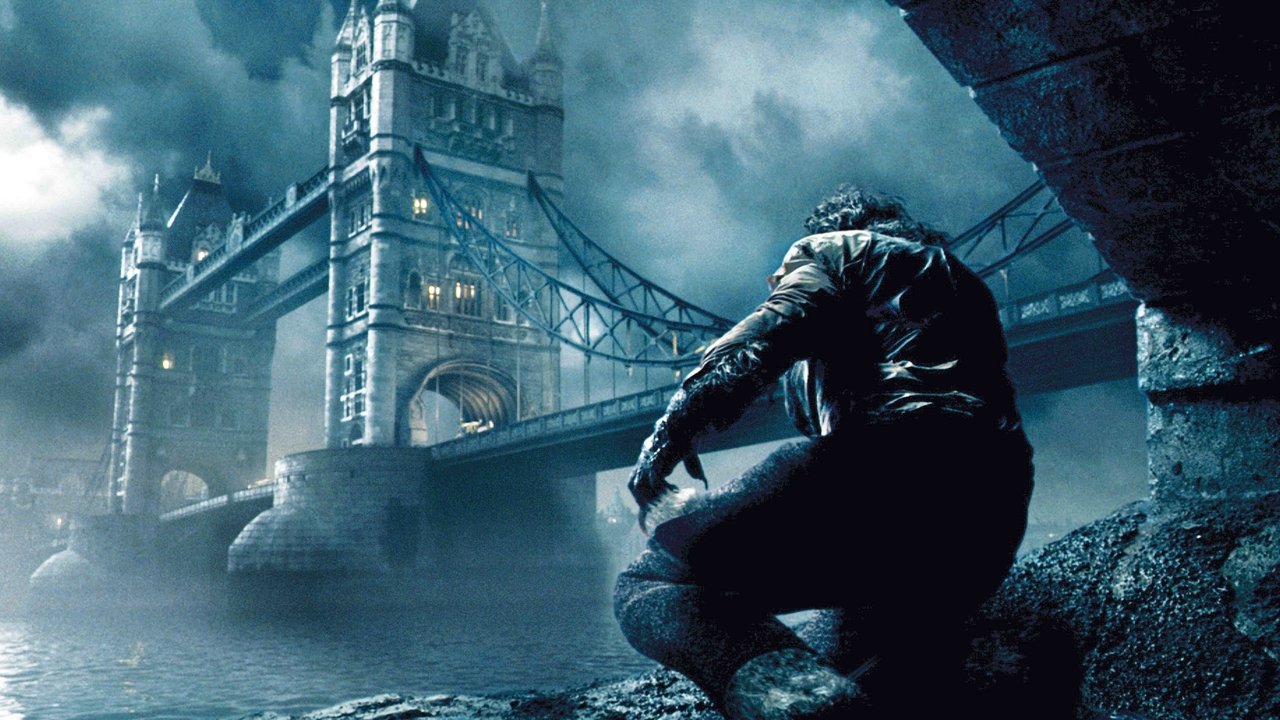
Sometime in late 2006, inside Universal's Burbank offices, a pitch was greenlit that must have seemed bulletproof on paper: a prestige gothic horror remake of the studio's own 1941 classic The Wolf Man, loaded with A-list talent, a serious budget, and the credibility of Rick Baker's makeup artistry. Benicio Del Toro — an Oscar winner — would play Lawrence Talbot. Anthony Hopkins would chew scenery as his father. Emily Blunt was cast as the love interest. What could go wrong? Almost everything, as it turned out. By the time The Wolfman crawled into cinemas on February 12, 2010, it had become a cautionary tale about studio overreach, creative chaos, and the limits of throwing money at a monster movie.
What Actually Happened: The Troubled Path to Release
The production's problems started before a single frame was shot. Mark Romanek — the visionary director behind One Hour Photo and countless iconic music videos — was originally attached to helm the film. He exited the project just eight weeks before filming was scheduled to begin, citing creative differences with Universal over the film's tone and direction. Joe Johnston, a reliable studio hand known for The Rocketeer (1991) and Jumanji (1995), was brought in as a replacement on extremely short notice.
Key facts at a glance:
- Director: Joe Johnston (replacing Mark Romanek)
- Stars: Benicio Del Toro, Anthony Hopkins, Emily Blunt, Hugo Weaving
- Theatrical release: February 12, 2010
- Runtime: 103 minutes (theatrical cut); 119 minutes (unrated director's cut)
- Production budget: Approximately $135 million (ballooned from an initial estimate of ~$85 million)
- Worldwide box office gross: Roughly $139.8 million
That gross sounds like it barely covered the budget — and that's before you account for marketing costs, which typically add another $50–80 million to a studio blockbuster's break-even threshold. The film almost certainly lost Universal tens of millions of dollars.
The budget explosion is where the story gets really messy. Extensive reshoots were ordered after test screenings delivered poor results. Then came the CGI debate. Rick Baker — arguably the greatest practical makeup effects artist in Hollywood history — had designed extraordinary werewolf transformations using prosthetics and physical effects. According to JoBlo's deep-dive retrospective, a significant portion of Baker's practical transformation work was overridden in post-production in favor of CGI sequences, a decision that infuriated fans and arguably undermined the film's most defensible asset.
Why the CGI Decision Still Stings, Even Now
Here's the thing nobody mentions often enough: Rick Baker won the Academy Award for Best Makeup at the 2011 Oscars for this film — alongside Dave Elsey. The Academy recognized work that the studio itself seemed to distrust. That's a strange kind of irony.
The CGI-versus-practical debate was particularly loaded in 2010. Audiences had spent most of the 2000s watching digital effects age badly — think of the weightless werewolves in Van Helsing (2004), another Universal monster misfire — and there was genuine hunger for tactile, physical horror. The Wolfman had Baker in the room. It had the tools. The choice to overlay digital transformations on top of his practical work felt like a betrayal of the film's own identity, and audiences sensed it, even if they couldn't articulate exactly why.
The Action-A-Go-Go retrospective on the 2010 film makes a compelling case that the theatrical cut is genuinely incoherent in places — a patchwork of Romanek's original gothic vision and Johnston's more conventionally paced studio horror, stitched together through reshoots that satisfied neither approach. The unrated director's cut, which runs about 16 minutes longer, is generally considered the more coherent version, though "more coherent" isn't exactly a ringing endorsement.
Compare this to what Guillermo del Toro was doing with monster mythology around the same period — Pan's Labyrinth (2006) used practical creature work to devastating emotional effect, and it cost a fraction of The Wolfman's budget. The contrast is uncomfortable.
What Rick Baker Said — and What It Tells Us
Rick Baker has never been shy about his frustration with how the film used (and discarded) his work. He has spoken publicly about the disconnect between what he created and what ended up on screen, expressing disappointment that so many practical elements were replaced or augmented with CGI in the final cut. As JoBlo reported, Baker's dissatisfaction was an open secret in the effects community — a veteran craftsman watching his legacy-level work get digitally overwritten by studio anxiety.
(Disclosure: Movie OTT reached out to Universal for comment on the film's current streaming availability and received no response at time of publication.)
The situation illustrates a recurring problem in studio horror: when a film tests poorly, the instinct is to "fix" it in post-production, which often means adding or replacing effects rather than addressing the underlying structural problems. The Wolfman's reshoots didn't fix its tonal inconsistency. They just made it more expensive.
The Bigger Picture: Universal Monsters and the Franchise Trap
The Wolfman didn't exist in a vacuum. Universal had been trying — unsuccessfully — to revive its classic monster IP for years. Van Helsing (2004) had grossed $300 million worldwide but was critically destroyed. Dracula Untold (2014) was supposed to launch a "Dark Universe" shared franchise and instead became a punchline. The Mummy (2017), with Tom Cruise, cost a reported $195 million and grossed $409 million globally — which sounds fine until you realize the marketing spend and revenue splits meant Universal still lost money, effectively killing the Dark Universe concept before it truly began.
The Wolfman sits at the beginning of this pattern. It was the moment Universal should have learned that prestige casting and big budgets don't automatically translate into audience enthusiasm for these properties. What works for Marvel doesn't automatically work for monsters. The franchises that have succeeded with classic horror IP — IT (2017), Halloween (2018) — tended to embrace genre conventions rather than apologize for them.
Movie OTT's streaming tracker shows that the 2010 film continues to circulate across various platforms, suggesting it retains a modest cult audience even if its theatrical moment was brief and painful.
Where to Watch The Wolfman (2010) Right Now
For Indian audiences, The Wolfman (2010) is currently available on Amazon Prime Video India, where both the theatrical cut and the unrated director's cut have been accessible in recent months — though streaming libraries shift, so it's worth checking Movie OTT for the most current availability before you go hunting.
Where to watch by region (as of mid-2025):
- India: Amazon Prime Video (theatrical + unrated cut)
- United States: Available for digital rental/purchase on Amazon, Apple TV, Vudu, and Google Play; periodically appears on Peacock (Universal's own streaming platform)
- United Kingdom: Check Prime Video and Sky; rental options on Apple TV and Amazon
- Spain: Amazon Prime Video; digital rental via platforms including Google Play
The Hindi-dubbed version is available on Prime Video India, which makes it reasonably accessible for audiences who prefer regional language viewing. The film hasn't received a major dubbed promotional push, but the dub quality is serviceable for a 15-year-old studio release.
Honestly, if you're going to watch it, watch the unrated director's cut. It's not a masterpiece — but it's at least a coherent gothic horror film with some genuinely atmospheric Victorian-era sequences that work better than the theatrical cut suggests.
The People Behind the Carnage: Cast and Crew
Joe Johnston came into The Wolfman with a solid genre pedigree. His The Rocketeer (1991) remains a beloved adventure film, and Captain America: The First Avenger (2011) — which he directed the following year — proved he could handle big-budget period-set action competently. The Wolfman was arguably the roughest patch of his career, and the circumstances (stepping in eight weeks before filming) were genuinely brutal.
Benicio Del Toro won his Academy Award for Traffic (2000) and had been attached to the Wolfman project for years before it finally got made. His commitment to the role was real — he was a fan of the original film. Whether his brooding, internal performance style was the right fit for a monster movie is a fair question.
Anthony Hopkins does what Hopkins does: commands every scene he's in, regardless of the material. His performance as Sir John Talbot is one of the film's genuine pleasures, even when the script around him is creaking.
Emily Blunt, in retrospect, was criminally underused. She has since proven her range across everything from Sicario (2015) to Oppenheimer (2023), but The Wolfman gave her almost nothing to do. A waste.
Should You Watch It? The Verdict and What's Next
The short answer: yes, with caveats. The Wolfman (2010) is a flawed, compromised film that still has more going for it than its reputation suggests — particularly in its Victorian atmosphere, Baker's makeup work (visible in the director's cut), and the sheer commitment of its cast. It's not a good movie, exactly. But it's an interesting failure, which is sometimes more valuable than a forgettable success.
Universal has periodically floated the idea of another Wolfman reboot — a 2024 version directed by Leigh Whannell (The Invisible Man) and starring Ryan Gosling was in various stages of development before Gosling exited the project. Hard to say if that film ever gets made in its original form. What's clear is that the 2010 version remains a reference point for what not to do with classic monster IP: don't change directors eight weeks out, don't override your practical effects artist's work with CGI, and don't mistake a big budget for a coherent vision.
For current streaming availability across all four regions — India, the US, the UK, and Spain — Movie OTT has the latest picture updated regularly.