

The Story of Oscar: A Mobster's Impossible Promise
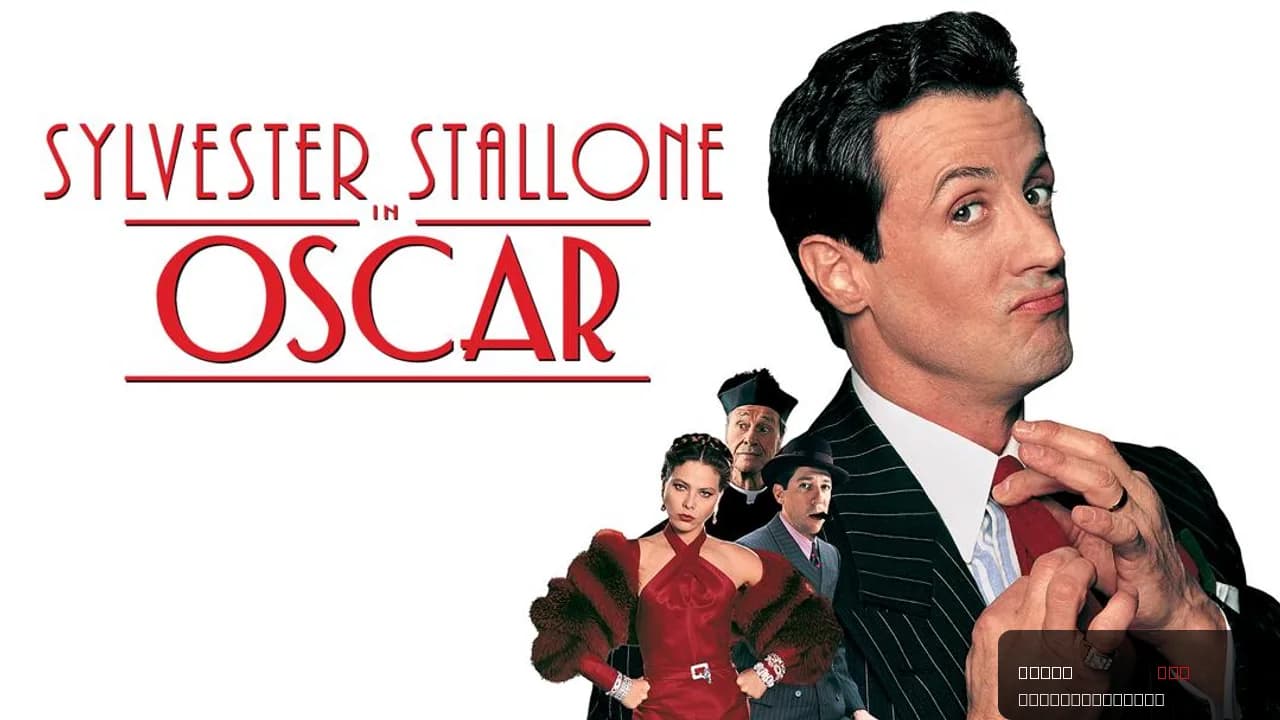
Oscar tells the story of Angelo "Snaps" Provolone, a New York mob boss who finds himself in an impossible bind. On his deathbed, his father Eduardo extracts a promise: Snaps will abandon the criminal underworld and become an honest businessman. It's a pledge that sounds noble in theory. In practice? It's a nightmare. Set against the glittering, desperate backdrop of 1930s New York City, the film follows Snaps through a single chaotic day as he tries to honor his vow while his entire criminal empire—his associates, his schemes, his reputation—threatens to collapse around him. The premise is simple. The execution is anything but.
Behind the Making of Oscar: A Misfire with European Appeal
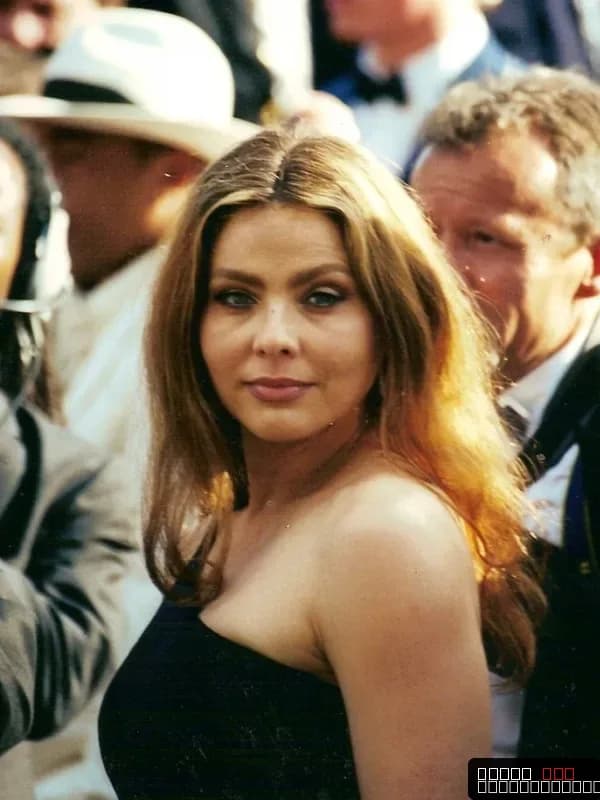
Oscar arrived in 1991 as an ambitious adaptation of Claude Magnier's stage play, itself remade from a 1967 French film of the same name. Director John Landis, fresh off major successes, positioned the film as a comedic vehicle built specifically for Sylvester Stallone—a deliberate pivot away from his Rocky and Rambo franchises. The supporting cast was stacked with talent: Marisa Tomei, Ornella Muti, Tim Curry, Don Ameche, and Chazz Palminteri all brought their A-game to what was meant to be a screwball romp. Composer Elmer Bernstein scored the film, giving it a jazzy, period-appropriate soundtrack that captures the frenetic energy of the era.
But here's where the story gets complicated. With a $35 million budget—substantial for 1991—Oscar failed to recoup its costs domestically when it hit theaters on April 26, 1991. American critics were harsh, and box office returns reflected their skepticism. The film tanked at home. Yet something unexpected happened: Oscar found an audience across Europe, where it performed significantly better, suggesting that what didn't land for U.S. reviewers resonated elsewhere. That split reception tells you something about how comedy travels—or doesn't.
What Makes Oscar Stand Out: Stallone's Comedic Gamble and Ensemble Chemistry
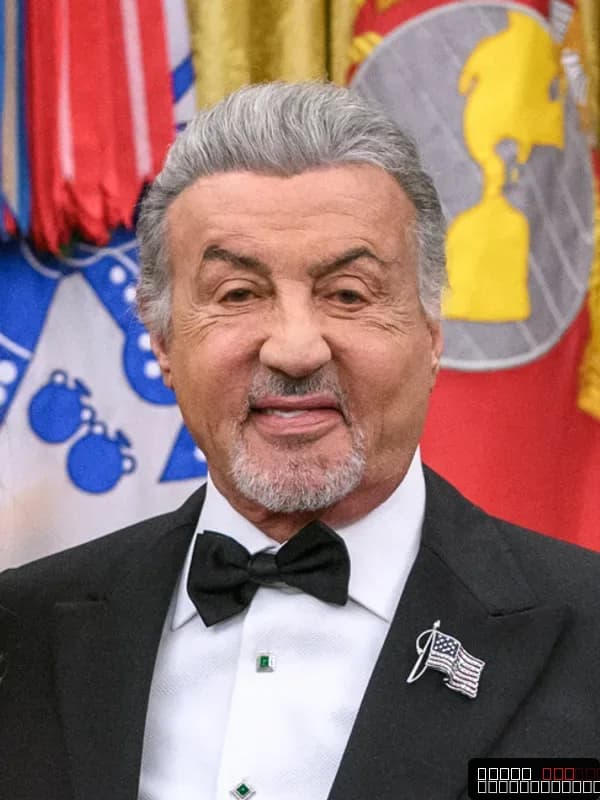
What's striking is that despite the critical drubbing, Oscar contains something genuinely worthwhile: Stallone's willingness to be funny. Fans expecting the granite-jawed action hero got something softer, faster, more vulnerable. His comedic timing—rarely tested in his career up to that point—actually holds up. He commits fully to the physical comedy, the rapid-fire dialogue, and the absurdist situations that define the film. This isn't a vanity project where the star phones it in; it's a genuine performance in an unfamiliar register.
The ensemble cast elevates the material considerably. Marisa Tomei, Tim Curry, and Chazz Palminteri all demonstrate strong comedic instincts, playing off Stallone with the kind of rhythm you'd expect from actors trained in stage comedy. The film channels the fast-paced screwball comedies of the 1930s and 1940s—think rapid dialogue, mistaken identities, physical gags, and the kind of bait-and-switch plotting that requires the audience to keep up. There are moments where the ensemble timing actually sings, where you can feel the cast playing well together. The inclusion of older character actors adds another layer of charm, bringing a nostalgic quality to the proceedings. Honestly, if you're watching Oscar expecting a modern comedy, you'll be lost. If you're willing to meet it on its own terms—as a stylistic throwback to a different era of filmmaking—there's real delight to be found.
Where to Stream Oscar Online
Oscar is currently available to stream on Prime Video. You can check the "Where to Watch" widget at the top of this page on Movie OTT to confirm current availability on your preferred platform, as streaming licenses shift frequently. Movie OTT tracks these changes in real time, so you'll always know exactly where to find the titles you're hunting for. If you're a subscriber to Prime Video's core service, you'll be able to watch it without an additional rental fee—making it an easy addition to your streaming queue if you're curious about Stallone's comedic experiment.
Frequently asked questions
Q: Is Oscar based on a true story?
No. Oscar is adapted from Claude Magnier's French stage play and is a remake of the 1967 French film of the same name. The story is entirely fictional, though it's set against the real historical backdrop of Depression-era New York City.
Q: Who directed Oscar?
John Landis directed Oscar. Landis was known for his work on comedies and the horror-comedy classic An American Werewolf in London, bringing his distinctive comedic sensibility to this 1991 film.
Q: Why did Oscar fail at the box office?
Oscar cost $35 million to make but didn't recoup that budget domestically when it was released on April 26, 1991. American critics were largely negative, and audiences stayed away. However, the film performed much better in Europe, suggesting it had a different cultural reception outside the United States.
Q: Is Oscar worth watching if I'm a Stallone fan?
It depends on what you're looking for. If you want to see Stallone do something completely different from his action roles—something comedic and lighter—then yes, it's worth a watch. He commits to the comedy, and the ensemble cast is solid. Just don't expect Rocky or Rambo; expect screwball chaos instead.
Q: How long is Oscar?
The film runs 109 minutes, making it a brisk, fast-paced comedy that doesn't overstay its welcome.
Final Thoughts on Oscar: A Flawed But Charming Curiosity
Oscar won't convert critics into believers—its reputation as a commercial and critical disappointment is well-earned. But it's also not the disaster that reputation suggests. It's a film that tried something risky: taking one of the biggest action stars of the era and asking him to be funny. That gamble didn't pay off at the American box office, but the attempt itself has merit. The ensemble work is solid, the period setting is lovingly realized, and there's a genuine charm to watching an entire cast commit to a style of comedy that doesn't get made much anymore. If you're in the mood for something unexpected and don't mind a film that swings for the fences even if it doesn't always connect, Oscar deserves a second look.