




Dunkirk: How Nolan Made War Feel Like Survival
Dunkirk (2017) is Christopher Nolan's refusal to make a war movie. Instead, he built a survival thriller that splits itself three ways—one week on a beach, one day at sea, one hour in the air—and lets you experience the same crisis from three completely different timelines. It's disorienting by design. It works.
The film tracks the 1940 evacuation of roughly 400,000 Allied soldiers stranded at Dunkirk as the German army closed in. But forget the generals-and-maps approach. Nolan strips everything down to instinct: a British soldier named Tommy (Fionn Whitehead) waiting on sand, a civilian mariner named Dawson (Mark Rylance) piloting a fishing boat, and RAF pilot Farrier (Tom Hardy) circling overhead in a Spitfire with a fuel gauge that won't stop falling. The compressed timelines aren't a gimmick—they're the entire point. Chaos doesn't run on one clock.
Runtime: 107 minutes | Rating: PG-13 | Box office: $189.7 million worldwide
Why the three-timeline structure actually matters
What strikes me about Dunkirk is that Nolan refuses to let you settle into a single emotional rhythm. You're living a full week of dread on the beach—waiting, waiting, still waiting—and then suddenly you're compressed into a single hour of fuel-gauge anxiety in a cockpit. The contrast is genuinely destabilizing, which is exactly what it's supposed to be.
The timelines converge near the climax—and this is where the structure pays off. You watch Tommy and the others from the beach looking up at Farrier's Spitfire above them, not knowing his tank is nearly empty. You've already lived his hour in the air. You know what's coming. That moment lands with physical force because Nolan has forced you to inhabit all three perspectives before the threads pull tight.
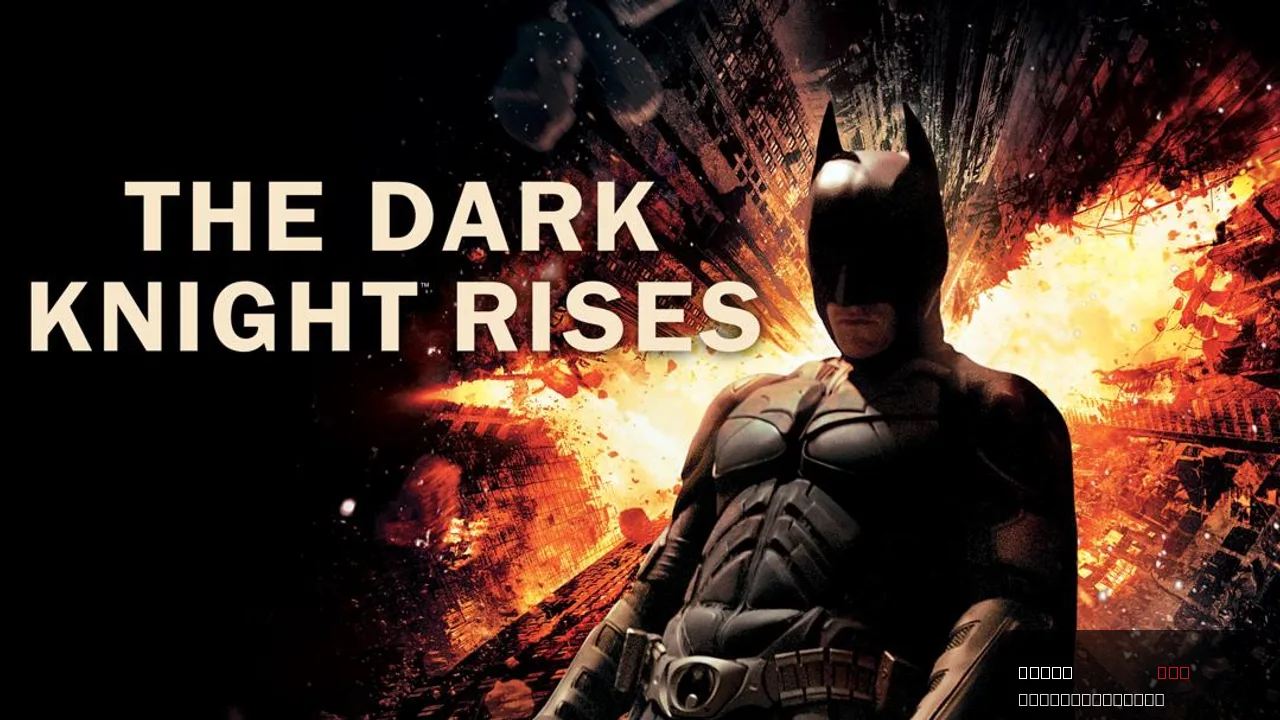
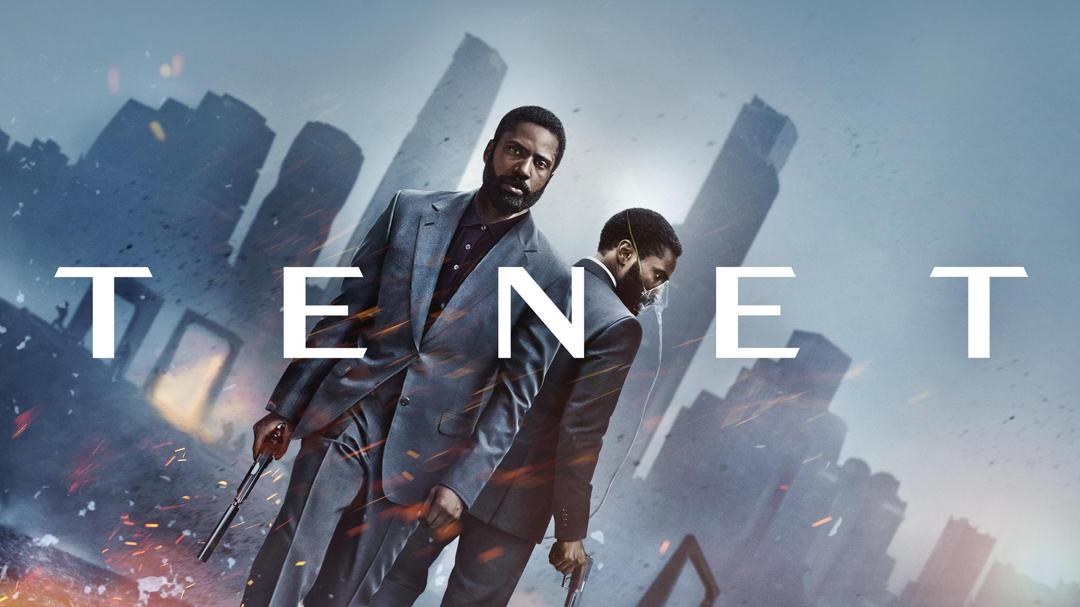
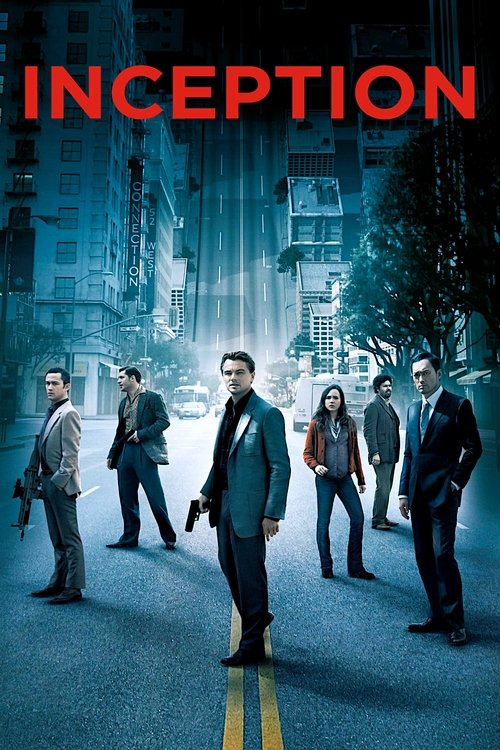
This isn't new territory for him—Memento and Inception play with non-linear structure too—but here it's not a puzzle to solve. It's an emotional architecture. And it works because the three timelines aren't equal; they're counterpoint.
The cast: understated performances that carry the weight
Fionn Whitehead was largely unknown when cast as Tommy, and Nolan gives him almost nothing to do—he's mostly silent, mostly watching, mostly afraid. That's the entire role. And it's perfect, because you project your own terror onto his blank face.
Tom Hardy spends the movie behind an oxygen mask and a Spitfire windscreen. Most actors would disappear. Hardy doesn't. He communicates an entire character arc through his eyes and the tilt of his head—I kept thinking about how little he actually says, and how much we understand anyway.
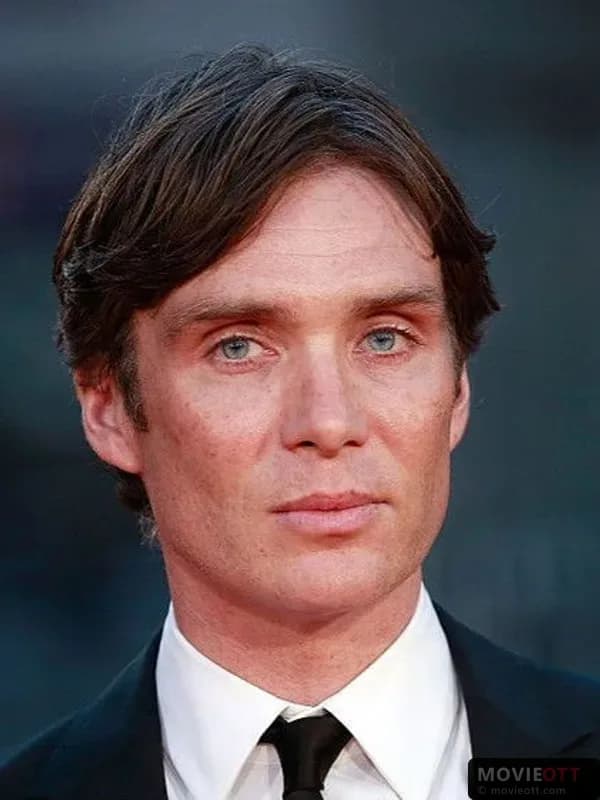
Mark Rylance brings his trademark stillness to Mr. Dawson, the civilian mariner. Kenneth Branagh carries the weight of command as Commander Bolton. Cillian Murphy appears as a shell-shocked soldier pulled from the water—haunted, almost feral. Barry Keoghan rounds out the boat's crew. And then there's Harry Styles in his feature film debut. Look—everyone expected stunt-casting disaster. He doesn't embarrass himself. He holds his own. That's all you can ask, and he delivers.
The cast is deliberately lean on recognizable stars (which means it doesn't feel like watching a parade of names). It feels like watching real soldiers.
How Nolan made this with actual planes, actual boats, actual chaos
Nolan shot on 65mm and IMAX film—a decision that was part artistic statement, part logistical nightmare. He filmed on location at the actual Dunkirk beach in northern France, using real vintage Spitfires and a fleet of period-accurate vessels. Some of those Little Ships—the civilian fishing boats that participated in the 1940 evacuation—were the actual boats from 80 years prior.
This commitment to practical filmmaking gives the movie a tactile weight that you feel in your chest. There's no CGI cover for desperation. When the camera shakes, it's because something real just happened. When you hear water, it's water.
Hans Zimmer's score is built around a ticking pocket watch and a Shepard tone—that psychoacoustic illusion of endlessly rising tension—and it doesn't let you breathe. Ever. The score is almost a fourth character, constantly pushing.
The box office, the awards, the actual numbers
Dunkirk earned $189.7 million at the global box office, a massive haul for a war film with no conventional hero arc and no romance subplot. That it made that much money while refusing conventional narrative structure says something about what audiences actually want when they're paying attention.
At the 90th Academy Awards (2018), Dunkirk won 3 Oscars: Best Film Editing, Best Sound Editing, and Best Sound Mixing—out of 8 nominations, including Best Picture and Best Director. Across all major awards ceremonies, it accumulated 68 wins and 236 nominations total.
The critical scores back that up: it holds a 7.7/10 on IMDb (from over 800,000 votes), 94 on Metacritic, and 92% on Rotten Tomatoes. For a film this demanding—this unwilling to comfort you—those numbers are remarkable.
Where to watch (and why the format matters)
Dunkirk is available on major streaming platforms, though availability shifts by region and season. Movie OTT maintains a live-updated tracker of where it's currently streaming in your country—check the where-to-watch widget at the top of this page for the most current options.
Here's the thing: this film rewards good sound design. If you have access to a home theater setup or even a solid pair of headphones, use them. The sound mixing is literally Oscar-winning; it deserves to be heard. The cinematography demands a larger screen too (Nolan shot it for IMAX for a reason). If you're streaming on a laptop, it'll still work—the story will still grip you—but you're missing some of what makes this film singular.
Who should actually watch this
Dunkirk isn't comfort viewing. It's demanding, deliberately disorienting, and it doesn't reward passive watching. You can't scroll your phone. You can't look away. The film won't let you.
But if you're willing to sit inside that relentless ticking and trust that Nolan knows where he's going—if you want to feel what desperation actually tastes like—this is one of the most technically accomplished and emotionally honest films of the past decade. War films that actually feel like war are rare. This is one of them.
If you liked Dunkirk, consider 1917 (single-take tension, no relief valve) or Saving Private Ryan (chaos, but with emotional anchors). They're different approaches to the same problem: how do you make the audience feel what soldiers feel?
Movie OTT recommends Dunkirk without hesitation. Watch it. Let it work on you. You'll understand why 107 minutes can feel like an evacuation.