


The story of Enemy at the Gates
Enemy at the Gates thrusts you into the winter of 1942, where the Soviet and German armies clash in what would become one of World War II's most devastating urban battles. The film centers on a psychological and physical duel between two exceptional snipers—a young Red Army soldier and a seasoned German marksman—as they hunt each other across the rubble-strewn streets of Stalingrad. What makes this conflict so gripping isn't just the cat-and-mouse game itself, but the way it mirrors the larger struggle for survival that surrounds them. Civilians caught in crossfire. Soldiers freezing and starving. The entire weight of a nation's survival balanced on the shoulders of two men with rifles. It's a story about skill, yes—but also about the human cost of war, and how propaganda can turn individual soldiers into symbols whether they like it or not.
Behind the making of Enemy at the Gates
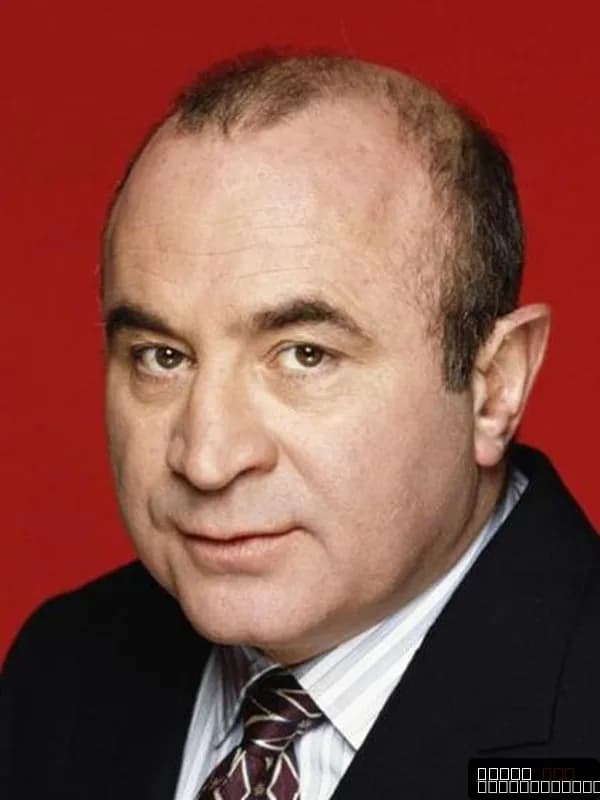
Director Jean-Jacques Annaud, known for his meticulous approach to historical filmmaking, brought together an international ensemble cast that reflects the film's pan-European production. Jude Law was cast as Vassili, the Red Army sniper, while Ed Harris took on the role of the German Major König—a pairing that would define the film's central tension. Joseph Fiennes played Danilov, the political officer who orchestrates Vassili's rise as a propaganda tool, alongside Rachel Weisz as a love interest caught between the two men. The supporting cast included seasoned character actors like Bob Hoskins, Ron Perlman, and Eva Mattes, each bringing weight to their smaller but crucial roles.
The production spanned multiple countries—the United States, France, Germany, Ireland, and the United Kingdom all contributed to the film's creation. When Enemy at the Gates hit theaters in 2001, it earned $51.4 million at the box office, a respectable return that reflected audiences' appetite for serious war cinema. The film garnered seven Academy Award nominations, though it didn't take home the major prizes. Critics were more mixed: while the IMDb community gave it a solid 7.4/10 rating from nearly 292,000 votes, both Rotten Tomatoes (53%) and Metacritic (53) landed it in "mixed reviews" territory. Still, the film's ambition and craft earned respect even from skeptics.
What makes Enemy at the Gates stand out
What's striking about Enemy at the Gates is how it refuses to be a simple action thriller. Yes, there are moments of visceral sniper combat—the tension of holding your breath as a character lines up a shot, the sudden crack of gunfire—but Annaud is more interested in the moral and psychological dimensions of warfare. The film doesn't shy away from the grotesque reality of Stalingrad: soldiers so desperate they eat their own boots, civilians executed without trial, the way propaganda machinery can grind up individuals and spit them out as heroes they never asked to be.
Jude Law's performance carries a particular kind of vulnerability—he plays Vassili not as an action hero but as a young man thrust into impossible circumstances, trying to survive and maybe, just maybe, find some meaning in the chaos. Ed Harris, meanwhile, brings an almost Shakespearean dignity to König, the German sniper who respects his Soviet counterpart even as they're locked in a death struggle. Their scenes together, though they rarely share the frame directly, crackle with an intensity that comes from both actors understanding the weight of what they're portraying. The cinematography captures the bleakness of a city reduced to rubble—there's rarely a moment of warmth or beauty, which is exactly the point. Movie OTT features this film among its curated selection of serious war dramas, and it's worth seeking out if you're looking for something that doesn't treat combat as entertainment.
What's less successful is the romantic subplot involving Rachel Weisz's character, which can feel tacked on and occasionally melodramatic compared to the stark realism of the sniper sequences. Some critics felt the film tried to do too much—be a love story, a propaganda critique, a military thriller, a character study—and didn't fully commit to any single vision. Hard to say if that's a flaw or just the inevitable messiness of tackling such an enormous historical moment.
How to watch Enemy at the Gates online
Enemy at the Gates is available on major OTT platforms, and you can check the "Where to Watch" widget at the top of this page to see which services currently have it in your region. Streaming rights rotate frequently, so what's available today might change in the coming months. If you're a regular viewer of war films and historical dramas, it's worth adding to your watchlist—it's the kind of film that rewards a second viewing once you know where the tension is heading. Movie OTT tracks current streaming availability across Netflix, Prime Video, and other major services, so you can find it without hunting through multiple apps.
Frequently asked questions
Q: Is Enemy at the Gates based on a true story?
The film is inspired by real events and real historical figures, particularly Soviet sniper Vasily Zaitsev and German sniper Erwin König, though the screenplay takes significant creative liberties with their actual encounter. The Battle of Stalingrad itself is meticulously researched, but the personal duel between the two snipers is dramatized for cinematic effect.
Q: Who directed Enemy at the Gates?
Jean-Jacques Annaud directed the film. He's known for his ambitious historical dramas like Seven Years in Tibet and Black Bear, and he brought his signature attention to historical detail and visual storytelling to this 2001 war epic.
Q: What's the runtime of Enemy at the Gates?
The film runs 131 minutes, giving Annaud plenty of time to build tension and develop his characters across the sprawling Stalingrad landscape without feeling rushed.
Q: Why did Enemy at the Gates receive mixed reviews from critics?
While audiences and IMDb voters appreciated the film's ambition and performances, critics felt it tried to balance too many narrative threads—the sniper duel, the love story, the propaganda critique—and that the romantic subplot sometimes undercut the film's grittier elements. The 53% Rotten Tomatoes score reflects this divided opinion.
Q: Is Enemy at the Gates rated R?
Yes, the film is rated R for violence, language, and some sexual content. The depiction of warfare is unflinching and includes scenes of civilian casualties and brutal combat.
Final thoughts on Enemy at the Gates
Enemy at the Gates isn't a perfect film, but it's a serious one—and that matters. In an era when war movies often lean toward spectacle or jingoism, Annaud's film insists on showing the human wreckage beneath the historical narrative. The sniper duel works as a metaphor for something larger: the way individual lives get consumed by forces beyond their control. If you haven't seen it in a while, it's worth revisiting. The performances have aged well, and the cinematography still holds up. It's exactly the kind of film that streaming services are built for—substantial, thoughtful, and demanding of your attention.