






The Story of A Cure for Wellness
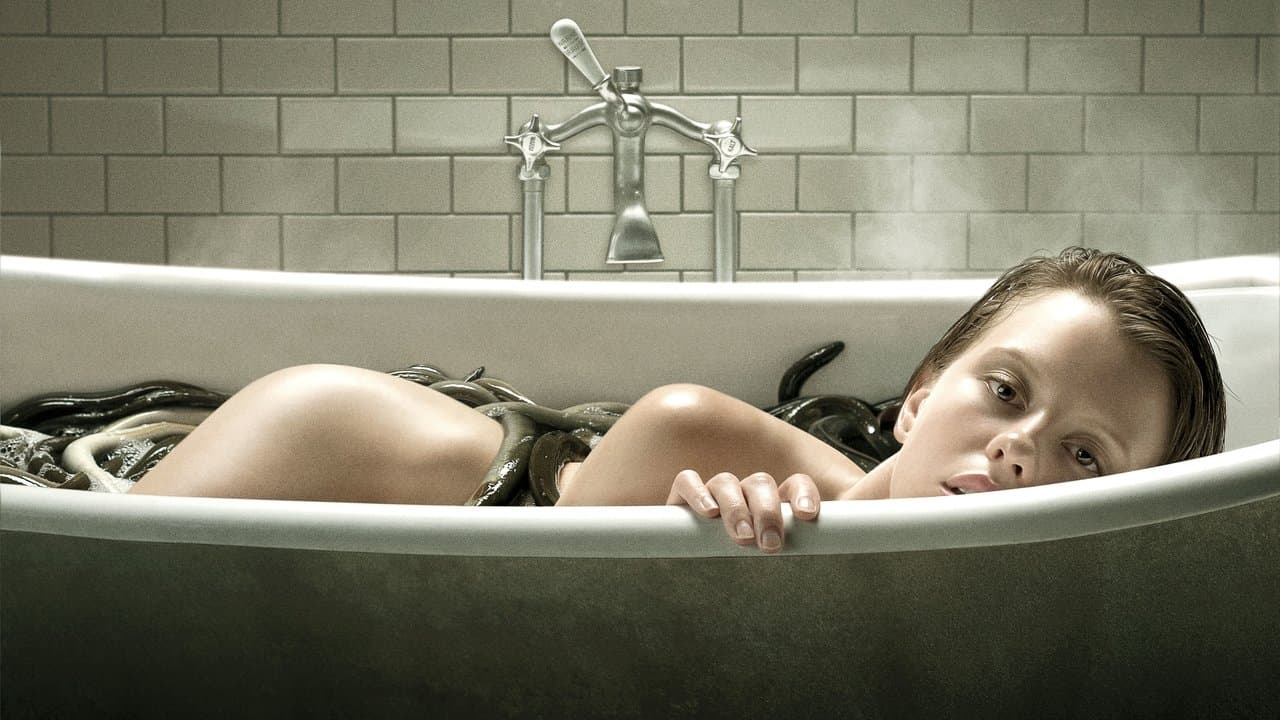
A Cure for Wellness follows an ambitious young executive tasked with a seemingly straightforward mission: travel to a remote wellness center nestled in the Swiss Alps and retrieve his company's CEO, who's decided to extend his stay at the facility. What starts as a corporate errand becomes something far more unsettling. The spa itself—all gleaming architecture and promise of rejuvenation—begins to feel less like a sanctuary and more like a trap. The protagonist quickly realizes that the miraculous treatments offered at this exclusive retreat aren't what they claim to be, and that everyone around him, from the charismatic therapist to the other guests, may be complicit in something deeply wrong. The deeper he digs, the less certain he becomes about what's real and what's manufactured. It's a slow-burn descent into paranoia, where the line between wellness and imprisonment blurs.
Behind the Making of A Cure for Wellness
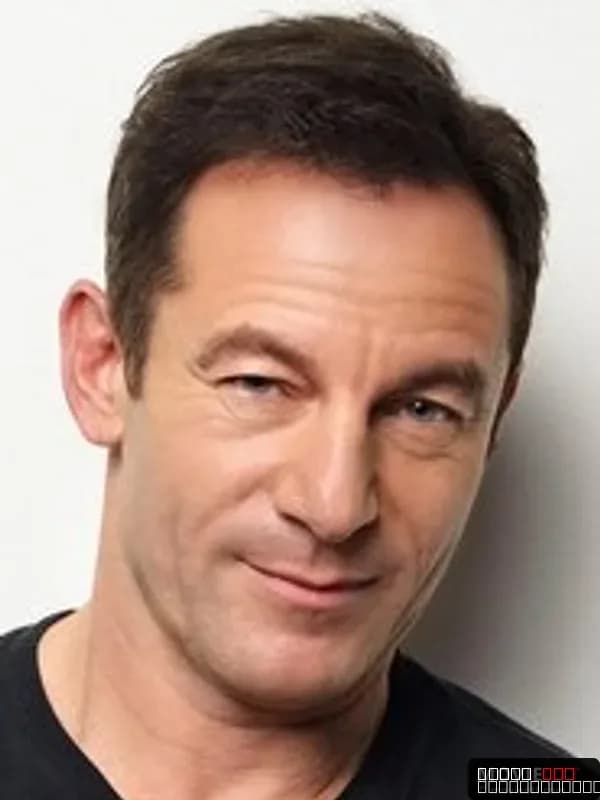
Gore Verbinski, known for his work on the Pirates of the Caribbean franchise, took on this psychological horror project with a distinctly different vision. The screenplay came from Justin Haythe, and together they drew inspiration from Thomas Mann's 1924 novel The Magic Mountain—a work itself concerned with illness, isolation, and the strange psychology of a sanatorium. The film stars Dane DeHaan as the protagonist, alongside Jason Isaacs and Mia Goth, bringing credible tension to a cast trapped in an increasingly claustrophobic narrative. Rated R for language and some graphic nudity, the film clocks in at 146 minutes, a deliberate runtime that Verbinski uses to build dread rather than rush toward resolution.
Financially, the film underperformed at the box office, earning just $8.1 million worldwide—a disappointing return for a major studio production. However, the film did garner recognition within the awards circuit, earning 4 wins and 5 nominations, suggesting that despite its commercial struggles, critics and industry observers recognized the craft on display. The Metascore sits at 47/100, while Rotten Tomatoes gives it a 42% rating, indicating a mixed critical reception. What's striking is that these numbers don't capture the film's most compelling quality: its commitment to visual storytelling and atmospheric dread over conventional plot mechanics.
What Makes A Cure for Wellness Stand Out
Here's where things get complicated. The film's greatest strength and its most glaring weakness are one and the same: ambition that doesn't quite land. Verbinski constructs an impeccable visual world. The Swiss Alps setting becomes almost a character itself—all sharp angles, pristine water, and architectural perfection that somehow feels deeply wrong. The production design is meticulous, the cinematography haunting, and the sound design creates an almost unbearable sense of unease. Dane DeHaan carries the film with a convincing descent from skepticism to genuine terror, and there's a real craft in how the director strings together unsettling imagery—a scene involving dental work, for instance, lingers in a way that's hard to shake.
But audience reception reveals the core problem. Reviewers on Movie OTT, where streaming aggregation helps viewers navigate what's available and what's worth their time, consistently note that the film's logic doesn't hold up under scrutiny. The "science" behind the spa's treatments is nonsensical. Character motivations shift without clear justification. Setups don't pay off. A 146-minute runtime demands either a tightly constructed mystery or a character study that justifies every moment, and this film attempts both without fully committing to either. It's spectacularly, deliberately uncomfortable to watch—but not always in the way Verbinski intends. What you're left with is a film that's visually striking and thematically ambitious, yet narratively frustrating. The thing nobody mentions is that sometimes atmosphere can only carry you so far.
Where to Stream A Cure for Wellness Online
A Cure for Wellness is available across major OTT platforms, making it accessible to anyone curious about Verbinski's polarizing vision. You can check the "Where to Watch" widget at the top of this page to see current availability on your preferred streaming service. The film's runtime and deliberately paced approach make it best suited for viewers with time to settle in—don't expect a quick evening watch. Given its mixed critical reception, it's worth reading reviews before committing, and Movie OTT tracks which platforms have it right now so you're not hunting around.
Frequently asked questions
Q: Is A Cure for Wellness based on a true story?
No, but it's inspired by Thomas Mann's 1924 novel The Magic Mountain, which also centers on a mysterious sanatorium in the Alps. The filmmakers used Mann's thematic concerns about illness and isolation as a conceptual foundation rather than adapting the novel directly.
Q: Who directed A Cure for Wellness?
Gore Verbinski directed the film, bringing his visual sensibility from large-scale blockbusters to a smaller, more claustrophobic psychological horror. Justin Haythe wrote the screenplay.
Q: How long is A Cure for Wellness?
The film runs 146 minutes—nearly two and a half hours. This extended runtime is intentional, designed to build atmospheric tension, though some viewers find it tests their patience.
Q: What's the Rotten Tomatoes score for A Cure for Wellness?
The film holds a 42% on Rotten Tomatoes, indicating a "Rotten" critical consensus. The Metascore is 47/100. Despite mixed reviews, it has a dedicated following who appreciate its visual ambition.
Q: Why did A Cure for Wellness underperform at the box office?
The film earned only $8.1 million worldwide, likely due to its niche appeal, slow pacing, and mixed word-of-mouth. Horror and mystery audiences often want different things—one craves scares, the other craves clarity—and this film satisfies neither completely.
Final Thoughts on A Cure for Wellness
A Cure for Wellness won't be for everyone. It's a film that demands patience, tolerance for ambiguity, and a willingness to sit with visual unease even when the plot doesn't quite make sense. If you value atmosphere over narrative coherence, if you're drawn to films that linger in your mind for their imagery rather than their logic, it's worth watching. But go in with tempered expectations. This is a film about surface perfection hiding something rotten beneath—which is precisely what it looks like, for better and worse.