
The story of A Farewell to Arms
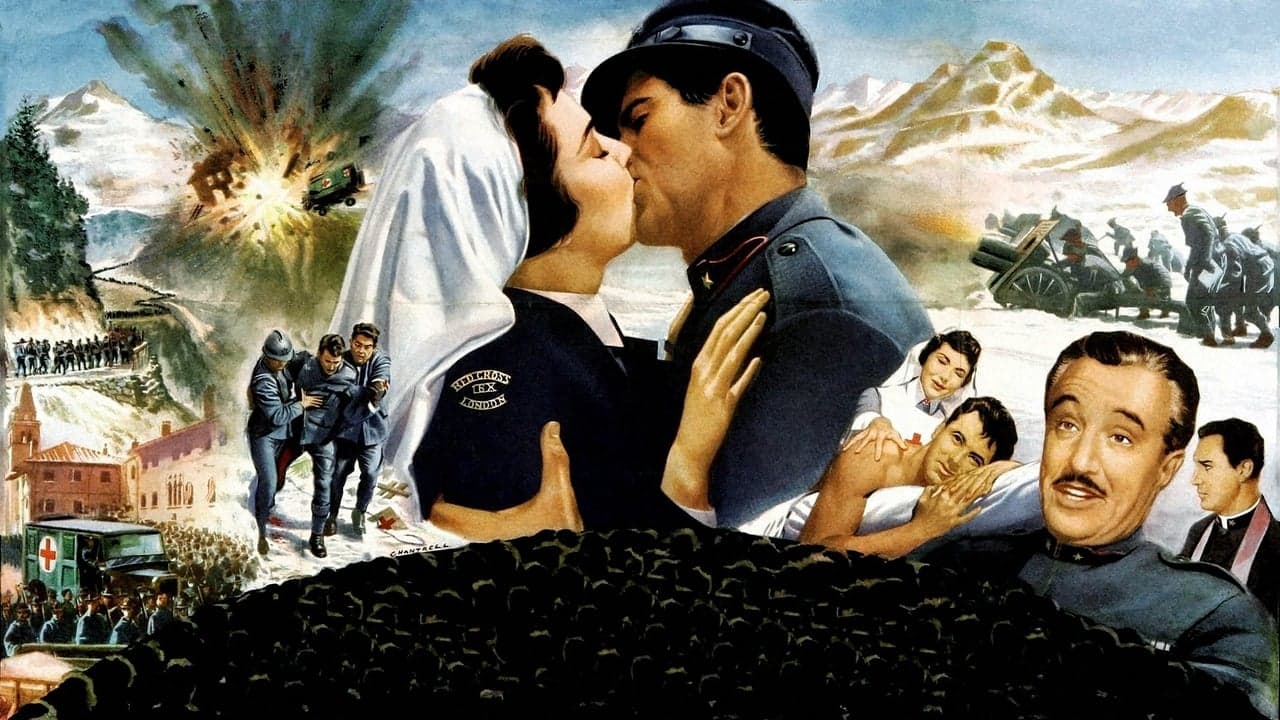
A Farewell to Arms tells the story of an American lieutenant serving on the Italian front during World War I who meets a British nurse and falls into an unexpected, passionate romance. Set against the chaos and brutality of the Great War, their relationship becomes both a refuge and a source of profound vulnerability. The film doesn't shy away from the central tension: Can love survive when everything around it is being destroyed? What starts as a chance meeting in a military hospital becomes something neither character can ignore, even as the war—and their own circumstances—conspire to pull them apart. It's a story about choosing between duty and desire, between the demands of war and the needs of the human heart.
Behind the making of A Farewell to Arms
This 1957 adaptation represents the final film produced by legendary producer David O. Selznick, who'd built his reputation on sweeping, ambitious projects. Director Charles Vidor took on the challenge of bringing Ernest Hemingway's 1929 semi-autobiographical novel to the screen for the second time—Gary Cooper had already starred in a 1932 pre-Code version, so Selznick was essentially betting that audiences wanted a fresh take on the material. The screenplay came from Ben Hecht, working from a 1930 stage adaptation by Laurence Stallings, which meant the story had already been filtered through multiple artistic lenses before reaching the screen.
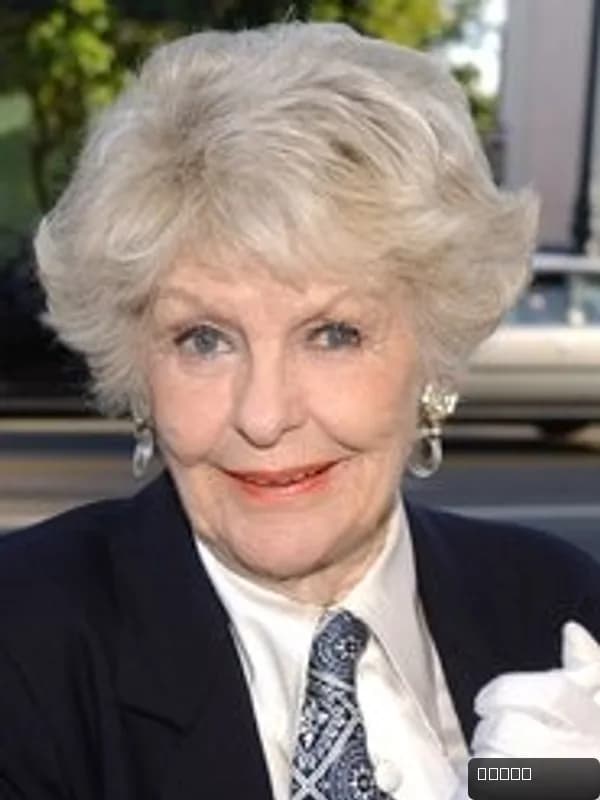
Casting Rock Hudson as the American lieutenant was a bold choice. Hudson was primarily known for romantic comedies and melodramas at the time, not war epics, and some critics questioned whether he had the dramatic weight for such a role. Jennifer Jones, meanwhile, brought considerable prestige to the project—she was already an Oscar winner and had proven herself in serious dramatic work. The supporting cast included Italian neorealist legend Vittorio De Sica and Broadway veteran Elaine Stritch. The film clocked in at 152 minutes, an ambitious runtime that reflected Selznick's commitment to letting the story breathe across its full scope. Production values were substantial, and the cinematography aimed to capture both the romance and the ravages of the Italian campaign.
What makes A Farewell to Arms stand out
What's striking about this film is how it refuses to let the love story overshadow the war itself. Many romantic films set against wartime backdrops treat the conflict as mere scenery, but A Farewell to Arms keeps the brutality and moral ambiguity front and center. The performances anchor the material—Hudson brings a kind of earnest vulnerability to his role that works better than you'd expect, and Jones carries the emotional weight of a woman caught between professional duty and personal longing. The thing nobody mentions is that the film actually works best when it's not focusing exclusively on the romance; it's the moments when Hudson's character confronts the senselessness of the war, or when the couple realizes their situation is genuinely hopeless, that the film finds its power.
The cinematography captures both the beauty of the Italian landscape and the mud, blood, and chaos of military hospitals and front-line positions. There's a scene early on where Hudson's character is wounded and brought to the hospital where Jones works—that first meeting has a kind of charged inevitability to it, the way two people recognize something in each other despite the circumstances. I keep coming back to how the film doesn't try to make their love feel inevitable or fated; instead, it feels fragile, almost accidental, which is what makes it hurt more. The IMDb rating of 5.957/10 suggests mixed critical and audience reception, and honestly, that makes sense—the film swings between genuine emotional power and moments that feel dated or overwrought, depending on your tolerance for 1950s melodrama.
Where to stream A Farewell to Arms online
You can find A Farewell to Arms on major OTT services, with availability varying by region and subscription tier. Movie OTT tracks current streaming availability across all major platforms, so you can see exactly where the film is available in your area right now. The "Where to Watch" widget at the top of this page shows all the platforms currently carrying the title, making it easy to jump straight to your preferred service. Since streaming catalogs change regularly, it's worth checking Movie OTT's platform tracker if your usual service doesn't have it—the film tends to rotate between different providers. At 152 minutes, it's a commitment, so you'll want to make sure you've got a solid streaming connection and some uninterrupted time to settle in.
Frequently asked questions
Q: Is A Farewell to Arms based on a true story?
It's based on Ernest Hemingway's 1929 novel, which was itself semi-autobiographical—Hemingway had served as an ambulance driver during World War I and drew on those experiences. The film isn't a literal retelling of Hemingway's life, but rather an adaptation of his fictionalized version of those events.
Q: Who directed A Farewell to Arms?
Charles Vidor directed the 1957 version. This was the second feature film adaptation of Hemingway's novel; the first came out in 1932 and starred Gary Cooper and Helen Hayes.
Q: What's the runtime, and is it worth sitting through?
The film runs 152 minutes—nearly two and a half hours. That's a long commitment, but the scope of the story and the production design justify the length for viewers who connect with the material.
Q: How does Rock Hudson's performance hold up?
Hudson was primarily known for lighter romantic roles, so casting him in a serious war drama raised eyebrows. His earnest, vulnerable approach actually works better than many expected, though whether it fully captures the complexity of Hemingway's protagonist remains debatable.
Q: What happened to David O. Selznick after this film?
A Farewell to Arms was Selznick's final production as a producer. It marked the end of an era for one of Hollywood's most ambitious and controlling filmmakers.
Final thoughts on A Farewell to Arms
This film won't be for everyone—it's a 1950s melodrama with all the stylistic choices that implies, and the mixed critical reception reflects genuine disagreements about whether Vidor and Selznick's approach serves Hemingway's material. But if you're drawn to sweeping romantic epics set against historical backdrops, or if you're curious about how mid-century Hollywood tackled literary adaptations, it's worth your time. The performances are committed, the production is undeniably grand, and there's real emotional weight in watching two people try to hold onto something precious while the world falls apart around them. Don't expect a perfect film, but don't expect a wasted evening either.