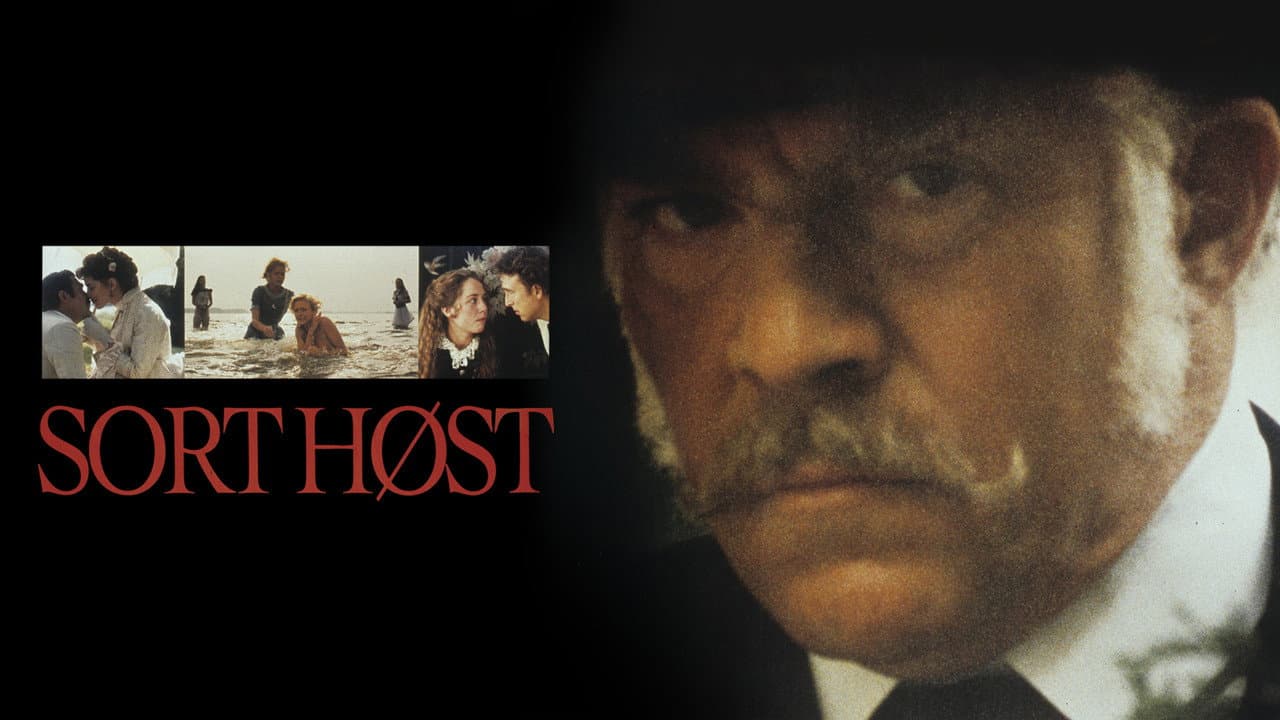









The story of Black Harvest
Black Harvest takes you into the Danish countryside at the turn of the century, where power isn't just about money—it's about who's willing to wield it without shame. The film centers on a wealthy landowner whose influence extends far beyond his estate. He's a man who's built his fortune on corruption and moral flexibility, fathering illegitimate children across the region while maintaining a respectable family at home. What he doesn't expect is genuine resistance. His 17-year-old daughter, spirited and unafraid, becomes the one person in his world who refuses to look away from his hypocrisy. The tension between his absolute authority and her refusal to accept it drives the entire narrative, creating a family drama that's less about plot mechanics and more about the slow, grinding collision of wills.
Behind the making of Black Harvest
Director Anders Refn helmed this production for Nordisk Film Denmark, one of Scandinavia's most respected studios, in 1993. The film arrived during a period when Nordic cinema was gaining international attention, and Black Harvest was Denmark's official selection for the Best Foreign Language Film category at the 66th Academy Awards. Though it didn't advance to the nominee stage, the selection itself signaled confidence in Refn's vision—a recognition that this wasn't a small regional effort but something with ambitions to speak beyond its borders. The runtime stretches to 120 minutes, giving Refn space to build atmosphere and let scenes breathe rather than rushing through plot points. That's deliberate. Period dramas about rural power structures can't work if they're hurried. You need time to feel the weight of tradition, the claustrophobia of small-town hierarchies, and the courage it takes to challenge them. The production design and cinematography work to establish that world convincingly—not as a glossy heritage piece but as a lived, grimy reality where corruption isn't theatrical but mundane, woven into everyday transactions and family dinners.
What makes Black Harvest stand out
What's striking about Black Harvest is how it refuses the easy moral clarity that lesser dramas settle for. The landowner isn't a cartoon villain twirling his mustache—he's a man whose power has convinced him that his appetites are simply natural, even inevitable. The illegitimate children scattered across the region aren't plot devices; they're evidence of a system that's normalized his behavior so thoroughly that nobody questions it until his daughter does. That's where the real drama lives. I keep coming back to how the film treats her defiance not as a triumphant teenage rebellion but as something quieter, more costly. She can't simply leave or expose him; she's trapped within the family structure she's challenging, which makes her resistance all the more complicated. The performances anchor this tension—there's no scenery-chewing, no melodramatic confrontations that resolve everything in a single scene. Instead, you get the accumulation of small refusals, quiet observations, and the slow realization that her presence in the house is becoming unbearable to him precisely because she won't pretend. At 120 minutes, the film earns its runtime by letting these dynamics unfold naturally rather than manufacturing artificial climaxes. Critics have noted the film's restraint, its willingness to sit with discomfort rather than resolve it neatly.
Where to stream Black Harvest online
Black Harvest is available on major OTT services, making it accessible if you're hunting for European period dramas that dig into family dysfunction and moral corruption. The Movie OTT streaming widget at the top of this page shows you exactly which platforms currently carry the film in your region, since availability shifts regularly across services. If you're browsing through streaming options and want to know whether a particular platform has it right now, that widget's your shortcut. It saves you the back-and-forth of checking five different apps. The film's 120-minute runtime also makes it manageable for a single viewing session—not so short that you feel cheated, not so long that you're committing your entire evening.
Frequently asked questions
Q: Who directed Black Harvest?
Anders Refn directed Black Harvest in 1993 for Nordisk Film Denmark. The film was Denmark's official submission for Best Foreign Language Film at the 66th Academy Awards, though it didn't advance to the final nominee stage.
Q: What is Black Harvest about?
The film follows a corrupt, womanizing landowner in rural Denmark at the turn of the century. His 17-year-old daughter becomes the only person in his world willing to challenge his authority and moral compromises, creating a family drama centered on power, defiance, and the cost of standing up to systemic corruption.
Q: How long is Black Harvest?
The film runs 120 minutes, giving director Anders Refn ample time to develop the slow-burn tension between the landowner and his daughter without rushing through character development or atmospheric details.
Q: Where can I watch Black Harvest?
Black Harvest is available on major OTT streaming platforms. Check the where-to-watch widget on this page to see which services currently offer it in your region, as availability varies by location and changes over time.
Q: Is Black Harvest based on a true story?
Black Harvest is a fictional drama set in the Danish countryside at the turn of the century. While it doesn't adapt a specific historical event, it explores authentic tensions of that era—rural power structures, family corruption, and the social constraints that made defiance dangerous and rare.
Final thoughts on Black Harvest
Black Harvest won't satisfy anyone looking for a tidy resolution or a triumphant underdog story. What it offers instead is something rarer: an unflinching look at how power corrupts quietly, and how resistance sometimes means simply refusing to pretend. The film's modest IMDb rating of 5.4/10 suggests it's not universally beloved, but that's partly because it doesn't court easy sympathy. It's a challenging watch—slow, morally gray, and deeply concerned with the spaces between what people say and what they actually believe. If you're drawn to European cinema that trusts its audience to sit with discomfort, or if you're exploring the Danish film tradition beyond the usual suspects, Black Harvest deserves a look. It's the kind of film that lingers, not because it's flashy, but because it refuses to let you off the hook.