





The story of Blood for Dracula
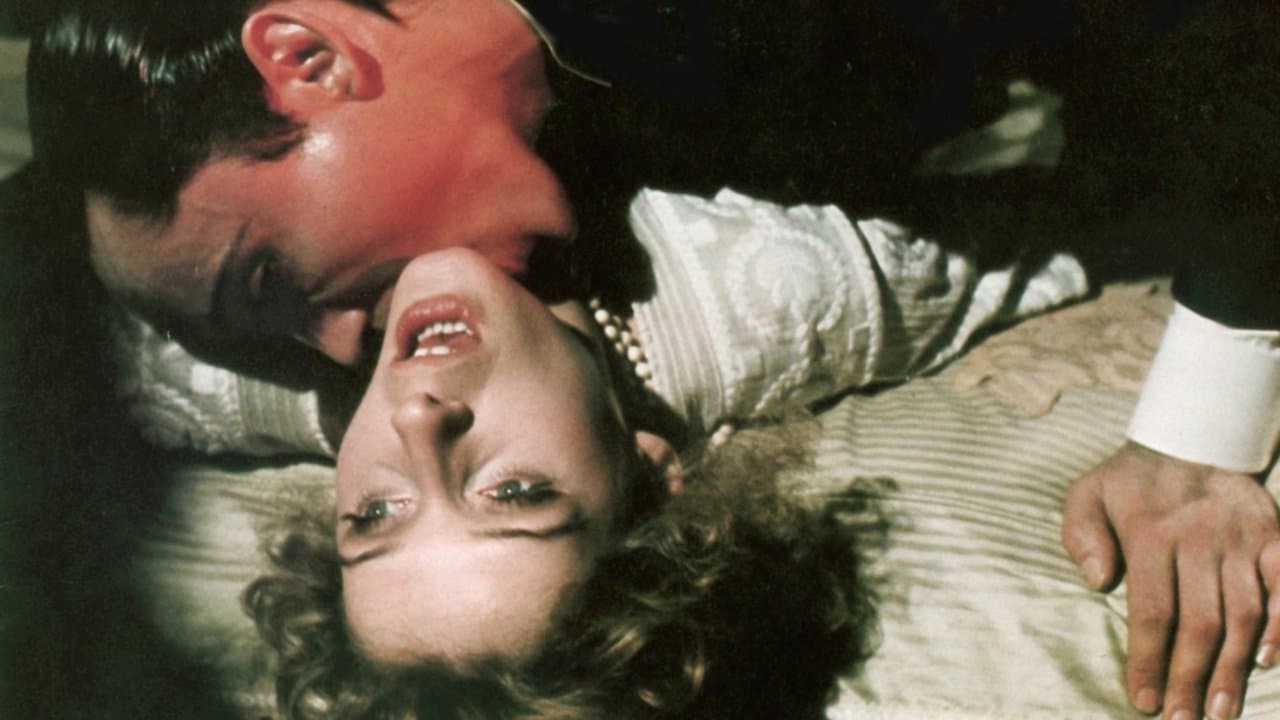
Blood for Dracula opens with a premise that's both ridiculous and unsettling: a deathly ill Count Dracula, desperate for sustenance, arrives in Italy with his slimy underling Anton in tow. They're hunting for one thing—a virgin's blood. The film wastes no time establishing its lurid hook: "He couldn't live without a virgin's blood..... ...So a virgin had to die!" But this isn't a straightforward vampire tale. Instead, Morrissey uses the Dracula legend as scaffolding for something far stranger—a collision between European aristocracy, working-class consciousness, and sexual chaos. The count insinuates himself into the crumbling estate of the Marchese Di Fiore, a nobleman so financially desperate he's willing to welcome the mysterious foreigner as a potential suitor for one of his daughters. What Dracula finds instead of chaste innocence is a household in moral freefall: incestuous lesbian daughters, a suspicious Marxist manservant named Mario who sees through the count's pretense, and blood so corrupted by depravity that it's practically poisonous to him.
Behind the making of Blood for Dracula
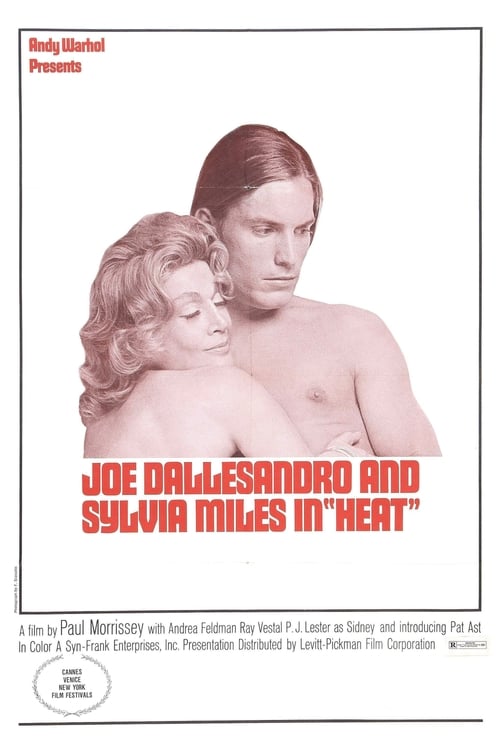
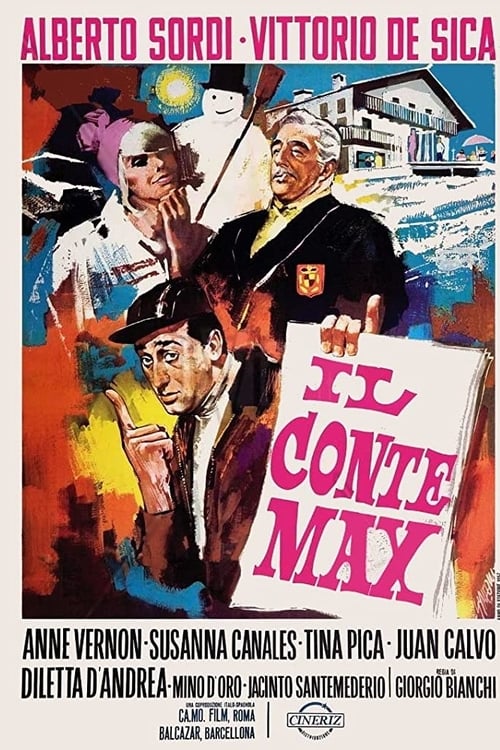
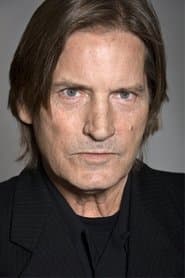
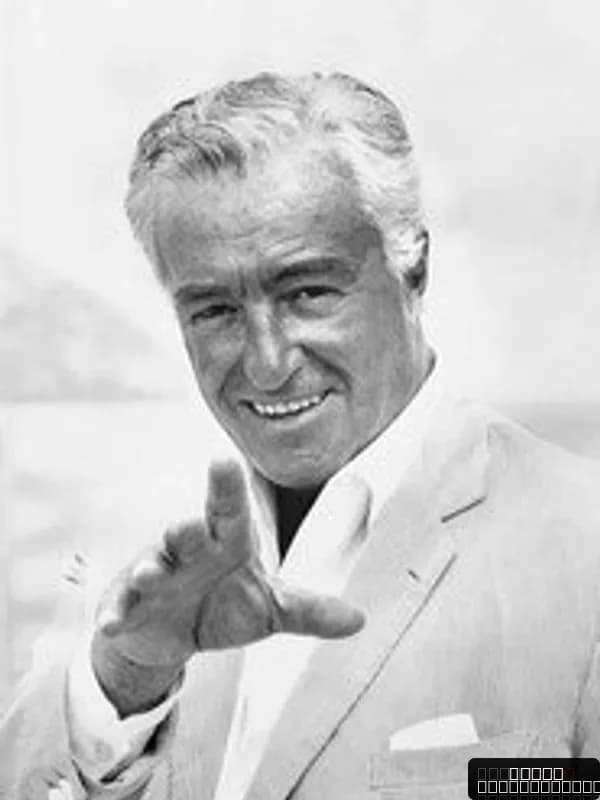
Paul Morrissey directed and wrote Blood for Dracula under the banner of Andy Warhol Productions, and the film carries the unmistakable fingerprints of the Factory era—transgressive, campy, deliberately provocative. Released in 1974 in West Germany and the United States (initially marketed as "Andy Warhol's Dracula" to capitalize on the pop-art impresario's notoriety), the film assembled a genuinely eclectic cast. Udo Kier, a German actor with an otherworldly presence, embodied Dracula with a kind of aristocratic fragility that's almost pathetic. Joe Dallesandro, a Warhol superstar, played the ideologically committed manservant Mario—a role that grounds the film's satirical jabs at class and power. The supporting cast included Maxime McKendry, Stefania Casini, and legend Vittorio de Sica, lending an oddly respectable sheen to what was fundamentally an exploitation picture. The film's budget was modest, typical of underground cinema at the time, and it never achieved mainstream box-office success. Its IMDb rating of 5.7/10 reflects the film's divisive nature—some viewers found it a brilliant subversion of horror tropes, while others dismissed it as pretentious trash. What's striking is that Morrissey didn't seem to care much which camp you fell into.
What makes Blood for Dracula stand out in 1970s horror
There's a particular kind of audacity that only underground cinema from this era could get away with. Blood for Dracula isn't interested in scaring you in any traditional sense—it's interested in making you uncomfortable, in mixing high-art pretension with low-exploitation content. Kier's performance is genuinely unsettling, not because he's menacing but because he's so pitifully weak, so dependent on his victim's purity for survival. The film's sexual content is explicit and perverse in ways that feel less salacious than genuinely transgressive. When Dracula encounters the Marchese's daughters and realizes they're not virgins—that they're sexually active, morally compromised, and frankly indifferent to his aristocratic mystique—the whole vampire mythology collapses. He can't feed on them. He's dying. The blood he needs doesn't exist in this world anymore, if it ever did. Dallesandro's Mario, meanwhile, represents an ideological challenge to Dracula's very existence. A communist manservant in a crumbling feudal household? That's not accidental casting. The class conflict that runs through the film isn't subtle, and it shouldn't be. What I keep coming back to is how the film uses horror as a vehicle for social critique—the vampire isn't just a monster, he's a symbol of a dying aristocratic order, unable to sustain itself in a world that's moved on.
How to stream Blood for Dracula online
Blood for Dracula remains available on major OTT services, though availability varies by region and changes seasonally. Movie OTT tracks current streaming availability across platforms, making it simple to find where the film is currently streaming in your area. The "Where to Watch" widget at the top of this page will show you every platform carrying the title right now—whether that's a subscription service, rental option, or free tier. Given the film's cult status and relatively niche appeal, it's worth checking your preferred streaming service or using an aggregator to confirm availability before settling in for what's genuinely a challenging, rewarding viewing experience.
Frequently asked questions
Q: Who directed Blood for Dracula?
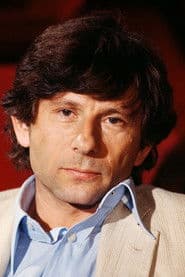
Paul Morrissey wrote and directed Blood for Dracula in 1974 under Andy Warhol Productions. Morrissey was a key figure in the Warhol Factory scene and brought his transgressive sensibility to this reimagining of the Dracula myth.
Q: Is Blood for Dracula based on a true story?
No, it's a fictional reimagining of the Dracula legend, though it draws on Bram Stoker's classic character. Morrissey used the vampire framework as a vehicle for social and sexual satire rather than adapting any specific source material literally.
Q: What's the runtime of Blood for Dracula?
The film runs 103 minutes, which is substantial enough to develop its satirical premise and character dynamics without overstaying its welcome.
Q: Why is it called Andy Warhol's Dracula?
When the film was initially released in 1974, it was marketed as "Andy Warhol's Dracula" to capitalize on Warhol's fame and notoriety, even though Warhol didn't direct it. Paul Morrissey was the actual director, but Warhol's production company and cultural cachet were central to the film's identity and appeal.
Q: Is Blood for Dracula appropriate for all audiences?
No. The film contains explicit sexual content, violence, and transgressive themes that make it strictly for adult viewers seeking avant-garde, provocative cinema. It's not a mainstream horror film for casual viewers.
Final thoughts on Blood for Dracula
Blood for Dracula won't be for everyone. It's deliberately difficult, sexually explicit, ideologically combative, and visually austere in ways that demand patience from viewers. But for those interested in cult cinema, 1970s underground filmmaking, or horror that uses genre conventions as a springboard for social critique, it's essential viewing. The film's willingness to let its vampire protagonist fail, to render him pathetic rather than powerful, feels almost revolutionary in hindsight. Udo Kier's dying count—desperate, aristocratic, and utterly out of step with the world around him—is one of cinema's most unusual monster performances. If you're hunting for something genuinely different, something that'll stay with you long after the credits roll, Blood for Dracula deserves your attention.