

The story of Heat: Hollywood's underbelly through Warhol's lens
Heat tells the story of Joe Davis, a former child star now reduced to hustling for bit parts while living in a seedy Hollywood motel—the kind of place where the ice machine is probably broken and nobody asks questions. When he catches the eye of Jessica Todd, a newly out lesbian feminist, things spiral in unexpected directions. But it's Jessica's mother, Sally, an emotionally needy has-been actress, who changes everything. Sally's got money, a massive tacky mansion, and a need so raw you can feel it through the screen. She moves Joe in as her boy toy and, in her delusional way, tries to resurrect his acting career. What unfolds isn't quite a love story and definitely isn't a redemption arc. It's something messier—a collision between people using each other in ways they don't fully understand.
Behind the making of Heat: Warhol, Morrissey, and the final chapter of a trilogy
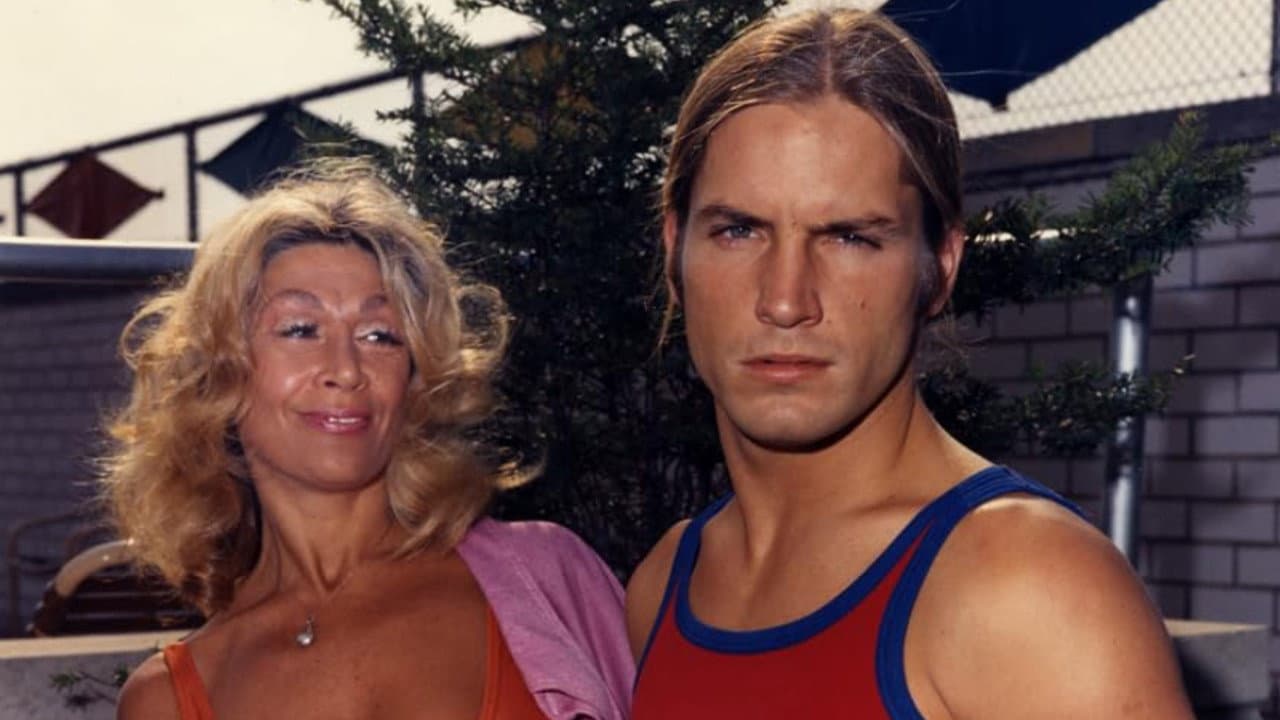
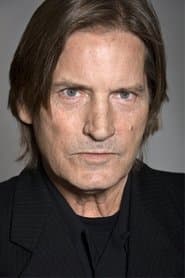
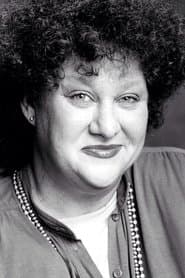
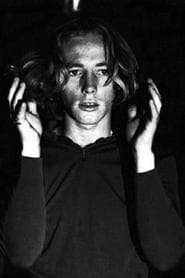
Heat arrived in 1972 as the third and final installment of what's now known as the Paul Morrissey Trilogy, following Flesh (1968) and Trash (1970)—all produced by Andy Warhol Productions. Director Paul Morrissey, working with composer John Cale (of The Velvet Underground), created something deliberately conceived as a parody of Billy Wilder's Sunset Boulevard, that 1950 masterpiece about a desperate screenwriter and a delusional silent-film star. But where Wilder's film is Gothic and tragic, Heat is absurdist and darkly funny. The film stars Warhol superstars Joe Dallesandro (who'd become the closest thing to a leading man in Warhol's circle), Sylvia Miles as the needy Sally, and Andrea Feldman. Miles was already known for her role in Midnight Cowboy, released just two years earlier, and her performance here—all theatrical desperation and emotional manipulation—anchors the film's satirical energy. The production was low-budget, shot with the grainy texture that defined Warhol's aesthetic, and it didn't set the box office on fire. But it found its audience among critics and cinephiles who recognized what Morrissey was doing: using Warhol's Factory sensibility to eviscerate Hollywood's myth-making machinery. Movie OTT tracks where classic independent and experimental films like Heat are currently streaming across platforms, making it easier to catch up on cinema history.
What makes Heat stand out: Performance, satire, and the spaces between the jokes
What's striking about Heat is that it doesn't feel like it's punching down at these characters—it's more that Morrissey holds up a mirror and lets them punch themselves. Sylvia Miles' Sally is pathetic in the truest sense: she's not evil, she's just so desperate to matter again that she'll debase herself completely, and the film watches this with something close to compassion, even as it's laughing. Joe Dallesandro, who'd been a Warhol fixture, brings a kind of blank handsomeness to Joe Davis that's perfect for the role. He's not a great actor, but that's almost the point—he's a beautiful void that everyone else projects onto. The satire works because the film doesn't announce itself. There's no winking at the camera, no heavy-handed message about the emptiness of fame. It just shows you people behaving badly in a tacky mansion and lets you draw your own conclusions.
The thing nobody mentions is how genuinely uncomfortable Heat can be to watch. There's a scene where Sally essentially prostitutes Joe to a wealthy woman to try to get him an audition, and it's played with this matter-of-fact cruelty that feels almost documentary-like. The film's 102 minutes don't drag, but they don't exactly fly by either—you're meant to sit with these people and their dysfunction. It's not a film that tries to be likable. It's trying to be honest, or at least honest in the way that Warhol and Morrissey understood honesty: as the collision between desire, delusion, and the camera's cold gaze. The IMDb rating of 5.9/10 probably reflects how divisive it remains—some viewers find it brilliant, others find it tedious, and that tension itself is kind of the point.
Where to stream Heat online
Heat is available on major OTT services, and you can check the Where to Watch widget at the top of this page to see which platforms currently have it in your region. Streaming availability shifts, so what's available today might not be tomorrow, but the good news is that classic experimental cinema like this—especially Warhol-adjacent work—has become easier to access in recent years. If you're a subscriber to multiple services, it's worth checking where it's landed, since the film rewards the kind of patient, deliberate viewing that streaming platforms actually enable. You're not watching this in a theater with a crowd; you're sitting alone with these characters, which is exactly how it should be experienced.
Frequently asked questions
Q: Is Heat based on a true story?
No, Heat is an original screenplay conceived as a parody of Sunset Boulevard. However, the desperation and delusion it portrays—actors chasing roles, older stars clinging to relevance—reflects real dynamics in Hollywood that Morrissey observed directly.
Q: Who directed Heat?
Paul Morrissey directed Heat, with production by Andy Warhol. Morrissey was the key creative force behind the Warhol Trilogy, though Warhol's Factory aesthetic and sensibility permeate the entire film.
Q: Is Heat part of a larger series?
Yes. Heat is the final film in the Paul Morrissey Trilogy, which also includes Flesh (1968) and Trash (1970). All three were produced by Andy Warhol Productions, though they aren't narratively connected.
Q: How long is Heat?
The film runs 102 minutes, making it a fairly standard feature length, though it feels longer due to its deliberate pacing and refusal to provide easy emotional catharsis.
Q: Where can I watch Heat?
Heat is currently available on major OTT services. Check the Where to Watch widget on this page for real-time availability in your region, as streaming rights change frequently.
Final thoughts on Heat
Heat isn't a film for everyone, and that's not a weakness—it's a feature. If you're drawn to experimental cinema, to Warhol's world, or to satire that doesn't announce itself, you'll find something genuinely unsettling here. It's a film that respects your intelligence enough to not explain its own jokes. Rewatching it now, decades later, what's remarkable is how little has changed about Hollywood's desperation, how the hunger for relevance and the willingness to debase yourself for a chance remain constant. That's the real horror Heat is trafficking in—not that these characters are grotesque, but that they're not. They're just people, and that's what makes it stick with you long after the credits roll.