







The Story of Bori and Her Divided World
Bori is an 11-year-old girl living in a seaside village where silence has its own grammar. She's the only hearing member of her family—a fact that sounds simple on the surface but carries the weight of every unheard conversation, every missed joke, every moment when she's simultaneously the bridge and the barrier. As an elementary school student navigating friendships, schoolwork, and the ordinary chaos of childhood, Bori finds herself caught between two languages: the spoken world of her peers and classmates, and the sign language that's native to her parents and family. That gap between worlds—it's not dramatic or tragic in the conventional sense, but it's achingly real. The film doesn't lean on melodrama. Instead, it observes the small, grinding difficulty of being the translator in your own home, the cultural interpreter who can't fully belong to either side.
Behind the Making of Bori and Its Artistic Foundation
Bori arrived in 2020 from Jinjin Pictures, a production company known for intimate, character-driven work that doesn't chase easy sentiment. The film runs 110 minutes, a lean runtime that respects its audience's intelligence—there's no padding here, no manufactured subplot to stretch the narrative. At an IMDb rating of 7/10, Bori has earned genuine appreciation from viewers who recognize something authentic in its portrayal of deaf family life and the specific isolation that comes with being the hearing outlier. What's striking is that Bori doesn't center the family's deafness as the story's central conflict or problem to be solved. Instead, the film treats sign language and deaf culture as simply how this family communicates, how they live, how they love—and it's Bori's entry into adolescence, her growing connection to the hearing world, that creates the actual tension. The production values are understated, which serves the story well; there's no melodramatic score swelling to tell you how to feel. You're watching real people in real moments, which makes the emotional stakes land harder when they do arrive.
What Makes Bori Stand Out Among Family Dramas
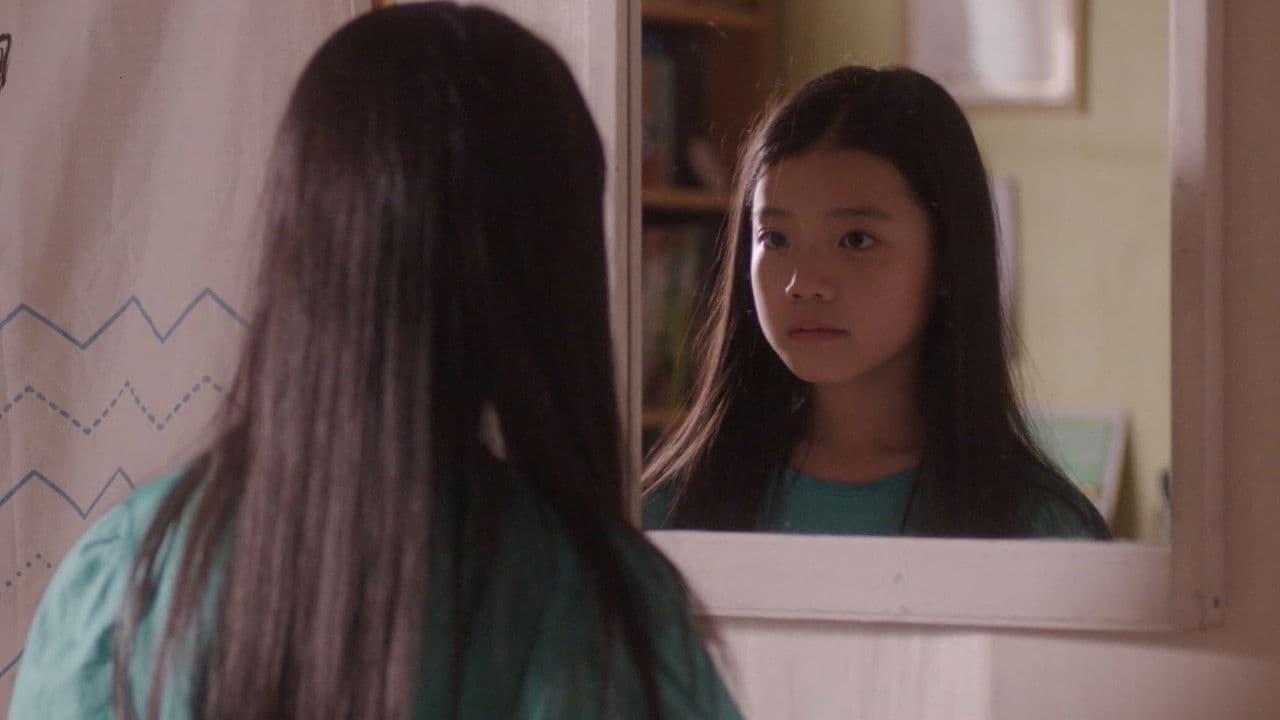
Here's what nobody mentions when they talk about coming-of-age films: most of them center kids who fit neatly into their family's world. Bori doesn't have that luxury. The film captures something genuinely difficult about childhood—the moment when you realize your parents' world isn't quite your world, and you're not sure which one you belong to. What's striking is how the camera lingers on Bori's face during family dinners, during sign-language conversations she can see but not fully participate in, during moments when her friends' voices fade and she's left watching her family communicate in a language that's visible but not audible to anyone but them. The performances anchor everything; there's no showiness here, no child actor reaching for tears or big emotional beats. Instead, what you get is restraint, observation, the kind of acting that trusts the audience to understand loneliness without being told. The film's emotional core comes from the official tagline itself—a parent's reassurance that their hearing child's ability to hear doesn't change how they're loved, doesn't make them more or less their daughter. But the movie knows that reassurance, however genuine, can't fully resolve the gap that language creates. It's a film about love that can't quite bridge difference, no matter how hard everyone tries.
Where to Stream Bori Online
Bori is currently available on major OTT services, and you can check the Where to Watch widget at the top of this page to see exactly which platforms are carrying it in your region right now. Streaming availability shifts constantly—what's on one service today might move next month—so Movie OTT keeps that information current so you don't have to hunt across five different apps. If you've been looking for a film that treats deaf family life with genuine respect rather than inspiration-porn sentimentality, Bori's easy to access and worth the 110 minutes of your time. The film doesn't demand a huge emotional investment in the way some prestige dramas do; it's quiet, it's observant, and it trusts you to find the meaning in small moments.
Frequently asked questions
Q: Is Bori based on a true story?
The film draws on authentic experiences of deaf families and hearing children within those families, though it's not a direct adaptation of one person's life. The specificity of Bori's emotional journey—the particular loneliness of being the hearing bridge in a deaf household—comes from real lived experience, even if the character herself is fictional.
Q: Who directed Bori?
Bori was produced by Jinjin Pictures, a company focused on character-driven dramas that explore family and identity with nuance and restraint rather than melodrama.
Q: Does Bori require subtitles?
Yes, the film includes sign language, and subtitles are essential for understanding the full dialogue and narrative. Most streaming platforms offer subtitle options; check your service's accessibility settings.
Q: What's the runtime of Bori?
The film runs 110 minutes, a tight runtime that moves without unnecessary padding or subplot detours.
Q: Is Bori appropriate for children?
Bori is a family drama with no explicit content, though its themes of isolation and identity might resonate more strongly with older kids and teens. Younger viewers might find it slow-paced, as the film prioritizes observation over action.
Who Should Watch Bori
Bori is for anyone who's ever felt caught between two worlds, who's translated more than language, who knows what it means to love people you can't fully understand. It's not a feel-good film wrapped in inspiration; it's honest about the limits of love and communication. If you're drawn to intimate family dramas that trust their audience, that don't spell out emotions or manufacture conflict, Bori deserves your time. It's the kind of film that lingers quietly after the credits roll.