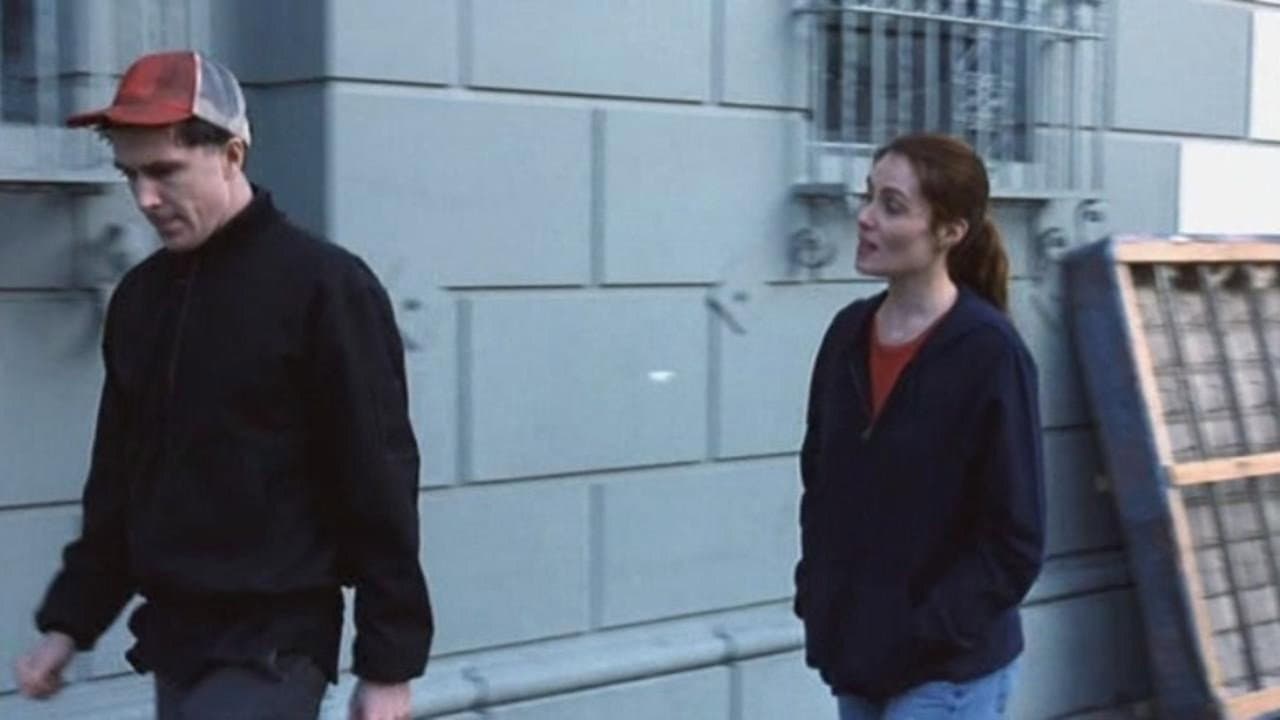









The story of Buddy Boy
Buddy Boy follows an introverted man trapped in the mundane horror of domestic caregiving—he's stuck looking after his invalid mother in their cramped, suffocating home. To escape the tedium and emotional weight of his daily routine, he turns to voyeurism, training his gaze (and his camera) on his neighbor across the way. What starts as a distraction becomes an all-consuming obsession. The film doesn't shy away from the moral murk of its premise; it's a portrait of someone so starved for connection, so desperate to feel alive, that he'll violate another person's privacy to do it. The tension builds quietly at first, then accelerates into something far darker and more unhinged.
Behind the making of Buddy Boy
Buddy Boy premiered at the 56th Venice International Film Festival in 1999, marking an ambitious debut for writer-director Mark Hanlon. The film emerged from the independent production landscape, backed by Independent Pictures and Woods Entertainment—companies committed to challenging, character-driven cinema that didn't require studio machinery. Aidan Gillen, who'd already shown his range in television and smaller film roles, anchors the entire picture as the protagonist; his ability to convey creeping psychological unraveling without resorting to histrionics proved essential to the film's credibility. Emmanuelle Seigner and Susan Tyrrell round out the cast, with Tyrrell delivering a particularly haunting turn as the mother—bedridden, demanding, and somehow both victim and tormentor. The 105-minute runtime allows Hanlon to build dread methodically rather than rush toward sensationalism. While the film didn't achieve mainstream box office success, its Venice premiere positioned it as a serious artistic statement, the kind of indie thriller that finds its audience through word-of-mouth and retrospective discovery rather than multiplexes.
What makes Buddy Boy stand out
Here's what strikes me about Buddy Boy: it refuses the easy comfort of moral judgment. You're watching someone commit a genuinely invasive act, yet the film doesn't let you simply condemn him—it forces you to understand the desperation that drives him, the way isolation can warp a mind until voyeurism starts to feel like the only available form of intimacy. Gillen's performance is deliberately unglamorous; there's no charisma here, no roguish charm to seduce the viewer into rooting for a "likable" protagonist. Instead, he's awkward, resentful, pale from indoor confinement—a man whose loneliness has become so complete it's almost a physical presence. What's equally uncomfortable is the film's refusal to let his mother off the hook either. She's not simply a sympathetic invalid; she's manipulative, demanding, weaponizing her illness to keep her son tethered to her. The psychological claustrophobia of their relationship—the way she needs him and resents him simultaneously—creates the pressure cooker that sends him searching for an escape through his neighbor's window. Hanlon's direction favors lingering shots, uncomfortable silences, and a color palette that feels drained and stale. The cinematography mirrors the protagonist's internal state: trapped, gray, suffocating. It's not a film designed to entertain; it's designed to unsettle and to make you complicit in your own voyeurism as a viewer.
Where to stream Buddy Boy online
Buddy Boy is available on major OTT services, and Movie OTT maintains a comprehensive, up-to-date tracker of exactly where you can find it right now. Streaming availability shifts frequently depending on licensing agreements and regional rights, so rather than assume Netflix or Prime Video have it today, check the Where to Watch widget at the top of this page—it'll show you every platform currently carrying the film in your area. If you're hunting for unsettling indie thrillers that don't get the mainstream attention they deserve, Movie OTT's streaming aggregator makes it easy to discover where these kinds of films live across the streaming landscape.
Frequently asked questions
Q: Who directed Buddy Boy?
Mark Hanlon wrote and directed Buddy Boy as his feature debut. The film premiered at the Venice International Film Festival, establishing Hanlon as a director willing to explore uncomfortable psychological territory without flinching.
Q: Where can I watch Buddy Boy?
Buddy Boy streams on major OTT platforms. Use the Where to Watch widget on this page to see current availability in your region, as licensing agreements shift over time.
Q: What is Buddy Boy's IMDb rating?
Buddy Boy holds a 4.857/10 rating on IMDb, reflecting its divisive reception—some viewers find it a bold psychological study, while others find it too bleak or exploitative in its subject matter.
Q: How long is Buddy Boy?
The film runs 105 minutes, giving director Mark Hanlon enough time to build psychological tension methodically without padding the narrative.
Q: Is Buddy Boy based on a true story?
Buddy Boy is a fictional narrative written by Mark Hanlon, though it draws on very real psychological phenomena around isolation, caregiving burden, and voyeurism. The specificity of its character work suggests research or lived observation, but it's not adapted from a particular true crime case.
Final thoughts on Buddy Boy
Buddy Boy isn't a film for everyone—it's deliberately uncomfortable, morally ambiguous, and allergic to neat resolution. But if you're drawn to indie cinema that trusts its audience to sit with psychological complexity, that doesn't need a hero or a villain to justify its existence, then it's worth seeking out. Gillen's performance alone justifies the watch. The film remains a reminder that some of the most provocative work in cinema comes not from major studios but from independent producers willing to take real risks. Don't expect catharsis. Do expect to feel something unsettling when the credits roll.