The story of Children No More: Were and Are Gone
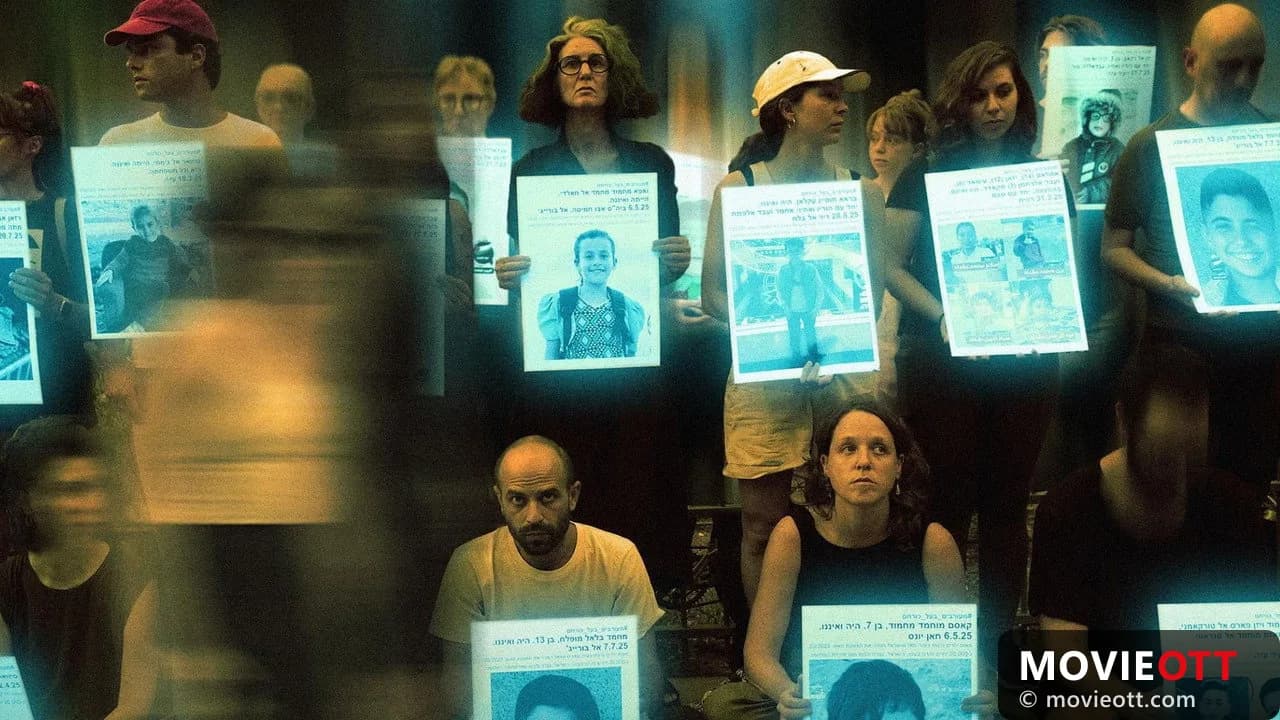
Children No More: Were and Are Gone presents a heartrending exploration of the ongoing conflict in Gaza through the eyes of activists in Tel Aviv. The documentary captures the somber yet powerful weekly vigils held to honor the children whose lives have been tragically cut short due to violence. In a world often overwhelmed by political rhetoric, this film distills the essence of personal loss and communal mourning into a compelling visual narrative. The 30-minute runtime is both a meditation on grief and a call for awareness, as it captures the resilience of those who refuse to be silent in the face of such profound tragedy.
Behind the making of Children No More: Were and Are Gone
Children No More: Were and Are Gone comes from a collaboration of notable production companies, including Full Story Films, Salty Features, Medalia Productions, and Sky. This documentary has already received attention for its sensitive portrayal of a complex subject, garnering an IMDb rating of 7.1/10. While it may not have been a box office juggernaut, its impact is felt deeply in the communities it represents. The film’s artistic direction and production value reflect a commitment to authenticity, ensuring that the voices of the activists and the stories of the children resonate with viewers. Through careful cinematography and poignant storytelling, the filmmakers shine a light on the human cost of conflict, emphasizing the urgent need for dialogue and understanding.
Why Children No More: Were and Are Gone resonates
What makes Children No More: Were and Are Gone stand out is its emotional honesty and the universal themes of loss and advocacy. Critics have praised the documentary for its ability to convey a profound message without the need for sensationalism. The quiet intensity of the vigils, juxtaposed against the backdrop of conflict, serves to underline the stark reality facing many individuals caught in the crossfire. The film’s focus on the children lost in this conflict invites viewers to reflect on the broader implications of war, making it not just a local issue but a global one. Reviewers have highlighted the film's ability to evoke empathy and provoke thought, urging audiences to consider their own roles in the ongoing discourse surrounding such crises.
Where to stream Children No More: Were and Are Gone
Viewers interested in experiencing this impactful documentary can find Children No More: Were and Are Gone on major OTT services, making it accessible for a wide audience. You can check out the “Where to Watch” widget at the top of this page for a comprehensive list of platforms currently streaming this title. Whether you choose to watch it at home or on the go, this documentary is a must-see for anyone interested in the human stories behind geopolitical issues.
Frequently asked questions
Q: Where can I watch Children No More: Were and Are Gone?
You can watch Children No More: Were and Are Gone on various major OTT platforms. Check the “Where to Watch” section for specific details on availability.
Q: Who directed Children No More: Were and Are Gone?
The documentary was directed by a talented team committed to capturing the poignant realities of activism and loss in the context of the Gaza conflict.
Q: Is Children No More: Were and Are Gone based on a true story?
Yes, the documentary is based on real events and showcases the genuine protests held by activists in Tel Aviv, making it a powerful reflection on current issues.
Q: What is the runtime of Children No More: Were and Are Gone?
Children No More: Were and Are Gone has a runtime of 30 minutes, making it a succinct yet impactful viewing experience.
Q: What themes are explored in Children No More: Were and Are Gone?
The documentary explores themes of grief, loss, activism, and the impact of war on innocent lives, particularly focusing on children affected by the ongoing conflict.
Final thoughts on Children No More: Were and Are Gone
Children No More: Were and Are Gone is essential viewing for anyone interested in understanding the human side of conflict. The documentary's poignant portrayal of activism serves as a reminder of the power of collective mourning and the urgent need for change. We highly recommend this film for viewers looking to engage with critical social issues through a deeply personal lens.