The Story of Comedy's Dirtiest Dozen
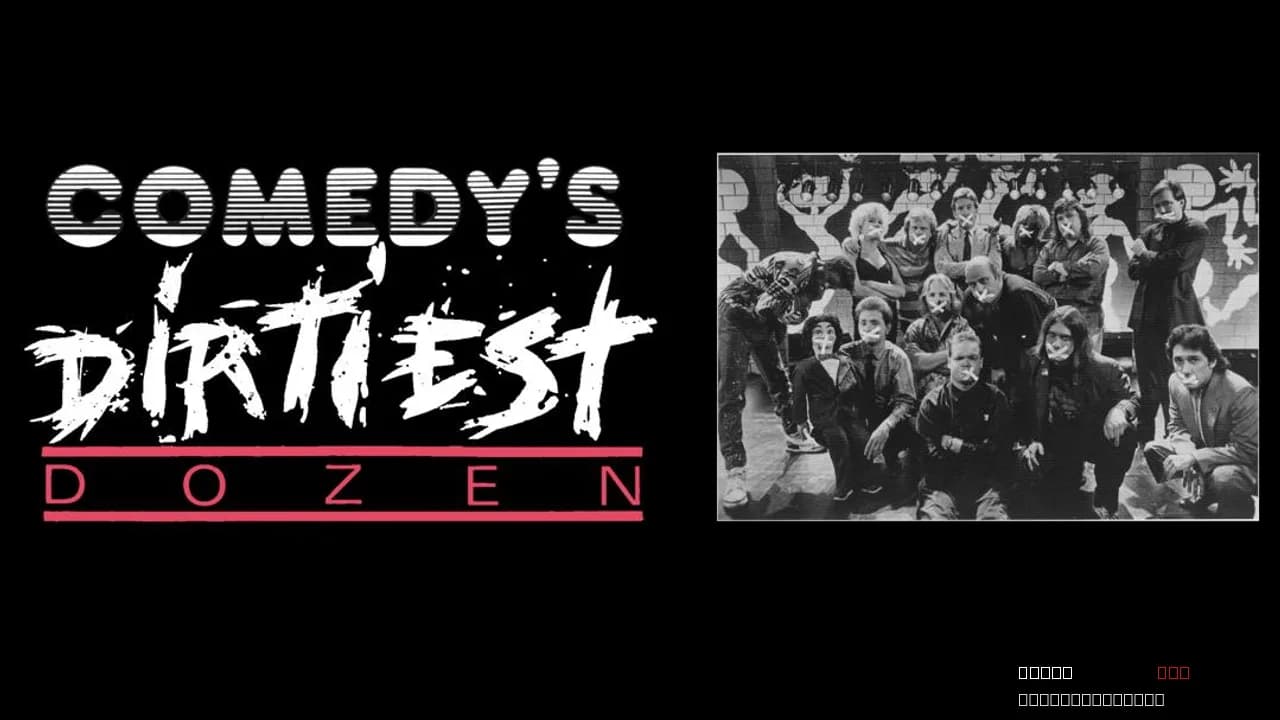
Comedy's Dirtiest Dozen is a 1988 stand-up concert documentary that captures twelve comedians—Tim Allen, Chris Rock, Bill Hicks, Jackie Martling, Monty Hoffman, Steven Pearl, Joey Gaynor, Larry Scarano, Stephanie Hodge, Thea Vidale, John Fox, and Otto Peterson—performing at their absolute rawest. Directed by Leonard Wong and running 90 minutes, the film functions less as a polished comedy special and more as a genuine snapshot of what was happening in comedy clubs across America during the late 1980s. The material is explicit, unfiltered, and often uncomfortable—exactly what the title promises. Ben Creed serves as the film's emcee, threading together the various performances into something resembling a cohesive evening. What you're watching isn't a greatest-hits compilation; it's a document of comedians still figuring out who they were, before fame and network notes would sand down their edges.
Behind the Making of Comedy's Dirtiest Dozen
The film arrived at a pivotal moment in comedy history. The late 1980s saw stand-up transitioning from late-night TV appearances and HBO specials into something more theatrical and filmed. Comedy's Dirtiest Dozen captured this shift—it wasn't quite a traditional concert film in the way you'd think of Richard Pryor or George Carlin documentaries, but it wasn't a TV special either. What's striking is the cast roster itself: Tim Allen was still years away from Home Improvement, Chris Rock hadn't yet become the Saturday Night Live fixture who'd eventually dominate the industry, and Bill Hicks was still building the cult following that would define his tragically short career. The film served as a launching pad for several of these performers, though not all of them would go on to household-name status. Jackie Martling, who'd later become famous as Howard Stern's radio sidekick, gets significant screen time here. Monty Hoffman, Steven Pearl, and the others—some would carve out solid careers in comedy; others would fade from public view. The documentary aspect of the film, that willingness to showcase a dozen different voices and styles rather than focusing on one or two headliners, gives it an almost anthropological quality. You're seeing comedy as a working art form, not as entertainment product.
The production itself was modest by today's standards. Shot on video in that distinctly grainy '80s aesthetic, the film doesn't try to hide its concert-documentary roots—no fancy lighting rigs, no post-production gloss. It's direct, sometimes even rough around the edges, which actually works in its favor. The MPAA rating (though not explicitly stated in available records) would certainly have been restrictive given the material on display—profanity, sexual content, and edgy social commentary flow throughout. Box office performance for stand-up concert films was never particularly robust, and Comedy's Dirtiest Dozen likely found its audience through cable TV airings and rental markets rather than theatrical runs. That's part of what makes it feel so authentic now: it wasn't made for blockbuster success, but for comedy fans who wanted to see real comedians doing real work.
Why Comedy's Dirtiest Dozen Stands Out in Stand-Up Cinema
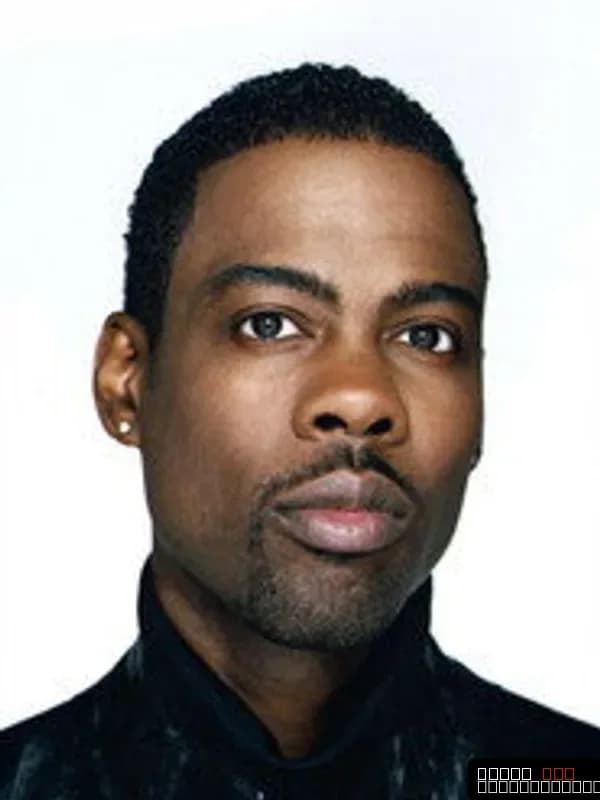
What makes Comedy's Dirtiest Dozen work—what keeps it watchable nearly four decades later—is the sheer variety of comedic voices on display. Not every joke lands. That's actually the point. You're seeing comedians at different stages of development, with different sensibilities and targets. Chris Rock's sections already show flashes of the social commentary that would define his career; Bill Hicks pushes boundaries in ways that feel genuinely transgressive rather than merely crude; Tim Allen mines observational humor from everyday frustration. The performances aren't uniformly polished, and they don't need to be. There's something honest about watching a comedian bomb slightly or adjust on the fly—you see the craft beneath the punchlines.
The thing nobody mentions is how the film functions as a time capsule of what was considered edgy in 1988. Some of the material feels dated now (inevitably), but other bits—particularly Hicks' social and political commentary—hold up with surprising power. The documentary format means you're not getting edited-for-TV versions of these sets; you're getting the full, uncut performances. That rawness is both the film's greatest strength and its most significant liability. Critics have given it a middling IMDb rating of 5.8/10, which probably reflects the uneven nature of having twelve different comedians sharing the same runtime—not everyone connects with every performer, and that's fine. What matters is that the film captures a specific moment in comedy history when these voices were hungry, unconstrained, and still figuring out exactly what they wanted to say. Movie OTT helps track down where films like this—cult documentaries and concert films that don't always get wide distribution—are currently streaming, which can be harder than you'd think with older material.
Where to Stream Comedy's Dirtiest Dozen Online
Comedy's Dirtiest Dozen is currently available to stream on Prime Video, making it accessible to anyone with an Amazon Prime subscription. That's the main place you'll find this 1988 documentary right now. Given its age and niche appeal, it doesn't rotate through as many platforms as newer releases do, so if you're interested in watching it, Prime Video is your most reliable option. The Where to Watch widget at the top of this page will show you the current availability in real time—streaming rights shift constantly, so it's worth checking there before you settle in for a viewing. If you're a comedy historian or just curious about where some of these comedians came from before they became famous (or infamous), the effort to track it down on Prime is worth it. Movie OTT tracks current streaming availability across major platforms, so you'll always know exactly where to find titles like this without having to hunt across multiple apps.
Frequently asked questions
Q: Who directed Comedy's Dirtiest Dozen?
Leonard Wong directed the film. It's a straightforward concert documentary that doesn't try to be anything more than a filmed record of twelve comedians performing their sets.
Q: Is Comedy's Dirtiest Dozen based on a true story?
No—it's a documentary concert film, meaning it's a real recording of actual stand-up performances. Everything you're watching happened; there's no scripted narrative or fictional framing.
Q: How long is Comedy's Dirtiest Dozen?
The film runs 90 minutes, which gives each of the twelve comedians roughly 7-8 minutes of screen time on average, though some get more and some less depending on the edit.
Q: Where can I watch Comedy's Dirtiest Dozen?
Comedy's Dirtiest Dozen is currently available on Prime Video. Check the Where to Watch widget on this page for the most up-to-date streaming availability.
Q: Did any of the comedians in Comedy's Dirtiest Dozen become famous?
Yes—Tim Allen went on to star in Home Improvement and had a major film career; Chris Rock became an SNL cast member and went on to dominate stand-up and film; Bill Hicks built a legendary cult following before his death in 1994. Others in the film had solid comedy careers without reaching the same level of mainstream recognition.
Final Thoughts on Comedy's Dirtiest Dozen
Comedy's Dirtiest Dozen isn't a perfect film—the uneven performances and dated material keep it from being universally appealing—but it's genuinely valuable as a historical document. You're watching comedians before the machinery of fame polished them down, before network notes and studio notes and brand consultants got involved. That's rare. It's worth watching if you care about comedy history, or if you want to see Chris Rock and Bill Hicks in their hungry years, or if you're just curious about what stand-up looked like in 1988. Don't expect every joke to kill. Expect something real instead.