



The Descent into Despair: Unpacking the Story of Lost Angels
Lost Angels, released in 1989, plunges viewers headfirst into the opulent yet hollow world of Tim, a young man from the affluent enclaves of Los Angeles. His life, seemingly perfect from the outside—filled with "Fast cars. Big homes. Wild parties. They had everything. And nothing to lose." as the official tagline so aptly puts it—shatters following his parents' acrimonious divorce. This seismic shift sends Tim spiraling into a profound cycle of despair, a void he desperately tries to fill with self-destructive behavior, including substance abuse and general delinquency. His reckless actions soon earn him an involuntary ticket to a psychiatric asylum. Here, amidst the sterile environment and forced introspection, a glimmer of hope emerges in the form of a psychiatrist who takes a keen interest in his case. The core question becomes whether Tim can, or even wants to, extricate himself from the muck of teenage rebellion and profound ennui that has consumed him.
Behind the Scenes of Lost Angels: Cast, Crew, and Craft
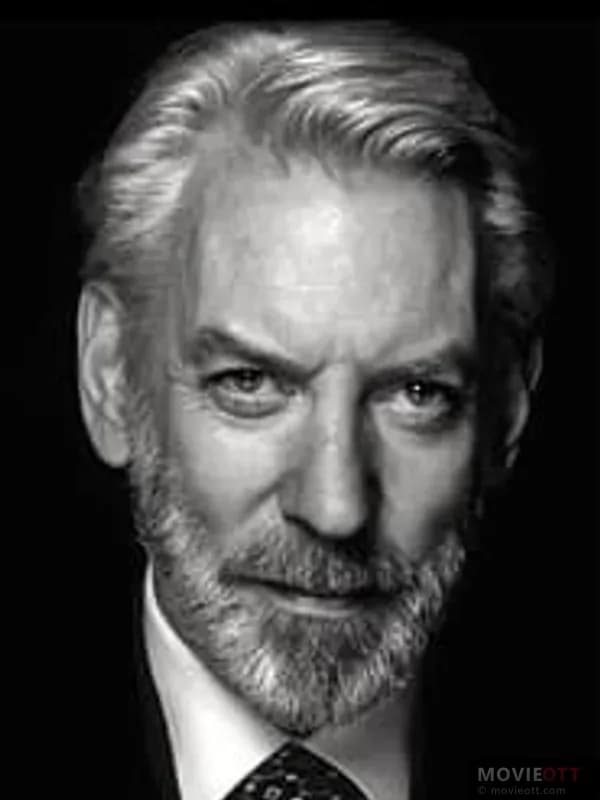
The creation of Lost Angels brought together an intriguing mix of talent, reflecting its independent spirit. The film was directed by Hugh Hudson, an acclaimed British filmmaker known for his visually striking work, here tackling a distinctly American narrative of suburban malaise. The screenplay was penned by Michael Weller, a writer with a strong theatrical background, celebrated for his contributions to notable works like Ragtime and Hair. This pedigree hints at a script with a keen eye for character and dialogue, even if the film's IMDb rating sits at a modest 6.1/10, suggesting it didn't quite achieve universal critical acclaim upon its debut. What really catches the eye, though, is the casting. The film stars the venerable Donald Sutherland, a seasoned actor whose presence always lends gravitas to any project, in the pivotal role of the psychiatrist. Opposite him, in his first major acting role, is Adam Horovitz—better known to music fans as Ad-Rock from the iconic hip-hop group the Beastie Boys. It’s a bold choice, almost audacious, that speaks to the filmmakers' willingness to take risks. Horovitz's raw, untamed energy likely brought an authentic, if unpolished, edge to his portrayal of the troubled Tim, a decision that still fascinates film buffs and music enthusiasts alike. Clocking in at 116 minutes, the drama takes its time to explore the complexities of Tim's predicament, allowing for a deep dive into his character's psyche. Movie OTT often highlights such unique casting decisions in its editorial pieces, underscoring how they can shape a film's identity.
Why Lost Angels Still Resonates: Themes and Performances
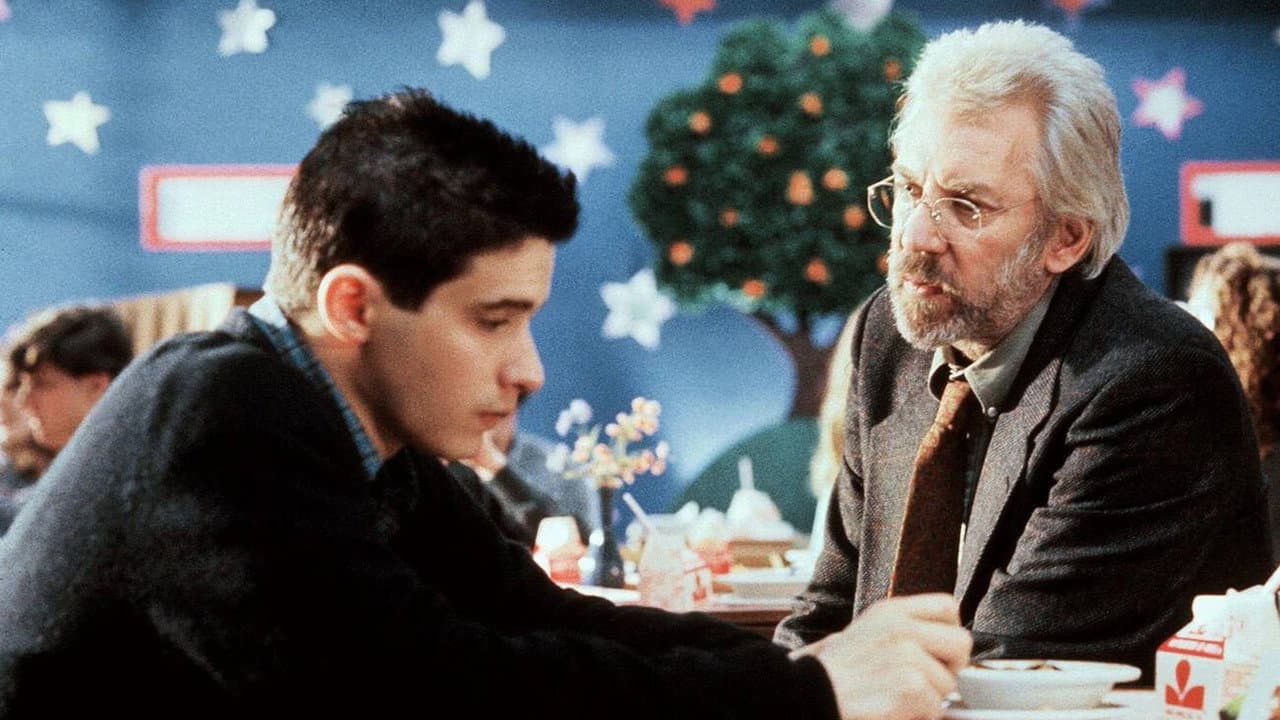
What makes Lost Angels stand out, despite its less-than-stellar critical reception, is its unflinching gaze at the dark underbelly of privilege and the psychological toll of parental discord. The film doesn't shy away from depicting the messy, often ugly reality of a teenager struggling with profound emotional abandonment, even when surrounded by material wealth. Adam Horovitz, in particular, delivers a performance that, while perhaps rough around the edges, feels incredibly authentic. His Tim isn't just a spoiled brat; he's a young man in genuine pain, lashing out because he doesn't know how else to express his turmoil. I think the film really captures that specific brand of 80s ennui—a sense of emptiness despite outward prosperity—that was a hallmark of the era's youth culture. Donald Sutherland, as the psychiatrist, provides a much-needed anchor, his quiet intensity and empathetic demeanor a stark contrast to Tim's volatile outbursts. Honestly, their scenes together are the film's backbone, especially one particular moment where Tim, confined to the asylum, lashes out at Sutherland's character, dismissing his attempts to connect with a chillingly detached cynicism. It's a powerful exchange. The film’s energy—chaotic and desperate—mirrors Tim's internal state. As a film critic for The Los Angeles Times reportedly noted at the time, "A compelling, if at times unsettling, portrait of privilege unmoored, Lost Angels captures the raw angst of a generation navigating a world without clear moral compasses." That's a pretty accurate assessment, if you ask me. The narrative, while sometimes meandering through Tim's self-destructive phases and the often-unspoken anxieties of his wealthy, fractured family, eventually coalesces around his reluctant journey towards self-discovery, or at least, self-awareness, under the watchful eye of his unconventional therapist, who sees past the delinquent facade.
Where to Stream Lost Angels Online
For those looking to revisit this gritty 1989 drama or discover it for the first time, Lost Angels is currently available across various major OTT services. Finding out exactly where to watch it can sometimes be a puzzle, but that's where Movie OTT comes in handy. Our platform aggregates availability information, making it easy to locate films like Lost Angels without having to scour multiple streaming sites. You'll find all the current options listed in the "Where to Watch" widget prominently displayed at the top of this page. Whether you prefer to rent, buy, or subscribe, the widget provides a clear, up-to-date guide to accessing this independent drama. Don't waste time searching; we've done the legwork for you.
Frequently asked questions
Q: Who stars in the 1989 film Lost Angels?
The film Lost Angels features a notable cast, including veteran actor Donald Sutherland and Adam Horovitz, who is widely recognized as Ad-Rock from the Beastie Boys, in one of his first significant acting roles. Their dynamic performances are central to the film's narrative.
Q: What is Lost Angels about?
Lost Angels tells the story of Tim, a wealthy Los Angeles teenager whose life unravels after his parents' divorce. He turns to drugs and reckless behavior, eventually landing himself in a psychiatric asylum, where he begins a difficult journey of self-discovery with the help of a psychiatrist.
Q: When was Lost Angels originally released?
Lost Angels premiered in 1989. This places it firmly in an era known for its exploration of youth culture and social issues, making it a time capsule of sorts for late 80s cinema.
Q: Who directed Lost Angels?
The film Lost Angels was directed by Hugh Hudson. He is an English director, known for his work on several other dramas, bringing his distinct vision to this American story of teenage turmoil.
Q: What genre is Lost Angels?
Lost Angels is primarily classified as a drama. It delves into serious themes of family breakdown, mental health, and the struggles of adolescence, characteristic of the drama genre.
Is Lost Angels Worth Watching? A Final Recommendation
Lost Angels isn't a film that sugarcoats its subject matter. It's a raw, sometimes uncomfortable, look at the consequences of privilege and emotional neglect. While its 6.1/10 IMDb rating suggests it didn't become a universally beloved classic, its unique casting and bold thematic exploration make it a compelling watch for those interested in character-driven dramas. If you appreciate films that tackle difficult subjects with an earnest, albeit imperfect, approach, or if you're simply curious to see Adam Horovitz's early acting work alongside a master like Donald Sutherland, then this 1989 drama is definitely worth your time. Movie OTT recommends it for viewers seeking a thoughtful, if somber, reflection on youth in crisis.