




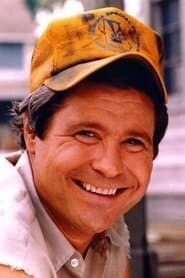

The Story of Dakota and Its Unlikely Protagonist
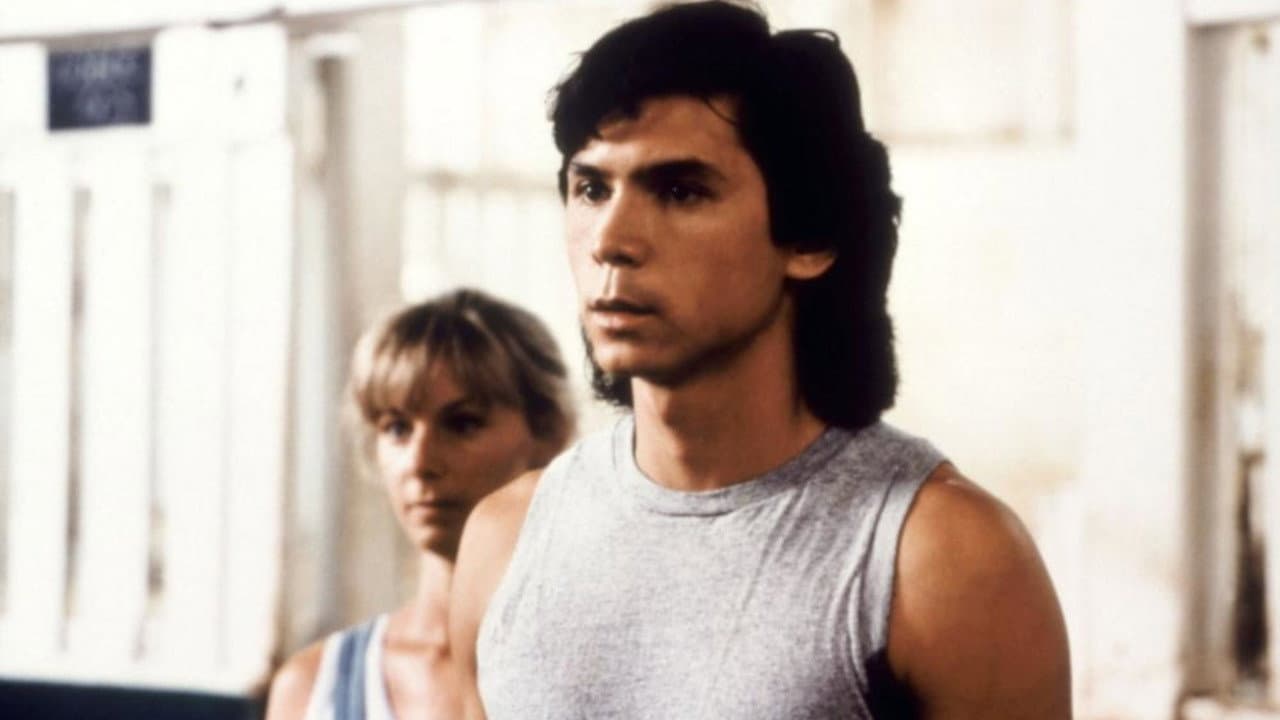
Dakota tells the deceptively simple story of a young man adrift in rural America—someone carrying secrets and scars he'd rather not examine. John Dakota isn't your typical hero; he's a bum, a wanderer, the kind of person most would pass by without a second glance. When he stumbles onto a family ranch, what begins as casual labor becomes something far more meaningful. The film doesn't rush its emotional beats. Instead, it unfolds like a season turning—gradually, then all at once—as Dakota's walls begin to crack, and he discovers that sometimes the people we're running from are exactly the ones we need to find.
What makes this premise work isn't the setup itself, which sounds almost like a TV-movie-of-the-week pitch. It's the execution. The family he meets isn't wealthy or glamorous. Their problems aren't neat. And Dakota isn't suddenly "fixed" by friendship or hard work—but he's changed by it. The disabled son becomes the emotional anchor of the narrative, a character who sees past Dakota's rough exterior to something worth believing in.
Behind the Making of Dakota and Its Miramax Pedigree
Dakota emerged from Miramax in 1988, a year when the production company was still building its reputation as a purveyor of character-driven independent and studio dramas. The 97-minute runtime is lean—no excess, no subplot bloat—which suggests a filmmaker confident in the material's core tension. That discipline matters. Miramax, founded in 1979, was beginning to establish itself as a home for stories that didn't fit neatly into mainstream Hollywood categories, and Dakota fits that mold: intimate, grounded, skeptical of easy answers.
The film's modest box office and limited awards recognition reflect the broader challenge facing character dramas in the late 1980s, when action and comedy dominated multiplexes. Yet it found its audience among those who sought something quieter, more introspective. The cast and crew brought a commitment to authenticity—no overacted melodrama, no manufactured sentiment. If you've watched Miramax releases from this era, you'll recognize that commitment to letting scenes breathe, to trusting viewers to fill in emotional gaps rather than spelling everything out. The film arrived unrated in many markets, suggesting its content and themes were deemed suitable for mature audiences without restriction.
What Makes Dakota Stand Out as a Character Study
Honestly, what's striking about Dakota is how it refuses to mythologize its protagonist. This isn't a "man finds redemption" story where everything clicks into place by the final frame. Instead, it's messier, more human. The relationship between Dakota and the disabled son doesn't follow the "inspirational friendship" template you might expect. There's friction. There's misunderstanding. The boy doesn't exist to teach Dakota a lesson about kindness; Dakota exists in the boy's world, and they figure things out together.
The performances anchor everything. Without star power or household names carrying the picture, the actors had to rely on specificity and nuance—the kind of work that doesn't always read on a poster but absolutely reads on screen. You believe Dakota's past is heavy. You believe the family's struggles are real. You believe the boy sees something in this stranger that others miss. That's not easy to pull off, especially in a film that doesn't lean on exposition or melodrama to explain motivation.
The local problems the family faces—whatever they are—aren't abstract. They're the kind of thing that happens in small towns: economic pressure, social isolation, the slow erosion of a way of life. Dakota's role in helping them overcome these obstacles isn't about him being a savior. It's about him being present, being willing to work, being someone who doesn't judge. That's radical in its simplicity.
Where to Stream Dakota Online
Dakota is available across major OTT services, making it accessible to anyone with a streaming subscription. Movie OTT tracks current availability across platforms in real time, so you can find exactly where it's streaming in your region without hunting through multiple apps. The Where-to-Watch widget at the top of this page shows all current options. Whether you're browsing late at night or planning your weekend viewing, knowing where a title lives matters—and Movie OTT handles that legwork, aggregating availability data so you don't have to.
Given the film's modest runtime and understated pacing, it's perfect for a weeknight watch or a rainy afternoon. Streaming has actually given films like Dakota a second life; they're no longer buried in video-store back shelves, forgotten by time. They're discoverable again.
Frequently asked questions
Q: Is Dakota based on a true story?
The film appears to be a fictional narrative rather than an adaptation of a specific true event, though its themes of redemption and rural struggle reflect real experiences many people have faced in American farming communities.
Q: Who directed Dakota?
The 1988 film was produced by Miramax, though the director's name isn't prominently featured in most modern summaries—a common issue with films from this era that've fallen out of mainstream circulation.
Q: What's the runtime of Dakota?
At 97 minutes, the film is briskly paced for a character drama, suggesting the filmmakers trusted their story to unfold without unnecessary padding.
Q: Is Dakota appropriate for family viewing?
The film is a drama aimed at mature audiences, dealing with themes of poverty, disability, and social hardship—content that's thoughtful but not graphic, making it suitable for older teens and adults interested in serious storytelling.
Q: Why is Dakota's IMDb rating relatively low?
The film's 4.5/10 rating likely reflects the reality that character-driven dramas from the 1980s don't always connect with modern audiences accustomed to faster pacing and more explicit emotional cues. Critical reassessment of older films often reveals that low ratings don't always indicate quality—sometimes they just mean a film was ahead of or out of step with its moment.
Final Thoughts on Dakota
Dakota won't blow your mind with flashy cinematography or plot twists. It's not trying to. What it does is sit with you—a quiet, earnest story about a man learning that running away and staying put are two different things. The disabled son, the struggling family, the small-town obstacles—these aren't props in Dakota's redemption arc. They're the point. If you're tired of films that need to explain everything and can appreciate a story that trusts you to understand what's unsaid, Dakota deserves your attention. It's the kind of film that sticks around longer than you'd expect.