

The Story of Don's Plum
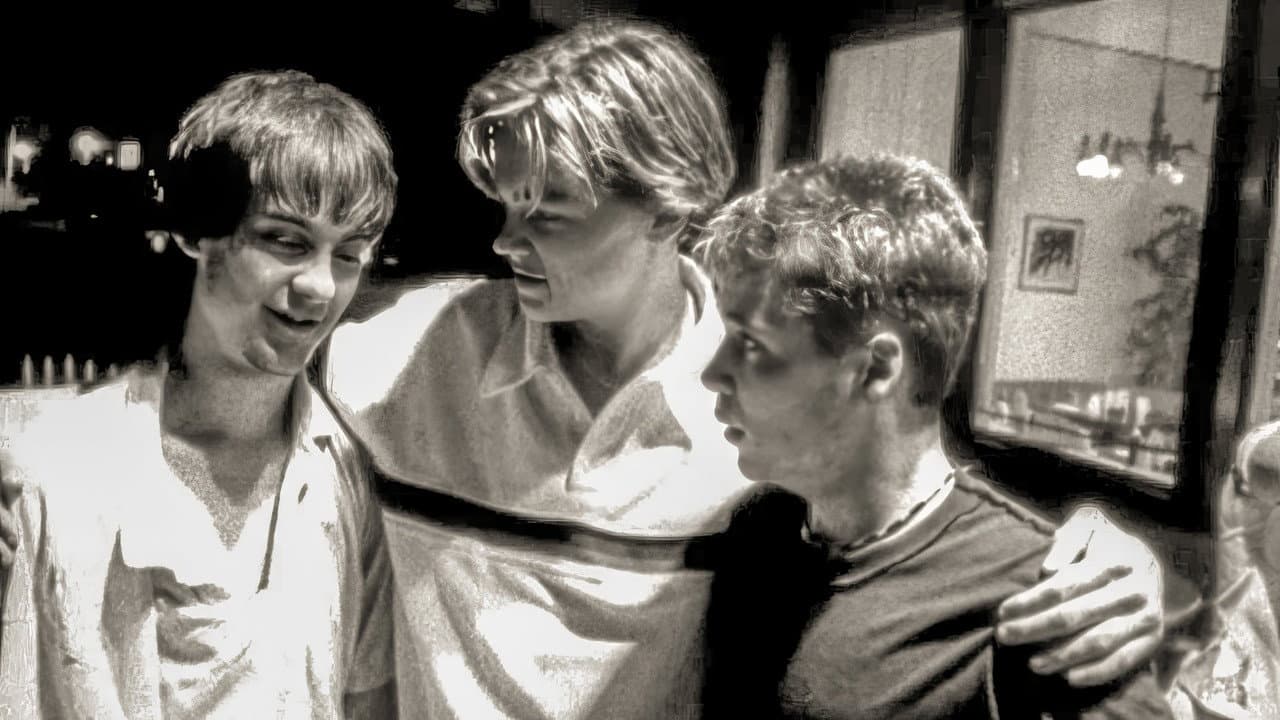
Don's Plum takes place over the course of a single night inside a Los Angeles diner—that kind of unremarkable booth-and-counter place where the coffee's always hot and the conversations run deeper than the menu. A group of young adults congregates here regularly, and tonight's special isn't on the specials board. It's group therapy, minus the therapist and the clinical setting. These aren't kids with their lives figured out. They're wrestling with relationships that don't work, ambitions that feel hollow, and the creeping sense that adulthood isn't turning out the way they imagined it would when they were younger. The film doesn't rely on plot momentum or dramatic reveals—it's a character study that trusts the audience to find drama in the mundane: a confession, a joke that lands wrong, the weight of silence between friends.
Behind the Making of Don's Plum
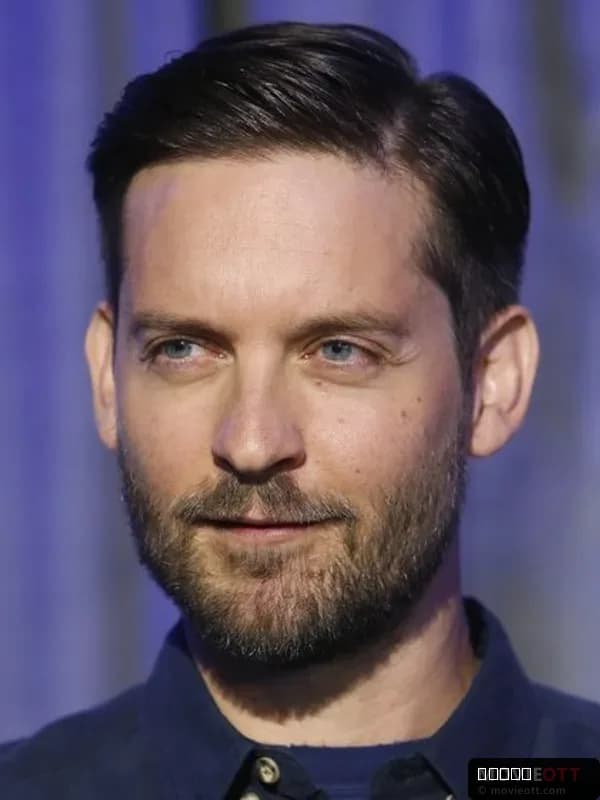
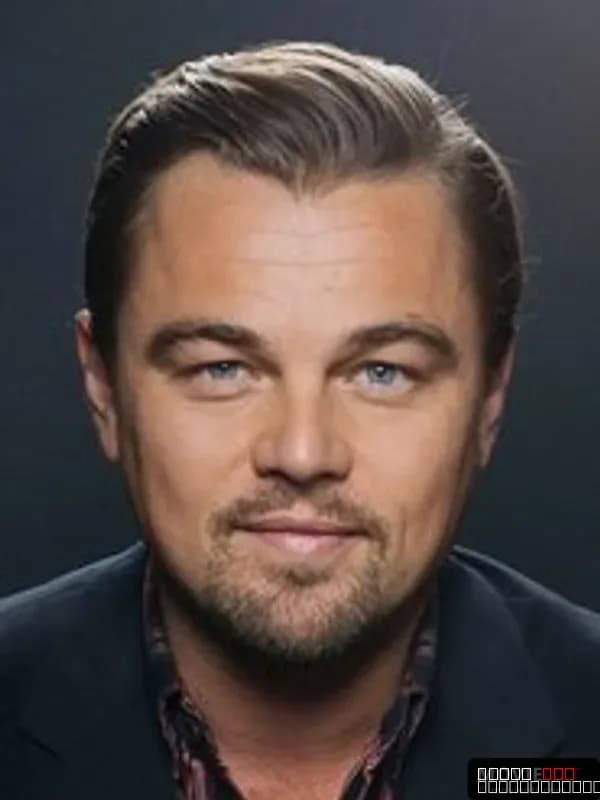
Here's where Don's Plum gets interesting from a production standpoint. Director R. D. Robb shot the film way back in 1995 and 1996, long before either Leonardo DiCaprio or Tobey Maguire became the A-list names they'd eventually be. At that point, DiCaprio had just wrapped Titanic (still unreleased), and Maguire was still climbing the ladder—neither was yet the bankable star who could greenlight projects or turn down roles. Robb co-wrote the screenplay with Bethany Ashton, Tawd Beckman, David Stutman, and Dale Wheatley, creating something genuinely collaborative and rooted in the experiences of those young writers. The film was produced by Polo Pictures Entertainment, Trust Film Svenska, and Zentropa Entertainments, a European-American partnership that gave it an indie sensibility despite the recognizable faces on screen. What's striking is the gap between when it was made and when it finally saw theatrical release in 2002—six or seven years of sitting on a shelf, which speaks to the precarious life of independent films in that era. The 108-minute runtime gives the film breathing room, something contemporary cinema doesn't always afford character-driven pieces. Shot in black and white, a deliberate aesthetic choice that strips away distraction and forces viewers to engage with performance and dialogue rather than visual spectacle.
What Makes Don's Plum Stand Out
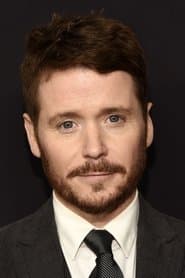
The performances anchor everything here. DiCaprio, Maguire, and Kevin Connolly carry the weight of the narrative—or rather, they carry the weight of not having much of a narrative at all, which is harder than it sounds. There's no plot twist waiting. No inciting incident that changes everything. Instead, what makes Don's Plum work is the way these actors inhabit their characters' frustration, humor, and vulnerability. They're playing versions of themselves at that age, or at least versions of people they knew, and that authenticity bleeds through even when the dialogue meanders or circles back on itself. I keep coming back to how the film trusts its audience. It doesn't spoon-feed emotion or manufacture epiphanies. These kids just sit in a diner and talk—about girls, about careers that won't materialize, about the gap between who they thought they'd be and who they actually are. That's the real subject. The IMDb rating of 5.4/10 suggests the film hasn't aged into critical consensus, but that's partly because it was ahead of its time in refusing conventional narrative satisfaction. It's a film about nothing happening, which means everything that does happen—a glance, a silence, a sudden burst of laughter—carries disproportionate weight. The black-and-white cinematography serves this purpose beautifully, creating an almost timeless quality that lets the dialogue and performances do the heavy lifting.
Where to Stream Don's Plum Online
Don's Plum is available on major OTT services, and you can check the Where to Watch widget at the top of this page to see exactly which platforms are currently streaming it in your region. Streaming availability shifts frequently, so Movie OTT tracks real-time platform data to save you the hassle of bouncing between services. Since Don's Plum is a 2002 indie drama that never became a mainstream blockbuster, it tends to live on specialty platforms and niche streaming services rather than the biggest mainstream aggregators. If you're hunting for it, start with the widget—it'll tell you whether it's on your subscription already or if you'll need to rent it separately. The film's modest profile means it won't always be front-and-center in recommendations, so knowing exactly where to find it matters.
Frequently Asked Questions
Q: Who directed Don's Plum?
R. D. Robb directed Don's Plum and co-wrote the screenplay with Bethany Ashton, Tawd Beckman, David Stutman, and Dale Wheatley. He crafted a character-driven indie drama that prioritized dialogue and performance over conventional plot mechanics.
Q: When was Don's Plum actually made versus released?
The film was shot in 1995 and 1996 but didn't reach theatrical release until 2002—a six-year gap that reflects the challenges independent films faced in getting distribution deals during that era.
Q: Is Don's Plum based on a true story?
Don's Plum isn't based on a specific true story, but the screenplay was written collaboratively by five writers drawing on their own experiences and observations of young adult life in Los Angeles. It has an autobiographical feel without being a direct adaptation.
Q: How long is Don's Plum?
The film runs 108 minutes, giving it enough time to let scenes breathe and conversations develop naturally without rushing toward plot beats.
Q: Why did Don's Plum take so long to come out?
Independent films from that era often struggled to secure distribution. The gap between production (1995–96) and release (2002) wasn't unusual for indie dramas, especially those without major studio backing, though the involvement of future stars like DiCaprio and Maguire should have helped.
Final Thoughts on Don's Plum
Don's Plum isn't a film for everyone—it's deliberately paced, emotionally restrained, and skeptical of easy answers. But if you're drawn to character studies that trust silence as much as dialogue, or if you're curious about seeing DiCaprio and Maguire before they became megastars, it's worth seeking out. The black-and-white cinematography and ensemble cast create something that feels genuinely lived-in. It's a time capsule of '90s indie sensibility, awkward and honest in ways that contemporary film often isn't. Movie OTT makes it easy to find where it's streaming right now, so there's no excuse not to give it a shot if it calls to you.