

The Story of Don't Worry Darling
Don't Worry Darling follows Alice, a woman living in Victory, an experimental company town that exists to house the men who work on a classified project—and by extension, their wives. On the surface, it's paradise: manicured lawns, pastel houses, cocktail parties, and the kind of 1950s-inflected domesticity that looks gorgeous in a photograph but starts to feel hollow under scrutiny. Alice's husband Jack works on something mysterious "out there" while she stays home, and she's encouraged not to ask questions. But cracks begin to form. Neighbors behave strangely. Her husband's explanations don't quite add up. And as Alice starts poking at the edges of her world, she realizes that Victory might be built on a foundation of lies—and that the man running it all, the charismatic Victor Woodley, may be orchestrating something far darker than anyone's been told. It's a setup that borrows from the paranoid-housewife playbook, and the first half of the film leans hard into that unease, revealing details in dribs and drabs to keep you off-balance.
Behind the Making of Don't Worry Darling
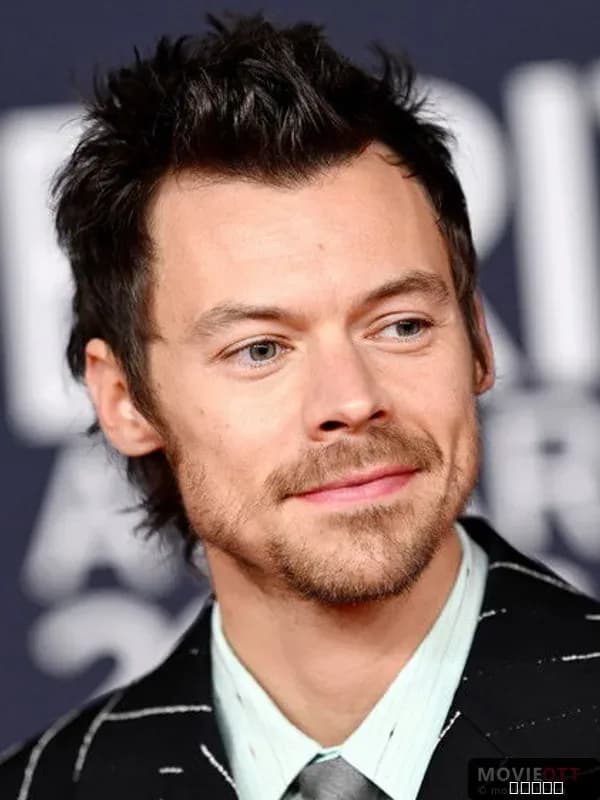
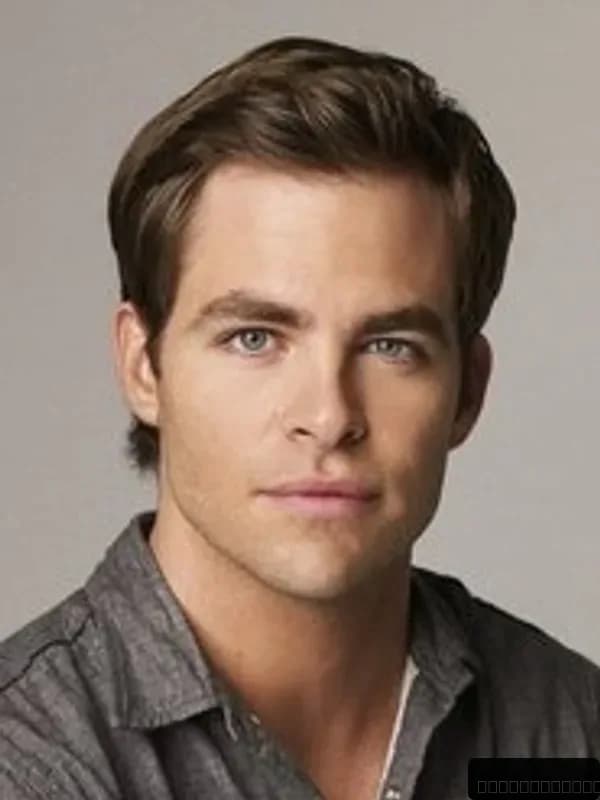
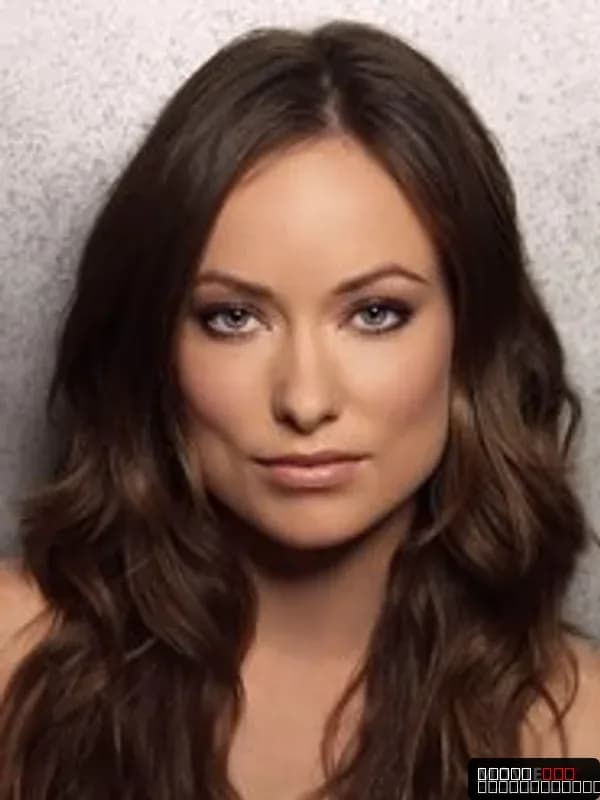
Don't Worry Darling is the second feature film from director Olivia Wilde, who also appears on screen in a supporting role. The screenplay was written by Katie Silberman, working from a spec script by brothers Carey and Shane Van Dyke. Wilde assembled a cast that blends established names with rising talent: Florence Pugh carries the film as Alice, while Harry Styles plays her husband Jack, Chris Pine commands the screen as the mysterious Victor Woodley, and supporting roles go to Gemma Chan, KiKi Layne, Nick Kroll, and Wilde herself. The film runs 122 minutes and arrived in theaters in September 2022, landing squarely in the prestige-thriller space—though it became as famous for off-screen drama and behind-the-scenes tension as for what actually appears on screen. The production drew significant media attention, and while the film earned its place in the cultural conversation, critical reception was decidedly mixed, with the film settling at a 6.4 rating on IMDb. That gap between anticipation and outcome is part of what makes Don't Worry Darling interesting to revisit now, especially when you can watch it without the noise.
What Makes Don't Worry Darling Stand Out
What's striking about Don't Worry Darling—at least in its opening act—is how confidently it commits to its aesthetic. The production design is immaculate. The color palette is all soft pinks, mint greens, and golden hour light that makes you want to live in Victory even as the script is telling you something's deeply wrong. Wilde's direction leans into that visual contradiction deliberately, and it works. Florence Pugh delivers a performance that anchors the entire film; she's got the intelligence and vulnerability to make Alice's dawning horror feel earned rather than manufactured. You believe her confusion because Pugh makes you feel it. Chris Pine, meanwhile, brings a kind of magnetic menace to Victor—he's charismatic and unsettling in equal measure, which is exactly what the role demands. The film also succeeds in building momentum through its middle section, as Alice's suspicions deepen and the town's cheerful facade starts to crack. The thing nobody mentions is that the first seventy minutes or so are genuinely compelling mystery-thriller work.
Where Don't Worry Darling stumbles is in the execution of its third act. The film introduces plot threads that it later abandons or leaves half-baked. Character arcs that seemed to matter suddenly don't. The ending, when it arrives, feels rushed and slightly hollow—as if the filmmakers knew what they wanted to say thematically but weren't quite sure how to land it dramatically. Some viewers found this frustrating enough to dismiss the whole thing; others, having invested in the atmosphere and the performances, were willing to forgive the structural wobbles. Movie OTT tracks where films like this end up after their theatrical run, and Don't Worry Darling's journey to streaming has given it a second life with audiences who can judge it on its own merits rather than through the lens of its production controversies.
Where to Stream Don't Worry Darling Online
Don't Worry Darling is currently available to stream on Prime Video. If you're looking to watch it, you'll find it there without a rental fee if you're a Prime subscriber. The film's 122-minute runtime makes it a solid evening watch—long enough to feel substantial, short enough that you won't need to commit an entire night. Since streaming availability can shift depending on your region and licensing agreements, it's worth checking the Where to Watch widget at the top of this page to confirm current availability in your area. Movie OTT keeps that information updated across all major platforms, so you'll always know exactly where to find what you're looking for.
Frequently Asked Questions
Q: Who directed Don't Worry Darling?
Olivia Wilde directed Don't Worry Darling, her second feature film. She also appears in the cast in a supporting role.
Q: Is Don't Worry Darling based on a true story?
No, Don't Worry Darling is an original fictional work. The screenplay was written by Katie Silberman, based on a spec script by Carey and Shane Van Dyke.
Q: What's the runtime of Don't Worry Darling?
The film runs 122 minutes, making it a fairly standard two-hour thriller.
Q: Who stars in Don't Worry Darling?
The film stars Florence Pugh as Alice, Harry Styles as Jack, and Chris Pine as Victor Woodley, alongside Gemma Chan, KiKi Layne, Nick Kroll, and Olivia Wilde.
Q: What genre is Don't Worry Darling?
Don't Worry Darling is a psychological mystery thriller that examines paranoia, control, and the illusion of domestic bliss.
Final Thoughts on Don't Worry Darling
Don't Worry Darling is worth watching if you're drawn to stylish thrillers that prioritize mood and performance over airtight plotting. It's a film that's better than its reputation suggests, though not quite as good as its early promise implies. Florence Pugh is terrific, the world-building is meticulous, and Wilde's visual language is assured. The ending doesn't quite stick the landing, and yes, there are narrative loose ends that'll bother you if you're the type who needs everything tied up neatly. But if you can sit with ambiguity and appreciate craft—the cinematography, the sound design, the way a scene can make your skin crawl without anything overtly threatening happening—there's plenty here to engage with. It's a film that improves on a second viewing, once you stop expecting it to be something it isn't.