




The story of Early Spring Story
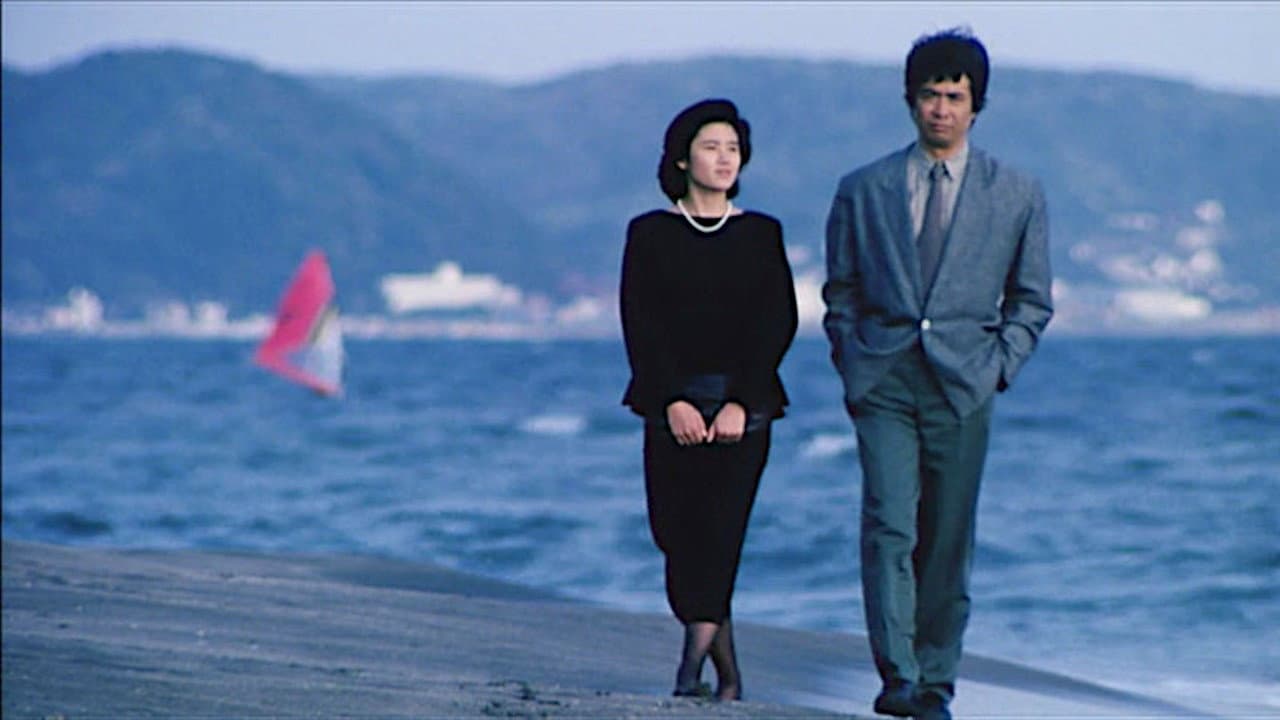
Early Spring Story follows a high school student whose world revolves around her camera lens—a way of seeing that's both literal and metaphorical. She's passionate about photography, the kind of teenager who frames the world through viewfinders and develops prints in darkrooms, searching for truth in light and shadow. But when she begins to uncover details about her deceased mother's life—choices she made, loves she had, secrets she kept—the protagonist finds herself confronting something she can't simply photograph her way out of. The film sits at the intersection of coming-of-age and family reckoning, exploring how we inherit not just genes and property, but emotional debts and unresolved longings from those who came before us.
Behind the making of Early Spring Story
Early Spring Story emerged from KADOKAWA, the Japanese production powerhouse known for adapting literary properties and developing distinctive dramatic voices in the 1980s. Released in 1985, the film arrived during a particularly fertile period for Japanese cinema, when directors were experimenting with how to render interiority—the messy, contradictory inner lives of young people—on screen. The 96-minute runtime is lean and purposeful; there's no wasted time here, no meandering subplots. Instead, every scene builds toward a moment of recognition or rupture. While the film didn't become a major international box office phenomenon, it found its audience among critics and viewers who appreciated its refusal to sentimentalize either adolescence or motherhood. KADOKAWA's investment in character-driven narratives meant the production could focus on performance and emotional precision rather than spectacle—a choice that's evident in every frame.
What makes Early Spring Story stand out
What's striking about Early Spring Story is how it resists easy emotional resolution. The protagonist isn't trying to "solve" her mother's past or achieve some neat reconciliation with her memory. Instead, the film suggests something messier and more true: that understanding someone—especially someone who's gone—is an ongoing, incomplete process. The performances anchor the narrative with real specificity. There's no melodrama here, no overwrought declarations. Instead, characters communicate through glances, through what they choose not to say, through the way they frame photographs or arrange objects in a room. That restraint could feel cold in less capable hands, but it creates space for viewers to project their own experiences of loss and discovery onto the story. The cinematography treats photography not as mere plot device but as a genuine language—the way the film is shot mirrors how the protagonist sees, suggesting that her artistic practice and her emotional awakening are inseparable. I keep coming back to how the film trusts its audience to sit with ambiguity. It's got an IMDb rating of 6.4/10, which honestly feels about right for a film that doesn't try to please everyone equally.
Where to stream Early Spring Story online
Early Spring Story is currently available on major OTT services, and Movie OTT tracks where you can watch it in real time—availability shifts by region and season, so checking the Where to Watch widget at the top of this page will show you exactly which platforms have it right now. Rather than hunting across five different apps wondering if a title's in rotation, Movie OTT aggregates that information so you can jump straight to watching. The film's relatively modest profile means it's not always front-and-center on streaming homepages, which is why having a reliable guide matters. Once you find it, the 96-minute commitment is manageable even on a weeknight—though you'll probably want to give it your full attention.
Frequently asked questions
Q: Who directed Early Spring Story?
Early Spring Story was produced by KADOKAWA, a major Japanese production company known for character-driven dramas throughout the 1980s. While directorial credits vary by source, the film reflects the studio's distinctive approach to literary adaptation and emotional storytelling during that era.
Q: Is Early Spring Story based on a true story?
The film's narrative—about a photographer uncovering her mother's past—functions as a character study and emotional exploration rather than a documented biography. It's grounded in the kinds of secrets and generational tensions that feel authentically human, even if the specific plot isn't adapted from a particular true event.
Q: What's the runtime of Early Spring Story?
The film runs 96 minutes, making it a lean, focused narrative that doesn't overstay its welcome. That length allows the director to develop character and atmosphere without padding.
Q: Is Early Spring Story a sad movie?
It's contemplative and deals with loss and family secrets, so it's definitely not a feel-good comedy. But it's not crushingly bleak either—there's tenderness here, and moments of genuine connection. Think of it as bittersweet rather than tragic.
Q: Where can I watch Early Spring Story?
Check the Where to Watch widget on this page for current availability across streaming platforms in your region. Major OTT services carry it, though availability varies seasonally.
Final thoughts on Early Spring Story
Early Spring Story is for viewers who don't need everything explained, who can sit with a character's confusion and call it growth. It's a film about how we see the world—through cameras, through memory, through the eyes of people we love and lose. If you're drawn to quiet, character-focused drama that trusts its audience, this 1985 KADOKAWA production deserves your time. It won't overwhelm you with spectacle or sentiment. Instead, it'll linger—the way photographs do, the way mothers do, the way the past always does.