Actor
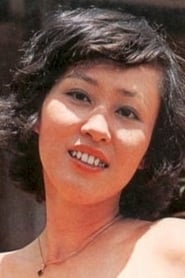
Junko Miyashita
32 films on Movie OTT · Active 1972–1995
Junko Miyashita (宮下順子) is one of Japanese cinema's most quietly enduring figures — an actress whose career has stretched from the early 1970s all the way into the 2020s without ever quite getting the international attention it deserves. Born January 29, 1949, in Setagaya, Tokyo (TMDB), she built her reputation across two distinct but overlapping worlds: the Roman Porno pink film circuit that defined a generation of Japanese genre cinema, and the more prestige-oriented mainstream industry that ran alongside it. What's striking is how few actresses managed to move fluidly between both without being permanently pigeonholed by either. Miyashita did. Her work with Nikkatsu's *Apartment Wife* series in the early 1970s established her as a reliable and compelling screen presence, and her appearances in films like *A Woman Called Sada Abe* (1975) and *The Watcher in the Attic* (1976) showed she could handle material that demanded real dramatic weight (Wikipedia). Over a filmography that runs to more than 80 credited roles (IMDb), she collected 3 wins and 2 nominations — modest numbers on paper, but they don't capture how consistently she showed up in films that mattered. *Fire Festival* (1985), for instance, holds a 100% rating on Rotten Tomatoes. That's not nothing. She's continued working into recent years, appearing in TV projects like *Midnight Diner: Tokyo Stories* (2016), which means her career arc isn't a nostalgia story. It's an ongoing one.
About Junko Miyashita
Junko Miyashita (宮下順子) is one of Japanese cinema's most quietly enduring figures — an actress whose career has stretched from the early 1970s all the way into the 2020s without ever quite getting the international attention it deserves. Born January 29, 1949, in Setagaya, Tokyo (TMDB), she built her reputation across two distinct but overlapping worlds: the Roman Porno pink film circuit that defined a generation of Japanese genre cinema, and the more prestige-oriented mainstream industry that ran alongside it. What's striking is how few actresses managed to move fluidly between both without being permanently pigeonholed by either.
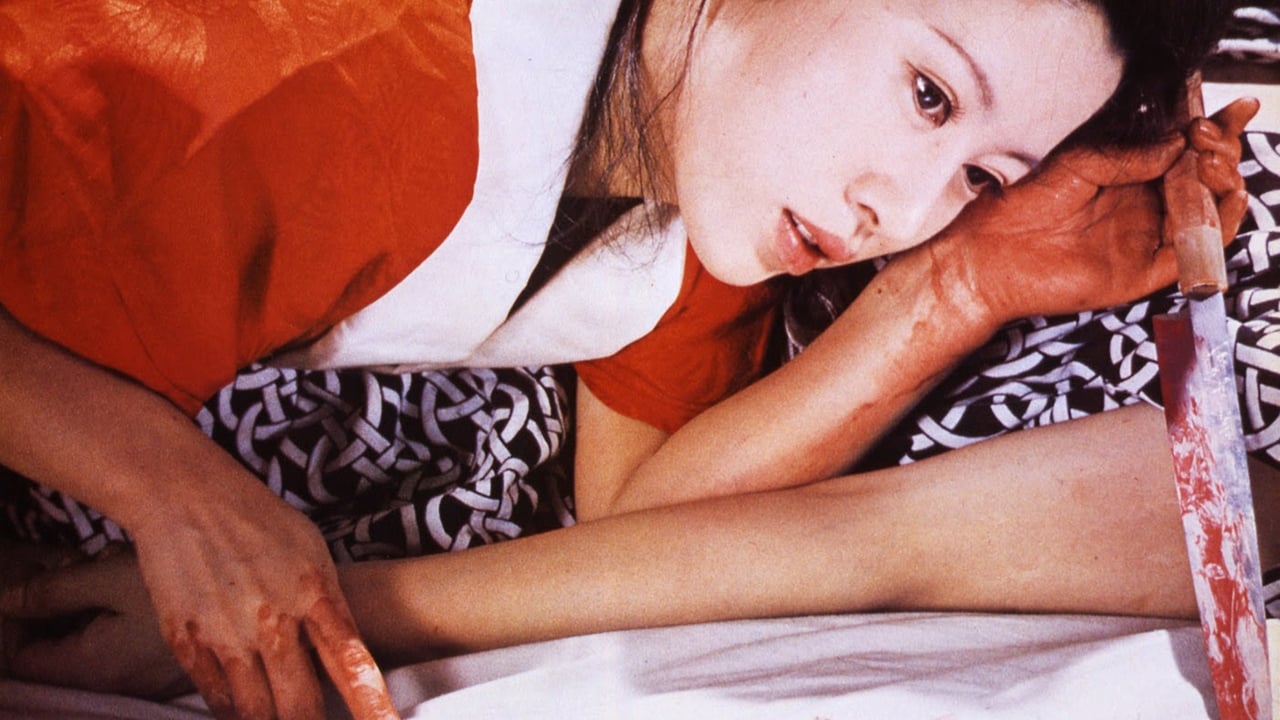
Miyashita did. Her work with Nikkatsu's *Apartment Wife* series in the early 1970s established her as a reliable and compelling screen presence, and her appearances in films like *A Woman Called Sada Abe* (1975) and *The Watcher in the Attic* (1976) showed she could handle material that demanded real dramatic weight (Wikipedia). Over a filmography that runs to more than 80 credited roles (IMDb), she collected 3 wins and 2 nominations — modest numbers on paper, but they don't capture how consistently she showed up in films that mattered.
*Fire Festival* (1985), for instance, holds a 100% rating on Rotten Tomatoes. That's not nothing. She's continued working into recent years, appearing in TV projects like *Midnight Diner: Tokyo Stories* (2016), which means her career arc isn't a nostalgia story.
It's an ongoing one.
Early life & background
Junko Miyashita was born on January 29, 1949, in Setagaya, Tokyo, Japan (TMDB). Setagaya is one of Tokyo's most populous residential wards — not a flashy birthplace, just a real neighborhood, which feels fitting for an actress who built her career on grounded, often unglamorous roles. Beyond her birth date and city, the documented record on her early family background and formal education is thin. What we know is that she made her professional acting debut in July 1971 with *That's How I Lost* (Wikipedia), suggesting she entered the industry in her early twenties — though the specific training or path that led her there isn't well documented in available sources.
Career
Cite this page
For Wikipedia, journalism, or academic references — copy the citation below:
Movie OTT. "Junko Miyashita." Accessed Oct 6, 2026. https://movieott.com/talent/junko-miyashitaCross-references: Wikipedia
Last updated July 8, 2026 · Sources: tmdb+wikipedia+perplexity+tmdb-credits+ai-claude
Filmography
Female Teacher Diary: Forbidden Sex
1995 · Cast
Alone in the Night
1994 · Cast

Magino Village: A Tale
1987 · Cast

Fire Festival
1985 · Sachiko

Early Spring Story
1985 · Junko Matsuura
Moment of Demon
1985 · Bar madame

Tracked
1985 · Sue Senba
Mermaid Legend
1984 · Natsuko
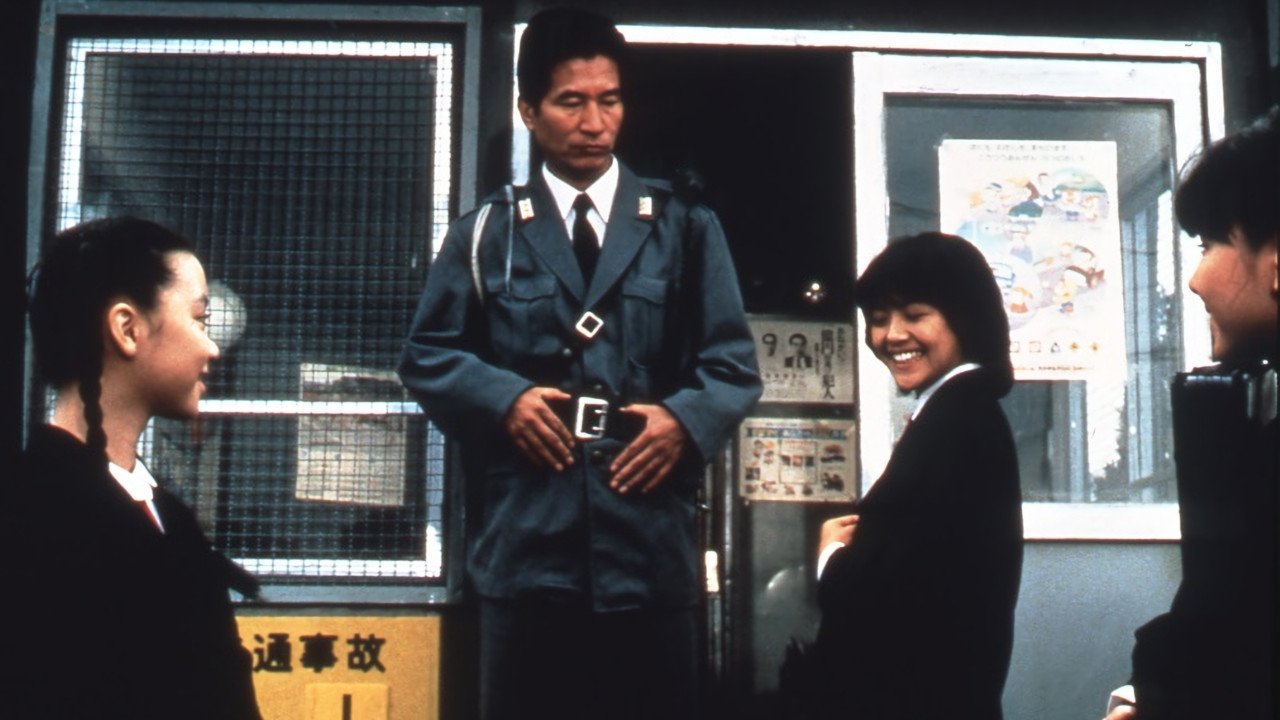
The Mosquito on the Tenth Floor
1983 · Proprietress of Hero
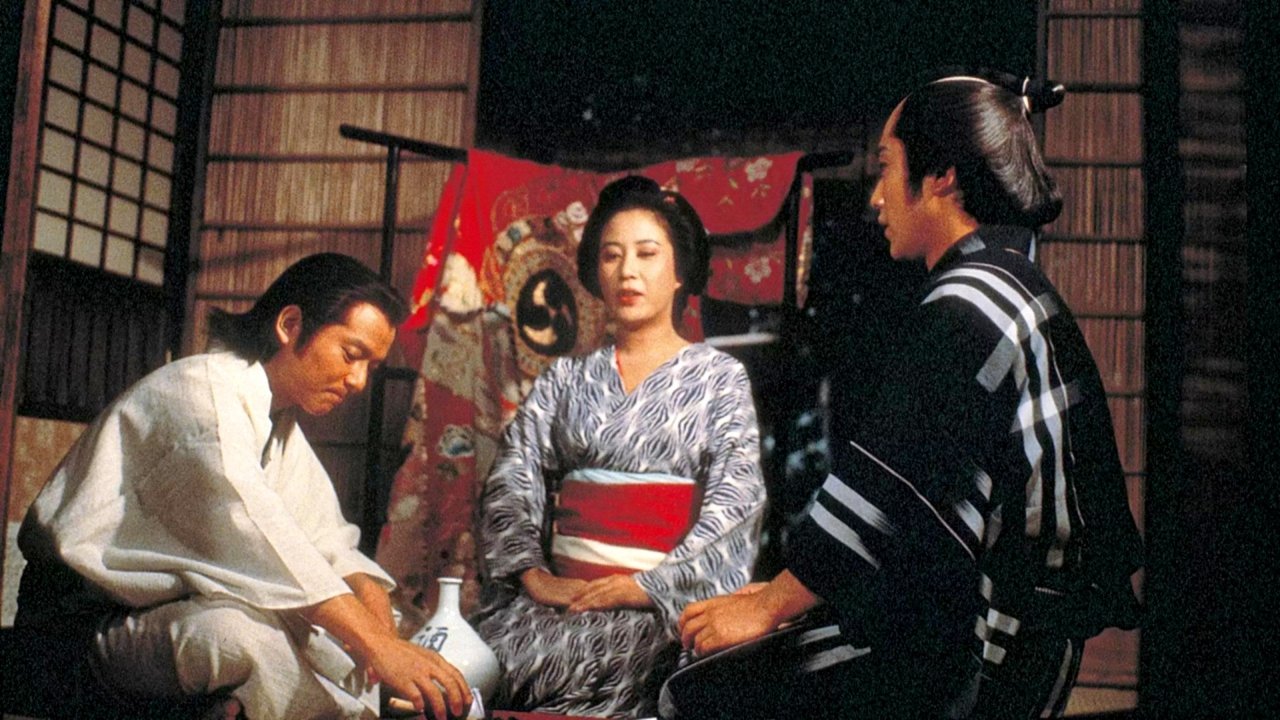
The Living Koheiji
1982 · Ochika

Island of the Evil Spirits
1981 · Goryōnin in Onomichi
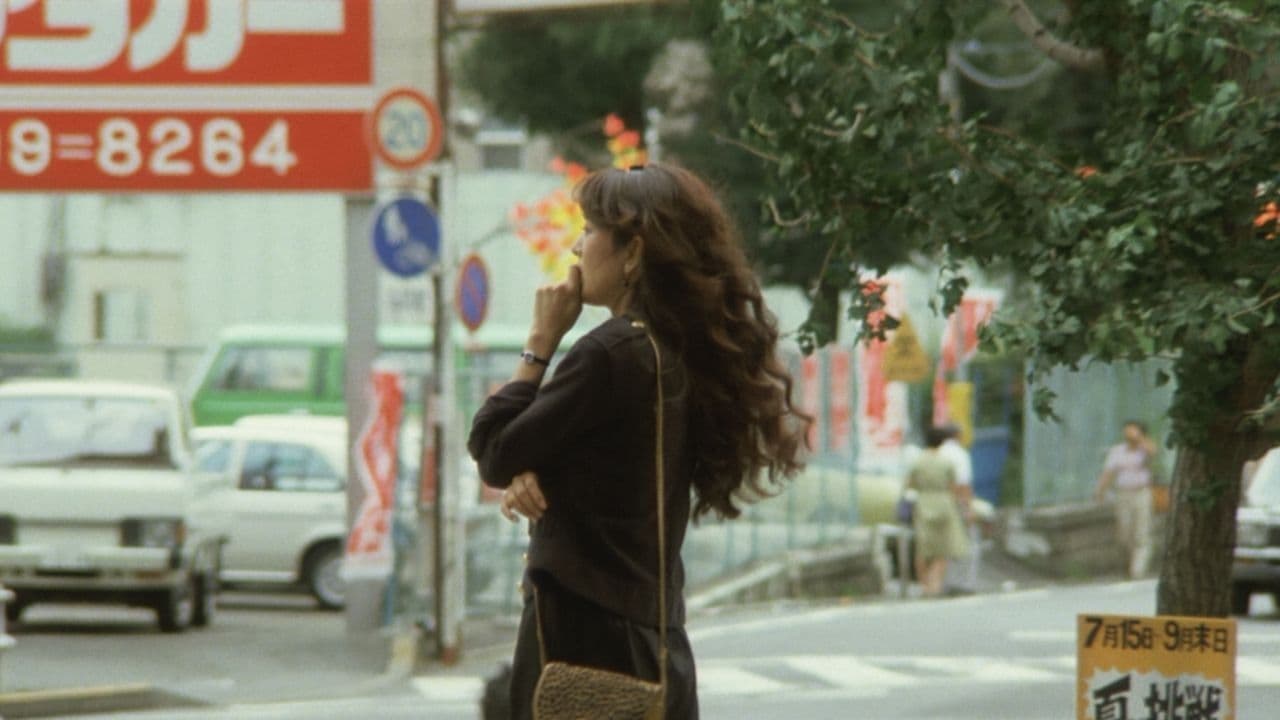
Call from Darkness
1981 · Mitsu Harada
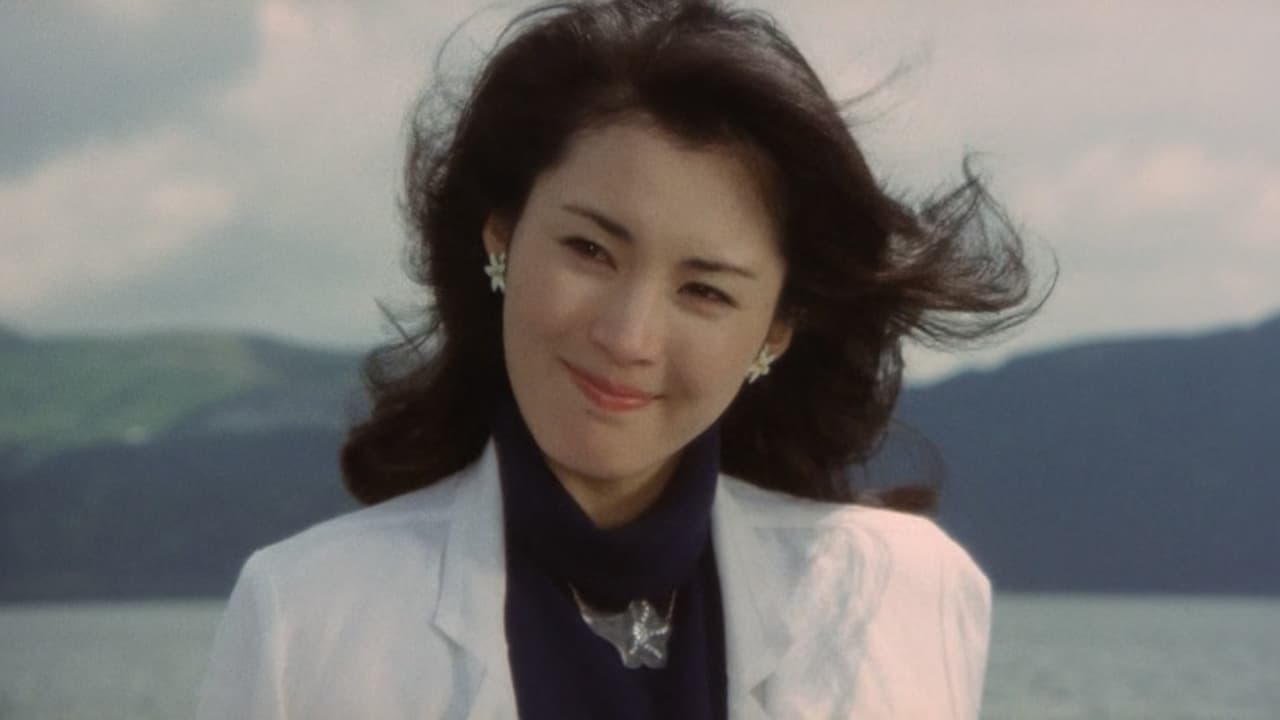
The Wicked
1980 · Toyo Terashima - Head Nurse
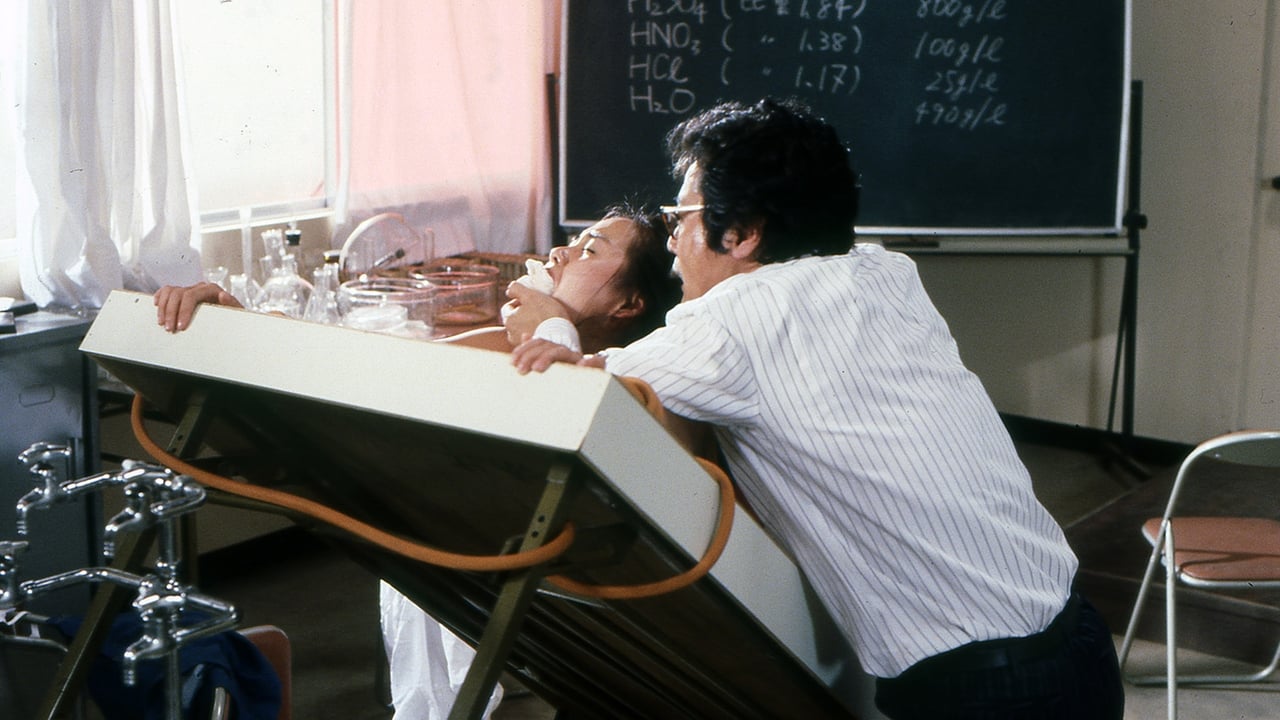
Pleasure Campus: Secret Games
1980 · Junko Sato

Wet Weekend
1979 · Shimako Maruyama
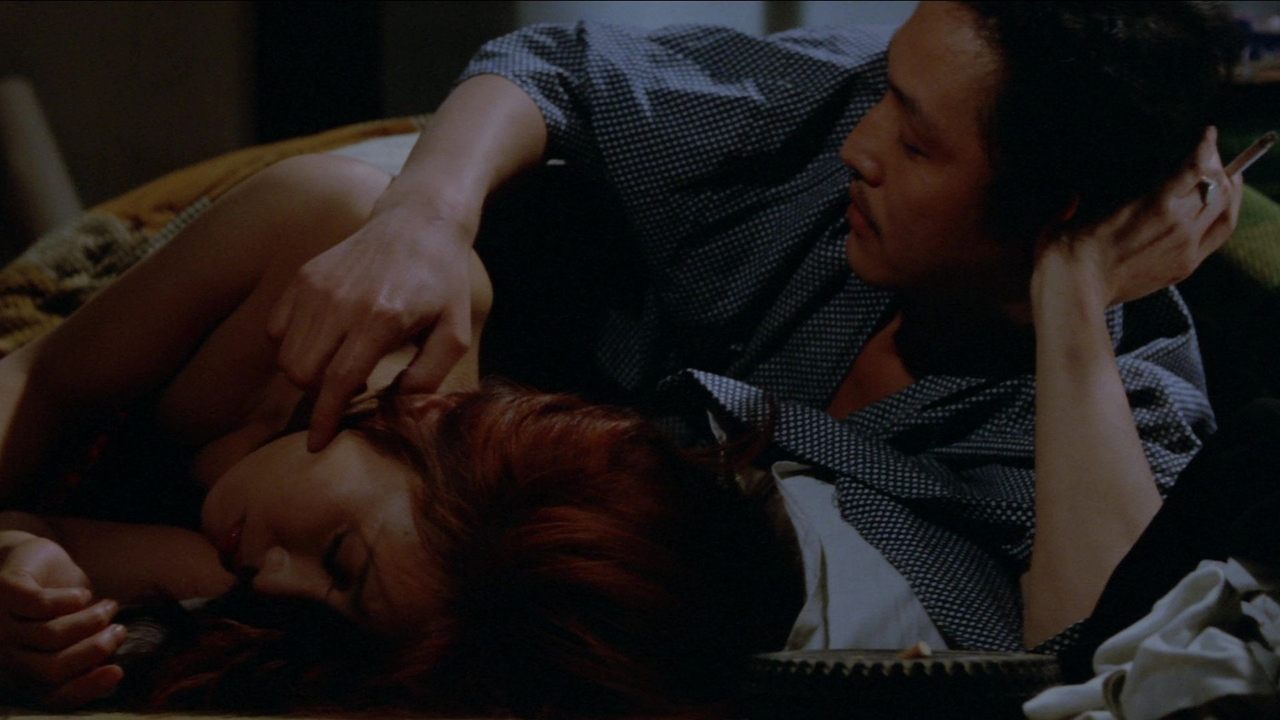
The Woman with Red Hair
1979 · Woman with Red Hair
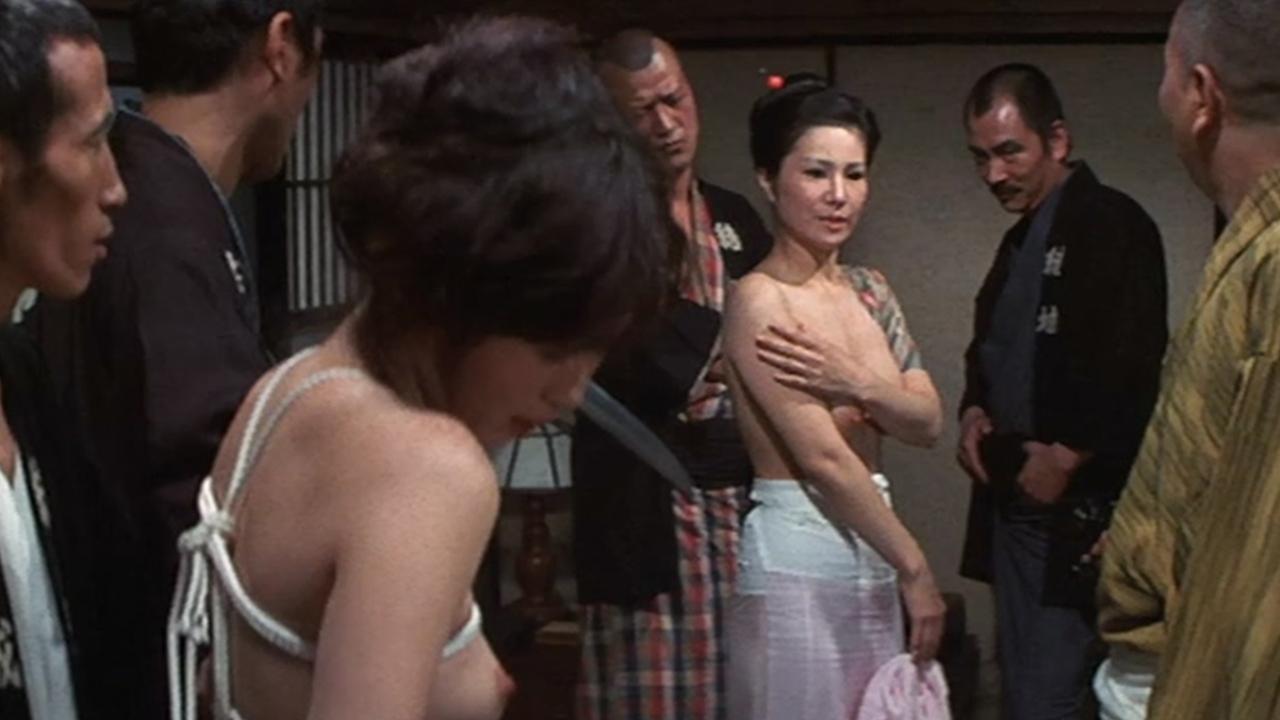
Rope and Skin
1979 · Chiyo
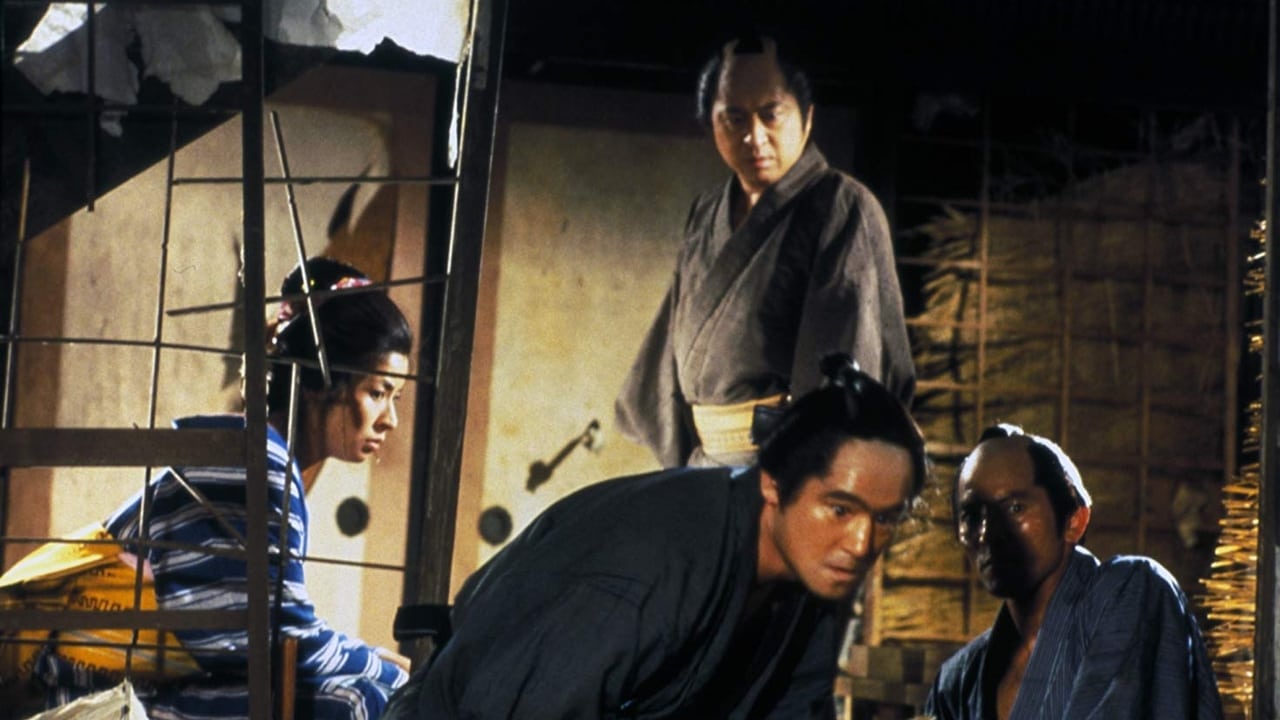
Bandits vs. Samurai Squadron
1978 · Menbiki Okyo
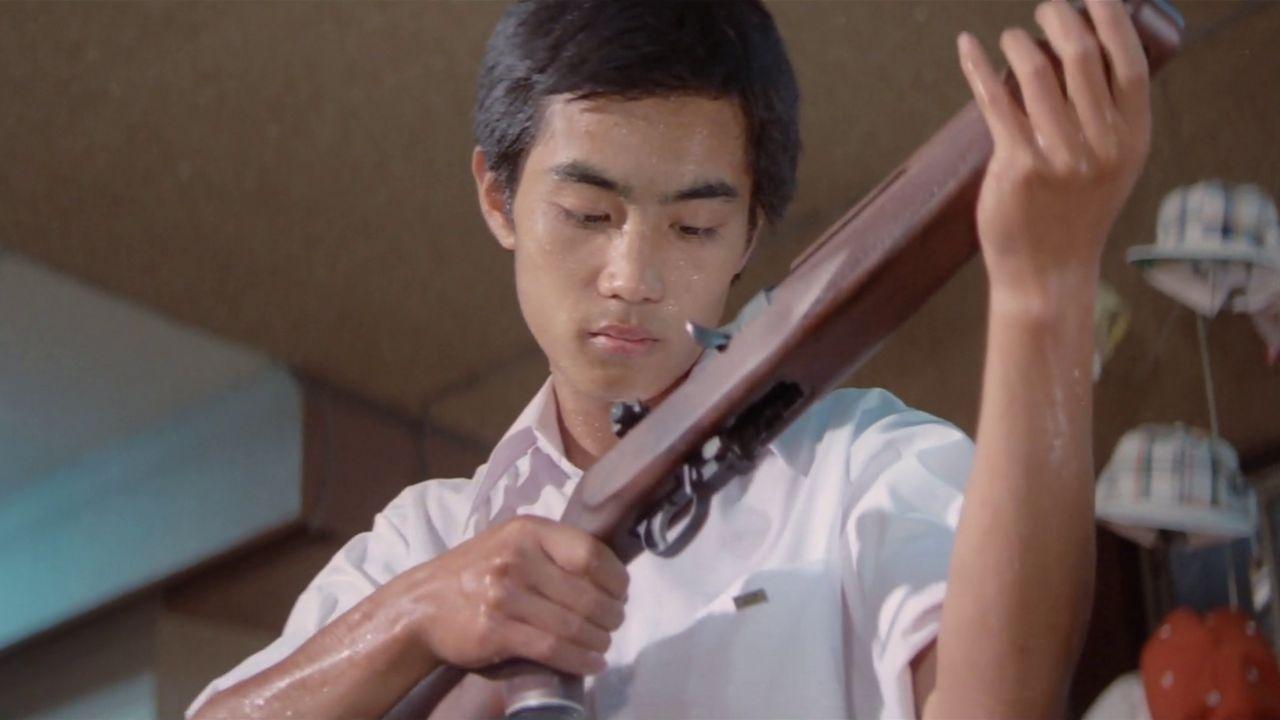
Panic in High School
1978 · Murakami tomoyo
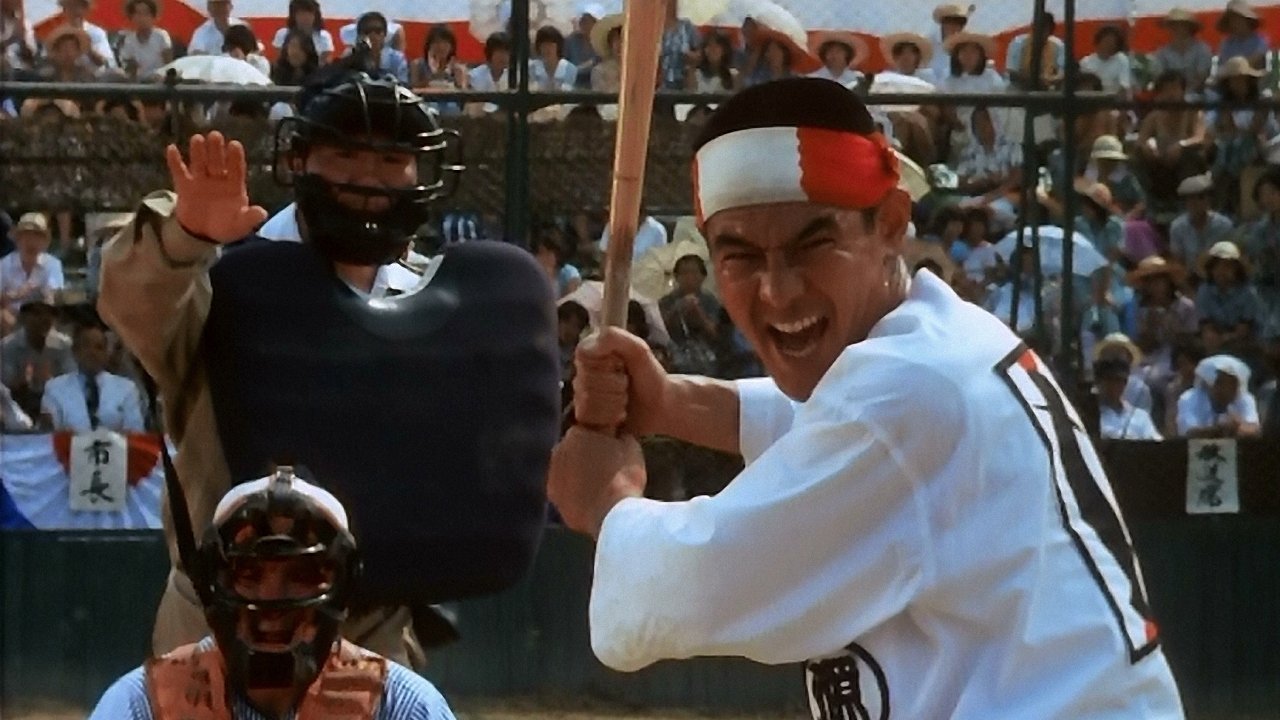
Dynamite Don-Don
1978 · Osen
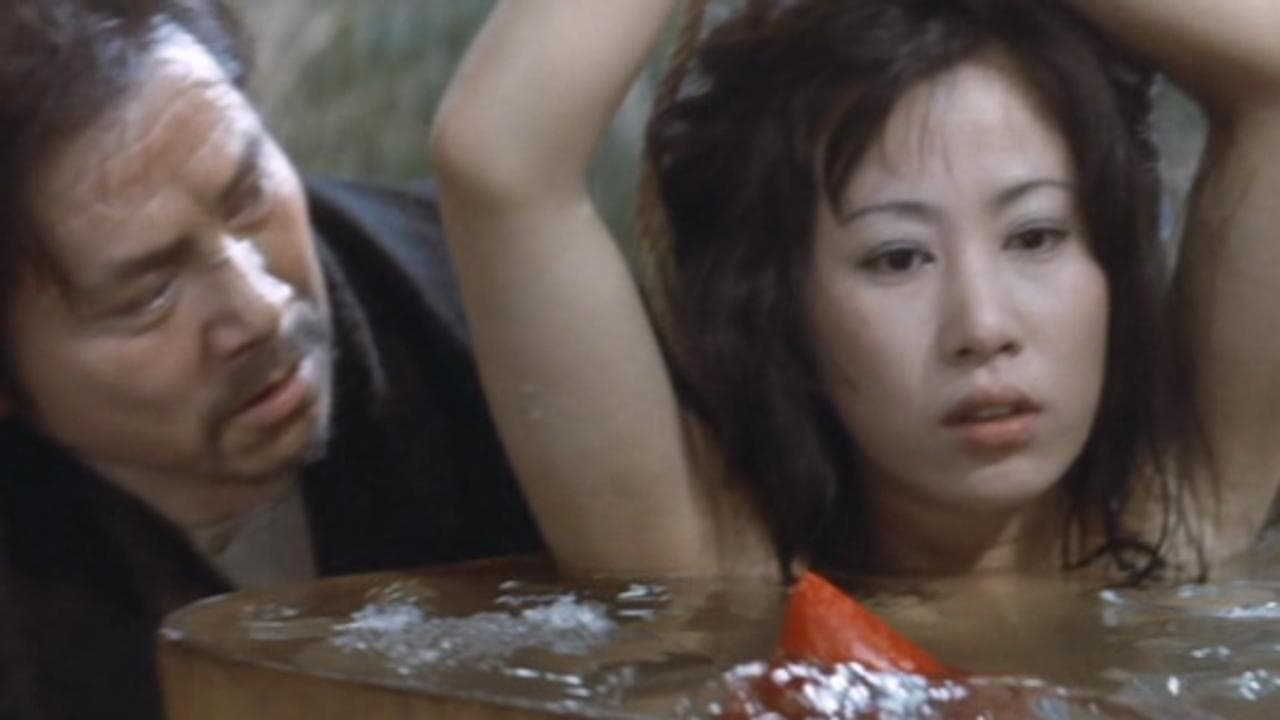
Beauty's Exotic Dance: Torture!
1977 · Tae
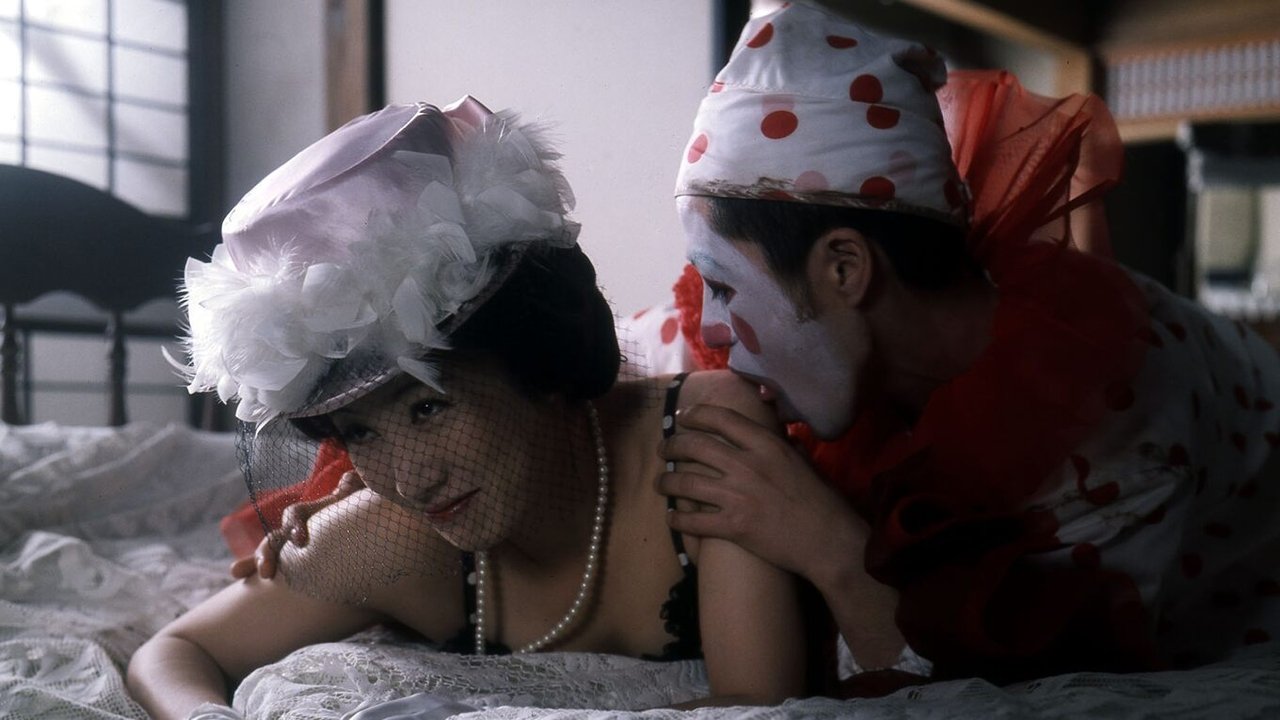
The Watcher in the Attic
1976 · Minako Sayanomiya
A Woman Called Sada Abe
1975 · Sada Abe
Office Lady Journal: Indecent Relations
1975 · Aki Kojima

Female Ninja Magic: 100 Trampled Flowers
1974 · Tsukinojo
Secret Chronicle: She Beast Market
1974 · Fumie Hirabayashi
Street of Joy
1974 · Shimako
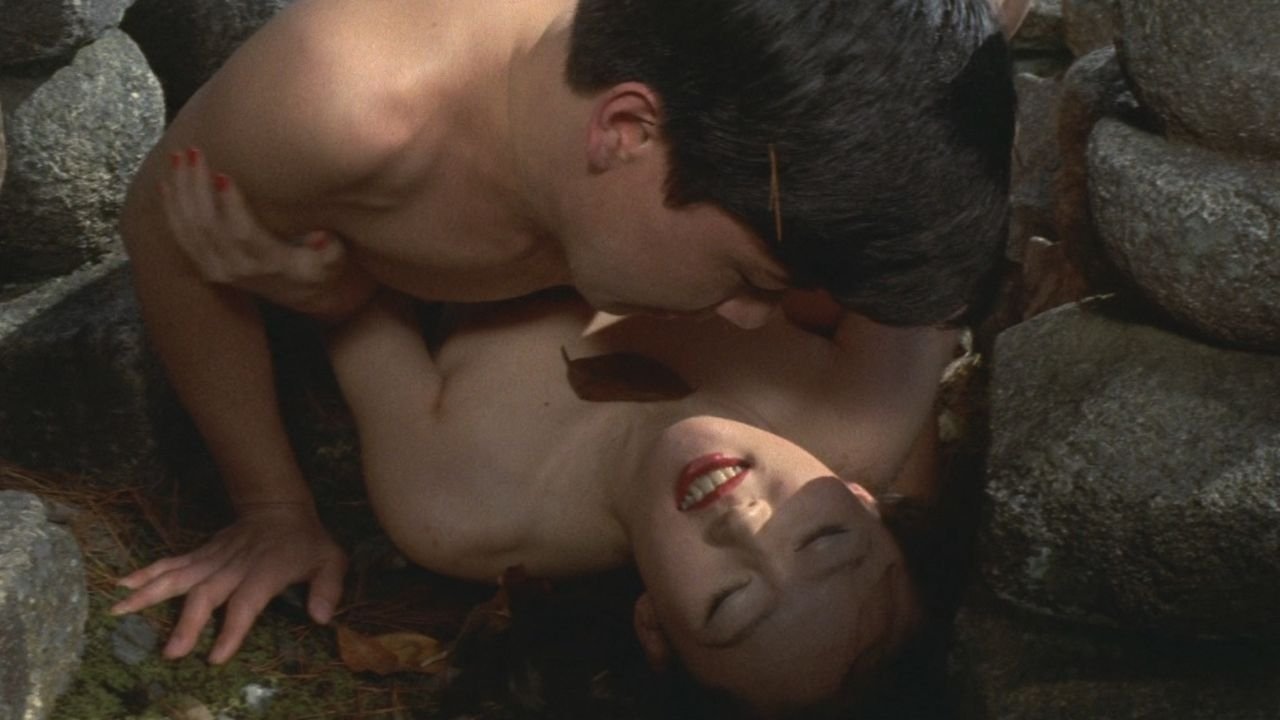
Afternoon Affair: Kyoto Holy Tapestry
1973 · Kanae Tomioka
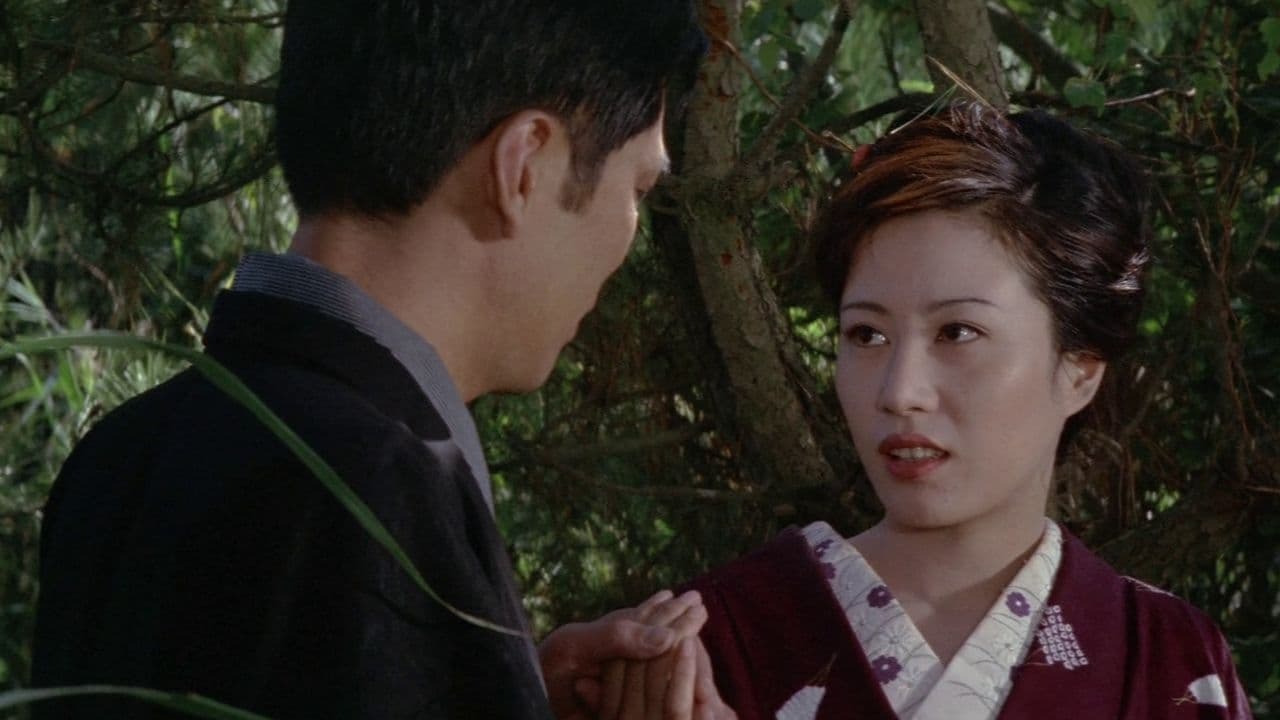
The World of Geisha
1973 · Sodeko
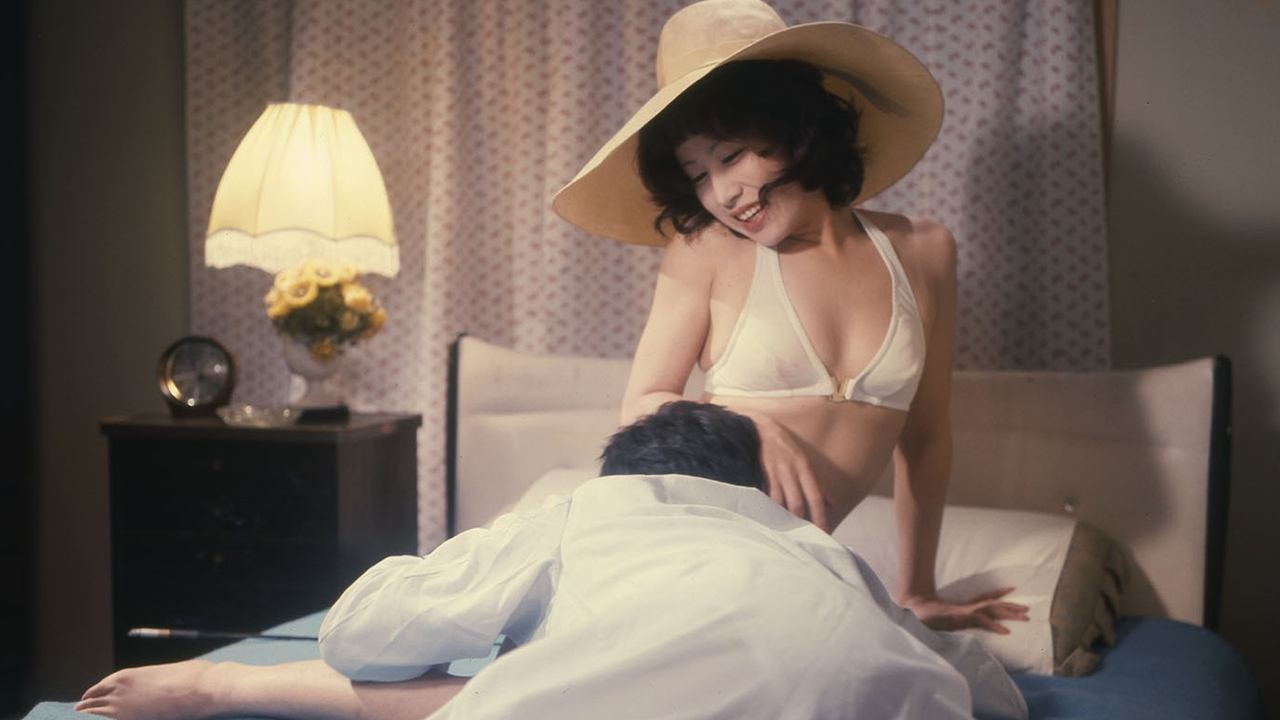
Erotic Journey: Love Affair in Hong Kong
1973 · Akiko Asari
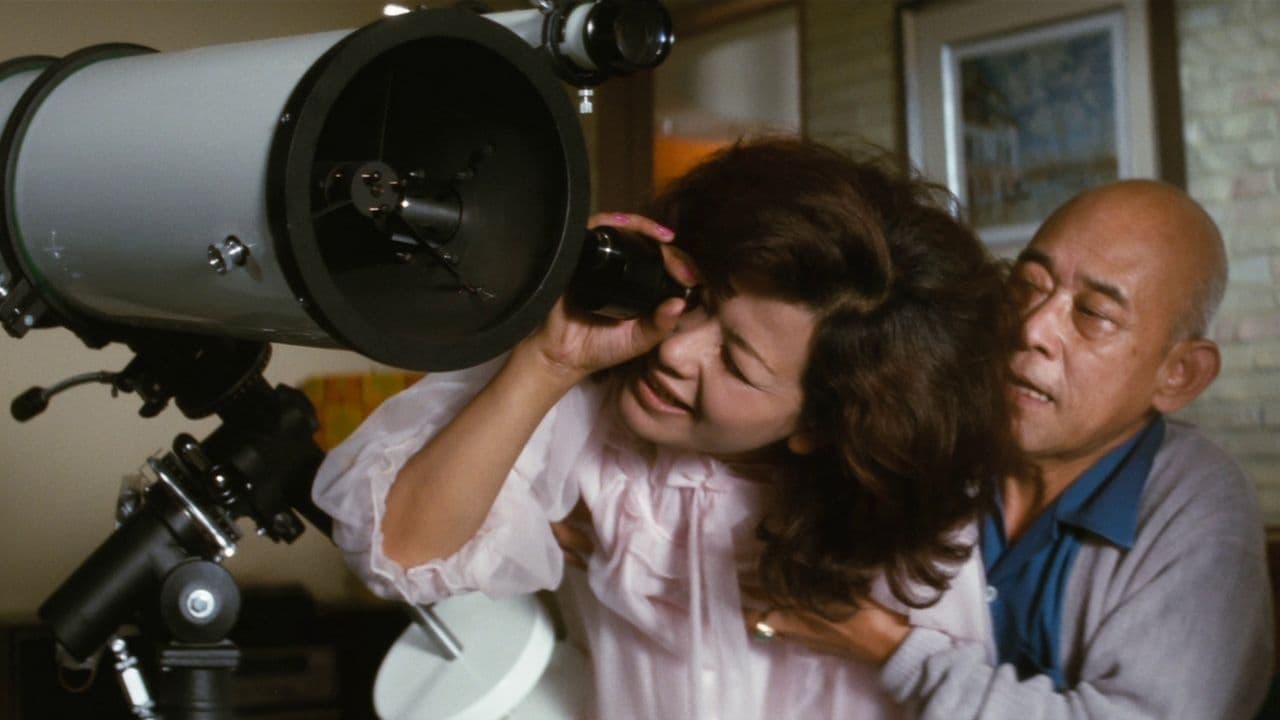
Afternoon Affair: Rear Window
1972 · Chie Morikawa

Office Lady Diary: Affair of a She-Cat
1972 · Eiko
Frequently asked questions
What films is Junko Miyashita known for?
Junko Miyashita has 32 titles indexed on Movie OTT, including Female Teacher Diary: Forbidden Sex, Alone in the Night, Magino Village: A Tale.
How long has Junko Miyashita been active?
Junko Miyashita's film career on Movie OTT spans from 1972 to 1995 — 23 years of work.