





The Story of Fire Festival and Its Clash of Worlds
Fire Festival tells the story of Tatsuo, a man whose connection to the land runs deeper than business logic or modern progress. He's a reverent lumberjack—someone for whom the forest and his family's territory aren't assets to be liquidated but extensions of his identity and heritage. When developers arrive with plans to transform his family land into a marine park, Tatsuo doesn't simply object. He resists. What unfolds over the film's 125-minute runtime is a portrait of a man choosing to fight back through means that are less about legal maneuvering than about reclaiming tradition itself. His methods are reactionary, rooted in the past, and they're the only language he knows how to speak when facing a future he didn't choose.
The film sits at the intersection of personal drama and social conflict. It's not a courtroom thriller or a political manifesto—it's quieter than that, more internal. Tatsuo's struggle isn't just against the developers; it's against time itself, against the momentum of a changing world that doesn't wait for people like him to catch up.
Behind the Making of Fire Festival and Its Production Roots
Fire Festival emerged from the Japanese film industry in 1985, produced by a consortium including the Seibu Saison Group, Cine Saison, and GUNRO. The film arrived during a period of significant economic growth in Japan, when rural communities were facing real pressure from urban expansion and development—a context that gave the narrative genuine cultural weight. The production brought together filmmakers interested in exploring the tension between tradition and modernization, a theme that resonated across Japanese cinema during the 1980s.
With a runtime of 125 minutes, the film takes its time building character and atmosphere rather than rushing toward plot resolution. This deliberate pacing reflects a commitment to understanding Tatsuo's world from the inside, letting viewers inhabit his perspective before the conflict fully erupts. The cast and crew worked within the conventions of serious dramatic filmmaking of the era, prioritizing psychological depth over spectacle. While Fire Festival didn't achieve major international distribution or win major festival awards that would've given it wider recognition, it found its audience among viewers interested in character-driven regional cinema. Its IMDb rating of 5.7/10 suggests a film that divides viewers—some finding its slow-burn approach meditative and authentic, others finding it frustratingly opaque.
What Makes Fire Festival a Study in Stubborn Resistance
What's striking about Fire Festival is how seriously it takes Tatsuo's perspective without ever winking at the audience or apologizing for his reactionary stance. He's not presented as a hero in the conventional sense, nor is he entirely sympathetic—he's complicated, caught between a world that's leaving him behind and a refusal to accept that fate gracefully. The performances anchor the film in lived experience rather than melodrama. There's a quiet dignity in how the central character moves through his opposition, even when his methods seem destined to fail.
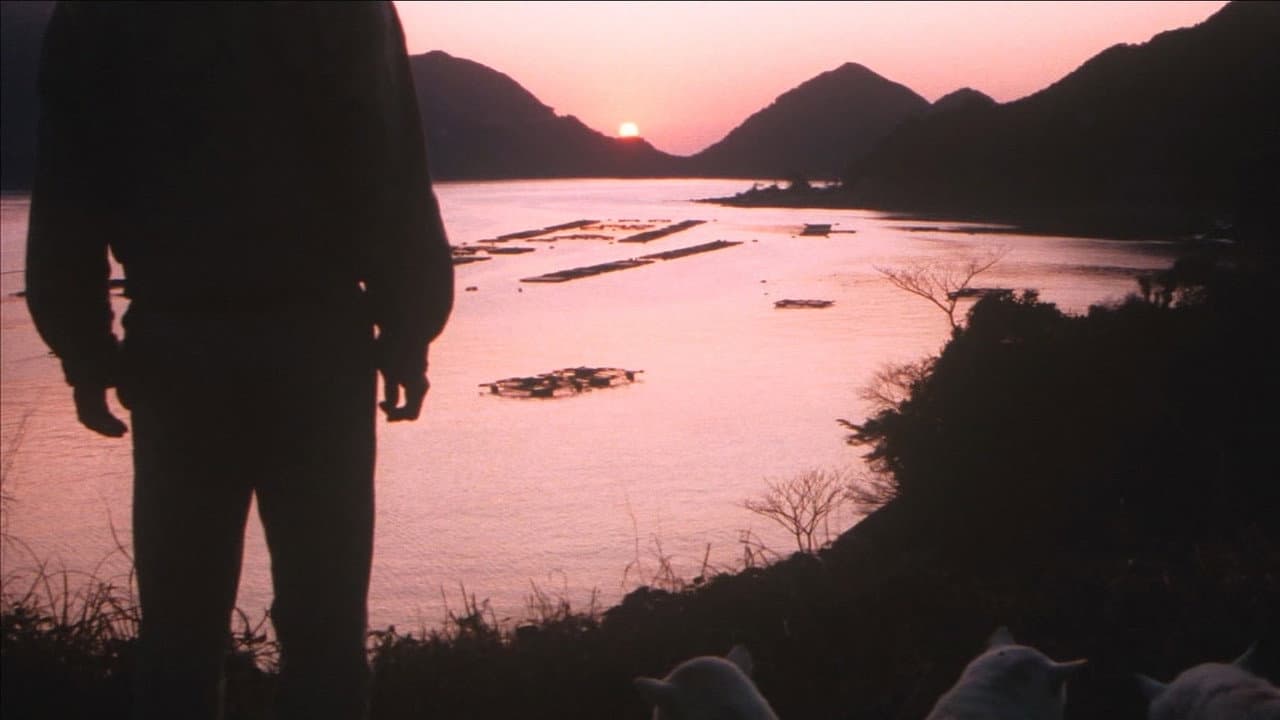
I keep coming back to how the film doesn't offer easy answers. You won't find a moment where Tatsuo suddenly understands progress or where the developers suddenly see the error of their ways. Instead, the film lingers in the space where these worldviews collide without resolution—which is, honestly, more true to how these conflicts actually play out in real life. The cinematography captures the landscape with affection, making the threatened land feel like a character itself. When you're watching scenes of Tatsuo moving through the forest or working the land, you understand viscerally what he stands to lose. That's not accidental filmmaking—that's craft in service of empathy, even when empathy doesn't guarantee victory.
The thing nobody mentions is how much the film trusts its audience to sit with discomfort. There's no narrator explaining what we should feel, no subplot that neatly resolves to give us emotional catharsis. It's a film that respects the complexity of its premise, which is rare.
Where to Stream Fire Festival Online
Fire Festival is currently available on major OTT services, and you can check the Where to Watch widget at the top of this page to see which platform has it in your region right now. Streaming availability shifts frequently—a title might be on one service this month and another the next—so Movie OTT keeps its database updated across Netflix, Prime Video, and other major platforms to help you find exactly where to watch without the guesswork. If you're a subscriber to multiple services, the widget will show you which one already has it in your library, saving you time and subscription fatigue.
Frequently Asked Questions
Q: Who directed Fire Festival?
Fire Festival was produced by the Seibu Saison Group, Cine Saison, and GUNRO in 1985. While the film emerged from a collaborative production environment typical of Japanese cinema of that era, the specific directorial credit reflects the studio system approach common at the time.
Q: What's the runtime of Fire Festival?
The film runs 125 minutes, giving it substantial time to develop its characters and explore the central conflict between tradition and development without rushing toward resolution.
Q: Is Fire Festival based on a true story?
While Fire Festival isn't a direct adaptation of a specific historical event, it draws on the very real tensions that existed in 1980s Japan between rural communities and urban developers. The themes are rooted in actual social conflicts of the era.
Q: Why does Tatsuo oppose the marine park development?
Tatsuo's opposition stems from his deep reverence for his family land and his commitment to preserving traditional ways of life. Rather than viewing the territory as property to be sold, he sees it as an extension of his identity and heritage.
Q: Where can I watch Fire Festival right now?
Check the Where to Watch widget at the top of the page to see which streaming platforms currently have Fire Festival available in your region. Availability varies by location and changes regularly.
Final Thoughts on Fire Festival
Fire Festival isn't a film for everyone. It won't satisfy viewers looking for clear heroes, triumphant resolutions, or straightforward moral lessons. But for those willing to sit with ambiguity and watch a man defend his world using the only tools he has—tradition, stubbornness, and an unwillingness to disappear quietly—it offers something genuine. The film respects both Tatsuo's position and the inevitability he faces. That kind of nuance is harder to find than you'd think.