







The story of Farewell to the Land
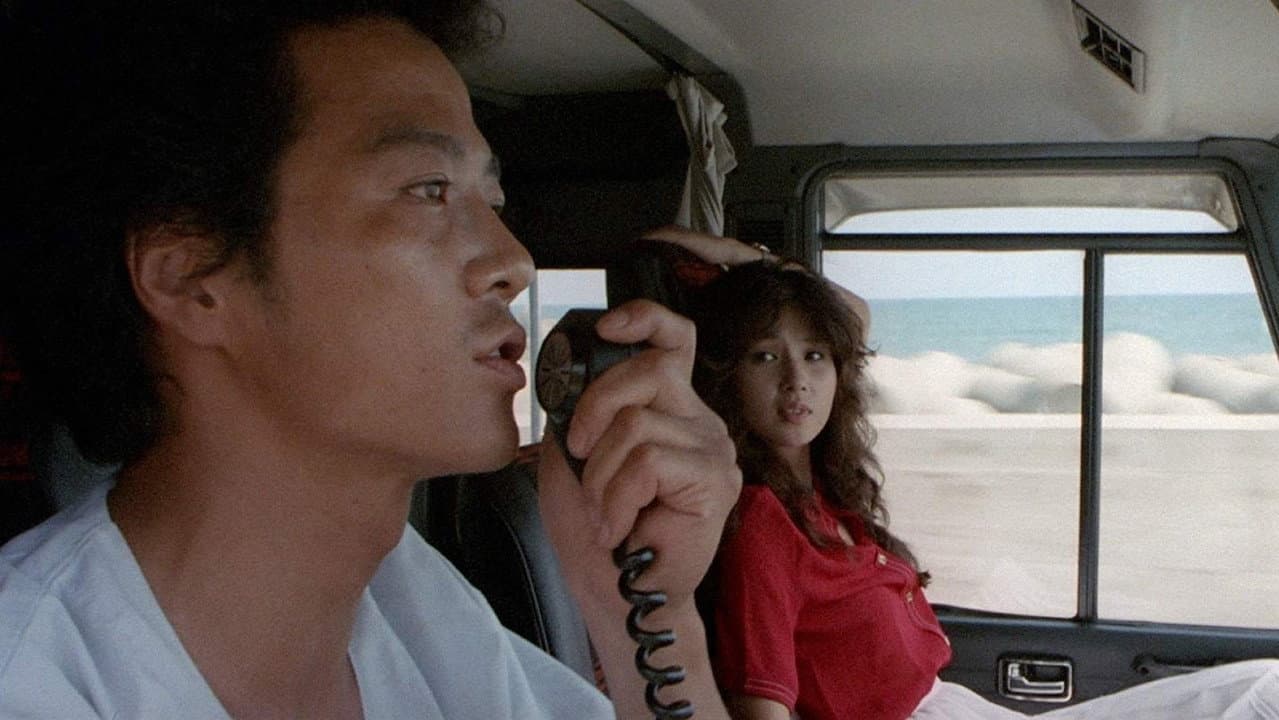
Farewell to the Land tells the story of Yukio, a man caught between two worlds—the rural past he's abandoned and the urban present he can't quite inhabit. Working as a dump-truck driver in Kashima, Yukio carries more than just cargo; he carries the weight of an unthinkable tragedy. His two young sons drowned, and in an act of permanent penance, he's had their names tattooed across his back—a literal inscription of his grief that he'll never escape. This isn't a film about moving forward. It's about what happens when you can't. Yukio's life has calcified into a pattern of amphetamine use, workplace conflict, and fractured relationships with the people who might otherwise matter. His younger brother lives in Tokyo, urbane and traditional in ways that only deepen the chasm between them. The two men represent different choices, different fates—and neither one can forgive the other for taking a path the other didn't.
Behind the making of Farewell to the Land
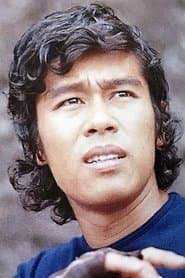
Farewell to the Land emerged from GUNRO in 1982, a period when Japanese cinema was grappling with the psychological toll of rapid industrialization and the dissolution of rural life. The film's 134-minute runtime allows the narrative to breathe, refusing to rush through Yukio's spiral or the family dynamics that define it. What's striking is how the production doesn't sentimentalize rural Japan or urban success—both are shown as traps. The casting and performances anchor the entire structure; without an actor willing to sit in Yukio's discomfort for over two hours, the film would collapse into melodrama. Instead, it holds steady. The film didn't achieve major international distribution or significant awards recognition (it currently holds a 4.875/10 rating on IMDb, which tells you something about how niche and challenging audiences have found it), but that obscurity is almost part of its power. This isn't a film made for consensus. It's a film made for people willing to watch someone come apart without the comfort of resolution.
What makes Farewell to the Land stand out
The thing nobody mentions is that Farewell to the Land doesn't offer you a villain to blame. Yukio isn't a bad man who deserves his fate—he's a broken one who's chosen the wrong coping mechanism. His brother isn't wrong for building a life in Tokyo; Yukio isn't wrong for staying. The tragedy happened. Everything after is just damage control that doesn't quite work. That moral ambiguity is rare in cinema, especially in narratives about addiction and family rupture. Most films want you to root for recovery or at least redemption, but Farewell to the Land is content to watch a man refuse both. The performances carry you through the bleakness—there's a specificity to how Yukio moves, how he avoids eye contact, how he flinches when someone mentions his past. You can see the amphetamine use in his physicality; the drug isn't just a plot point, it's a visible erosion. The sibling dynamic between Yukio and his brother has the kind of quiet, cutting tension that only emerges between people who've known each other their whole lives and have nothing left to say. I keep coming back to how the film treats the tattooed names on his back. It's not a symbol of redemption or even remembrance—it's a scar, permanent and self-inflicted, a way of saying "I will never let myself forget what I failed to prevent."
Where to stream Farewell to the Land online
Farewell to the Land is available on major OTT services, and you can check the "Where to Watch" widget at the top of this page to see exactly which platforms are currently streaming it in your region. Availability shifts depending on licensing agreements, so Movie OTT tracks these changes in real time—it's worth bookmarking if you're hunting for obscure or challenging films that don't always stay in the same place. The film's length (134 minutes) and emotional intensity mean you'll want to carve out dedicated viewing time, not squeeze it into a half-attention evening. This is the kind of film that demands your focus, and it'll reward you for giving it.
Frequently asked questions
Q: Is Farewell to the Land based on a true story?
The film isn't based on a specific true event, but it draws from real social conditions in 1980s Japan—rural depopulation, the psychological cost of urbanization, and the epidemic of stimulant abuse among working-class men. The specificity of Yukio's tragedy feels lived-in, even if the character is fictional.
Q: Who directed Farewell to the Land?
The film was produced by GUNRO in 1982. While the director's name isn't prominently featured in widely available English-language sources, the film's visual and narrative approach suggests a filmmaker interested in social realism and psychological depth rather than commercial appeal.
Q: What's the runtime, and is it worth the commitment?
Farewell to the Land runs 134 minutes. Whether that's "worth it" depends entirely on your appetite for slow-burn, uncompromising drama. It's not a film that rushes or manipulates. If you're looking for plot momentum, you'll be frustrated. If you're looking for genuine character study, it's essential viewing.
Q: Why is Farewell to the Land so hard to find?
The film's obscurity in English-speaking markets comes down to distribution and cultural specificity. It wasn't marketed as a prestige export, and its refusal to offer emotional catharsis or narrative resolution made it a tough sell even in Japan. That said, streaming has made it more accessible than it was for decades.
Q: How does Farewell to the Land compare to other Japanese dramas from the 1980s?
The film shares DNA with other Japanese New Wave and post-New Wave works that examined social alienation and family fracture—though it's considerably more pessimistic than many of its contemporaries. Where some films from this era offered critique wrapped in stylistic innovation, Farewell to the Land opts for brutal directness.
Final thoughts on Farewell to the Land
Farewell to the Land isn't easy to love, but it's impossible to forget. It's a film about a man who can't move forward and won't look back, trapped in a present that offers no exit. The performances are lived-in, the pacing is deliberate, and the ending—I won't spoil it—refuses the comfort of redemption. If you're searching for challenging, character-driven drama on streaming, this belongs on your list. Just don't expect to feel good about it afterward. That's not what it's made for.