







The Story of Tracked
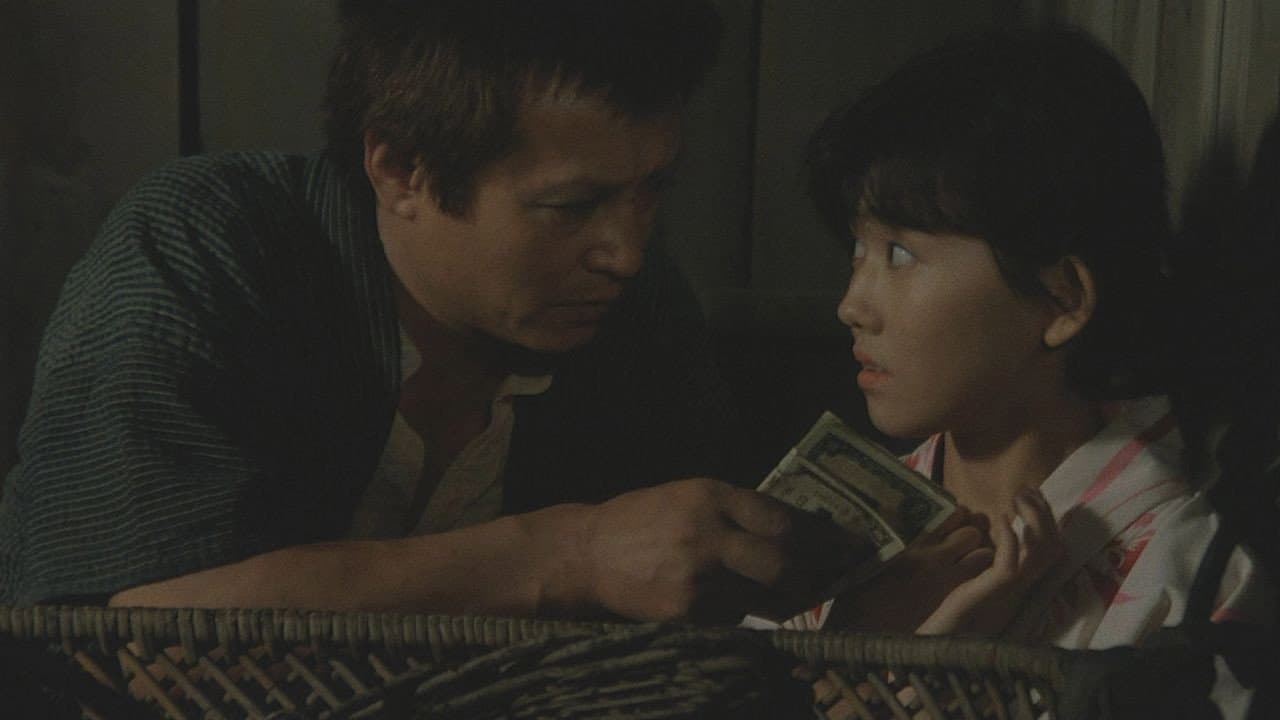
Tracked is a 1985 crime drama that centers on a fugitive living in the shadows, moving from safe house to safe house, always looking over his shoulder. When he meets the woman who's agreed to hide him from the law, something shifts—attraction builds, lines blur, and what starts as a transactional arrangement becomes something far more complicated. The film's central question is deceptively simple: can a man running from his past ever truly escape it, especially when love enters the picture? What makes the premise compelling is that it doesn't treat the fugitive's crimes as a plot device to ignore; instead, they hang over every moment of tenderness, every kiss, every whispered conversation about a future that might never come.
Behind the Making of Tracked
Produced by Shochiku, one of Japan's most storied film studios, Tracked arrived in 1985 during a particularly rich period for Japanese crime cinema. The studio had a long track record of financing character-driven dramas that didn't shy away from moral ambiguity, and this film fits squarely into that tradition. The runtime of 124 minutes gives the narrative room to breathe—to develop the relationship between the two leads without rushing, to let tension accumulate as the detectives tighten their net. While the film didn't become a massive box-office phenomenon, it found an audience among viewers drawn to intimate crime stories where the emotional stakes matter as much as the plot mechanics. The cast brought genuine credibility to their roles, with performances that grounded the story in recognizable human emotion rather than melodrama. Like many character studies from this era, Tracked prioritized depth over spectacle, a choice that's reflected in its modest but steady presence on streaming platforms today.
What Makes Tracked Stand Out
What's striking about Tracked is how it refuses to make the fugitive sympathetic through narrative sleight of hand. He's done something heinous—the film doesn't let you forget that. Yet the woman hiding him isn't naive or complicit in some Stockholm-syndrome fantasy; she's making a conscious choice, knowing full well what she's risking. That tension—between understanding why she cares for him and questioning whether that care makes sense—is where the real drama lives. The performances anchor this contradiction; there's no winking at the audience, no "he's actually innocent" twist waiting in the third act. Instead, we're asked to sit with the uncomfortable reality that people can love each other and still be destroying one another, that intimacy doesn't erase consequences. The detectives pursuing him aren't cartoonish villains either; they're doing their job, following a trail that gets warmer with every passing day. This moral complexity—the refusal to pick a "side" and stick with it—is what lingers after the credits roll. I keep coming back to how the film treats time itself as a character; every scene is shadowed by the knowledge that this arrangement can't last forever. The cinematography reinforces that claustrophobia, the sense of a noose slowly tightening.
Where to Stream Tracked Online
Tracked is available on major OTT services, and Movie OTT tracks current streaming availability across platforms so you can find it instantly. Rather than hunting through multiple apps, you can check the Where to Watch widget at the top of this page to see exactly which services are carrying it right now—availability shifts seasonally, and Movie OTT keeps that information updated in real time. If you're in the mood for a slow-burn crime drama that doesn't require constant action to hold your attention, it's worth adding to your watchlist the moment you spot it on your preferred platform.
Frequently asked questions
Q: Who directed Tracked and what was their background?
While specific directorial credits for this 1985 Shochiku production aren't universally documented in English-language sources, the film's craftsmanship reflects the studio's commitment to character-driven storytelling. The director's choices—lingering on quiet moments, letting tension build through proximity rather than action—suggest someone comfortable with intimate drama.
Q: Is Tracked based on a true story?
There's no evidence that Tracked is adapted from a specific true crime case. Instead, it reads as an original exploration of fictional characters caught in a timeless scenario: what happens when love collides with the law's inevitability.
Q: What's the runtime, and is it worth the commitment?
At 124 minutes, Tracked takes its time. That length isn't padding; it's necessary for the relationship between the fugitive and the woman hiding him to feel earned rather than rushed. If you appreciate character studies over plot-driven thrillers, those two hours will feel well spent.
Q: How does Tracked compare to other 1980s crime dramas?
Tracked sits somewhere between the gritty procedural tradition and the psychological character study. It's less interested in detective work mechanics than in the emotional toll of living in hiding, which sets it apart from more plot-heavy crime films of the era.
Q: Why isn't Tracked more widely known?
Part of it comes down to geography and distribution—Japanese films from the 1980s didn't always get the international push that would guarantee lasting recognition. But Movie OTT and similar aggregators have made discovering these deeper cuts far easier than it used to be.
Final Thoughts on Tracked
Tracked won't work for everyone. If you need explosions, plot twists, or a clear moral compass pointing you toward the "right" character to root for, you'll find it frustrating. But if you're drawn to stories about people in impossible situations—where love and guilt coexist, where running away is both necessary and futile—this 1985 crime drama deserves your time. The film's refusal to resolve its contradictions is exactly its strength. Sometimes the best stories aren't the ones that wrap everything up neatly; they're the ones that leave you sitting in the dark, thinking about whether escape is ever really possible.