









The Story of Gate of Flesh and Post-War Tokyo's Forgotten Women
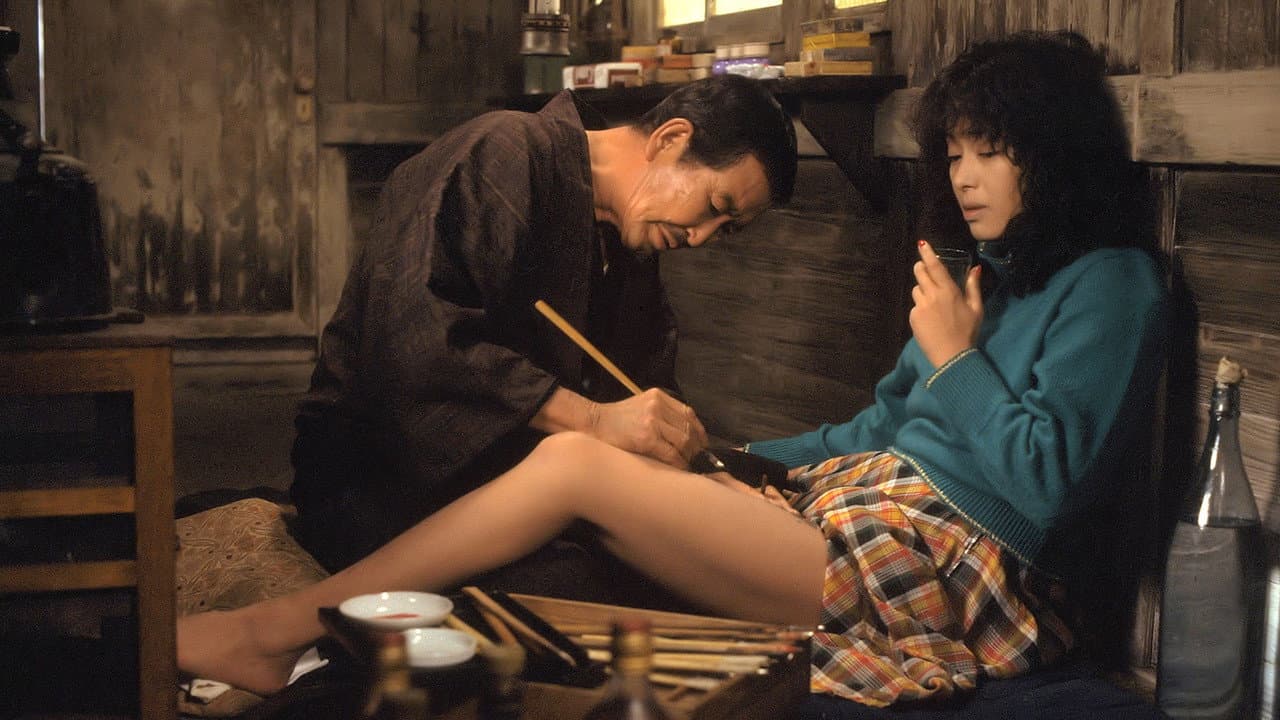
Gate of Flesh follows a group of sex workers living in a burnt-out building in Tokyo's ghetto during the immediate aftermath of World War II. These women aren't passive victims — they're hustlers, strategists, and dreamers who've carved out a community in the rubble. The premise is deceptively simple: they pool their earnings, setting aside one-third of everything they make toward a shared goal: opening a dancehall they'll call Paradise. It's both literal and symbolic, this idea of building something beautiful from the ashes. What makes the film compelling isn't just the plot, but how it captures the texture of survival itself — the small negotiations, the humor, the jealousy, the fierce loyalty that emerges when women have nothing left to lose.
Behind the Making of Gate of Flesh and Its Production Legacy
Gate of Flesh arrived in 1988 as a Japanese production from Toei Company, running 119 minutes. The film draws from earlier source material and taps into a rich vein of post-war Japanese cinema that examined how ordinary people rebuilt their lives. Toei Company, one of Japan's most prolific studios, had a long history of producing socially conscious dramas alongside their action and crime output. The runtime allows the film to breathe — there's no rush to wrap up these characters' stories. With an IMDb rating of 6.2/10, it's not a film that chases universal acclaim, which actually says something honest about its approach. It doesn't soften the material for mainstream audiences; it's interested in specificity over broad appeal. The cast was assembled from working Japanese actors who understood how to convey desperation without melodrama, bringing authenticity to their roles as women navigating a system designed to exploit them.
What Makes Gate of Flesh Stand Out as Social Commentary
What's striking about Gate of Flesh is how it refuses easy sentimentality. These women aren't noble victims waiting for rescue — they're complicated, sometimes cruel to each other, often self-interested, and absolutely alive. The film examines the economics of survival in a way that feels almost clinical, watching how power shifts when money changes hands, how alliances form and fracture. There's a scene where the women argue over earnings that cuts deeper than any monologue about hardship could. The performances anchor everything; the actresses navigate between toughness and vulnerability without signposting it, which takes real skill. What the film gets right is that survival isn't romantic. It's grinding, repetitive, occasionally funny in dark ways, and it doesn't care about your dignity — you have to care about it for yourself. If you're tracking down serious post-war cinema on Movie OTT, this sits alongside other films that examine Japan's reconstruction period with unflinching honesty. The crime and drama elements aren't there for sensationalism; they're structural — this is what the economy of desperation looks like when filmed without flinching.
Where to Stream Gate of Flesh Online
Gate of Flesh is available on major OTT services, and you can check current availability through the Where to Watch widget at the top of this page. Streaming rights shift regularly, so that widget will always show you which platforms are carrying it right now in your region. If you're a subscriber to any of the major streaming services, there's a solid chance it's already in your catalog — Japanese cinema has become a significant part of most platforms' international offerings. Movie OTT tracks current streaming availability across multiple services, so you don't have to hunt across five different apps trying to figure out where a title landed this month.
Frequently asked questions
Q: What year was Gate of Flesh released?
Gate of Flesh came out in 1988 as a Toei Company production. It's a relatively recent entry in post-war Japanese cinema, arriving decades after the war itself ended, which gives it some distance and perspective on the period.
Q: How long is Gate of Flesh?
The film runs 119 minutes, giving it enough time to develop its characters and setting without feeling bloated. That's just under two hours, so it's a substantial but not exhausting watch.
Q: What genres does Gate of Flesh fall into?
It's classified as both drama and crime, though it's not a crime thriller in the conventional sense. The crime elements emerge from the economic desperation of the characters' situation rather than from a plot about heists or violence.
Q: Is Gate of Flesh based on a true story?
The film draws from real historical conditions in post-war Tokyo, though it's not a direct adaptation of specific events. It's grounded in the actual experiences of women who survived Japan's reconstruction period.
Q: Who produced Gate of Flesh?
Toei Company, one of Japan's major film studios, produced the film. They were known for socially engaged dramas as well as action and crime films throughout their history.
Final Thoughts on Gate of Flesh
Gate of Flesh isn't easy viewing, and it doesn't try to be. It's a film about women who refuse to disappear, who pool their money and their hopes in a building that's barely standing. Paradise might never open — that's almost beside the point. What matters is that they kept trying. If you're looking for serious international cinema that doesn't soften its subject matter, this deserves your attention. It's the kind of film that stays with you.