









The story of Tokyo Bordello
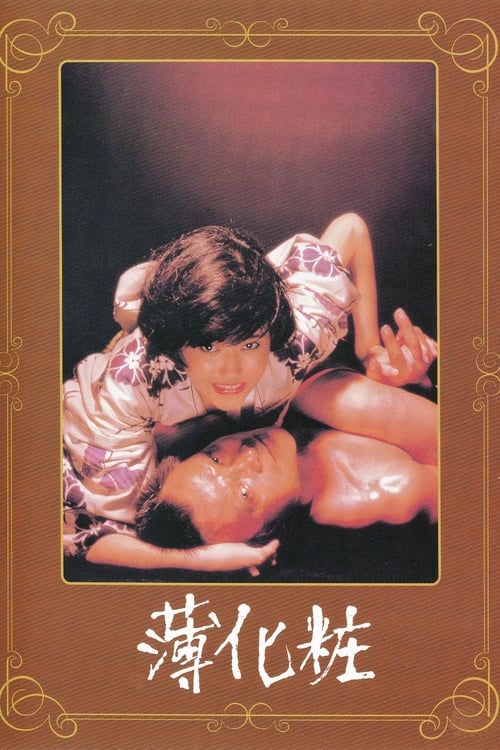
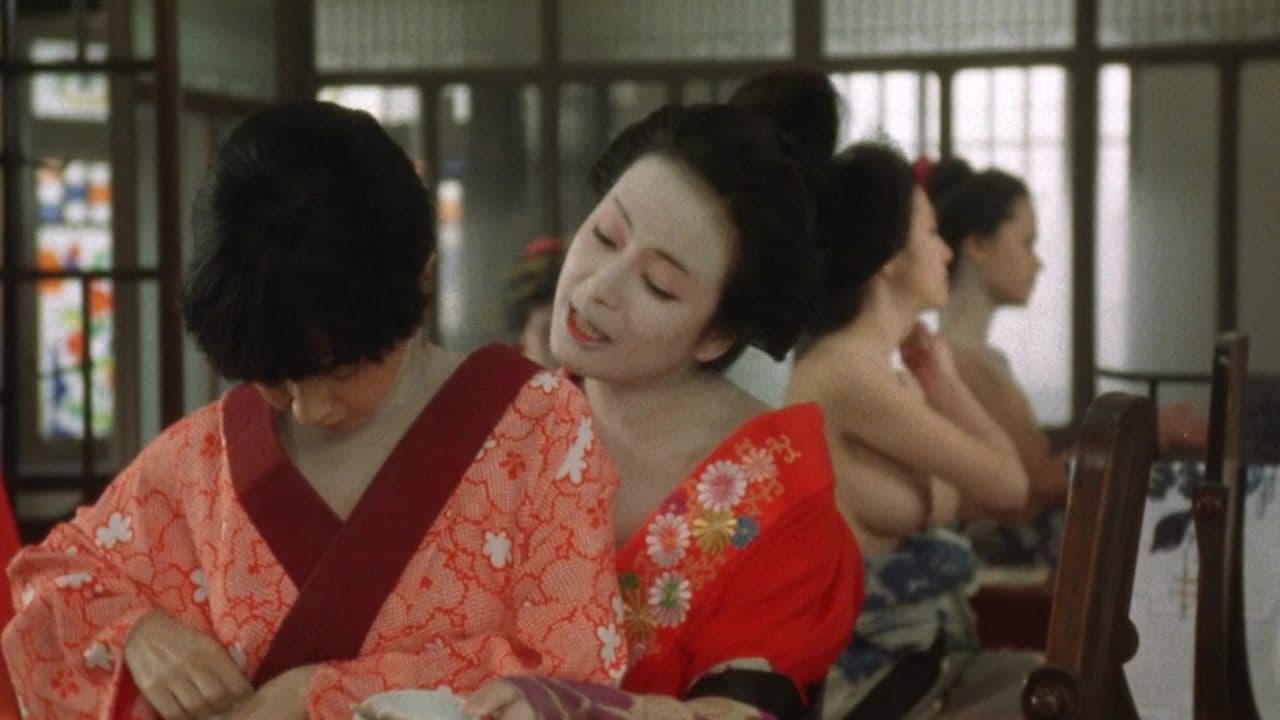
Tokyo Bordello tells the story of Hisano, a young woman whose life takes a devastating turn when her father's business collapses. Desperate and without options, he makes a choice that will define the rest of her existence: he sells her to a brothel in Yoshiwara, Tokyo's largest and most infamous red-light district during the Edo period. The brothel's owner sees potential in Hisano—she's beautiful, young, and could attract wealthy clients who'll pay premium prices. Months of rigorous training follow: she learns the arts of conversation, dance, and courtship that the establishment demands. But when the moment arrives—when her first customer is arranged and her new life as a courtesan is about to begin—something breaks inside her. Desperation turns to resistance. She attempts to flee Yoshiwara, knowing full well what such defiance might cost her.
Behind the making of Tokyo Bordello
Tokyo Bordello emerged from Toei Company, one of Japan's most prolific film studios, known for tackling historical drama and exploitation cinema with equal confidence. The 1987 release arrived during a period when Japanese cinema was exploring darker chapters of the nation's past with increasing frankness. At 127 minutes, the film doesn't rush its narrative—there's room for the slow, suffocating weight of Hisano's circumstances to settle over the viewer. The cast was assembled to bring authenticity to a story rooted in real historical practice; Yoshiwara was an actual district where such transactions occurred, lending the film a documentary quality that sits uneasily alongside its dramatic structure. While Tokyo Bordello didn't achieve mainstream international distribution in the way some of its contemporaries did, it found an audience among those seeking historically grounded Japanese drama that didn't shy away from difficult subject matter. The film's IMDb rating of 5.6/10 reflects a divided critical response—some viewers appreciate its unflinching approach to a shameful period of Japanese history, while others find its pacing or narrative choices challenging.
What makes Tokyo Bordello stand out as historical drama
What's striking about Tokyo Bordello is how it refuses to sentimentalize Yoshiwara or the women trapped within it. There's no romanticization of the "geisha fantasy" here—this is a story about economic desperation, parental abandonment, and institutional control. The film's real power lies in the quiet moments between the spectacle: Hisano's face as she realizes there's no escape, the calculation in the brothel owner's eyes as he assesses her market value, the other women's resigned acceptance of their circumstances. The performances anchor the narrative in uncomfortable human reality rather than melodrama. What's harder to stomach, honestly, is the film's refusal to offer easy catharsis. You won't find a triumphant rescue or a convenient love interest who whisks her away. Instead, Tokyo Bordello sits with the tragedy of historical circumstance—the way systems of exploitation operated not through individual villains but through economic necessity, family obligation, and the absence of alternatives. That's what separates it from typical period drama: it understands that the real horror wasn't always visible or dramatic. Sometimes it was just the slow, inevitable grinding of a life into a predetermined shape.
Where to stream Tokyo Bordello online
Tokyo Bordello is currently available across major OTT services, making it accessible to viewers interested in exploring less mainstream Japanese cinema. Rather than hunting through multiple platforms individually, Movie OTT aggregates current streaming availability so you can see exactly where the film is playing right now—whether that's on subscription services, rental platforms, or digital purchase options. The "Where to Watch" widget at the top of this page displays real-time availability across all major providers in your region. Given the film's historical subject matter and 127-minute runtime, it's worth checking availability before settling in; you'll want an uninterrupted block of time to experience it properly.
Frequently asked questions
Q: Who directed Tokyo Bordello?
While the directorial credit isn't universally highlighted in English-language sources, the film was produced by Toei Company, Japan's major studio known for historical and genre cinema. The production values and thematic consistency suggest a director with experience in period drama and willingness to engage difficult historical material.
Q: Is Tokyo Bordello based on a true story?
The film is grounded in historical reality—Yoshiwara was a real red-light district in Tokyo, and the practice of families selling daughters into servitude did occur during Japan's economic hardship periods. However, Hisano's specific story is a fictional dramatization of those real historical circumstances rather than a biography of an actual person.
Q: How long is Tokyo Bordello?
The film runs 127 minutes, which gives it substantial room to develop character and atmosphere rather than rushing through plot. That's a fairly generous runtime for a drama, suggesting the director prioritized emotional depth over commercial pacing.
Q: What's the IMDb rating for Tokyo Bordello?
Tokyo Bordello holds a 5.6/10 rating on IMDb, reflecting mixed audience response. Some viewers appreciate its historical honesty and refusal to sensationalize, while others find its pacing or subject matter challenging—which is exactly what you'd expect from a film tackling this kind of material.
Q: Where can I watch Tokyo Bordello?
The film is available on major OTT platforms. Check the streaming widget at the top of this page for current availability in your region, or visit Movie OTT's search function to compare where it's currently streaming.
Final thoughts on Tokyo Bordello
Tokyo Bordello isn't easy viewing, but it's the kind of film that stays with you precisely because it refuses to make things easy. It's a historical document wrapped in drama, a reminder that entertainment industries have always exploited the vulnerable—and that the vulnerability itself often stems from larger economic forces beyond individual control. If you're drawn to Japanese cinema that engages seriously with difficult history, or if you're interested in how period dramas can function as social critique, this film deserves your attention. It won't comfort you. That's rather the point.