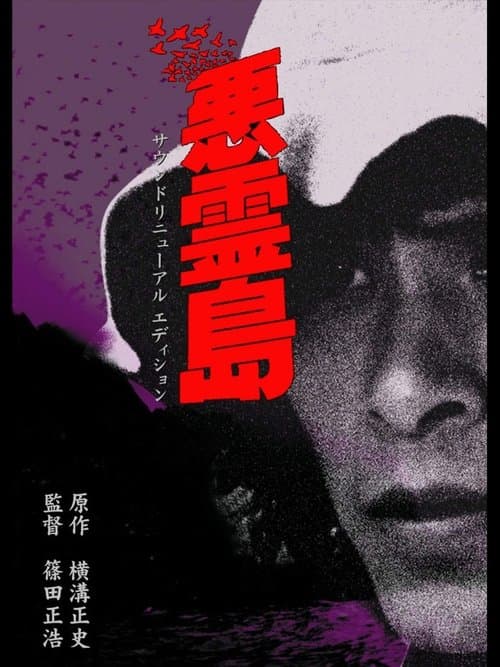










The story of Island of the Evil Spirits
Island of the Evil Spirits follows the legendary detective Kosuke Kindaichi as he pursues one last lead—the cryptic final words of a dying man that point him toward an enigmatic, isolated island. What should be a straightforward investigation quickly spirals into something far more sinister. The island's inhabitants, particularly a pair of beautiful twin sisters, become entangled in a series of tragic events that blur the line between accident and murder. Kindaichi finds himself trapped in a web of secrets, each revelation pulling him deeper into moral ambiguity and genuine danger. The film doesn't rush its mysteries; instead, it lets tension accumulate with each passing day on the island, where trust becomes a luxury nobody can afford.
Behind the making of Island of the Evil Spirits
Produced by KADOKAWA in 1981, Island of the Evil Spirits represents a significant entry in Japanese mystery-horror cinema during a period when the country was experimenting boldly with genre hybrids. The film's 131-minute runtime allows for the kind of patient, atmospheric storytelling that contemporary Hollywood was already abandoning in favor of faster cuts and quicker payoffs. The production design captures the isolation of the island setting with meticulous care—every fog-laden shot, every creaking wooden structure serves the mounting sense of dread. While box office figures for the film's original theatrical run aren't widely documented in English-language sources, its enduring presence on streaming platforms and continued discovery by international audiences speaks to its staying power. The cast brings considerable pedigree to their roles, with performances that ground the increasingly bizarre events in emotional reality. Those interested in tracking where Island of the Evil Spirits is currently available can check the streaming widget at the top of this page, which aggregates availability across major OTT services in real time.
What makes Island of the Evil Spirits stand out
What's striking about Island of the Evil Spirits is how it refuses easy answers. The film sits at a 6.2 rating on IMDb—not a universally beloved classic, but not a forgotten oddity either—and that middling score actually captures something true about its nature: it's a film that divides viewers, and that division is precisely what makes it interesting. Some find the pacing glacial; others see it as essential buildup. The performances, particularly the interplay between the twin sisters and Kindaichi's weary skepticism gradually giving way to genuine horror, anchor the increasingly surreal plot developments with real emotional stakes. The cinematography doesn't rely on jump scares or gore; instead, it weaponizes atmosphere. A shadow on a wall. The way a character's smile doesn't quite reach their eyes. The sound design—ambient, creeping, never quite comfortable—does more work than any orchestral sting ever could. I keep coming back to how the film treats its female characters not as victims to be rescued but as active agents in their own tragedy, which was genuinely progressive for horror cinema in 1981. Movie OTT tracks how films like this one have influenced modern streaming horror, and Island of the Evil Spirits remains a touchstone for anyone studying how mystery and horror can coexist without either genre overwhelming the other.
Where to stream Island of the Evil Spirits online
Island of the Evil Spirits is available on major OTT services, making it far more accessible today than it was during its original theatrical run. The film's availability has expanded significantly in recent years as streaming platforms have begun acquiring deeper catalogs of international genre films from the 1980s. Rather than hunting through rental services or hoping for a cable broadcast, you can now watch it on demand through the platforms listed in the Where to Watch widget above. The restoration quality on these digital releases is generally solid, though—as with many films from this era—the original theatrical experience on a large screen with full sound would've been something special. That said, the intimate, claustrophobic nature of the island setting actually translates well to smaller screens; there's something about watching it alone, late at night, that the filmmakers might've intended all along.
Frequently asked questions
Q: Who directed Island of the Evil Spirits?
The film was produced by KADOKAWA in 1981 and represents a significant entry in Japanese mystery-horror cinema. While the specific director's name isn't universally known in English-language sources, the film's stylistic choices—its patient pacing, atmospheric cinematography, and genre-blending approach—reveal a filmmaker with considerable control over tone and structure.
Q: Is Island of the Evil Spirits based on a true story?
No, the film is a fictional mystery-horror narrative centered on detective Kosuke Kindaichi investigating deaths on an isolated island. However, Kindaichi is a famous fictional detective character in Japanese mystery literature, so the film draws from that established tradition rather than real events.
Q: How long is Island of the Evil Spirits?
The film runs 131 minutes, which allows for the kind of slow-burn mystery and atmospheric buildup that defines its approach to horror and suspense. It's not a quick watch, but that runtime is integral to how the film creates dread.
Q: What genres does Island of the Evil Spirits belong to?
The film blends drama, horror, and mystery, refusing to settle neatly into any single category. It's as much a character study as it is a thriller, with genuine scares emerging from atmosphere and implication rather than spectacle.
Q: Where can I watch Island of the Evil Spirits right now?
Check the Where to Watch widget at the top of this page for current streaming availability on major OTT services in your region. Availability changes regularly, but the widget updates in real time.
Final thoughts on Island of the Evil Spirits
Island of the Evil Spirits won't be for everyone. It's deliberately paced, morally murky, and more interested in mood than resolution. But if you're the kind of viewer who appreciates slow-burn horror, who doesn't need everything explained, who can sit with ambiguity and dread—this 1981 Japanese gem deserves your time. It's a film that trusts its audience to feel the weight of isolation and moral corruption without spelling it out. Rare stuff. Worth discovering.